












How to choose backup power for your home or business
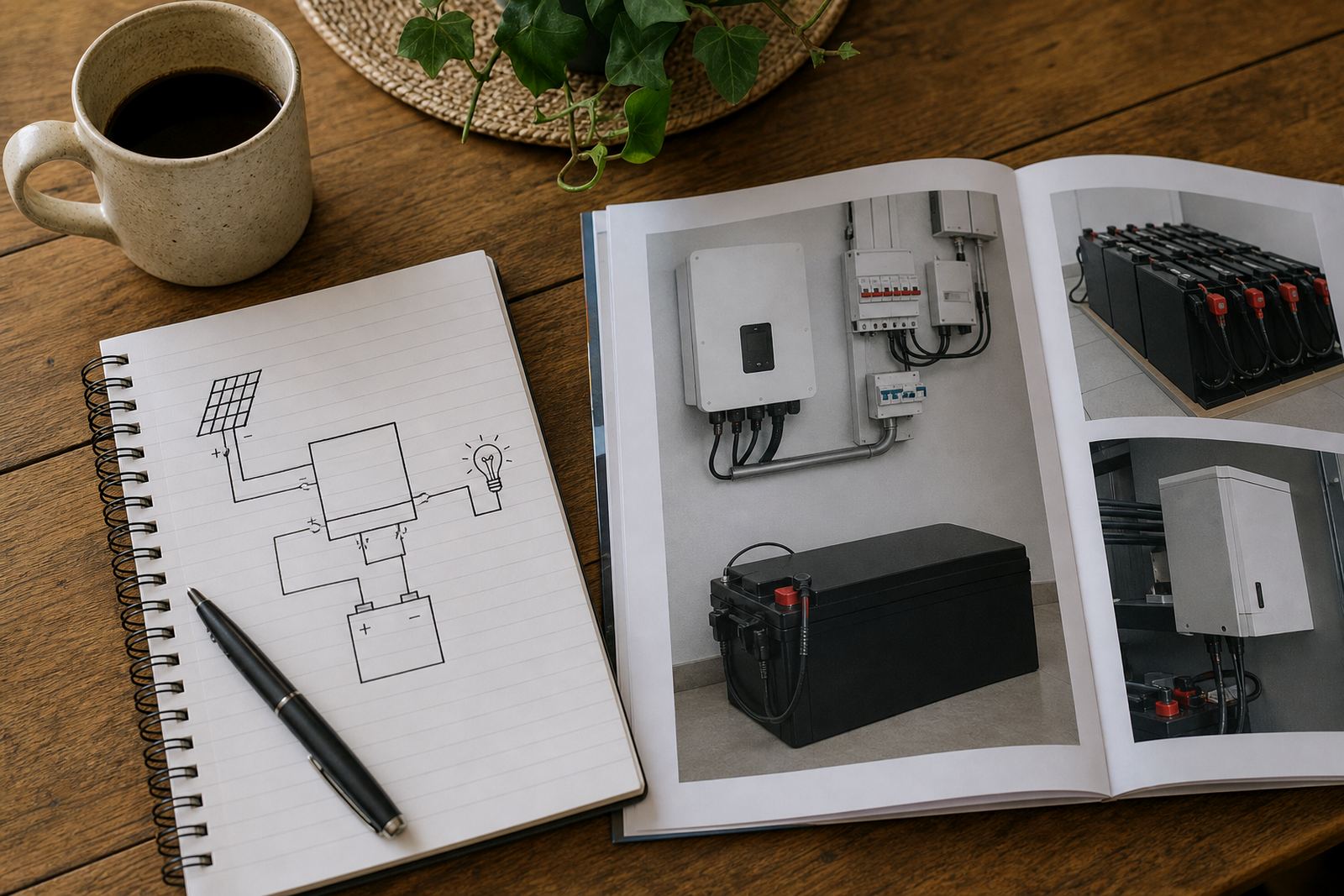
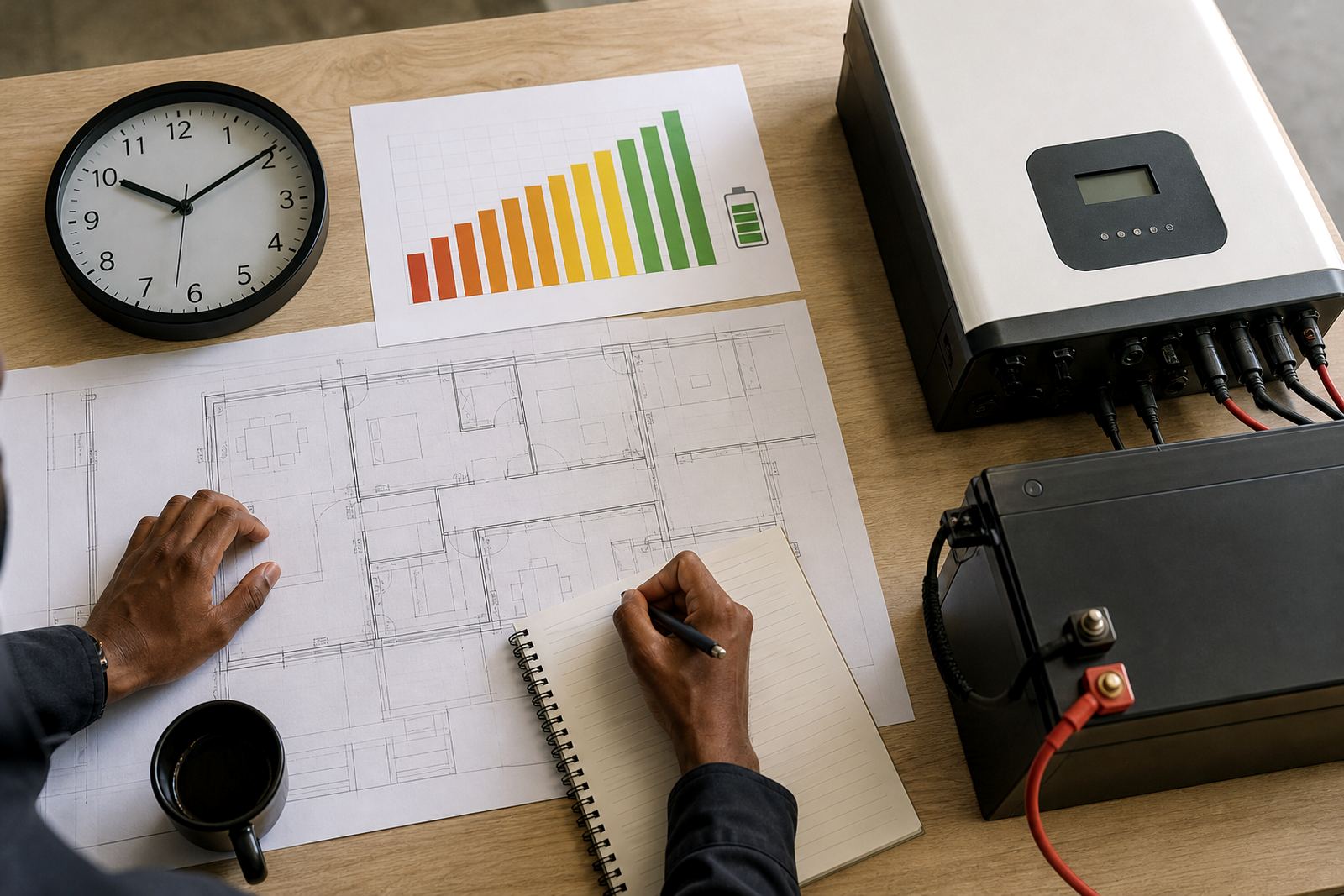
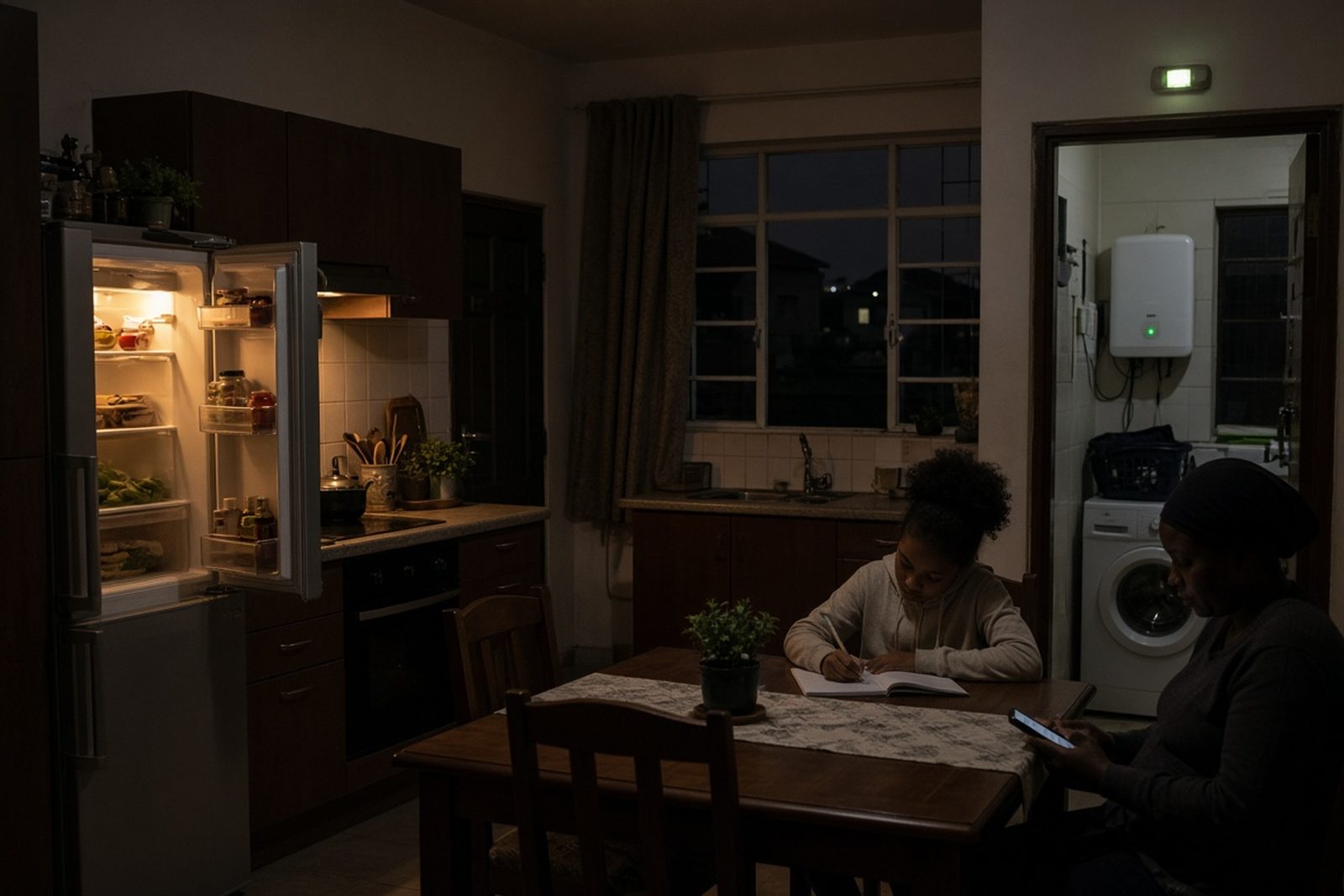
Backup power starts with what you need to keep running when the grid goes off. A small home setup may cover lights, Wi-Fi, a TV and a few plugs, while a business may need point-of-sale equipment, office networks, gates or essential production tools. The right system depends on the load, the hours of backup needed and whether the supply is single-phase or three-phase.
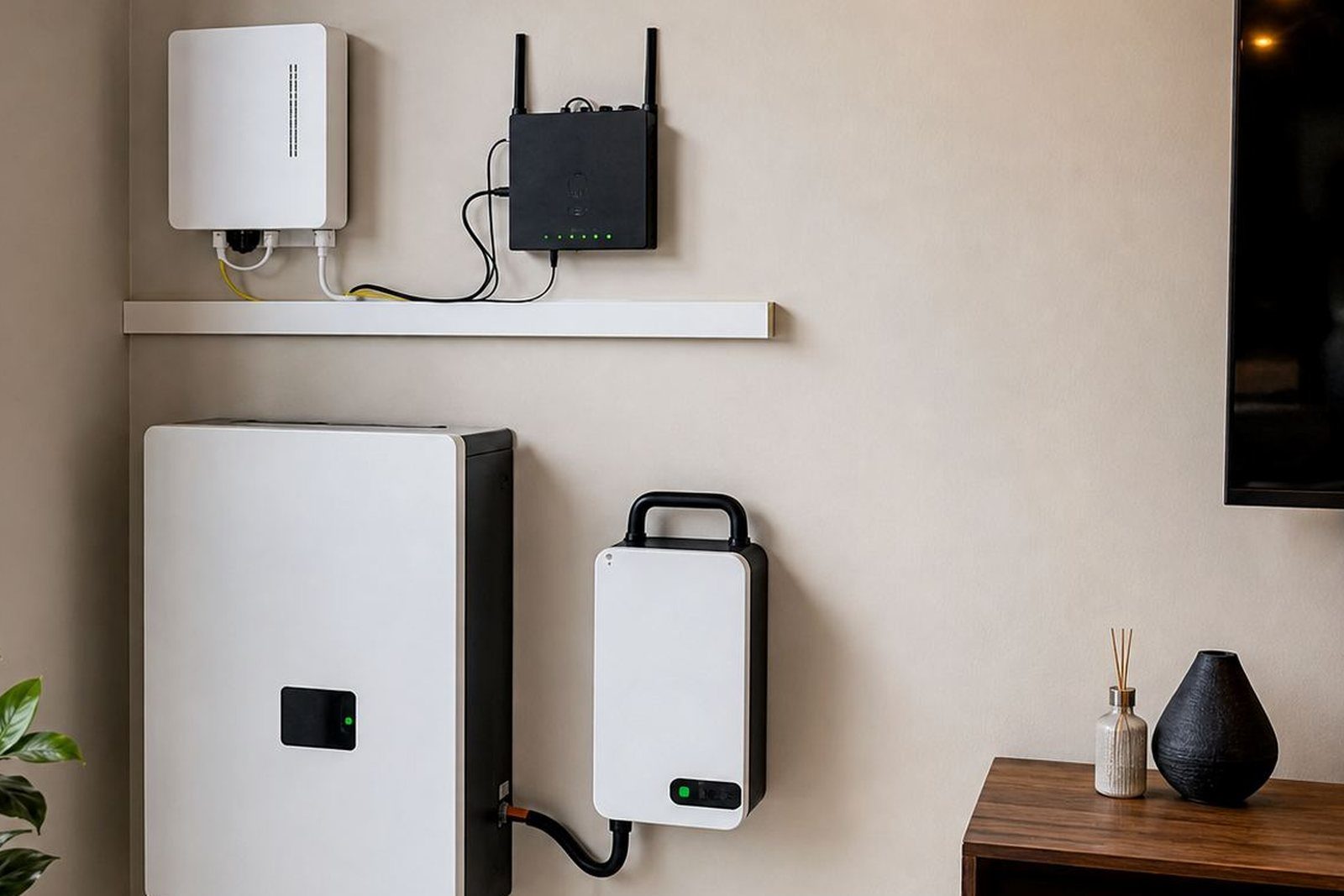
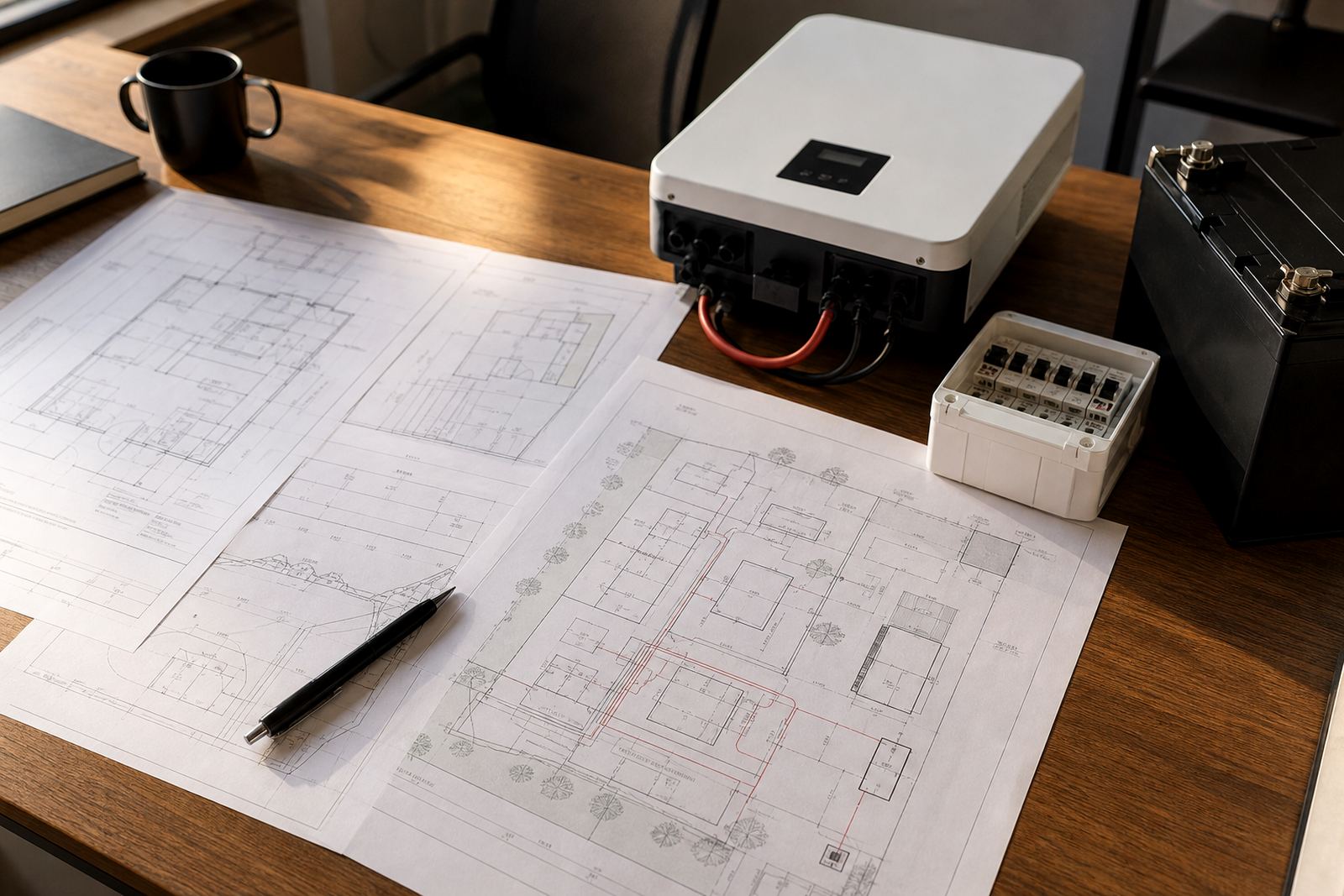
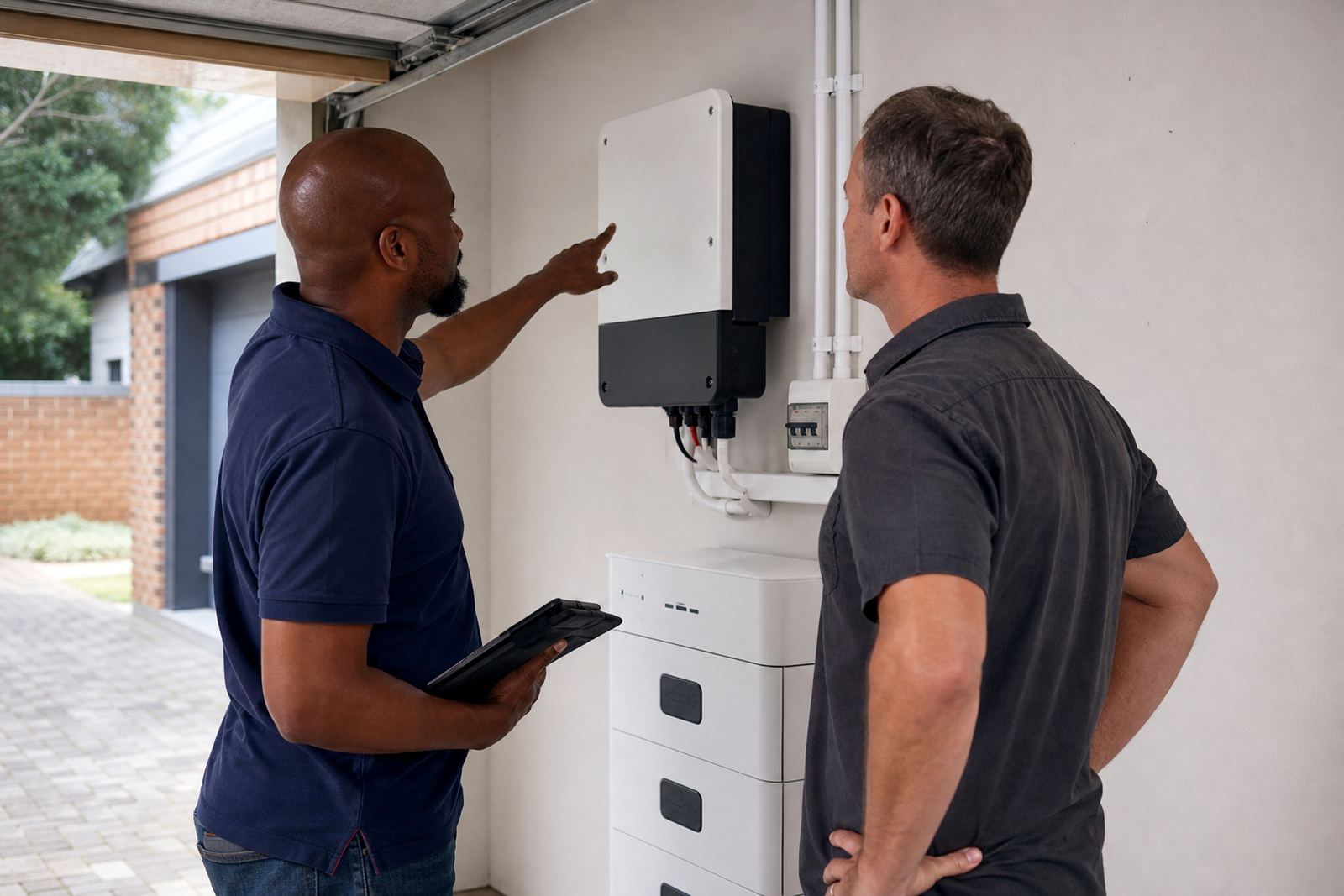
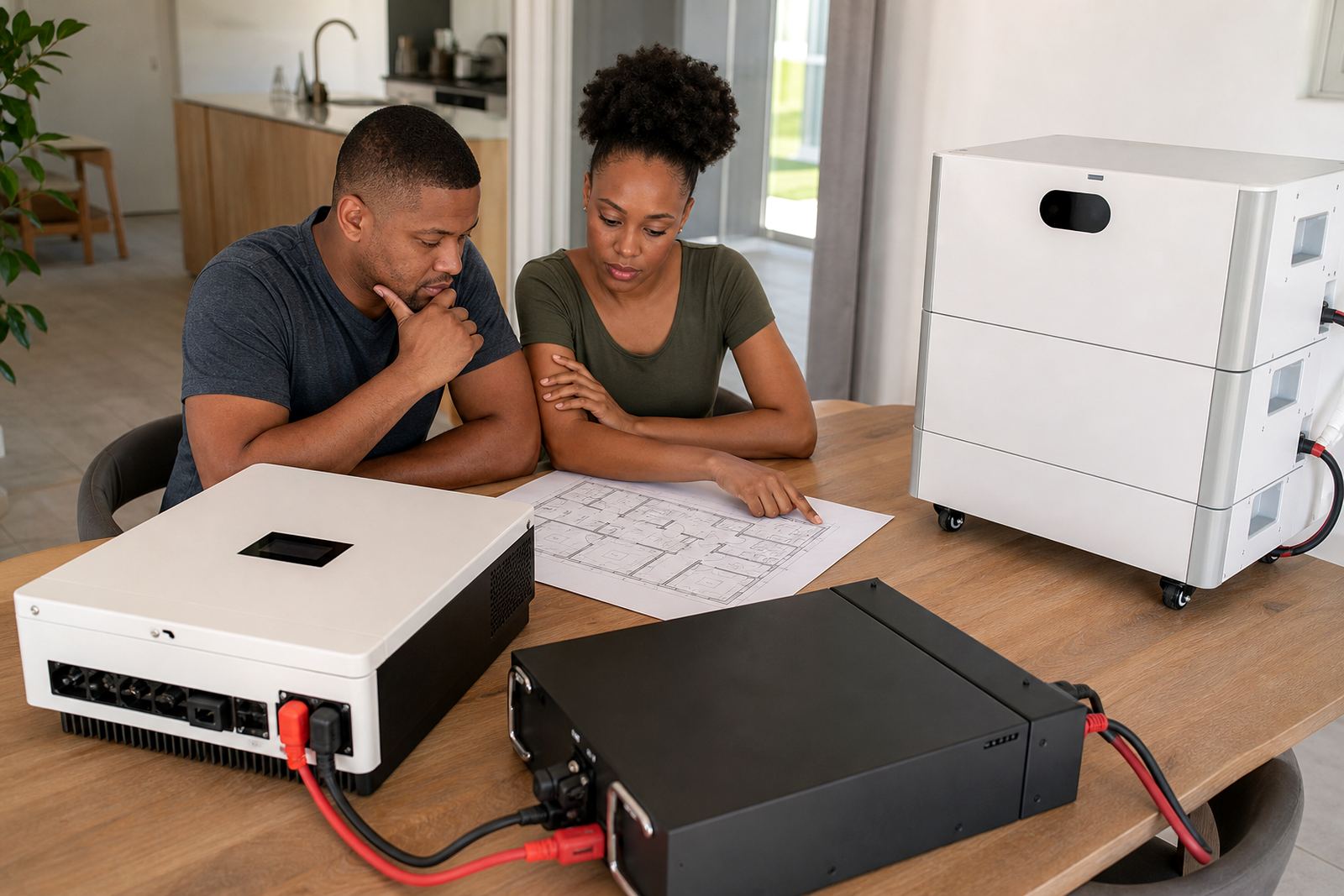
For many properties in Randburg, Sandton and Fourways, the first step is a proper site assessment. That means checking the current DB board, the circuits that matter most, and the space available for an inverter and battery bank. In busy areas like Midrand, Centurion and Roodepoort, planning also has to account for load-shedding, voltage dips and the practical limits of the site.
- List the appliances or circuits that must stay on.
- Check how long you need backup for during outages.
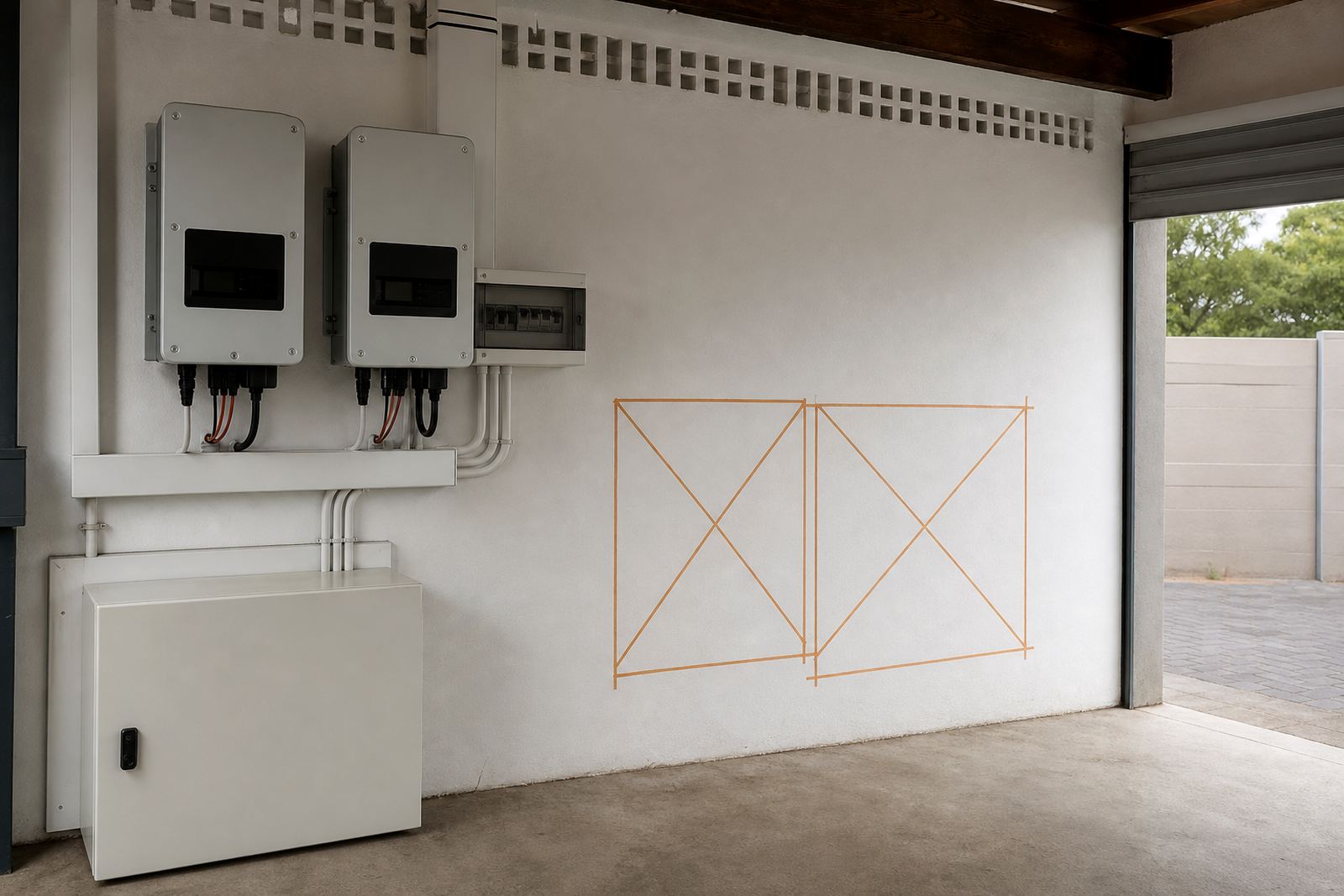
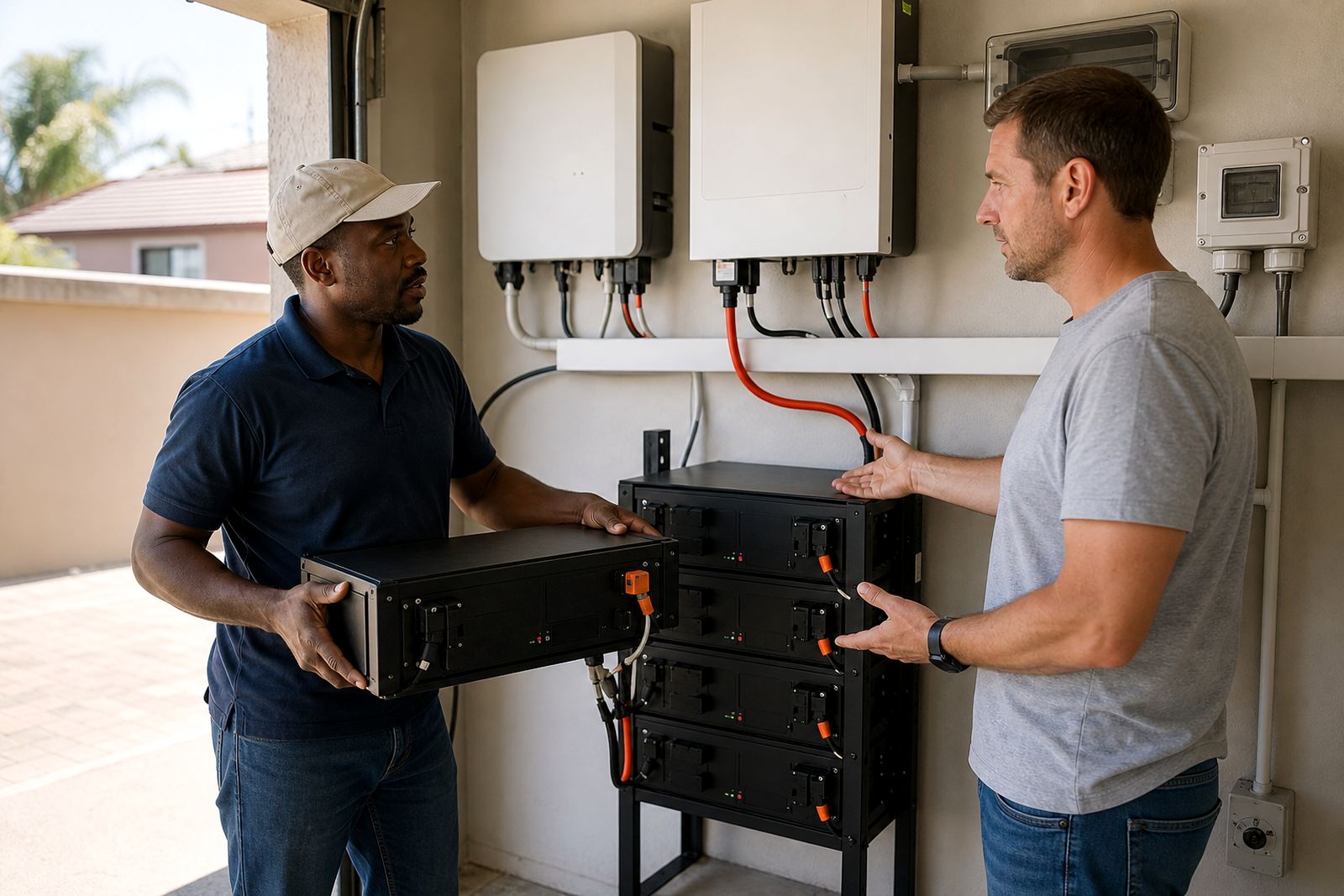
- Mark a safe mounting spot in your Gauteng home or business for the inverter and lithium batteries.
- Decide if you need basic backup or a wider system for business continuity.
What inverters do during load-shedding
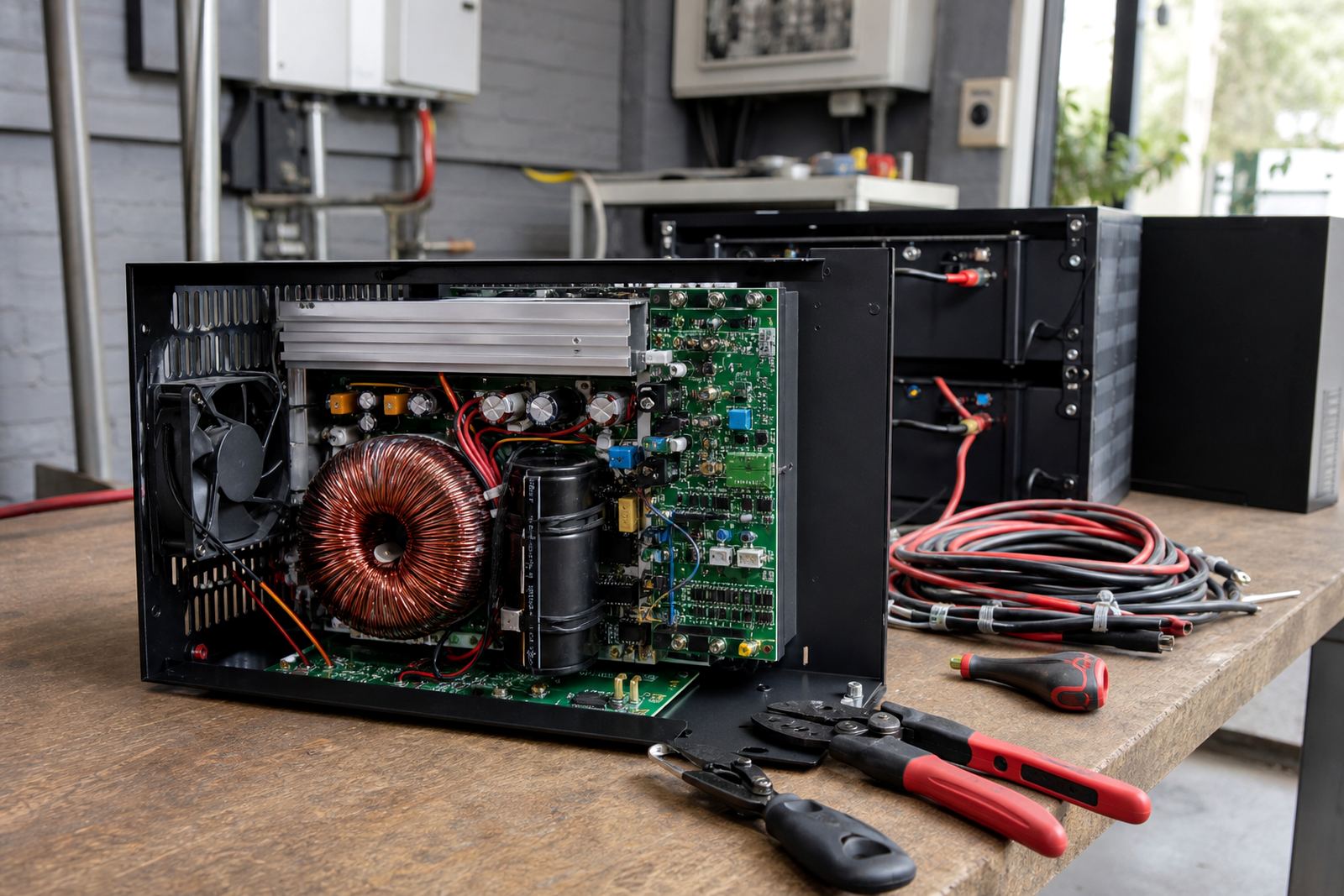
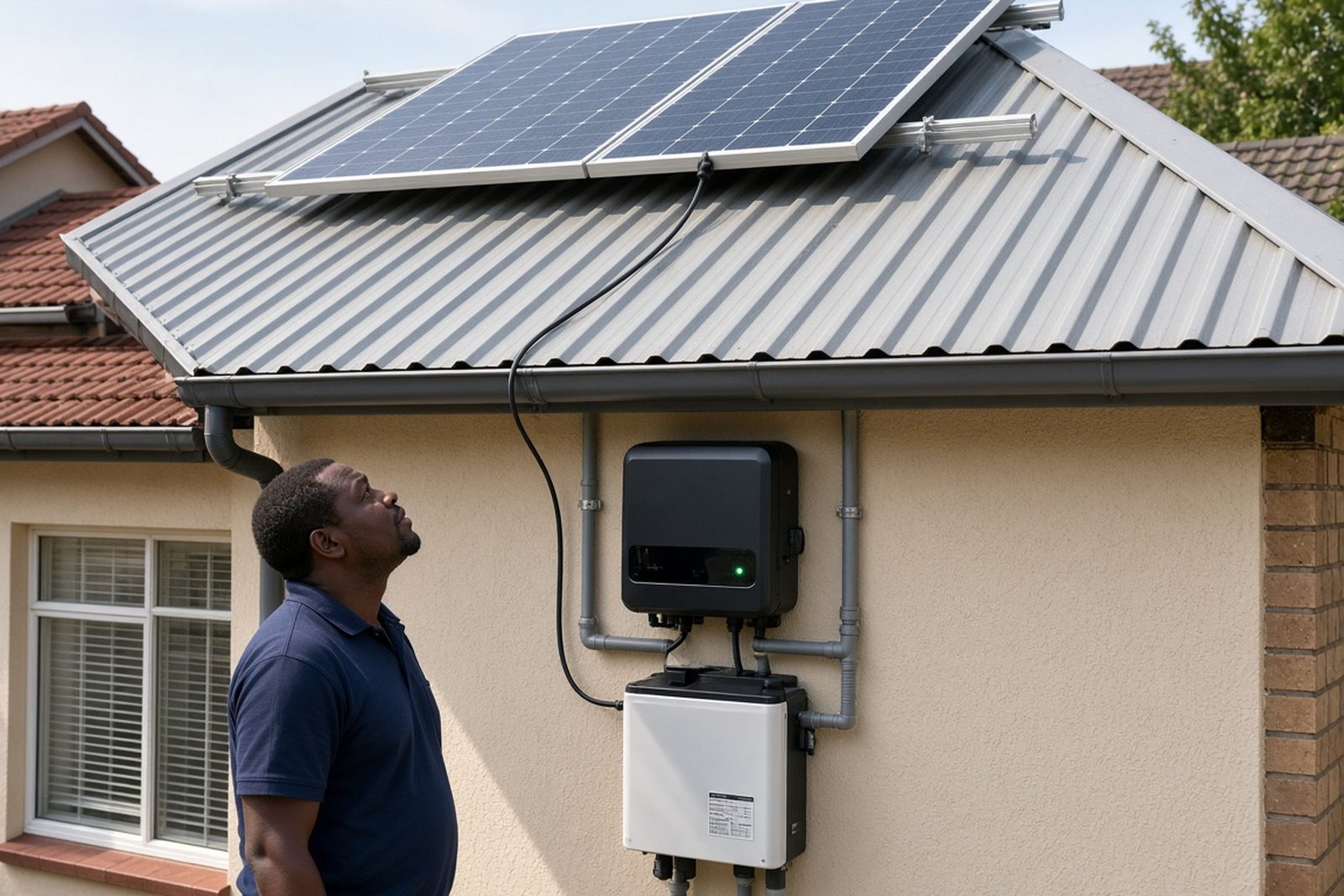
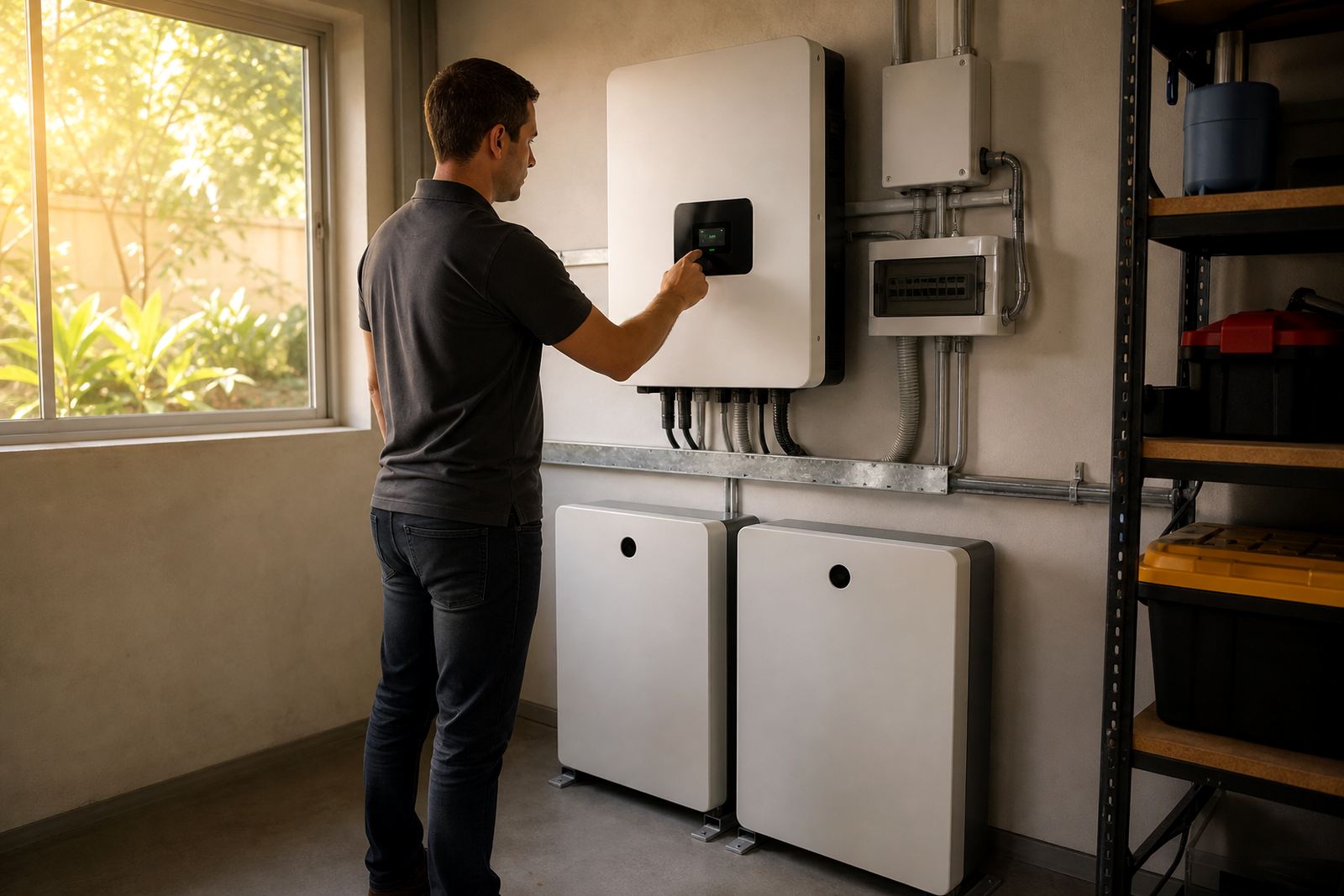
An inverter changes stored battery power into usable AC power for your home or business. It can run selected circuits during an outage and, in some setups, help manage charging when grid power returns. The size of the inverter must match the expected load, otherwise it can trip or shut down under demand.
In South African homes, the most common mistake is trying to cover too many appliances on a small unit. Fridges, routers, lights and a few plugs are one thing; kettles, heaters and air conditioners are another. In commercial spaces, essential loads may need to be separated from the rest of the building so the backup system does not carry unnecessary demand.
- Pure sine wave output is generally preferred for sensitive electronics.
- Capacity should be matched to the real load, not guesswork.
- Changeover arrangements must be set up so the supply switches correctly.
- System commissioning should confirm that the load is stable before handover.
Share what must stay on during an outage and the size of the property, and a backup planner will phone or message you.
Contact formWhy lithium batteries are used in backup systems
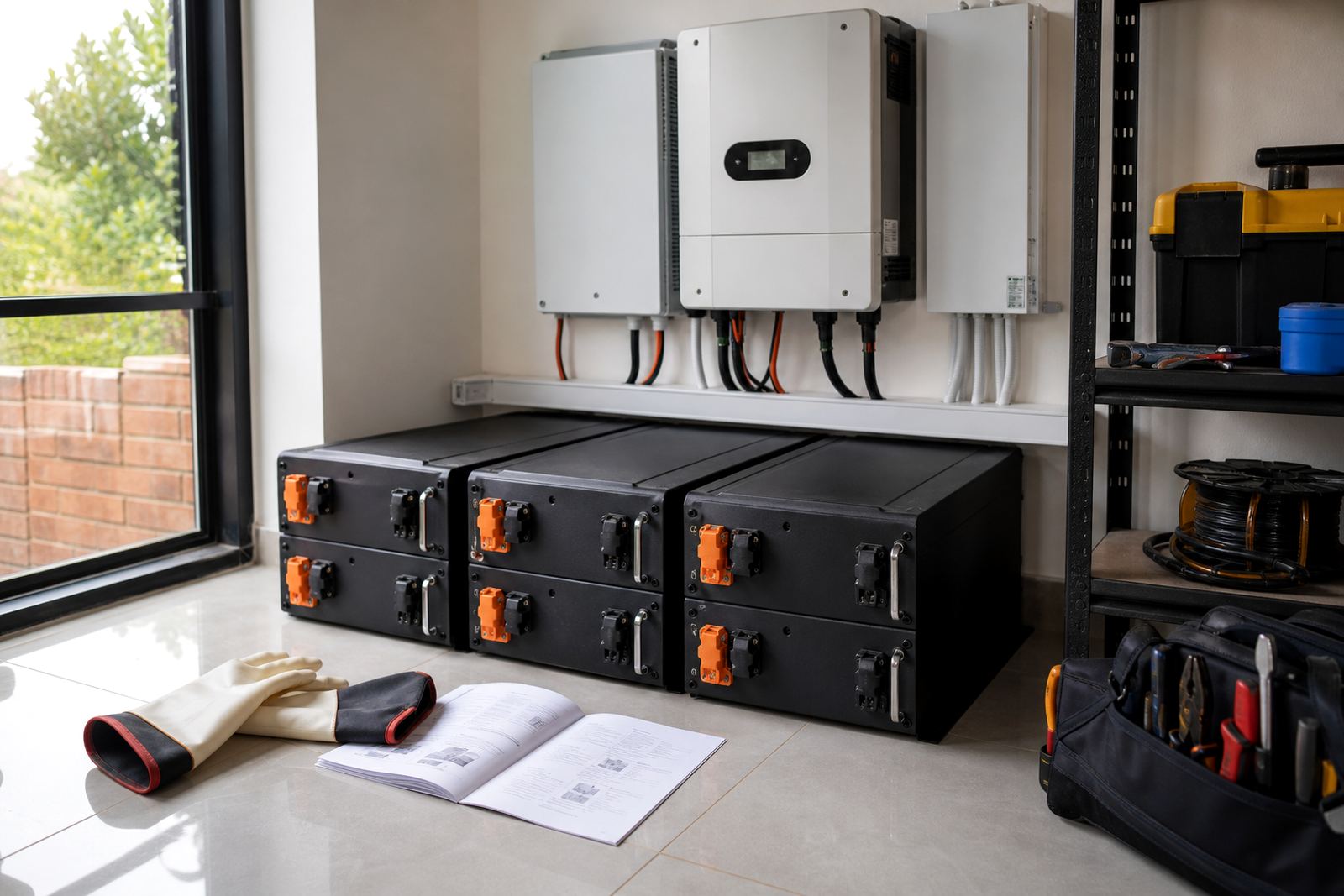
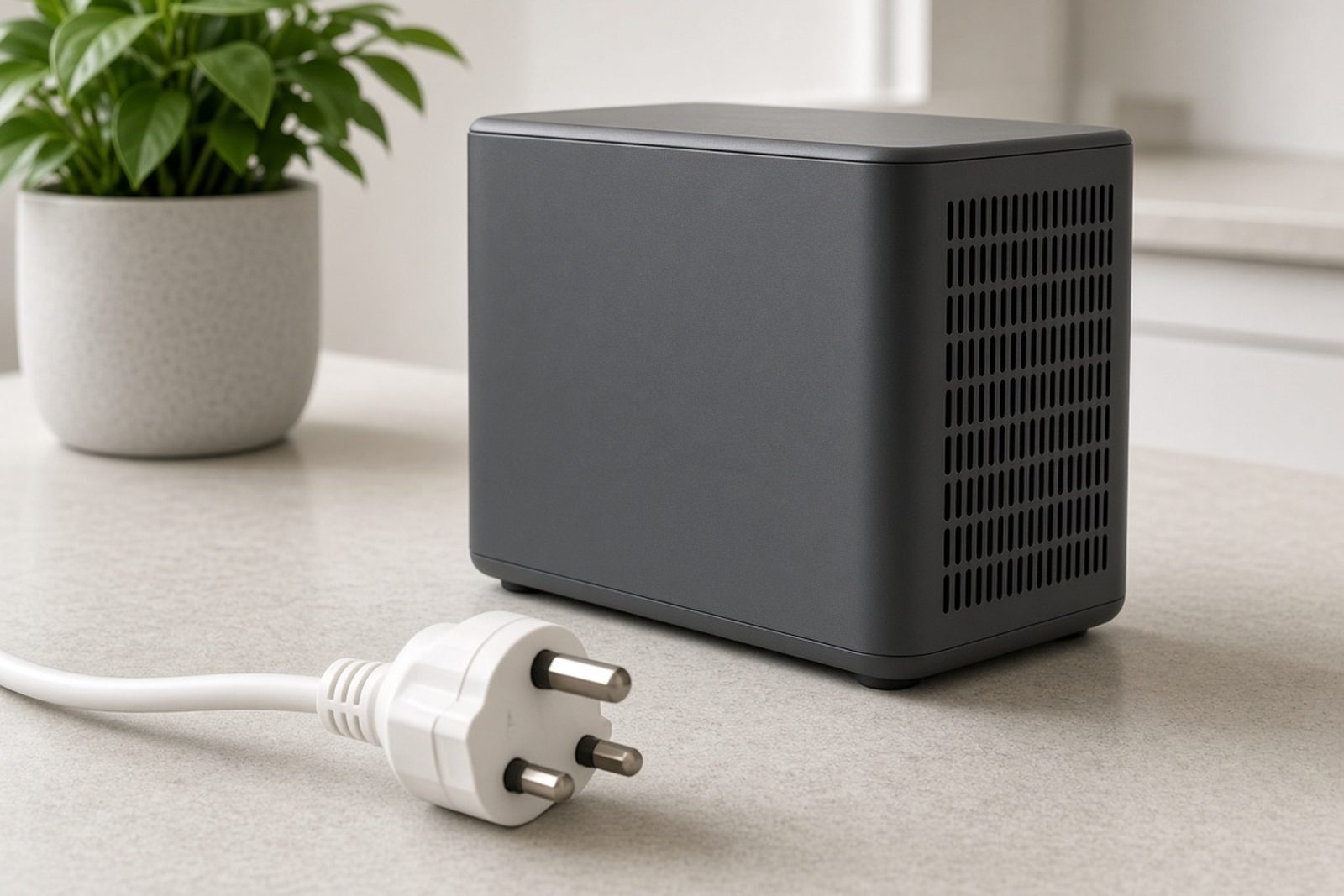
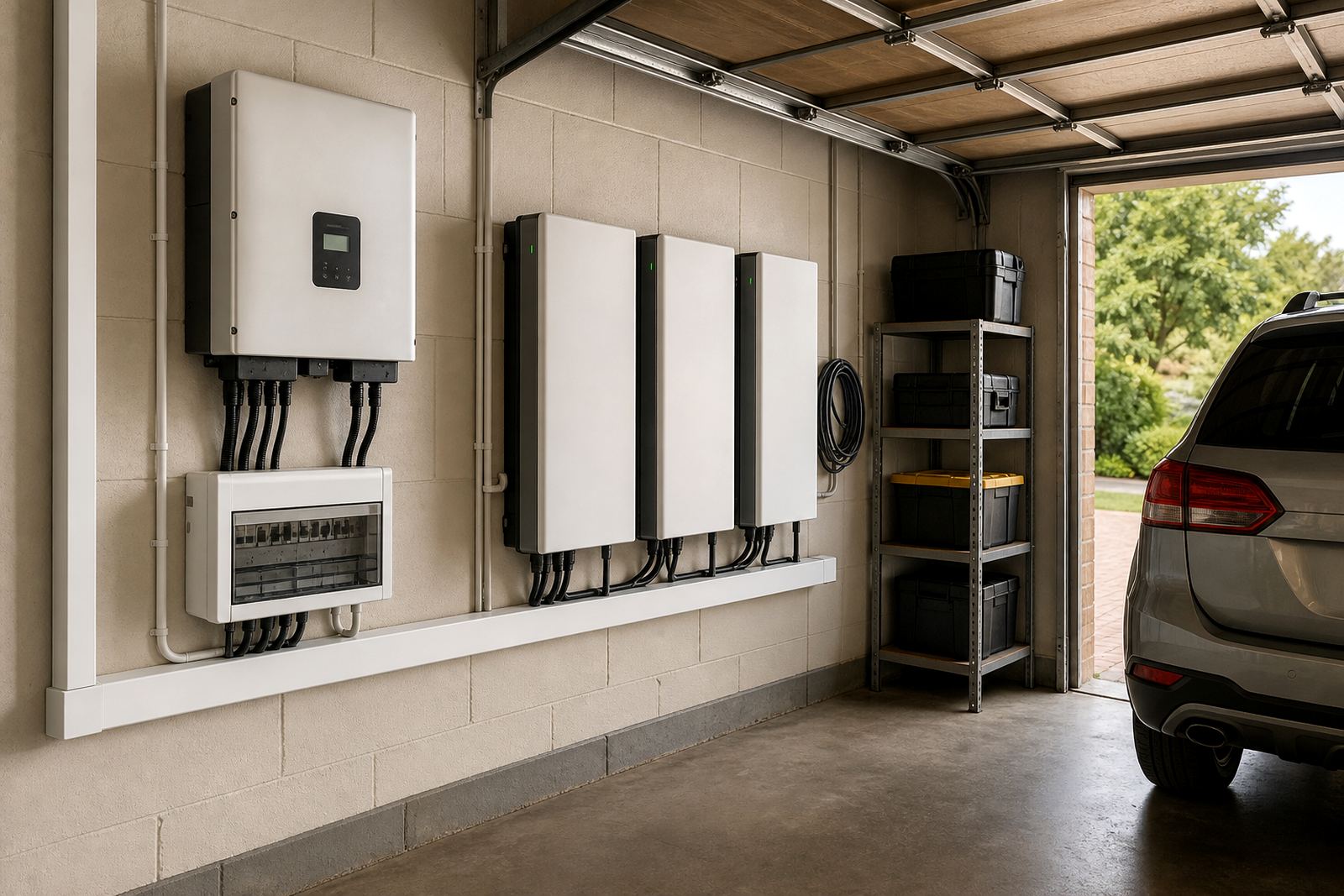
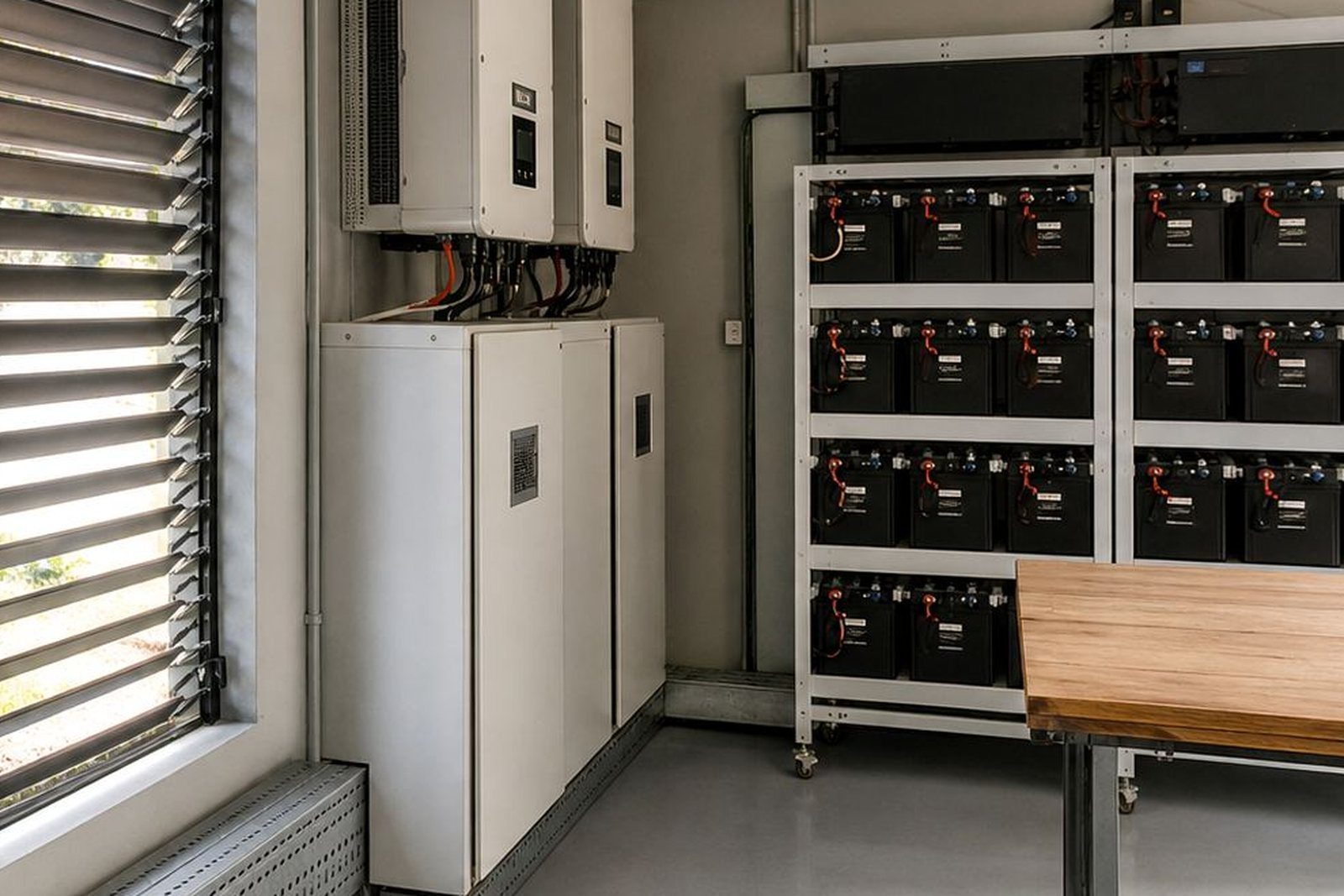
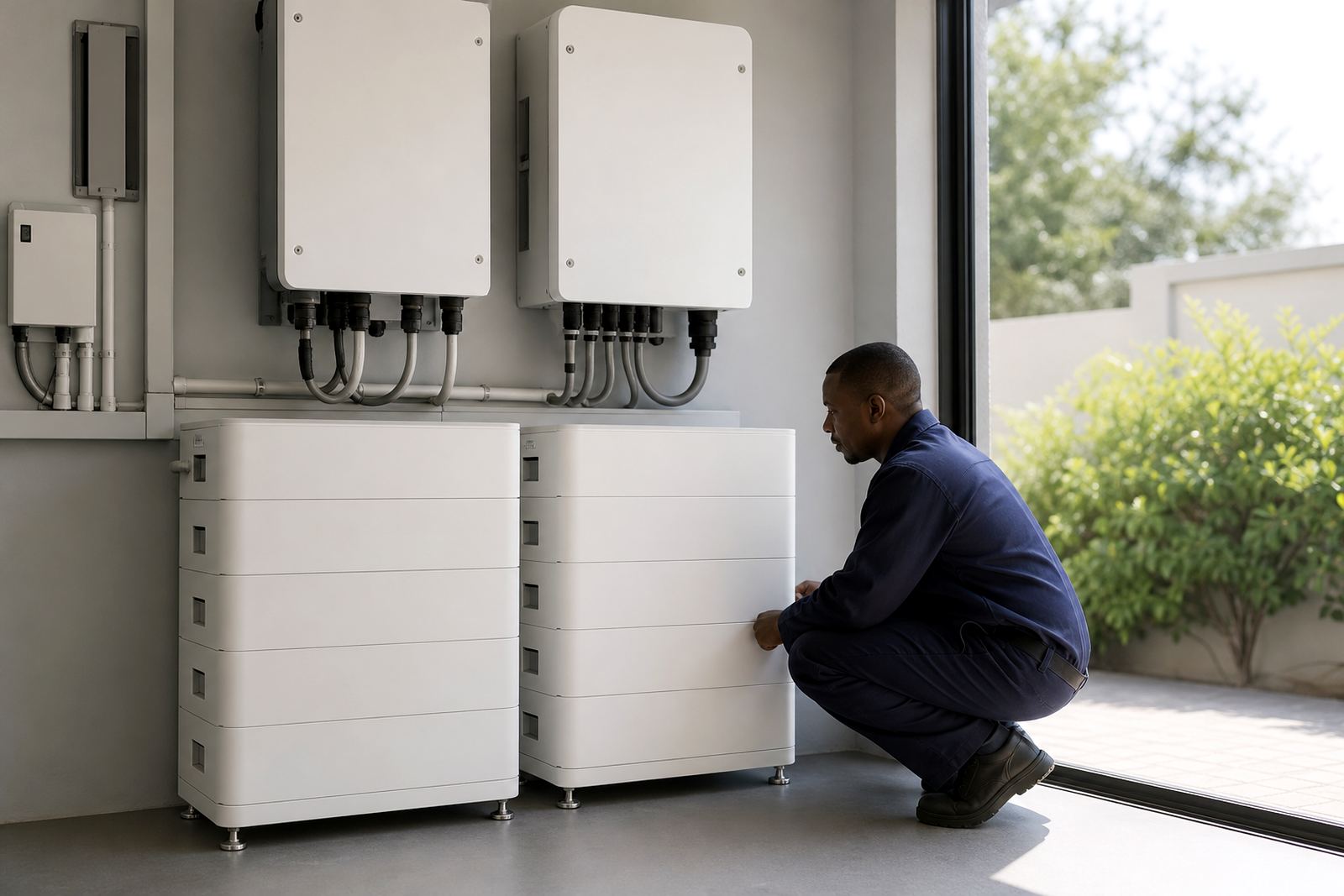
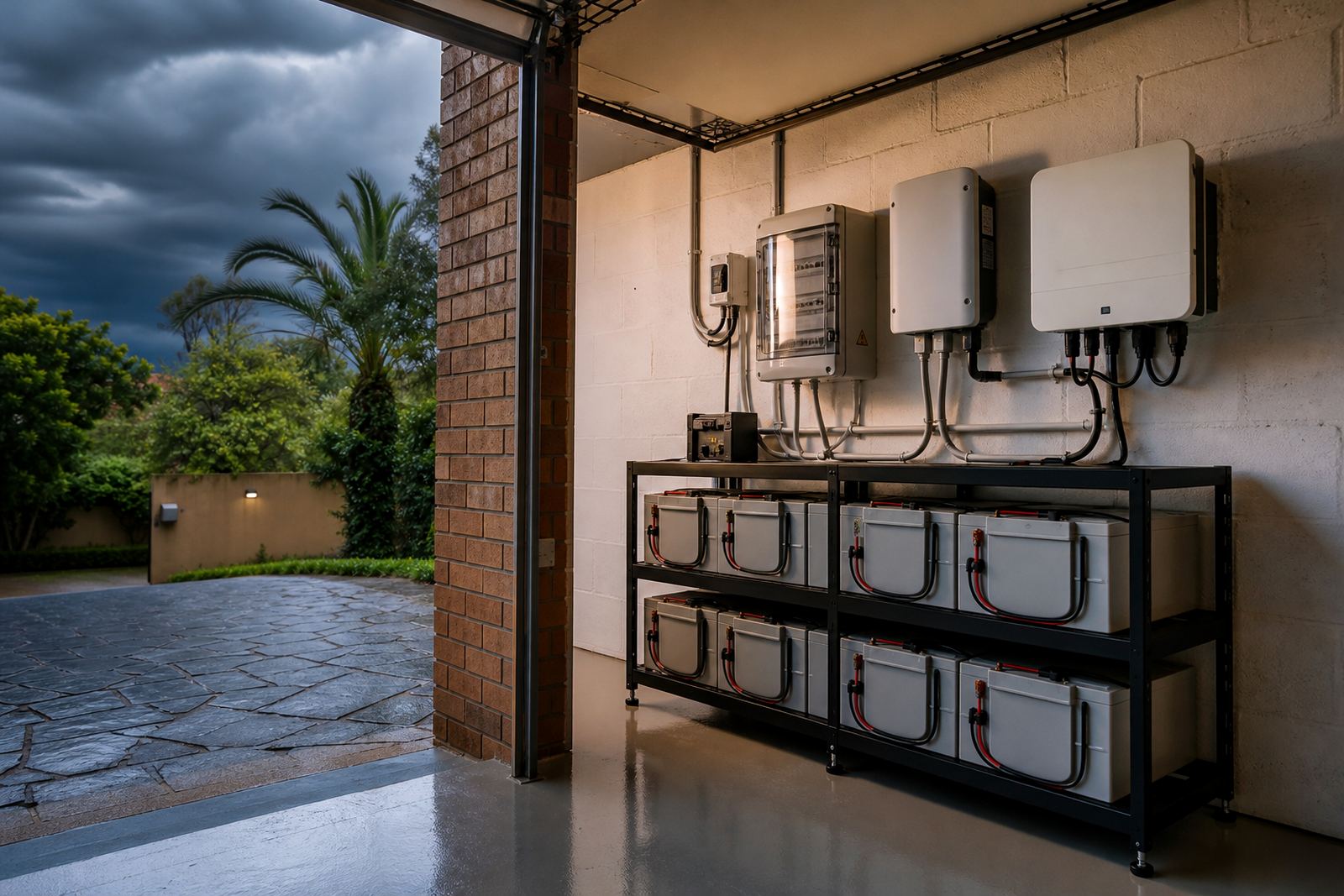
Lithium batteries are widely used for backup power because they store energy efficiently and can handle regular cycling. They are suited to homes and businesses that experience repeated outages, and they fit neatly into systems that need fast charging and consistent output. In coastal areas with humidity, and inland sites with dust or heat, the battery location still matters a lot.
Good battery planning is about usable capacity, not just the size printed on the unit. A sensible setup allows for the actual load, the depth of discharge, and room for future expansion if your needs grow. Some clients start with a smaller bank and add more storage later when the electrical load changes.
- Keep batteries in a cool, dry, ventilated place.
- Allow for future battery expansions where the system supports it.
- Check that battery management and protection settings are correct.
- Do not place batteries where water ingress or direct sun is likely.
Installation basics and safety in South Africa
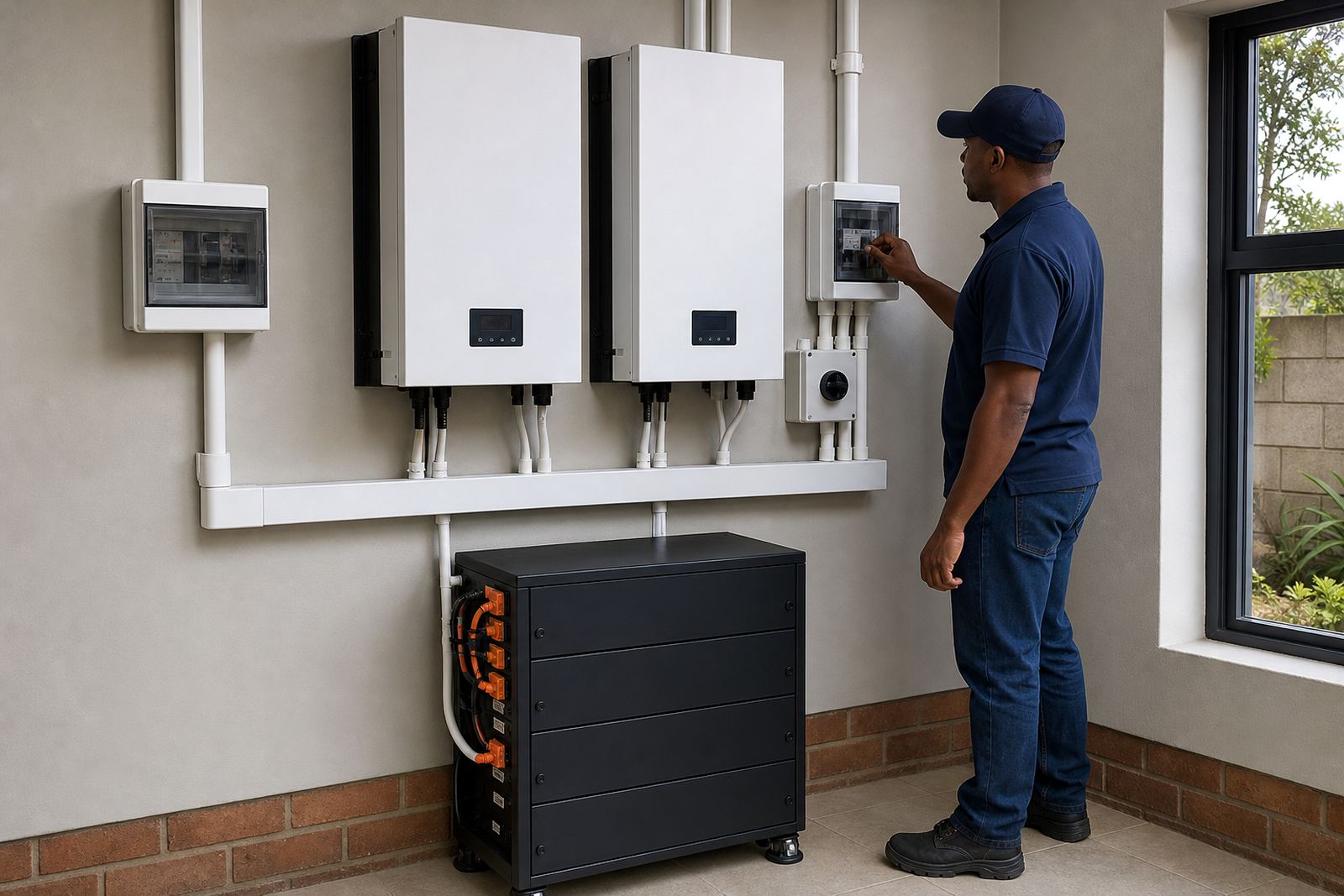
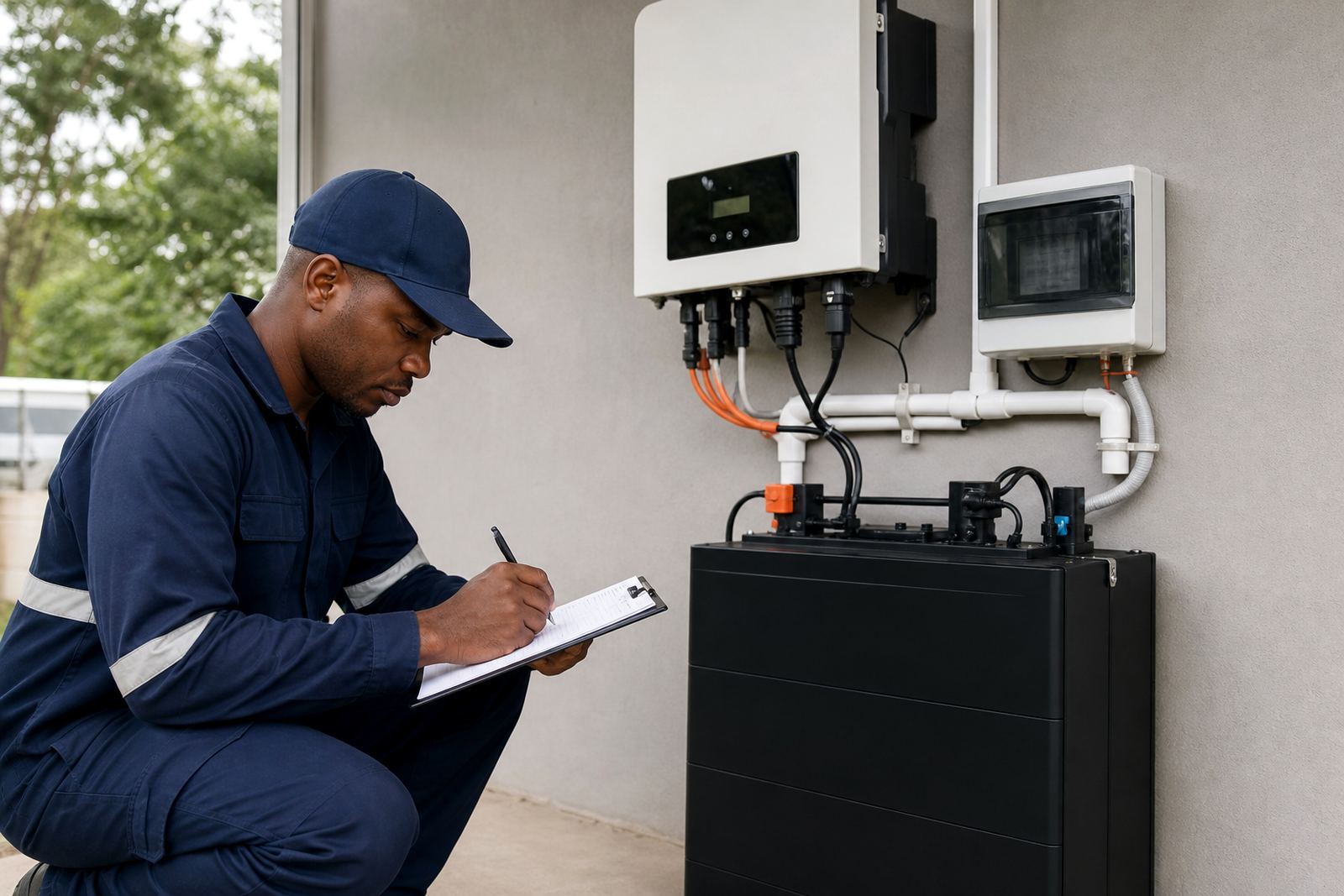
Backup equipment must be installed by a registered electrician. The work should be carried out to the right electrical standard, with a certificate of compliance issued once the installation is complete. This matters for safety, insurance and proper handover. If the system is grid-tied, municipal registration is also required before the installation is treated as compliant.
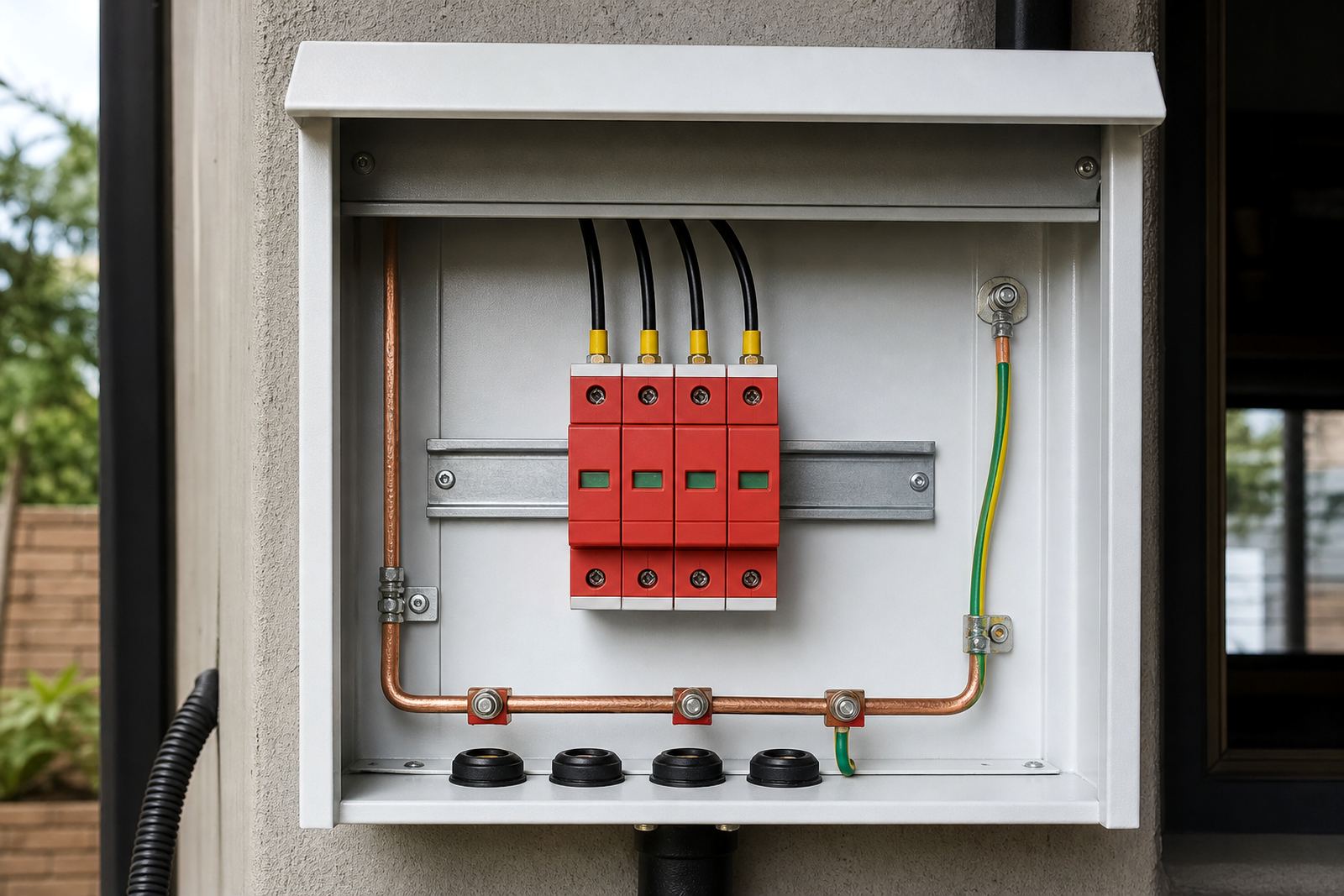
Essential circuit wiring and changeover solutions need careful planning so the backup system feeds only the intended circuits. A poor installation can overload the inverter, create nuisance trips, or leave parts of the property unprotected. Good workmanship also helps reduce faults caused by loose terminations, incorrect cable sizing or bad earthing.
- Use a registered electrician for all installation work.
- Request a certificate of compliance after completion.
- Register grid-tied systems with the municipality where required.
- Keep wiring neat, labelled and easy to service later.
Maintenance that keeps the system ready
Backup systems need routine checks, not only attention after a fault. Dust, loose connections, ageing batteries and changing loads can all affect performance. A regular service plan helps identify problems before they become an outage during peak load-shedding or a sudden storm-related blackout.
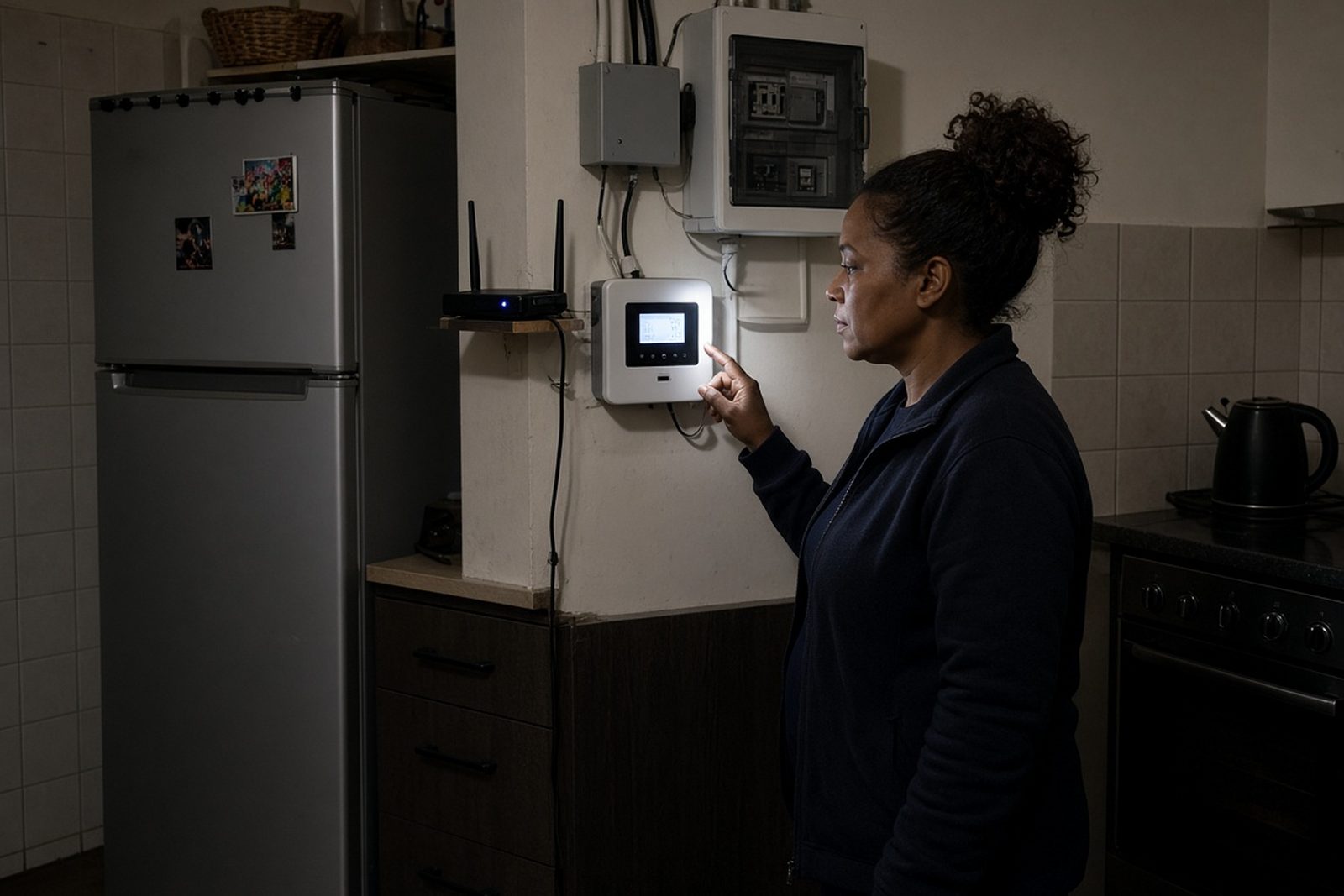
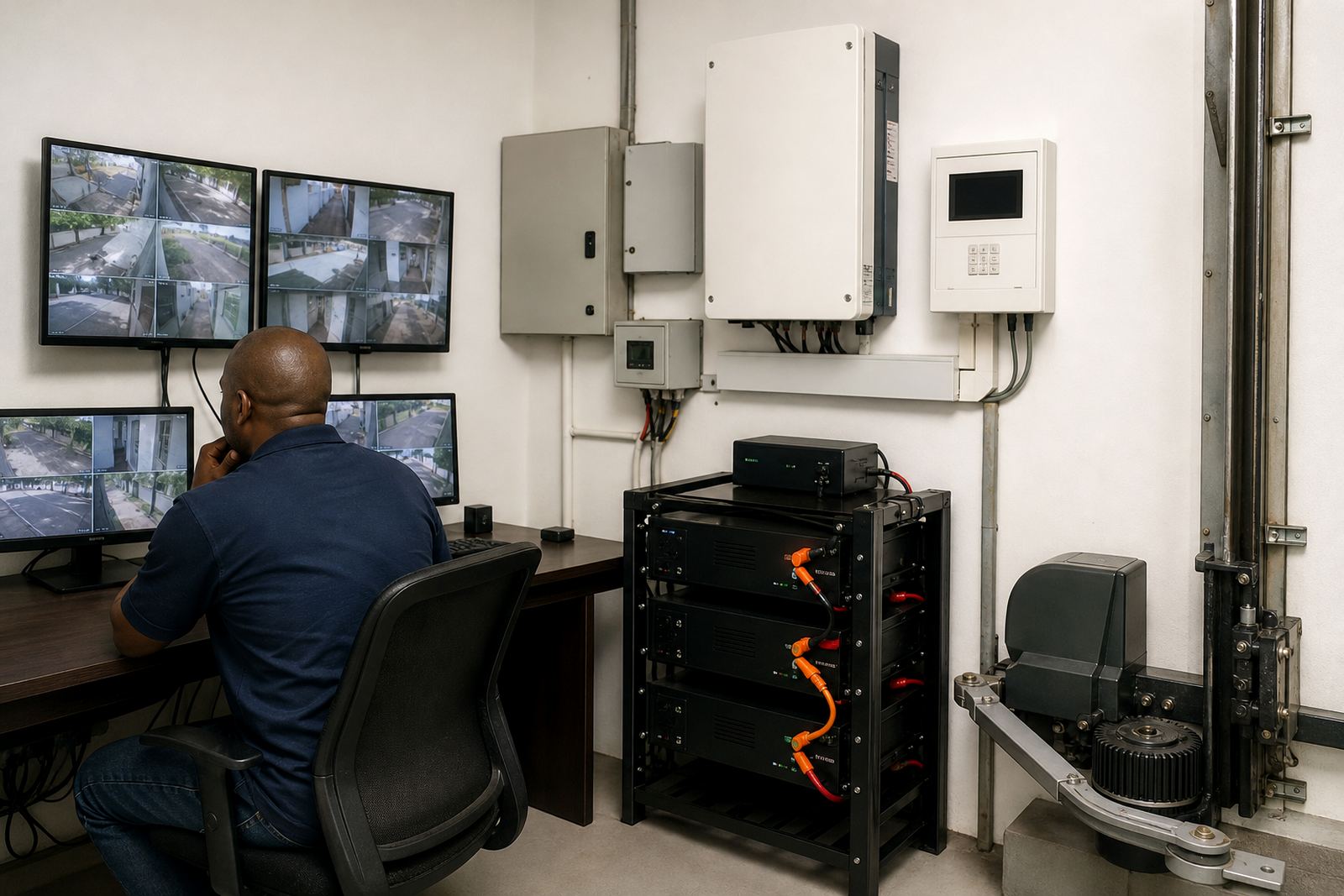
For homes and businesses in Gauteng, battery health and inverter status should be checked at intervals that suit the site. Monitoring setup can help with this by showing charge levels, load use and warning messages. If a site has repeated trips or unusual battery drain, fault checks should be done promptly instead of waiting for the next outage. A little maintenance now often saves a bigger headache later.
- Inspect connections, settings and warning lights regularly.
- Test the changeover function and backup circuits.
- Watch for swelling, heat, noise or unexpected shut-downs.
- Schedule servicing before the system reaches a problem stage.
Using the Power Journal to plan your next step
The Power Journal is for anyone who wants plain guidance before choosing or expanding a backup system. It covers the questions that matter in real homes and workplaces: what to keep on, how long the system should run, where the gear should go and how to stay compliant. If you are in Johannesburg, Pretoria, Centurion, Midrand, Roodepoort, Sandton or Fourways, the same basics still apply, but the site conditions may differ from one property to the next.
Use these notes to compare your options, prepare for a site assessment and understand the practical side of inverter and battery planning. The aim is simple: make load-shedding easier to manage, with a setup that is sized properly and serviced when needed.