What runtime actually means in a backup system
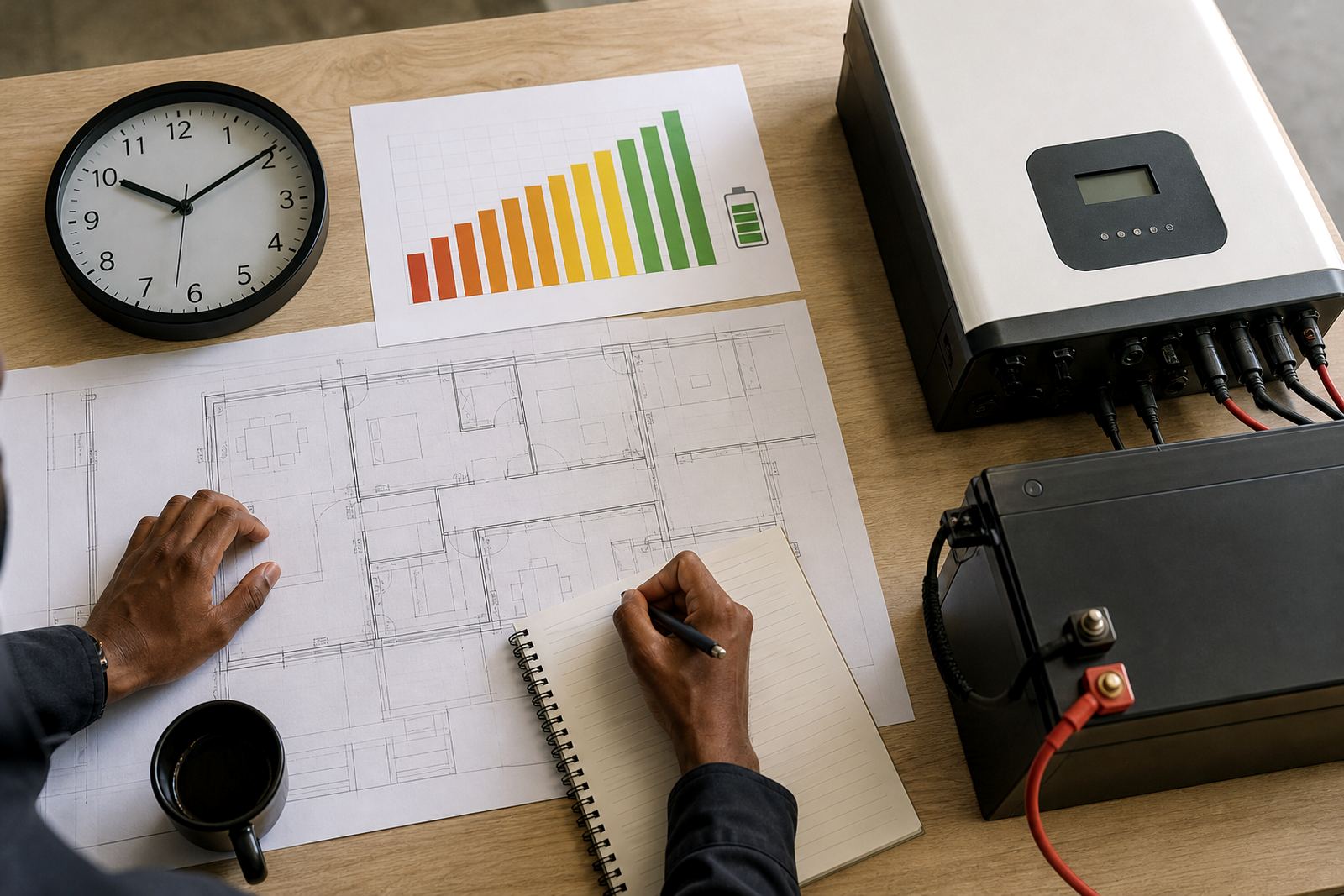
When people ask how long a backup system will last, they are really asking about runtime. That is the usable period before the battery is drawn down to its safe limit and the inverter shuts off or needs a recharge.
For most homes and businesses in Randburg, Sandton, Fourways and the wider Johannesburg area, runtime is not a single fixed number. It changes with the load connected, the state of charge in the battery, and whether the system is being used for lights only or for fridges, routers, gates and work equipment as well.
A small system can keep a few essential circuits going for a fair while. A larger setup can carry heavier loads, but only if the batteries are sized correctly and the wiring is planned for the actual use. That is why backup sizing matters before anything is installed.
The main things that shorten or stretch runtime
Runtime is mostly about energy use. The more power you draw in watts, the quicker the battery empties. A compact inverter with one lithium battery can run essentials well, but once kettles, microwaves or heaters are added the runtime drops fast.
- Battery capacity: Measured in kilowatt hours, this is the amount of stored energy available for use.
- Load size: The total power being used at one time across all connected appliances.
- Inverter efficiency: Some energy is lost during conversion, so the available runtime is always a bit less than the raw battery figure.
- Depth of discharge: Lithium batteries can usually be used more deeply than older battery types, but they still need sensible limits.
- Battery age and temperature: Heat, poor ventilation and repeated heavy cycling can affect performance over time.
In coastal or humid conditions the equipment also needs proper placement and clean, dry cable routes. In Gauteng, dust and heat in roof spaces or garages can also affect long term reliability if the system is poorly installed.
Share what must stay on during an outage and the size of the property, and a backup planner will phone or message you.
Contact formWhy inverter size is only part of the answer
It is easy to look at inverter size and assume that bigger means longer runtime. That is not always true. The inverter must match the loads you want to carry, but the battery bank is what really determines how long those loads can stay on.
A 5kVA inverter with a small battery will not run a house for long. A smaller inverter paired with enough battery storage may keep the essentials going for a better period if the loads are light. The key is matching the system to the way the property is used, not just the biggest appliance on the premises.
For businesses in Midrand or Pretoria, the critical loads are often different from those in a family home. A server, point of sale unit, security system and a few lights may matter more than general plug points. In a home in Roodepoort or Centurion, the priority may be the fridge, Wi-Fi, alarms and a few lights after dark.
A practical way to think about backup sizing
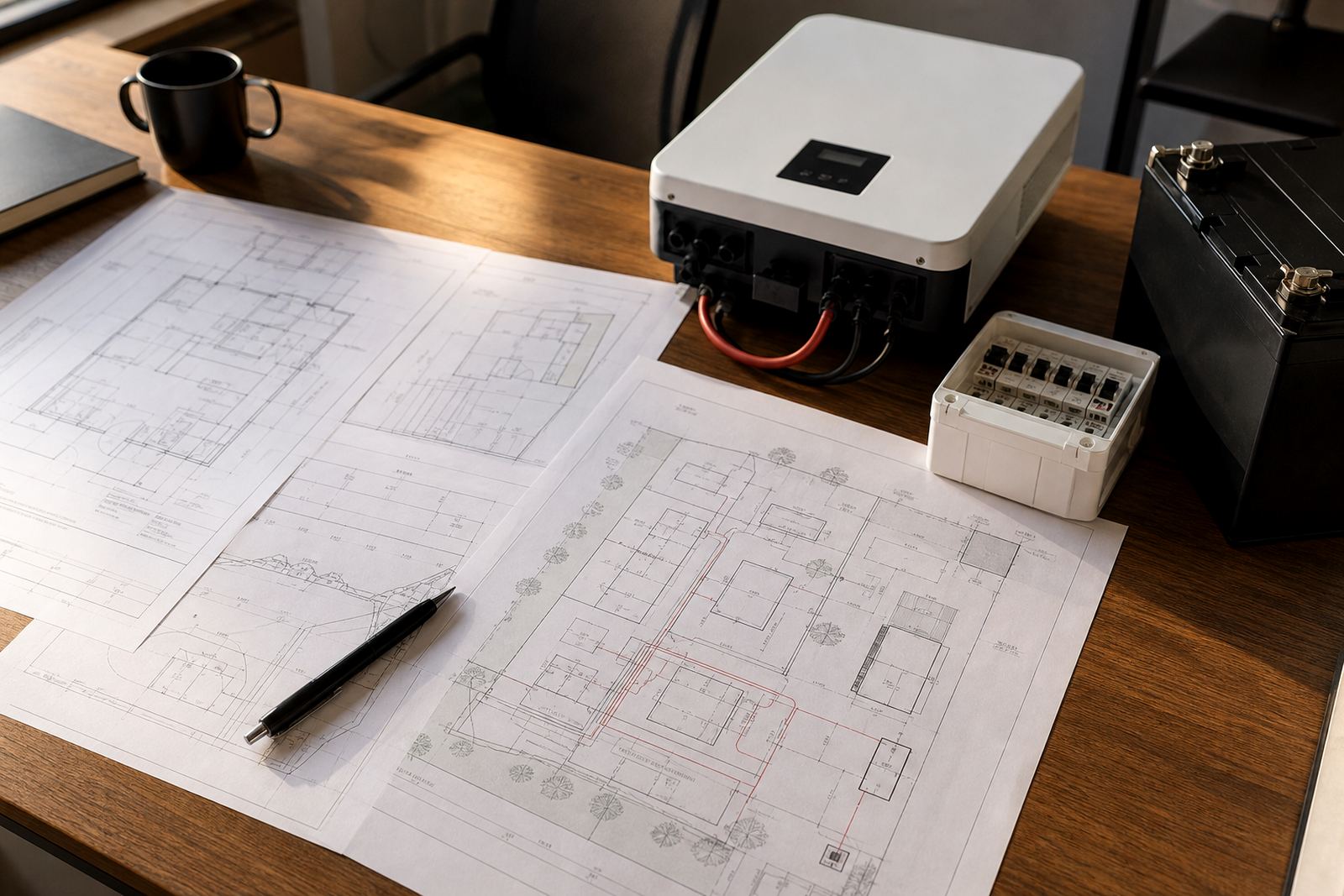
A better place to begin is with one simple question: what needs to stay on during an outage, and for how long? Once that list is clear, an electrician or technical adviser can calculate the likely demand and choose a suitable inverter and battery arrangement.
At PowerCut, site assessments and backup sizing are used to separate essential circuits from non-essential ones. That helps avoid overspending on battery capacity you may not need, while also preventing disappointment when the first outage arrives and the system runs out sooner than expected.
- List the essentials first, such as lights, Wi-Fi, alarm, gate motor or a fridge.
- Check whether the system needs to carry a home office or business equipment.
- Decide how many hours of cover are needed for typical load-shedding slots.
- Allow for future battery expansion if demand may increase later.
- Make sure the cabling and changeover method suit the property layout.
A small mistake at this stage can mean the system looks fine on paper but struggles in real use. That is why practical sizing is more important than guesswork.
What a local example looks like in real life
Take a double-storey home in Sandton with a fridge, fibre router, a few lights and a gate motor. If the family only wants the basics, the system can be planned for those circuits alone, giving a reasonable runtime without trying to power the whole house.
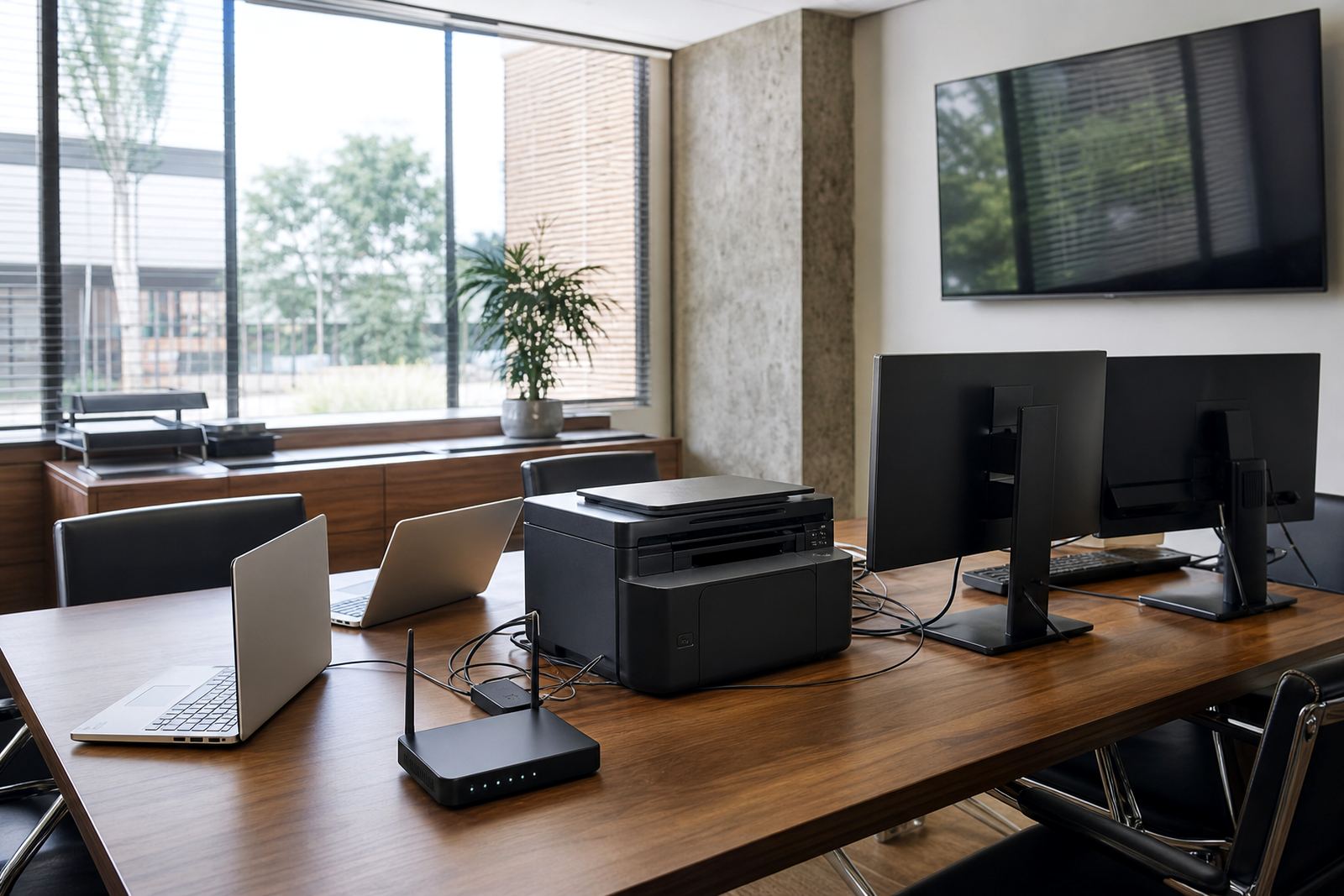
Now compare that with a small office in Johannesburg that needs computers, networking gear, lights and a printer during business hours. The office will need a different setup because the loads are higher and the uptime expectations are stricter. A battery system that works well for a home may be too small for that office unless it is expanded properly.
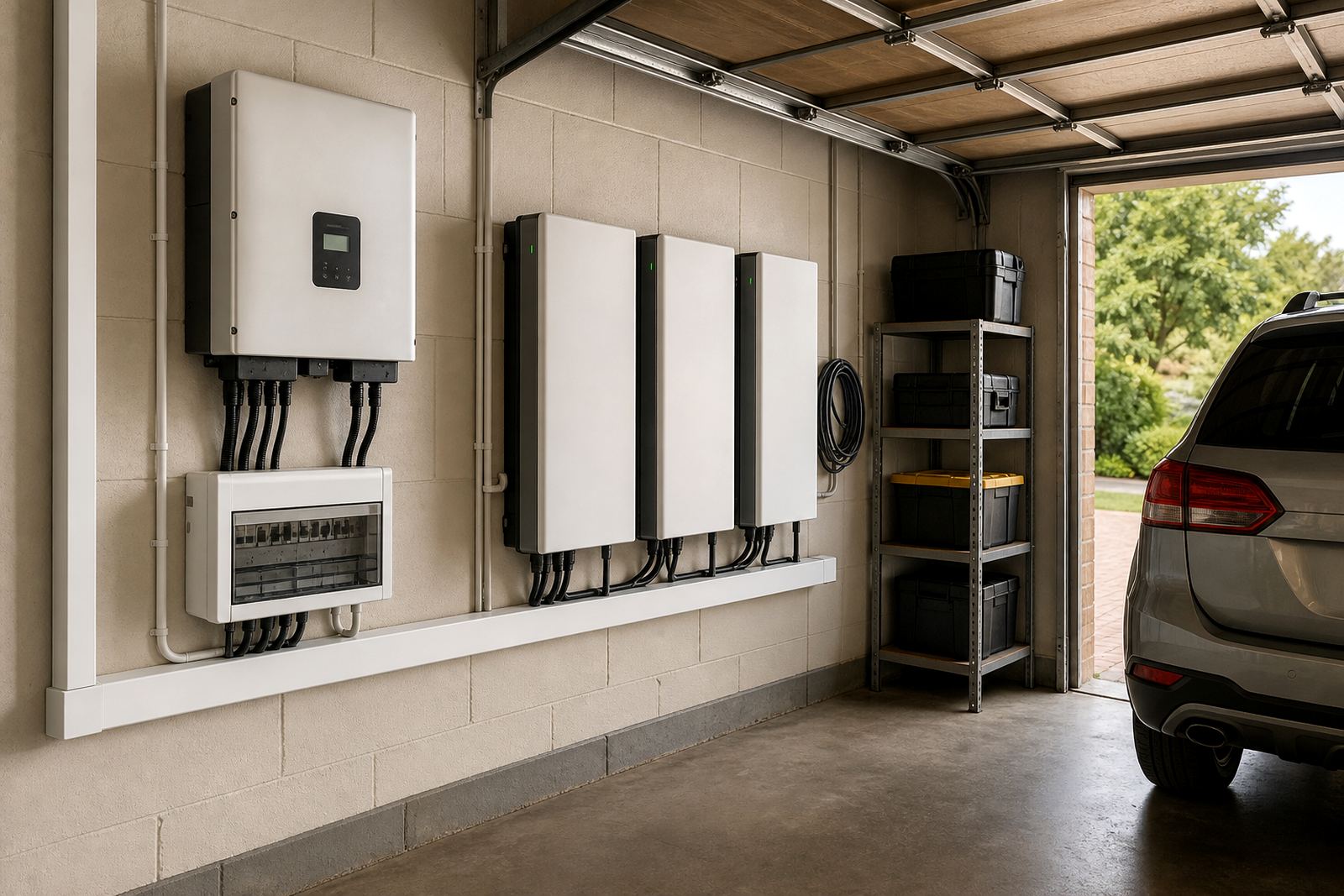
That difference is why local conditions matter. A business in Fourways or Midrand may have shared parking, security rules and limited space for equipment. A home in Randburg may need a neat wall mounted setup near the main distribution board. The right runtime comes from matching the equipment to the site, not forcing one standard solution everywhere.
Installation, compliance and registration requirements
Any inverter and lithium battery installation must be carried out by a registered electrician. Once the work is done, a certificate of compliance is needed for the electrical installation. That is not optional, and it applies whether the system is for a house or a business.
If the system is grid-tied, municipal registration is also required. Different municipalities around Gauteng may have their own rules for connection, documentation and inspection. It is worth dealing with that early so the system does not end up delayed or non-compliant.
PowerCut supports compliance work, essential circuit wiring, changeover solutions and system commissioning. Fault checks and routine servicing are also important because a backup system that is never tested can disappoint when the next outage hits.
- Use a registered electrician for the installation.
- Keep the compliance certificate with your property records.
- Register grid-tied systems with the relevant municipality.
- Test the system after installation and after any battery expansion.
Getting longer runtime without oversizing the whole system
Longer runtime does not always mean buying the largest system available. Often it means reducing the load, wiring only the essentials and keeping the batteries in good condition. In many homes and small businesses, that practical approach gives better results than trying to power everything at once.
Simple habits also help. Turn off unused plug loads during outages, avoid high draw appliances on backup power, and keep the battery area cool and clear. If the system is monitored, it becomes easier to spot changes in charge behaviour before they turn into a problem.
For clients across Randburg, Pretoria, Centurion, Midrand and Roodepoort, the best answer usually comes from a proper site assessment. That lets the system be sized around real needs, not assumptions. And when load-shedding changes, the backup can be expanded in a controlled way rather than patched together later.