





How to read these backup stories
Each example focuses on the type of property, the kind of outage problem, and the backup approach that suited the site. You can compare a townhouse in Randburg with a shop in Midrand or a home office in Pretoria without getting distracted by numbers that may not match your own usage.
When you are choosing a system, start with the appliances and circuits that must stay on during load-shedding, then look at how long you need them to run. Inverter capacity, battery size and charging behaviour all matter, especially where outages happen more than once a day or where coastal humidity and heat can affect equipment placement.
Randburg homes needing essential lights and connectivity
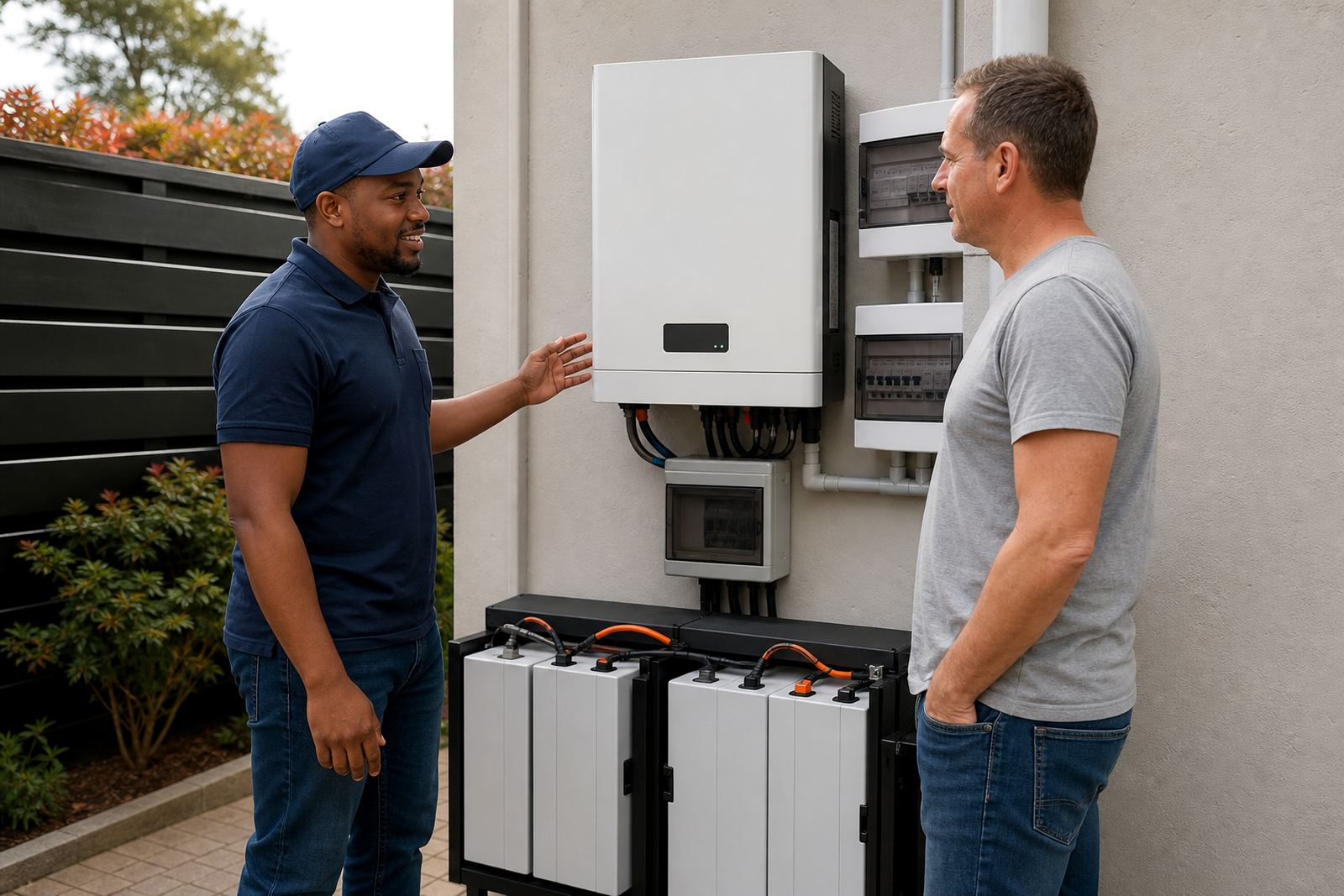
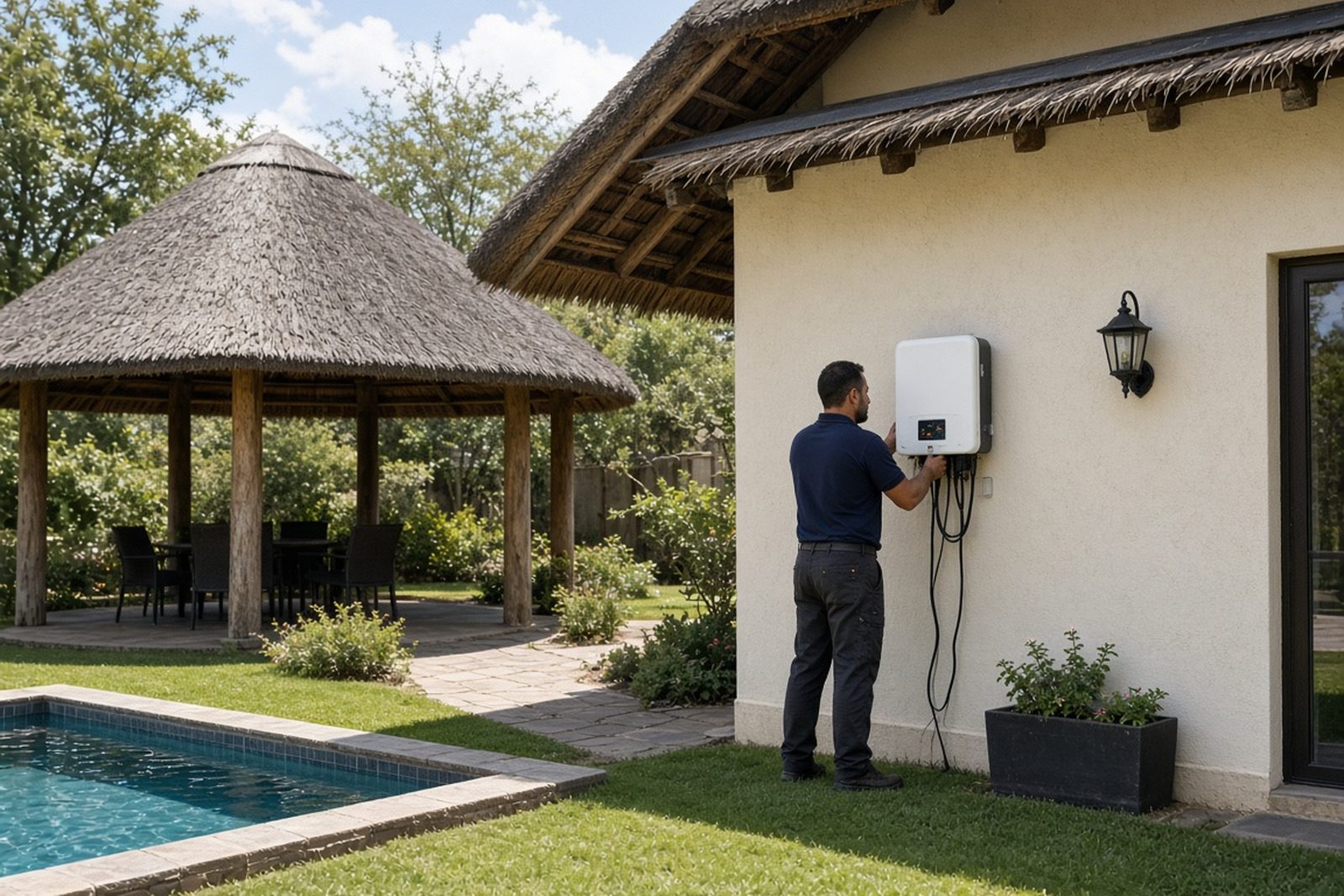
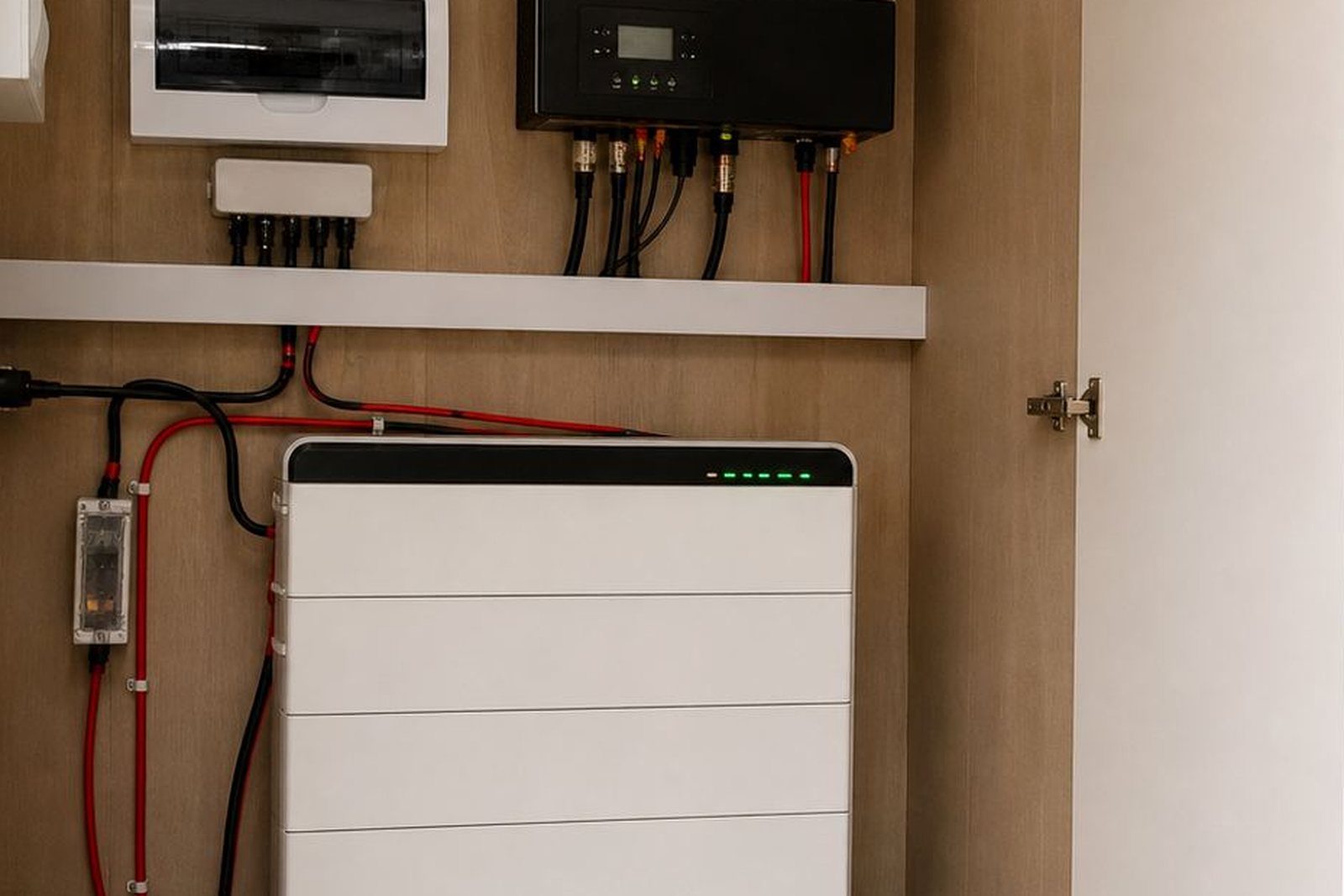
In Randburg, many households ask for a simple backup setup that keeps the basics running. That usually means lights, Wi-Fi, TV points, a few plug circuits and sometimes a gate motor or alarm. The aim is not to power every appliance at once, but to keep daily life moving with less disruption.
- Suitable for flats, cluster homes and free-standing houses
- Best when the load plan is built around essential circuits first
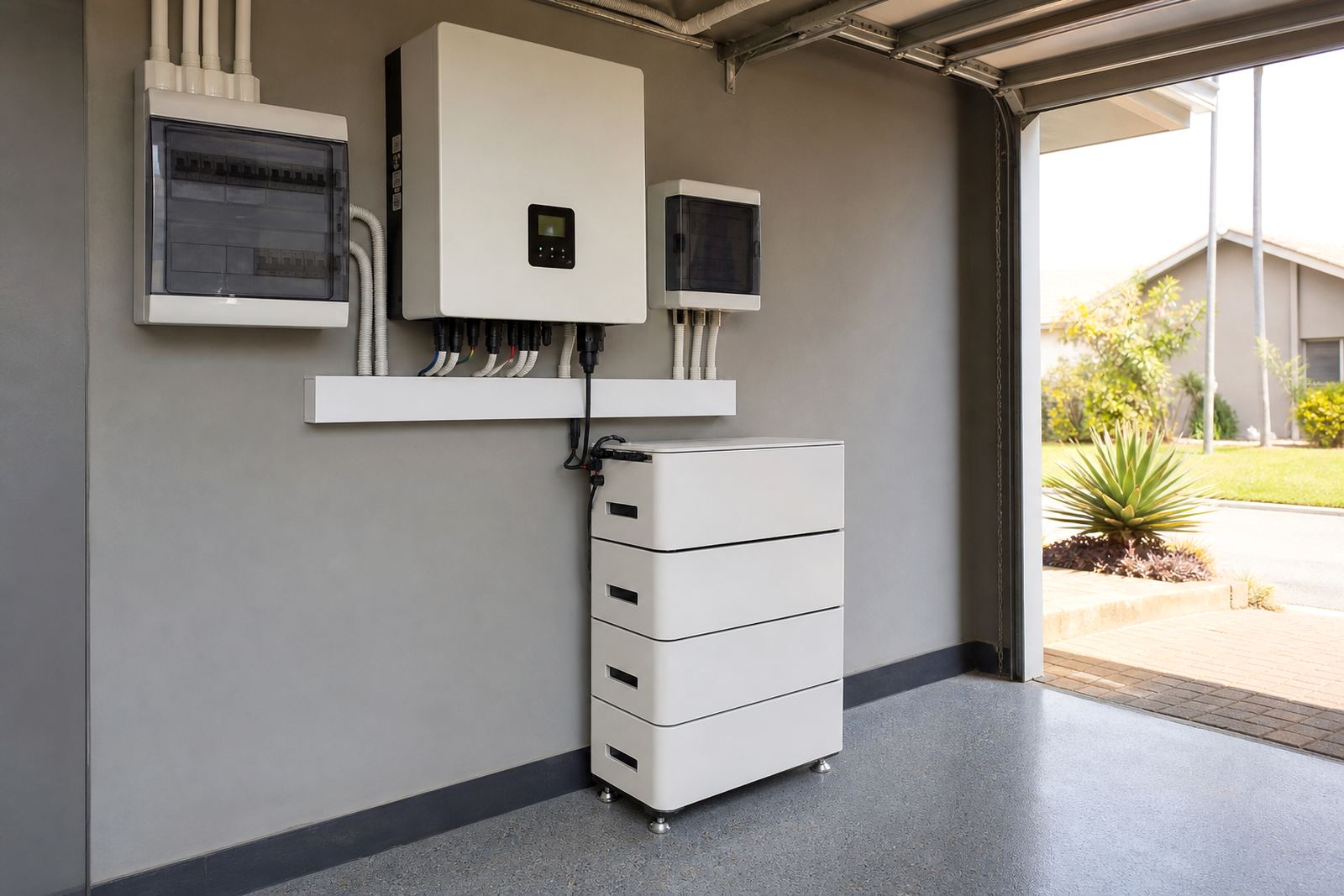
- Often paired with lithium batteries for cleaner day-to-day use
- Needs neat changeover wiring so the backup side is easy to manage
Share what must stay on during an outage and the size of the property, and a backup planner will phone or message you.
Contact formPretoria and Centurion home offices that cannot pause
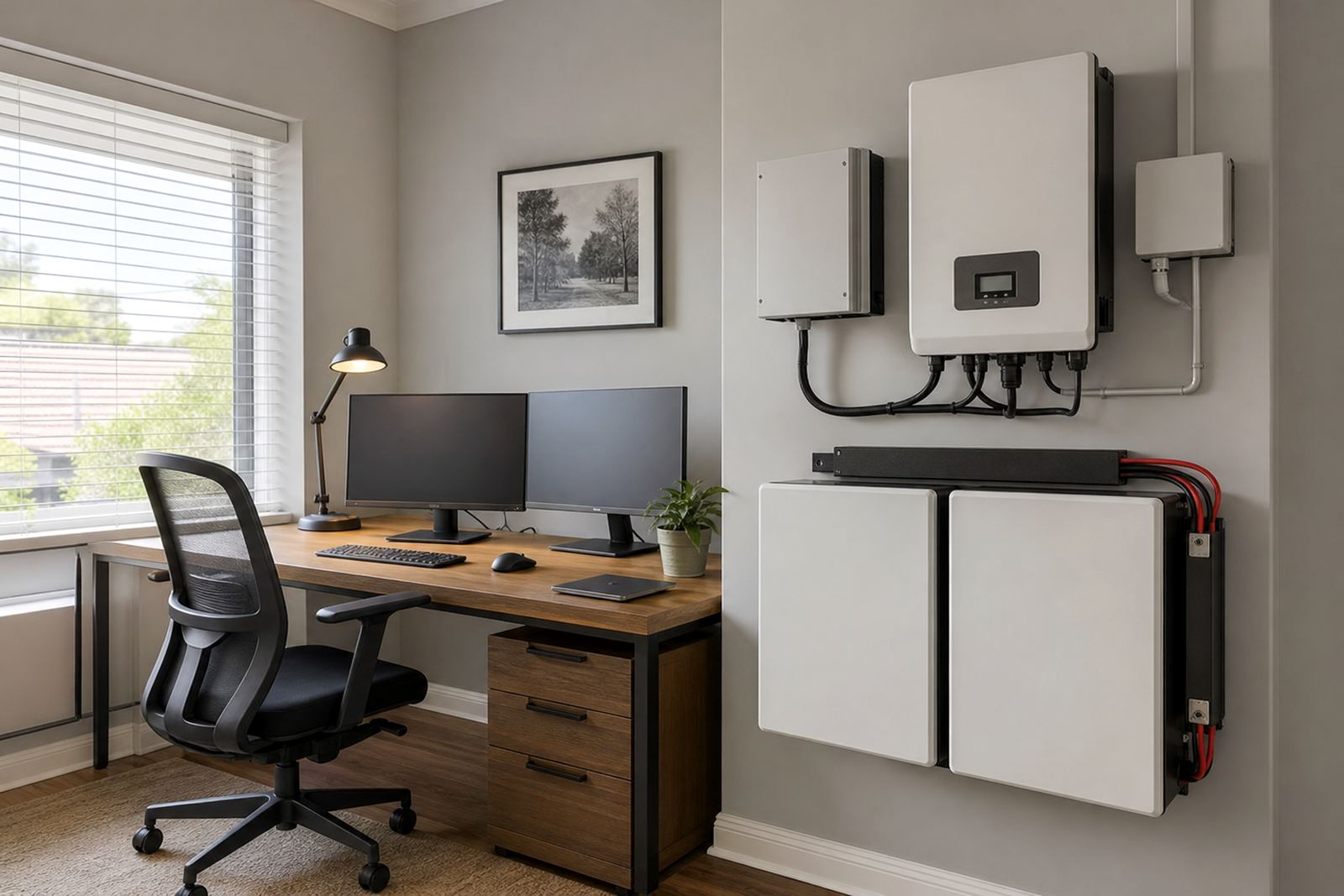
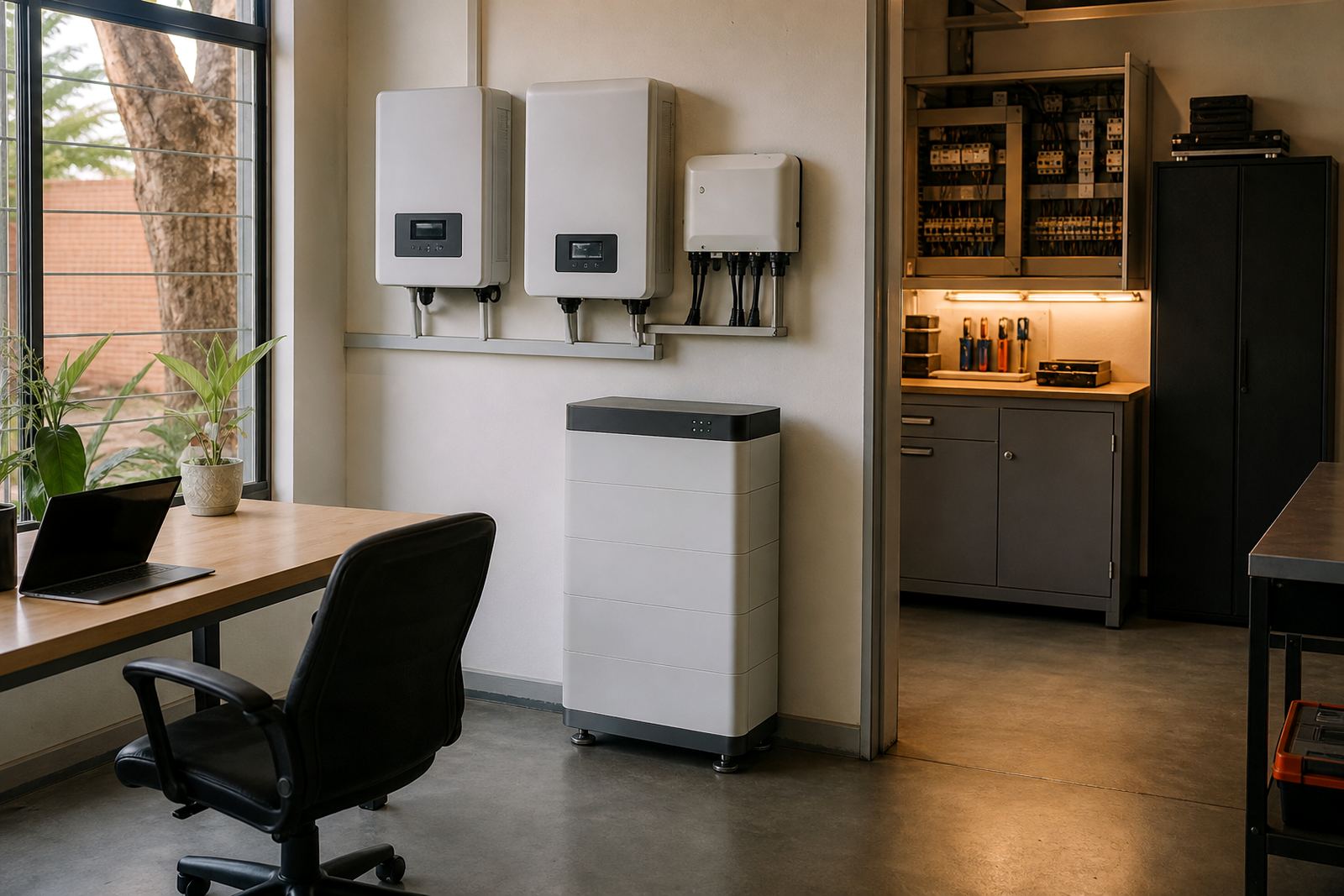
For work-from-home setups in Pretoria and Centurion, the concern is usually not the whole house. It is the router, computer, monitor, printer and a few office lights that must stay on through stage changes and sudden outages. A properly sized inverter with lithium batteries can bridge those gaps without making the setup complicated.
These projects often need a site assessment first, because a home office may share circuits with kitchen plugs or heavy appliances. The answer may be to separate essential loads, then commission the system so it switches cleanly and the battery charging pattern suits the daily routine.
Midrand shops and small business continuity
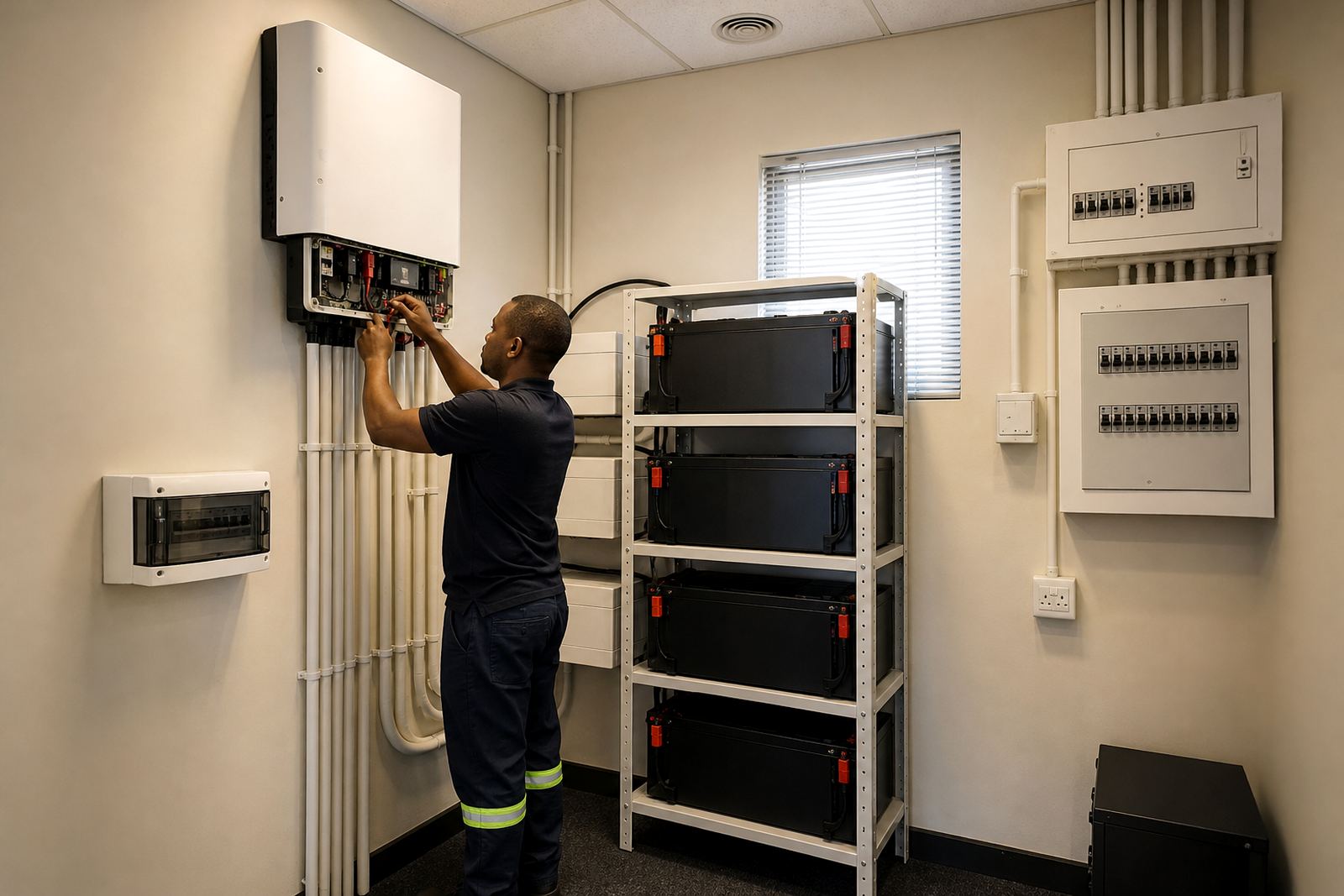
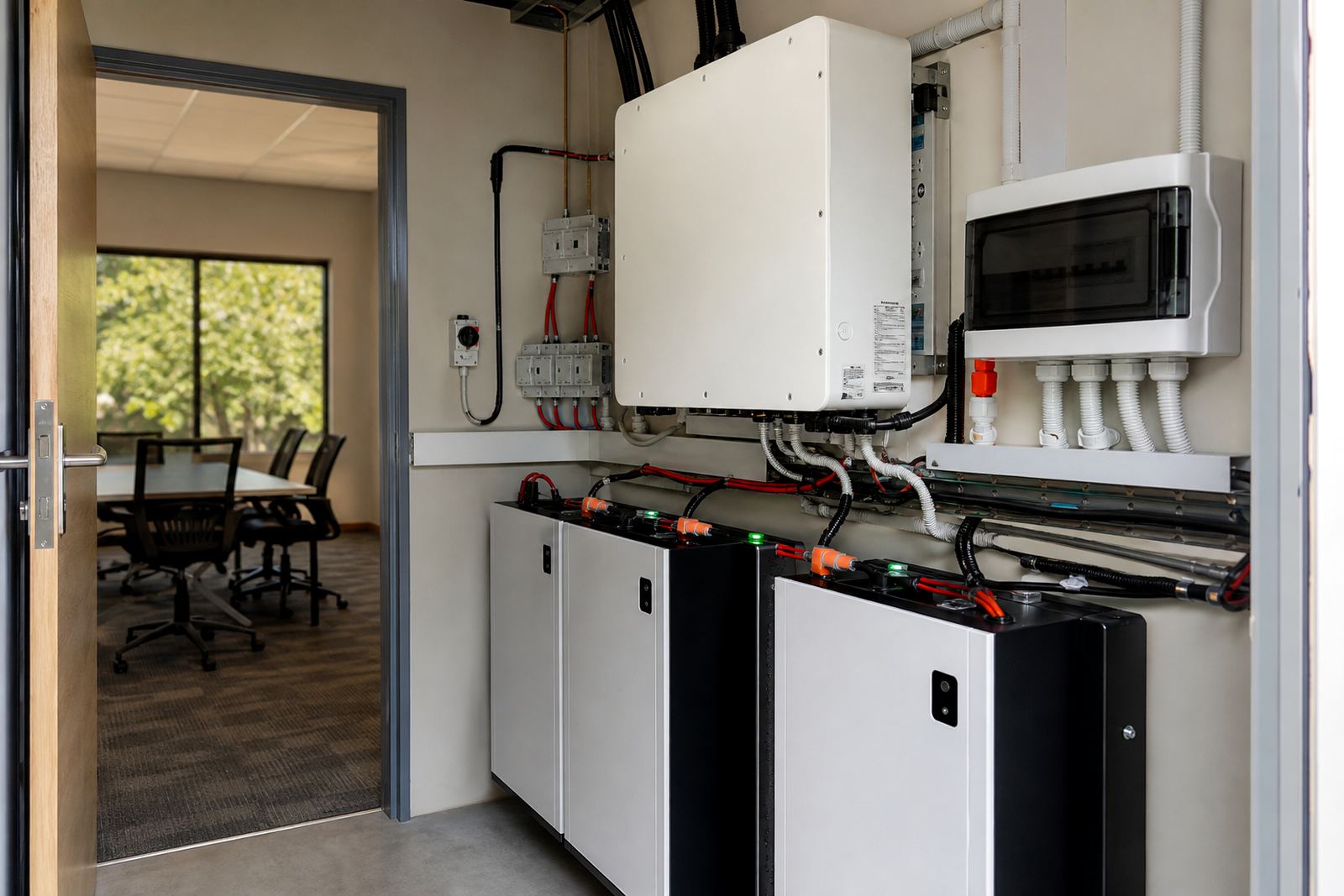
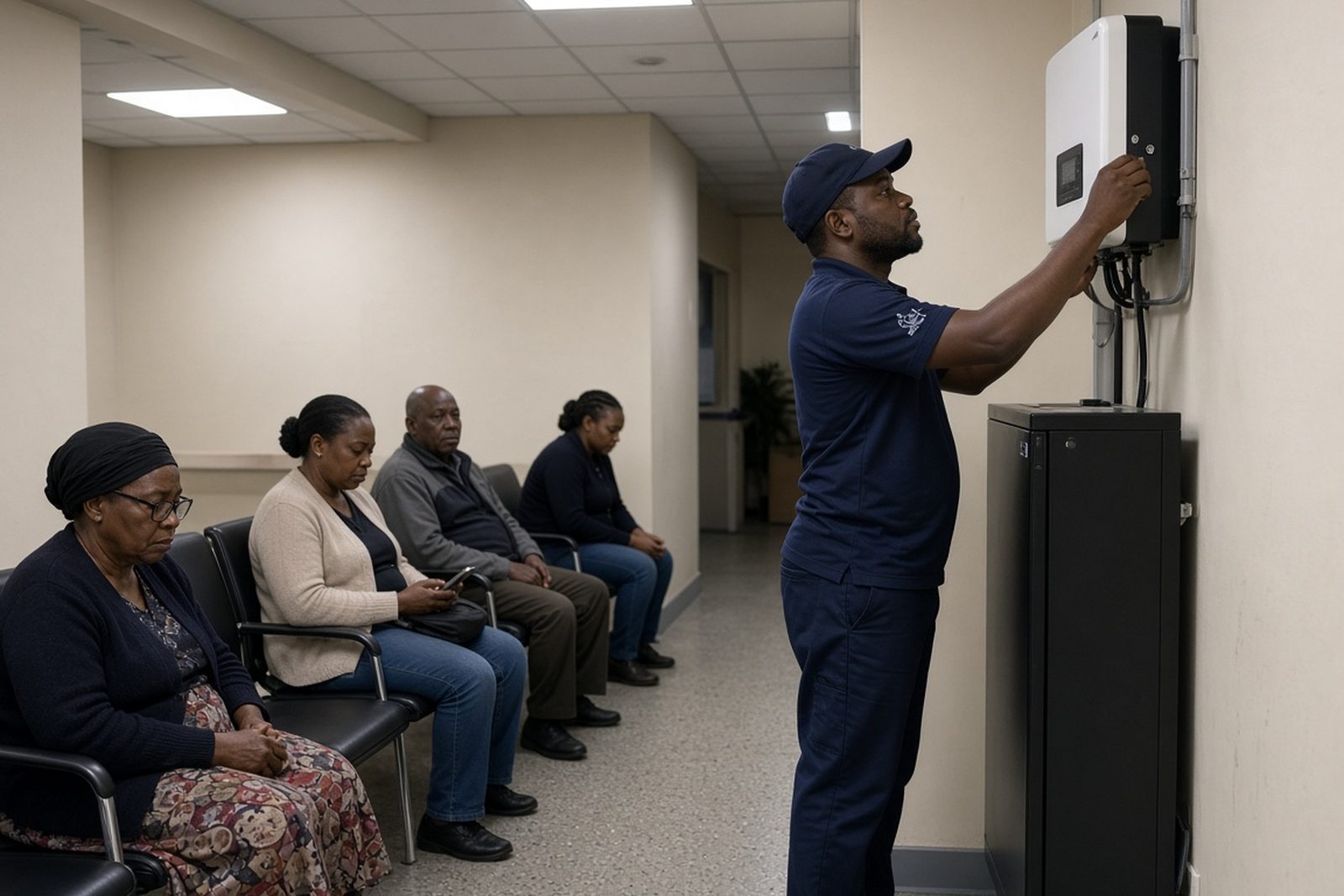
In Midrand, small businesses often need backup for point of sale equipment, network gear, security systems and selected lighting. The correct solution depends on the branch layout and whether the site has regular trading hours or after-hours security needs. In a business setting, the wiring and changeover arrangement must be practical for staff to use under pressure.
- Common priorities include tills, routers, CCTV and alarm panels
- Some sites need battery expansion plans for longer outages
- Routine servicing helps catch loose connections and faults early
- Commissioning should confirm that the changeover works as intended
Roodepoort and Sandton upgrades from basic to better sized systems
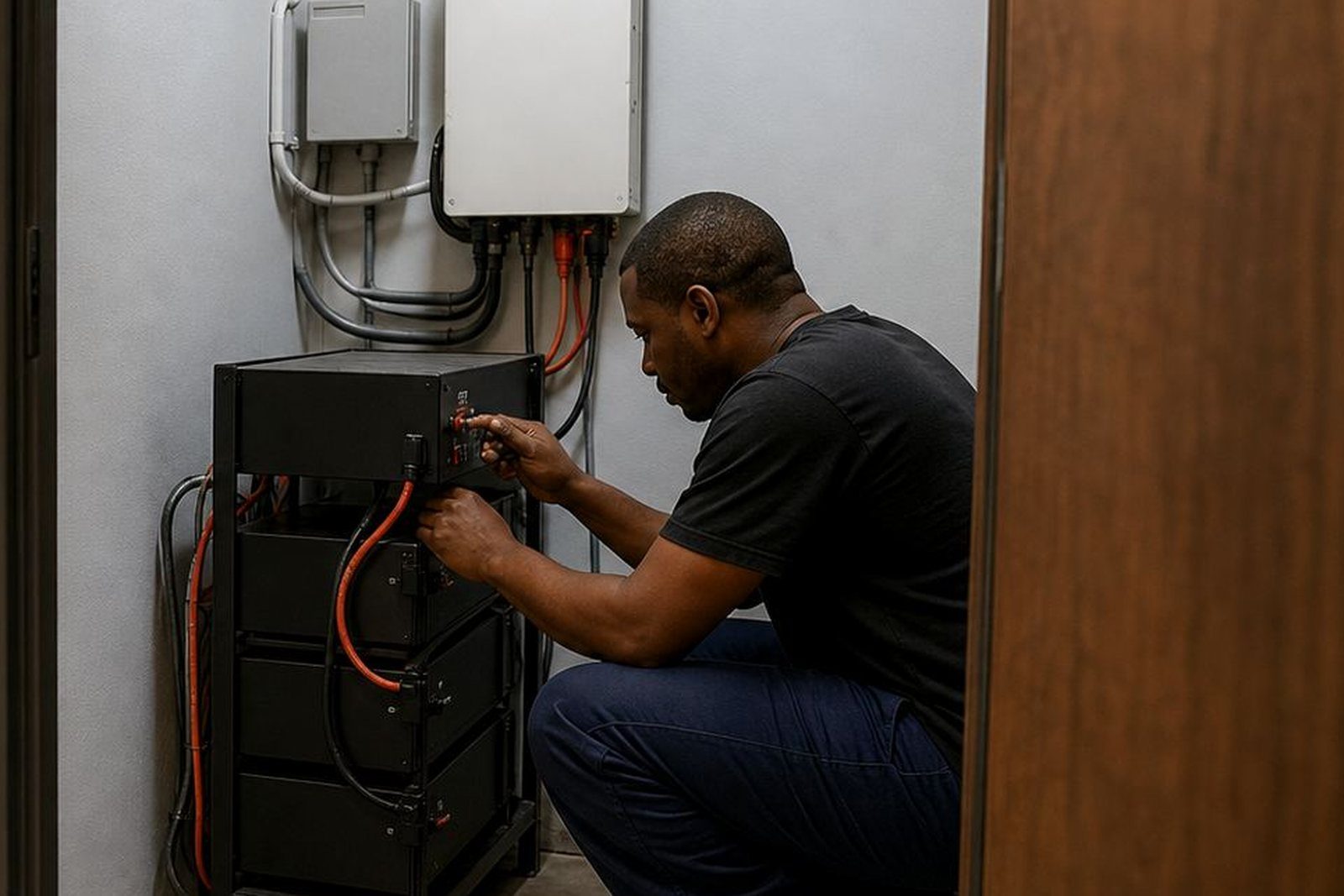
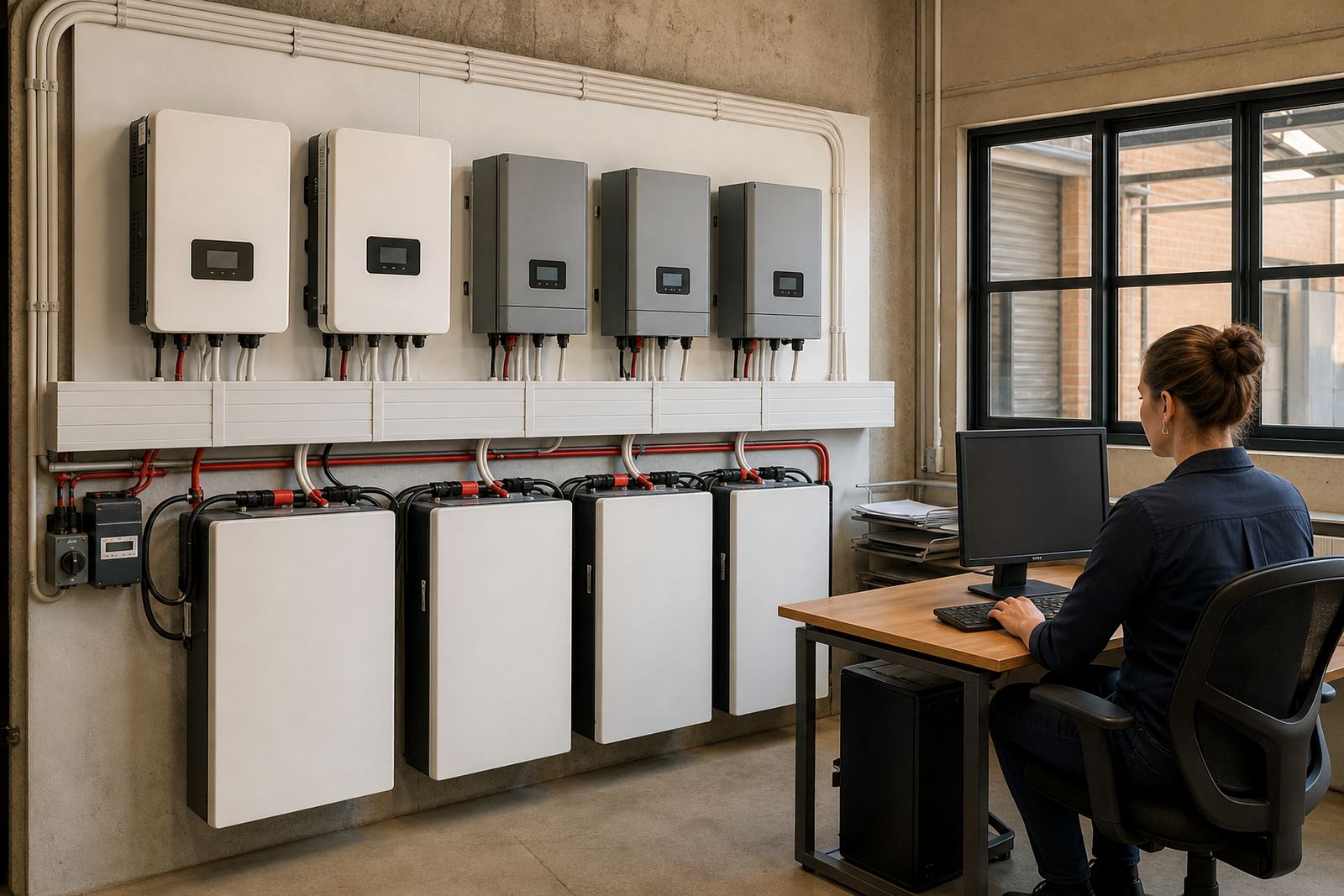
Some customers start with a modest backup and then add more battery storage later. That is common in Roodepoort and Sandton where power needs often grow after the first few months. A battery expansion should still match the inverter, cabling and protection devices, otherwise the extra storage will not perform properly.
These stories usually involve a follow-up visit, a fault check, or a rework of the essential circuit wiring. The point is to keep the system aligned with the household or business load, not to overload it and hope for the best. A little planning upfront saves a lot of frustration later.
Fourways and Johannesburg North for mixed-use properties
Mixed-use properties need careful backup sizing because the same building may serve family life, remote work and security systems at once. In Fourways and other parts of Johannesburg North, a single property may need different circuits treated differently, especially where air conditioning, pumps or kitchen appliances are involved.
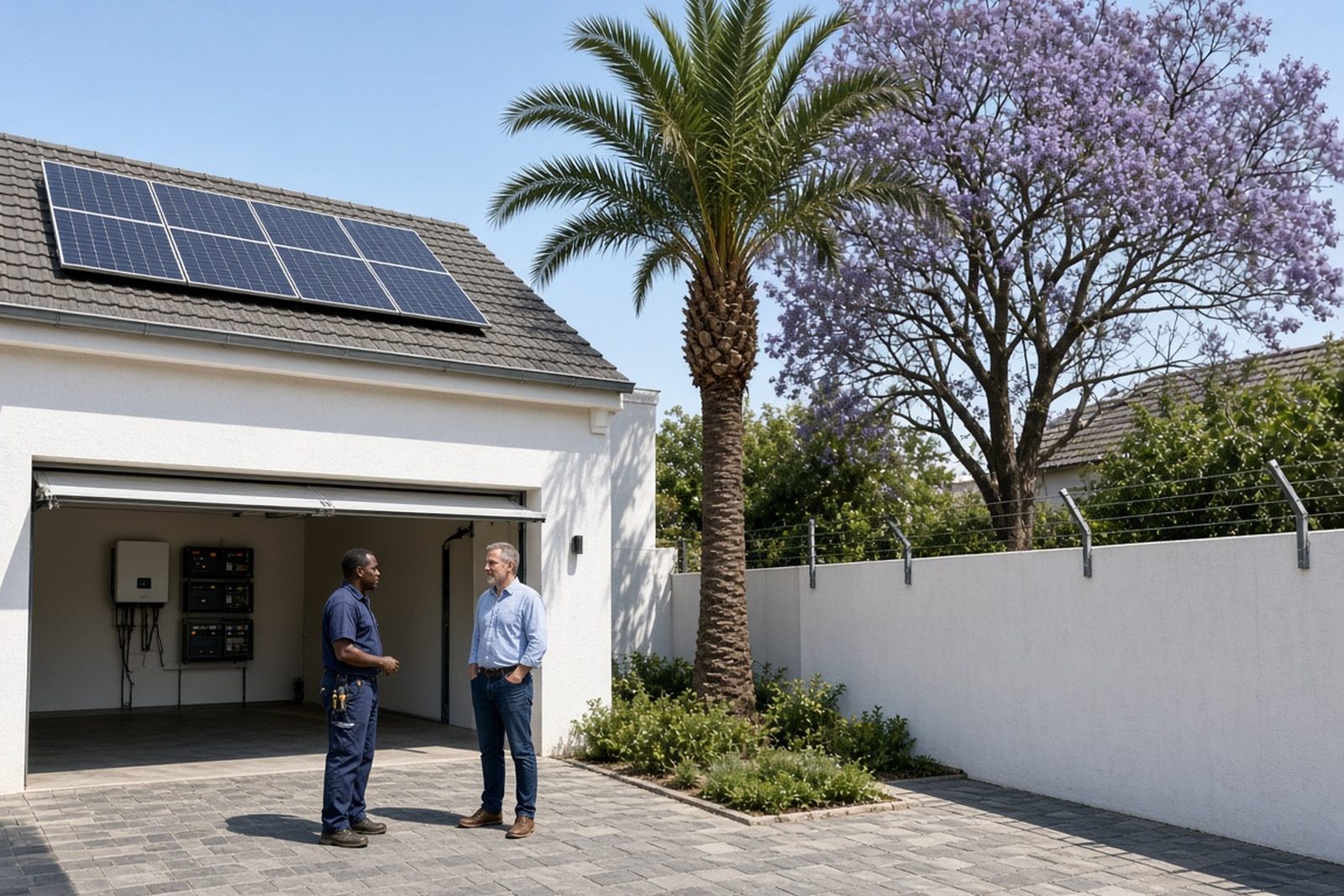
That is where a proper site assessment matters. It helps identify what should stay on, what can be left off, and whether the system needs a changeover solution or a more complete split of loads. It also helps the installer plan for safe battery placement, ventilation and access for future servicing.
What these stories usually have in common
Although each property is different, the practical steps are often the same. The right sizing starts with usage, the installation must be done by a registered electrician, and the job must finish with the correct certificate of compliance. If the system is grid-tied, municipal registration is also needed.
- Assess the site before choosing inverter and battery size
- Wire only the essential circuits that matter during outages
- Commission the system so switchover and charging are checked properly
- Keep records for compliance and future servicing
For homes and businesses across Gauteng, these stories are a useful way to see how a backup plan can be shaped around real conditions, not assumptions.