Why surge protection is part of a proper backup plan
When people think about backup power they usually focus on the inverter and lithium battery size, but the wiring around the system matters just as much. Surge protection helps limit sudden voltage spikes that can travel through the supply line or be created when power returns after an outage. Those spikes may be brief, but they can stress electronics, damage control boards and shorten the useful life of connected equipment.
In homes and business premises across Johannesburg, Pretoria and Midrand, the risk is not only load-shedding. Storm activity, network switching and faults on the municipal supply can all create unstable conditions. A properly selected surge protection device gives your installation a better chance of handling those events without unnecessary damage. It is a practical layer of defence, not a luxury add-on.
What surge protection actually does in a backup installation
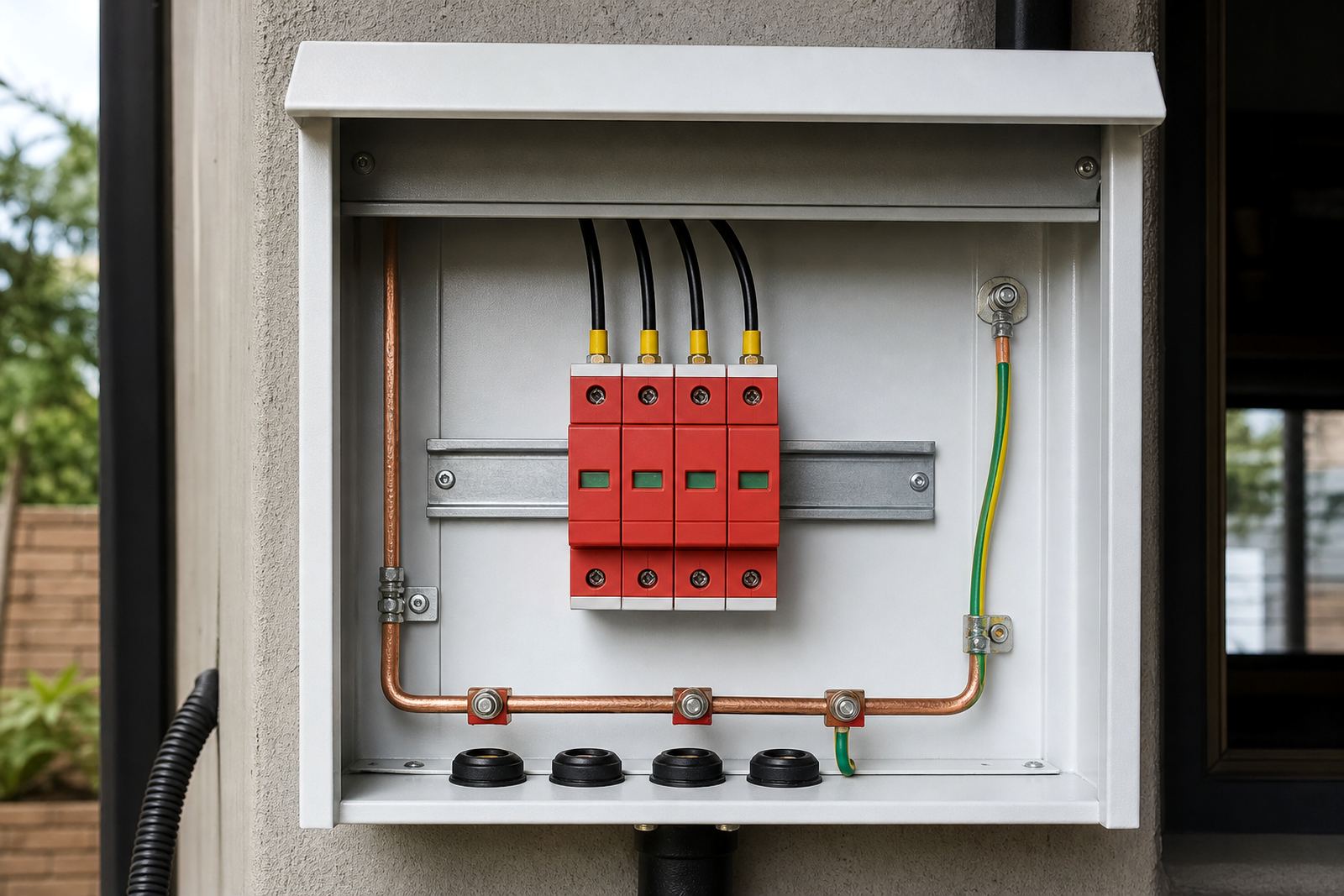
Surge protection does not create extra power and it does not keep the lights on by itself. Its job is to divert excess energy away from the circuits that feed your inverter, battery charger and essential loads. In simple terms, it acts like a pressure release point when the incoming supply becomes too aggressive for the equipment downstream.
That becomes especially important in installations with:
- Inverters feeding essential circuits such as lighting, Wi-Fi, gate motors and alarms
- Lithium batteries with sensitive battery management systems
- Fridges, routers, TVs and computer equipment that can be damaged by voltage spikes
- Commercial premises using point of sale systems, access control or network gear
It is also worth noting that surge protection needs to be selected for the actual setup, not just added anywhere in the board. Good placement and correct earthing are part of the protection strategy.
Share what must stay on during an outage and the size of the property, and a backup planner will phone or message you.
Contact formWhere surge events come from in Gauteng homes and businesses
Many people assume surge protection is only needed in storm season, but local power conditions create risk all year round. In areas such as Sandton, Fourways and Roodepoort, switching between municipal supply, backup power and restored supply can create sharp electrical changes. If the installation is not designed well, those changes can travel into the protected side of the system.
Some common causes include:
- Power returning after load-shedding or a local outage
- Faults on the utility side of the network
- Large motors starting up in nearby buildings
- Lightning activity in summer, especially where overhead lines are involved
- Loose connections, poor earthing or worn-out components
In coastal or high-humidity areas the issue can be worse over time because moisture can affect fittings and terminations. Even inland, dust and ageing distribution boards can create problems. That is why a quick visual check is not enough, the whole installation needs to be considered.
How surge protection fits with inverter and lithium battery sizing
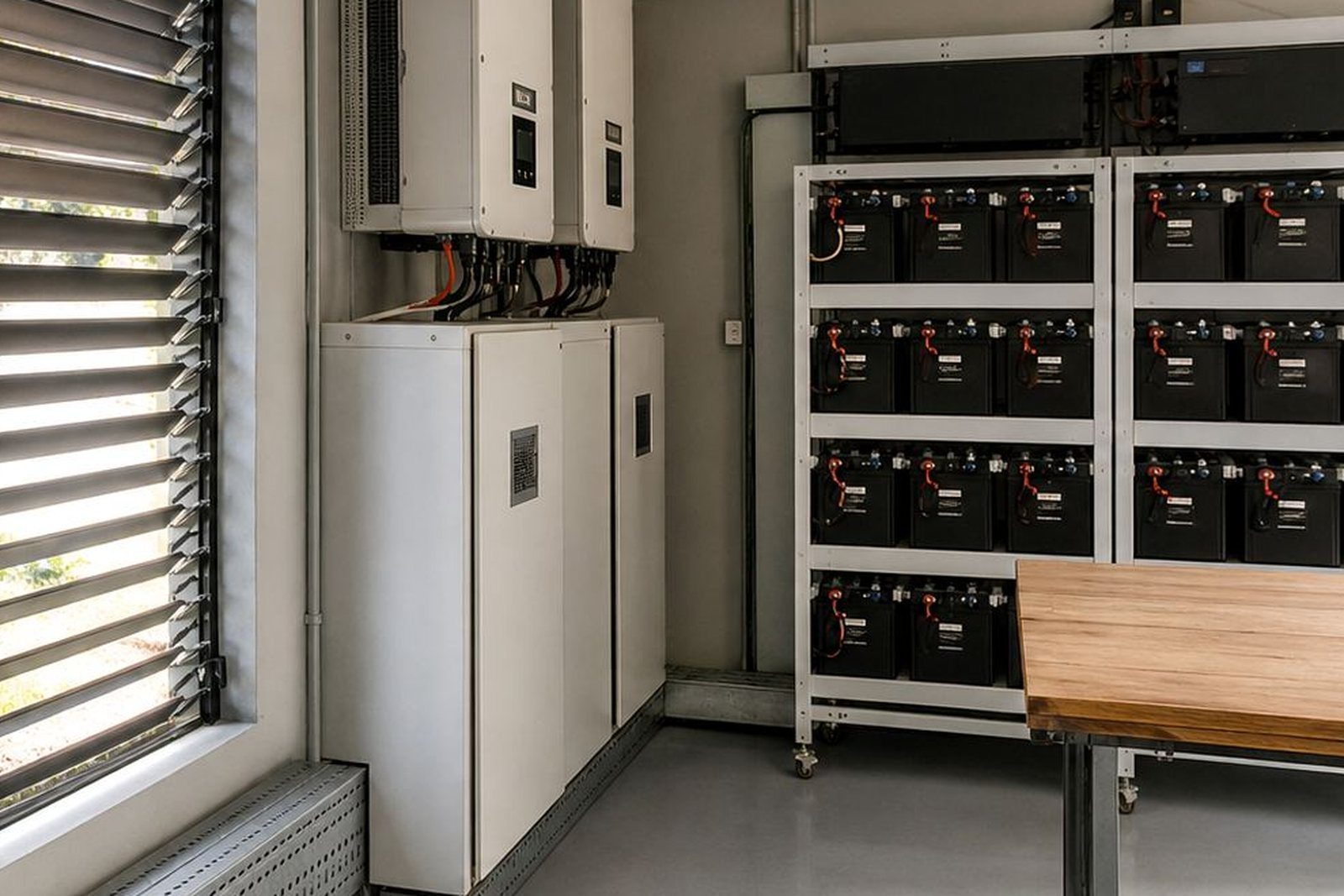
Backup sizing is usually discussed in terms of how many appliances you want to run and how long the battery should last, but surge protection supports that design by protecting the hardware that makes it all work. If a surge damages the inverter or a battery circuit board, the entire backup plan is interrupted.
A sensible installation approach looks at the full picture:
- Size the inverter for the essential load and starting surges from appliances
- Select lithium batteries based on usable capacity and required runtime
- Protect the incoming supply and the essential load side with the right devices
- Check earthing, bonding and cable routing before commissioning
For example, a small office in Randburg with computers, routers and a few workstations may need different protection to a retail site in Centurion with tills, cameras and refrigeration. The surge protection should match the equipment, the board layout and the way the building is used. A one-size-fits-all approach usually leads to trouble later.
Why compliance matters as much as the equipment itself
Backup installations are electrical work, so they must be done by a registered electrician and completed with a Certificate of Compliance. That is not just paperwork. It confirms that the installation has been carried out in line with the relevant electrical rules and that the system is safe to use. Grid-tied systems also need municipal registration, which is something many owners forget until they try to formalise the installation later.
Surge protection is part of that compliance picture because it is tied to board layout, protection devices and earthing. If the protection is fitted incorrectly it may not operate when needed, or it may create nuisance tripping. In a business environment that can mean unnecessary downtime, and in a home it can mean damaged appliances and avoidable repair costs.
For landlords, body corporates and commercial owners the practical benefit is simple: a compliant installation is easier to inspect, maintain and hand over. It also makes future battery expansion or inverter changes less complicated.
Out on a job: A Randburg installation
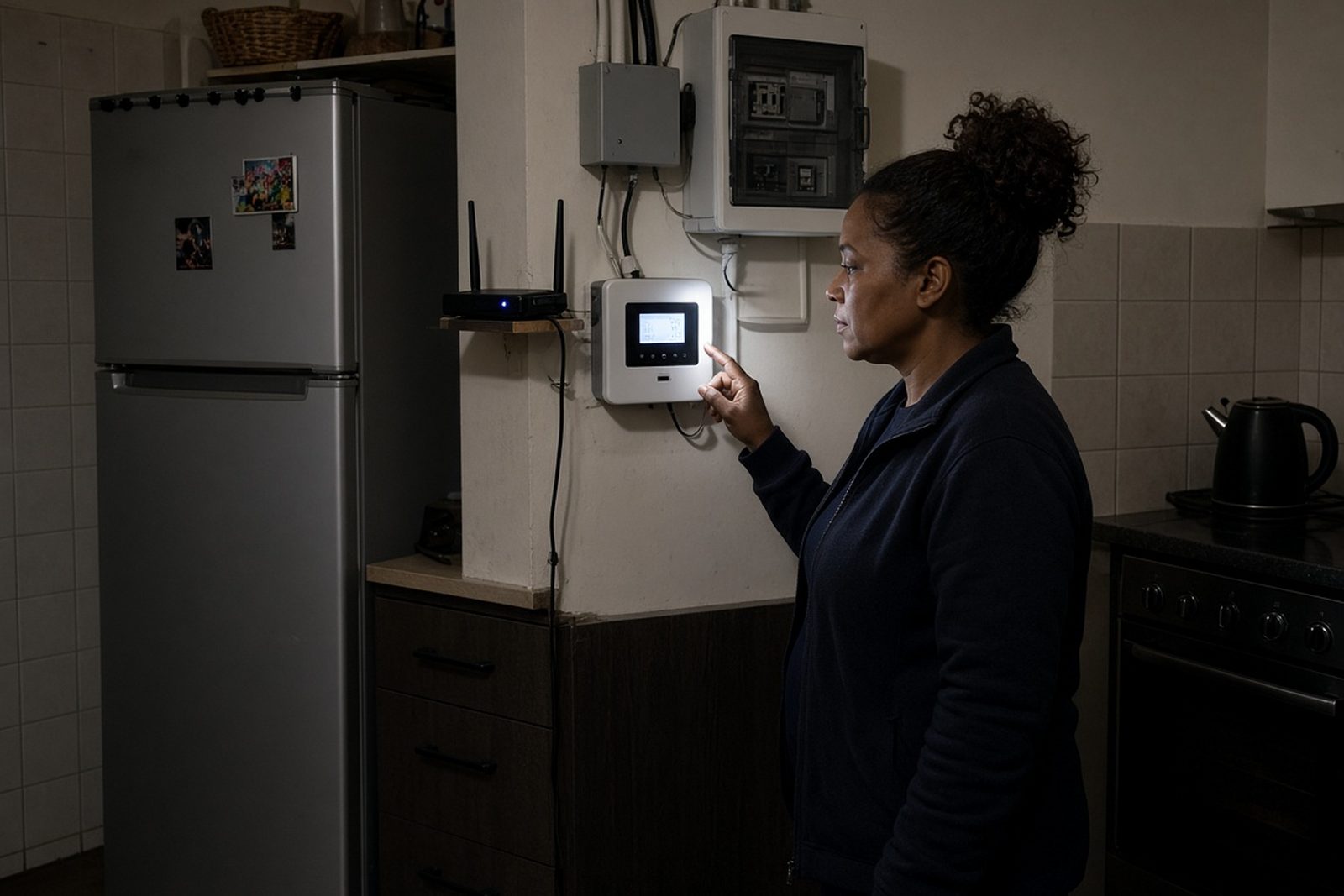
A common local scenario is a family home in Randburg with a single-phase inverter, lithium battery backup and a few essential circuits. During repeated load-shedding the homeowner notices that the system works well, but after power restoration a connected decoder and router start acting erratically. In many cases the cause is not the battery, it is the sudden change in supply quality when the grid returns.
After checking the board, the earthing and the circuit arrangement, the installer may add or upgrade surge protection on the supply side and confirm the load side arrangement. That kind of adjustment can help protect the equipment that is most likely to be affected by electrical spikes. It is a small change compared with replacing damaged electronics later.
For a commercial site the stakes are often higher. A boardroom, till point or security system can be knocked out by a single voltage spike. That is why surge protection is often included from the start, not added only after a fault has already happened.
What to ask before approving a backup installation
Before signing off on any inverter or battery work, it helps to ask a few direct questions. You do not need to know the technical details yourself, but you should know what protection is included and why.
- Where will the surge protection be fitted in the system?
- Is the earthing and bonding arrangement suitable for the site?
- Will the setup be commissioned and tested after installation?
- Does the installation require municipal registration because it is grid-tied?
- Will you receive a Certificate of Compliance on completion?
These questions help separate a proper backup installation from a quick fix. If you are comparing options in Johannesburg, Pretoria, Centurion, Midrand or Roodepoort, it is worth choosing a team that can explain the protection side as clearly as the power side.