

How to choose the right backup setup
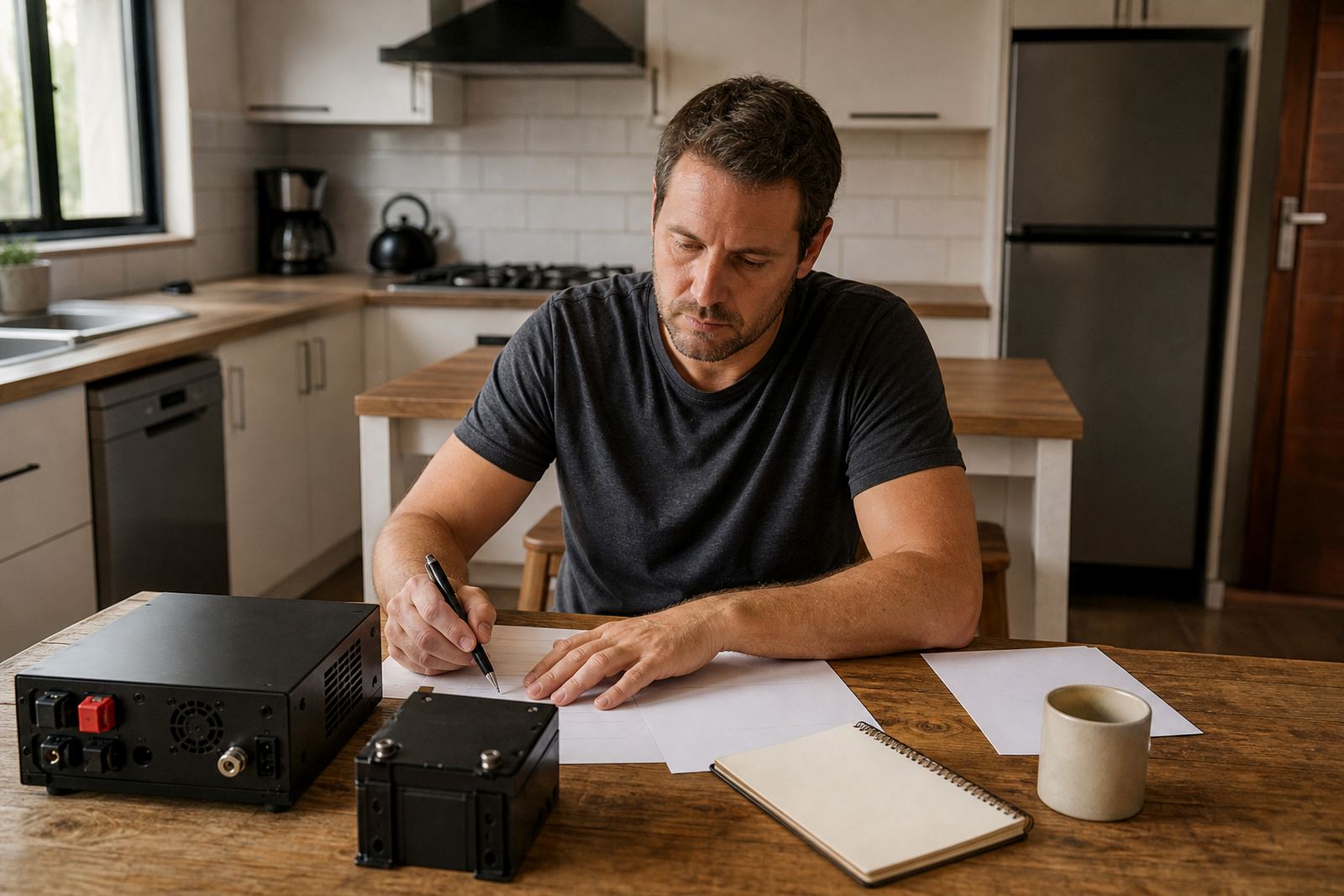
Every property uses power differently, so the right backup solution starts with the loads you want to keep running. A small home setup may only cover lights, Wi-Fi, TV and a few plugs, while a business might need computers, gates, point of sale equipment or a small server room. We look at what must stay on during load-shedding, what can be left off, and how long you need backup for.
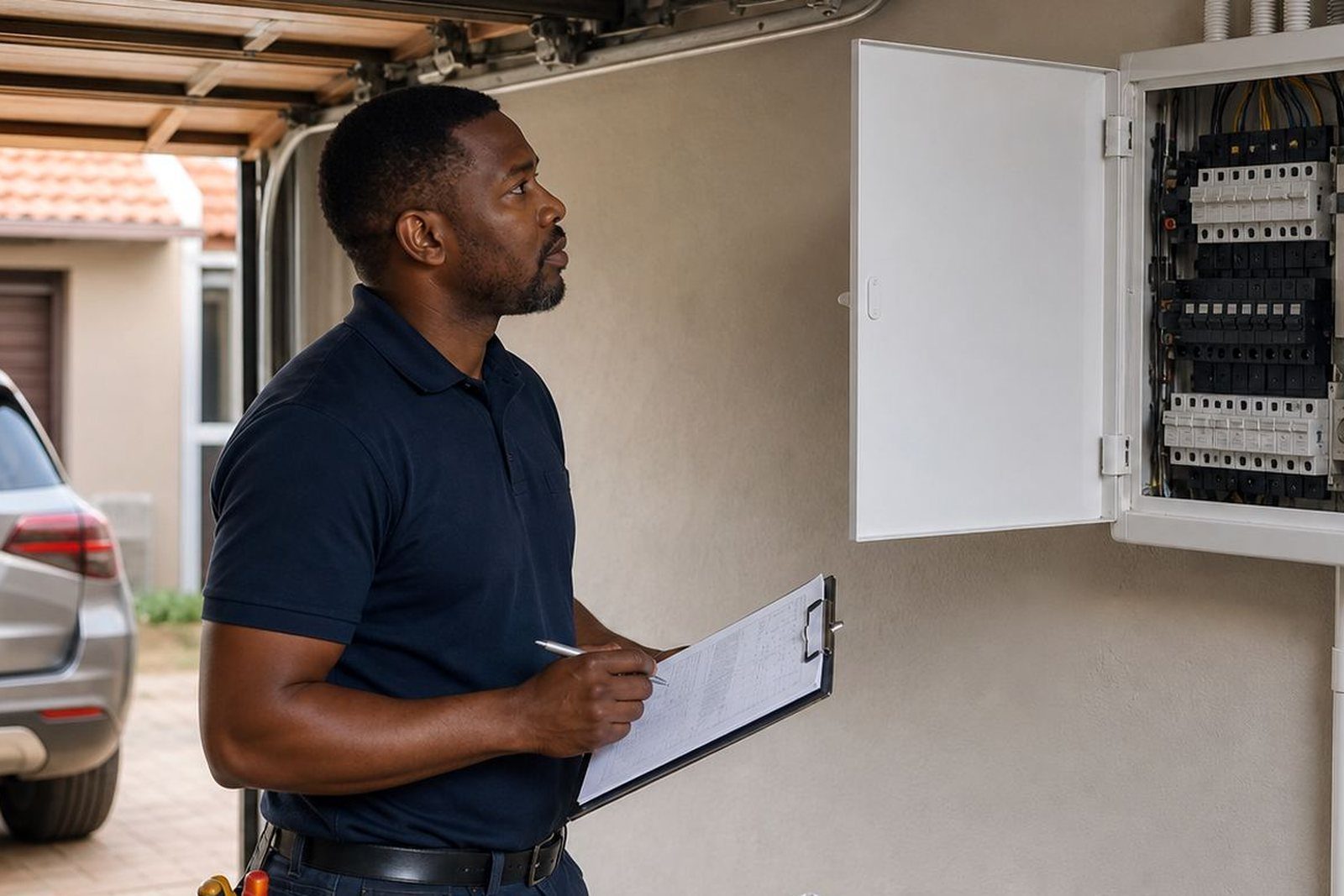
Backup sizing usually begins with a site assessment and a list of essential circuits. The battery bank and inverter must match the real demand, not just the idea of covering everything. In Randburg, Sandton and Fourways we often see properties with mixed loads and older wiring, so the first step is to separate the critical circuits properly.
- Homes with basic essentials often need a smaller inverter and battery bank
- Offices and retail spaces may need more battery capacity for longer outages
- Motor loads, pumps and aircons need careful checking before connection
- Good sizing helps avoid nuisance tripping and early battery wear
What happens during an installation
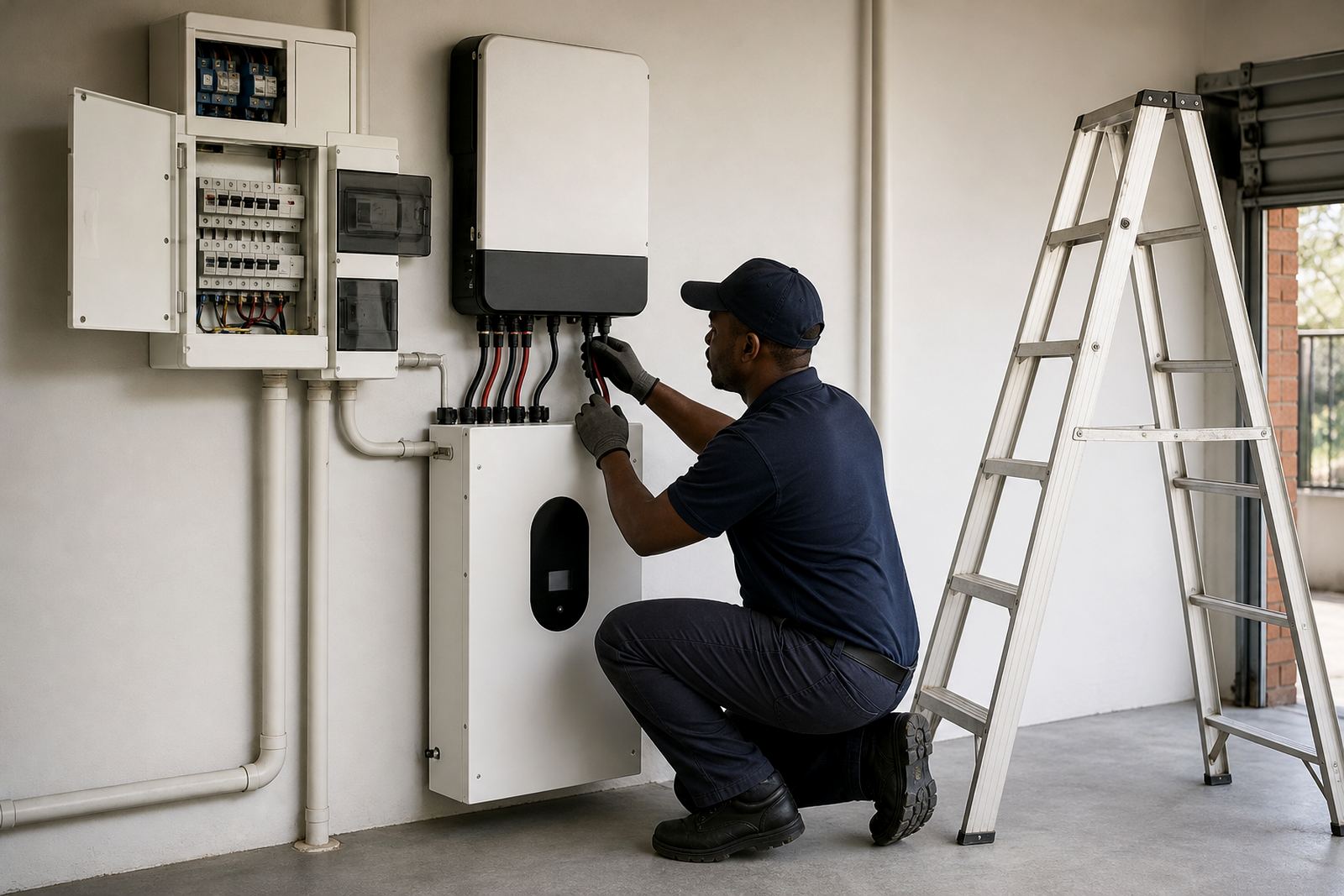
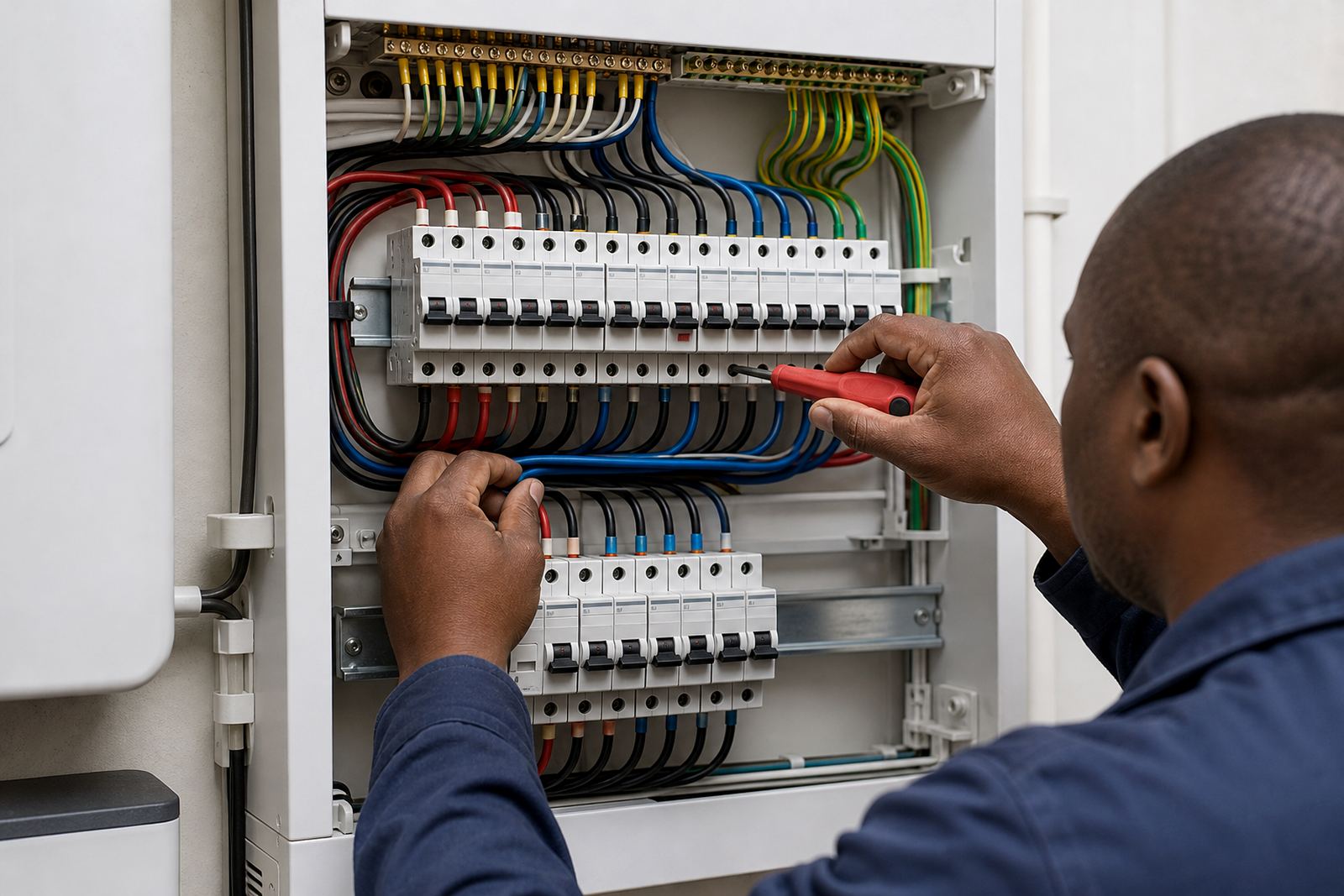
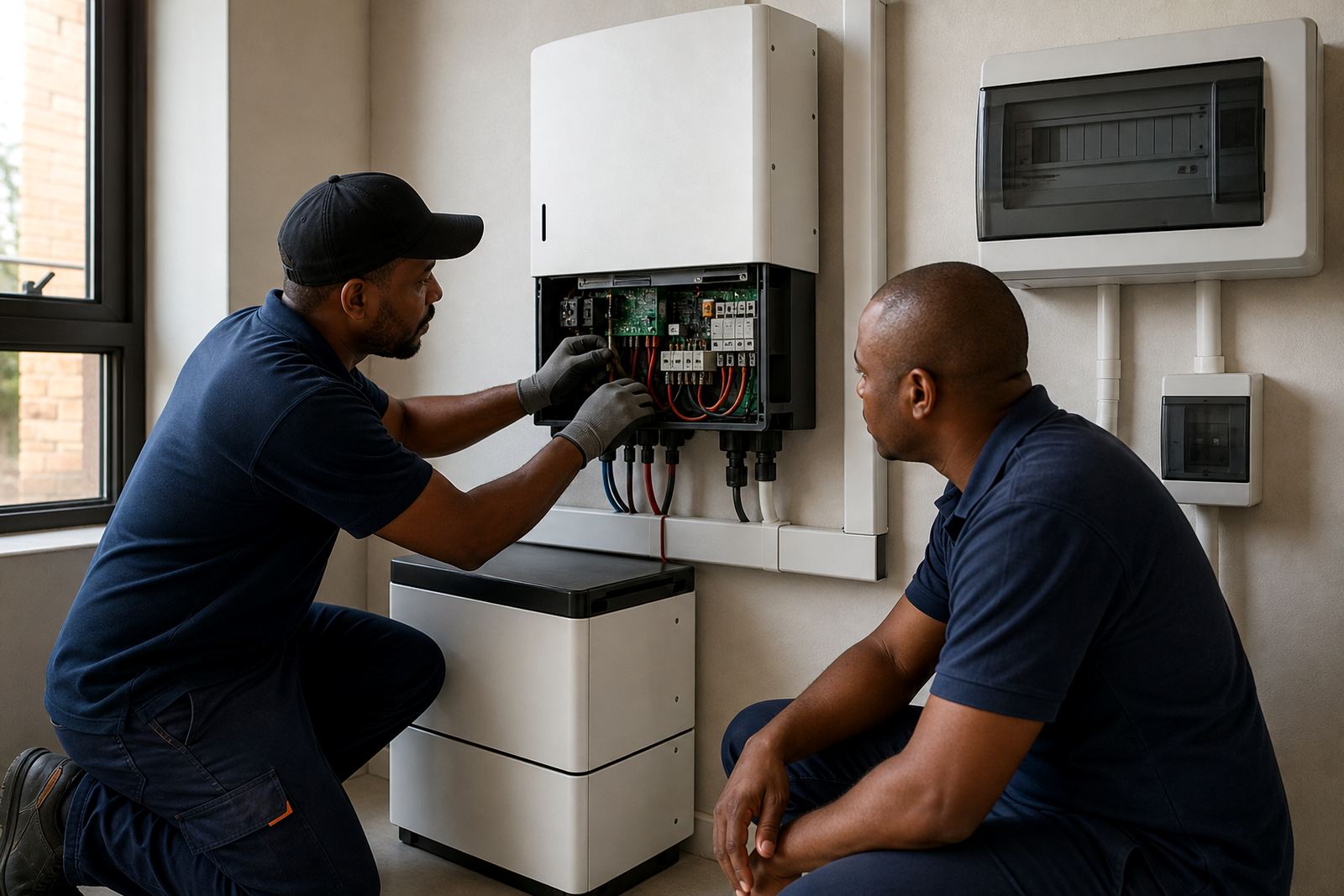
Installation work is planned around the property, the distribution board and the equipment selected. The registered electrician handles the actual electrical work, including changeover arrangements, essential circuit wiring and final testing. If the system includes solar charging or any grid tie function, it must also be registered with the local municipality where required.
We work on homes, offices, shops and light industrial sites across Johannesburg, Pretoria, Centurion, Midrand and Roodepoort. On-site conditions matter too, especially in older buildings where cable routes are limited or the board is already crowded. In those cases, neat routing and clear labelling make servicing easier later.
- Isolation of the supply before work begins
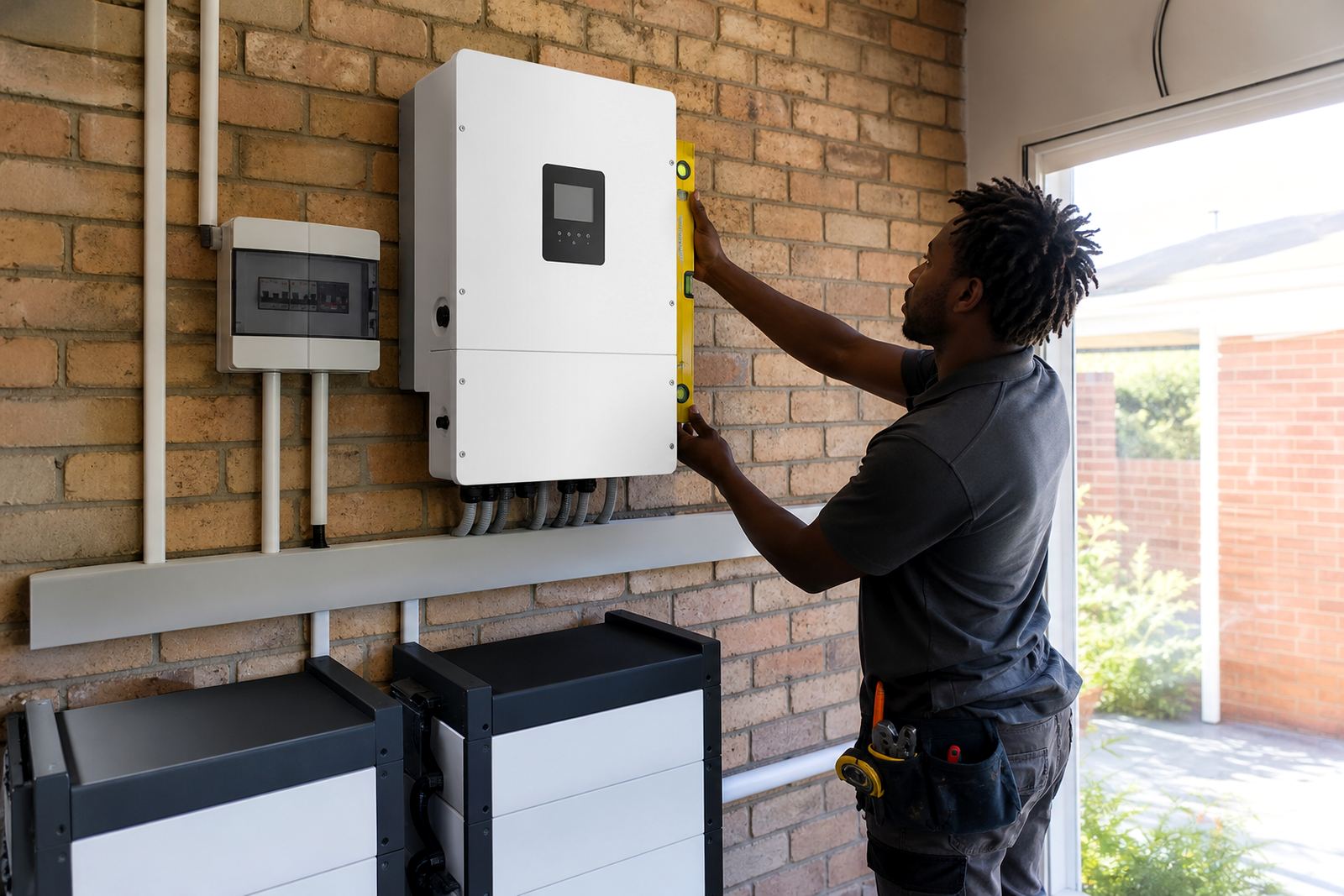
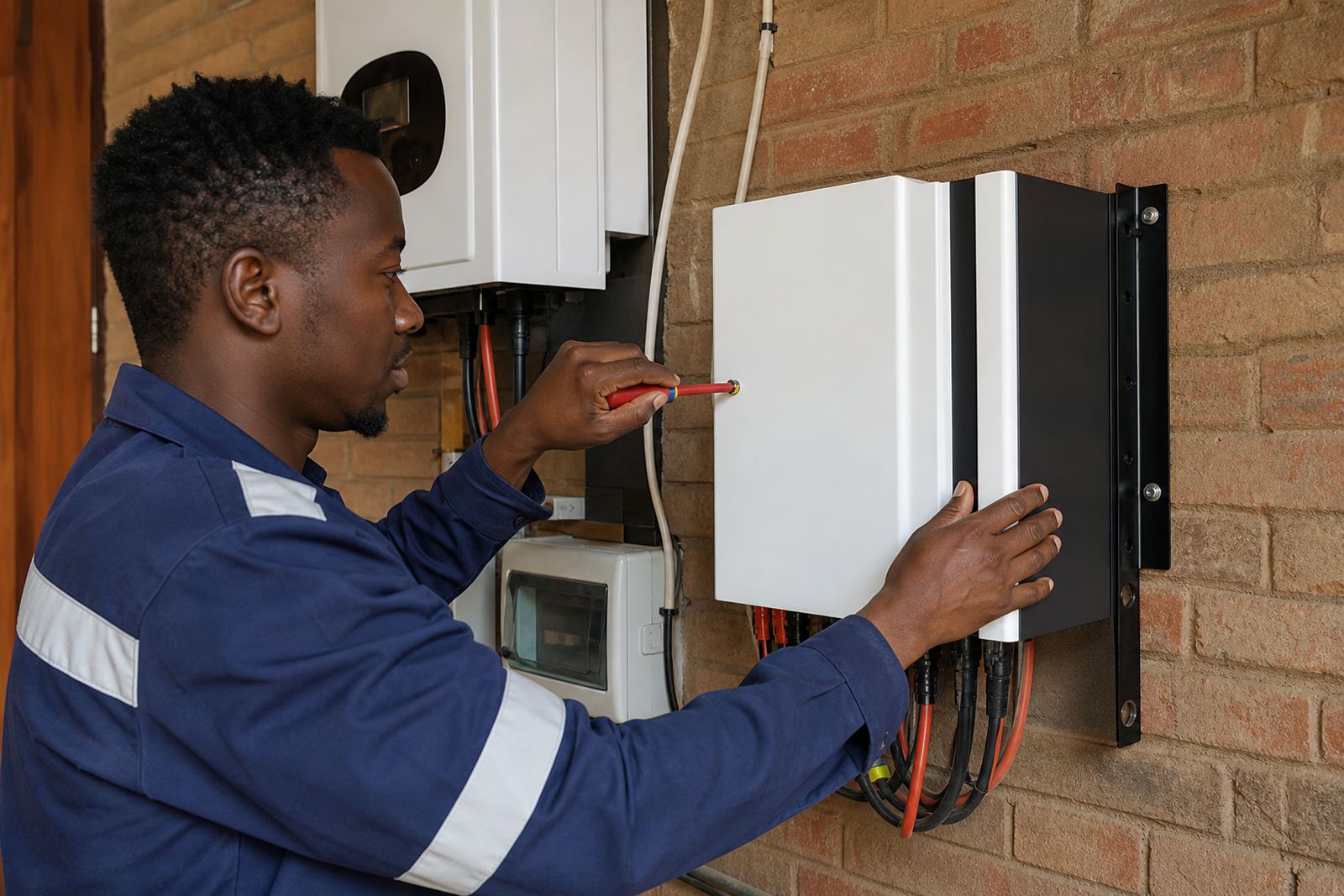
- Mounting and cable routing for inverter and battery equipment
- Changeover or essential load circuit setup
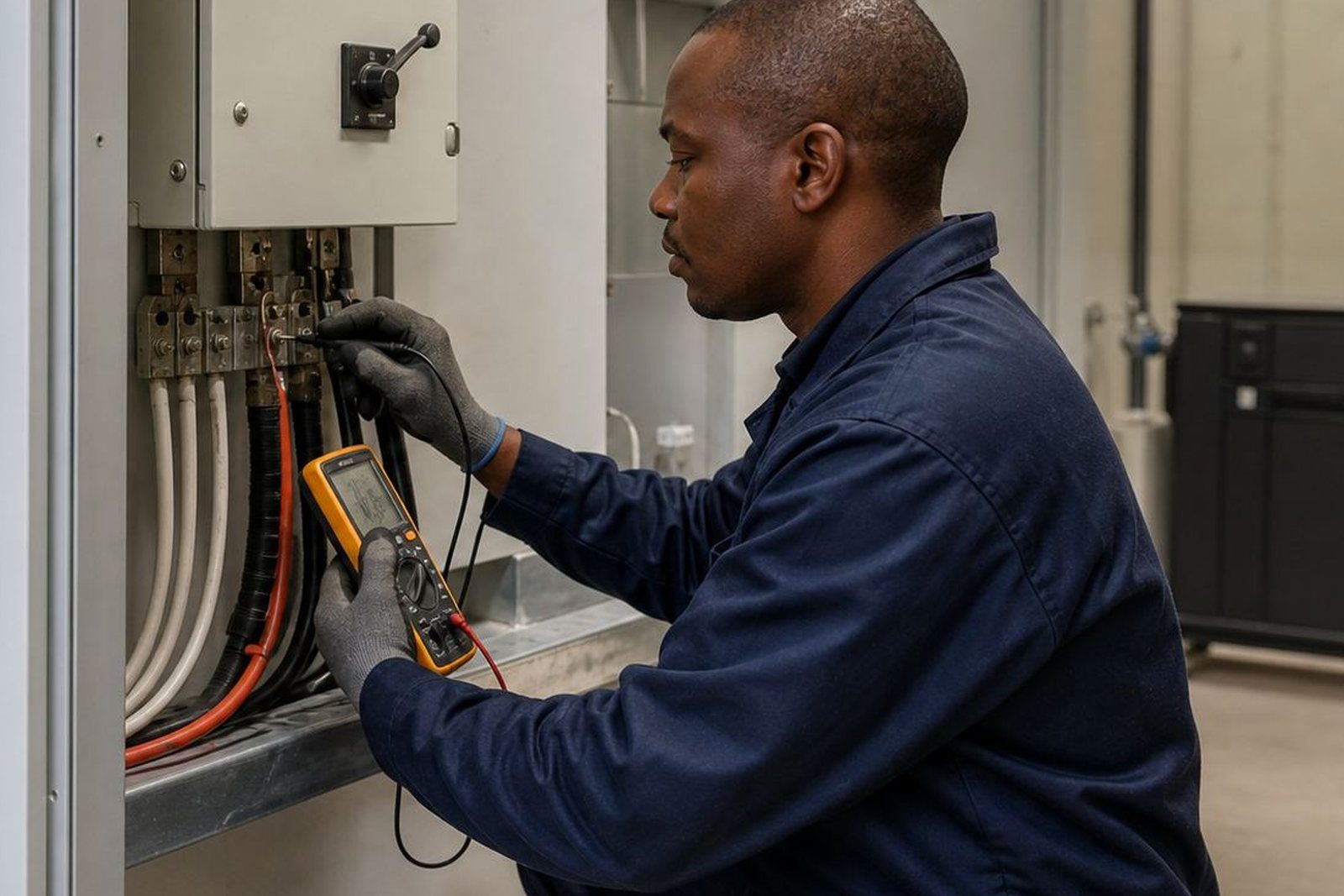
- Testing of charging, switchover and output under load
Share what must stay on during an outage and the size of the property, and a backup planner will phone or message you.
Contact formLithium battery installation and battery expansion
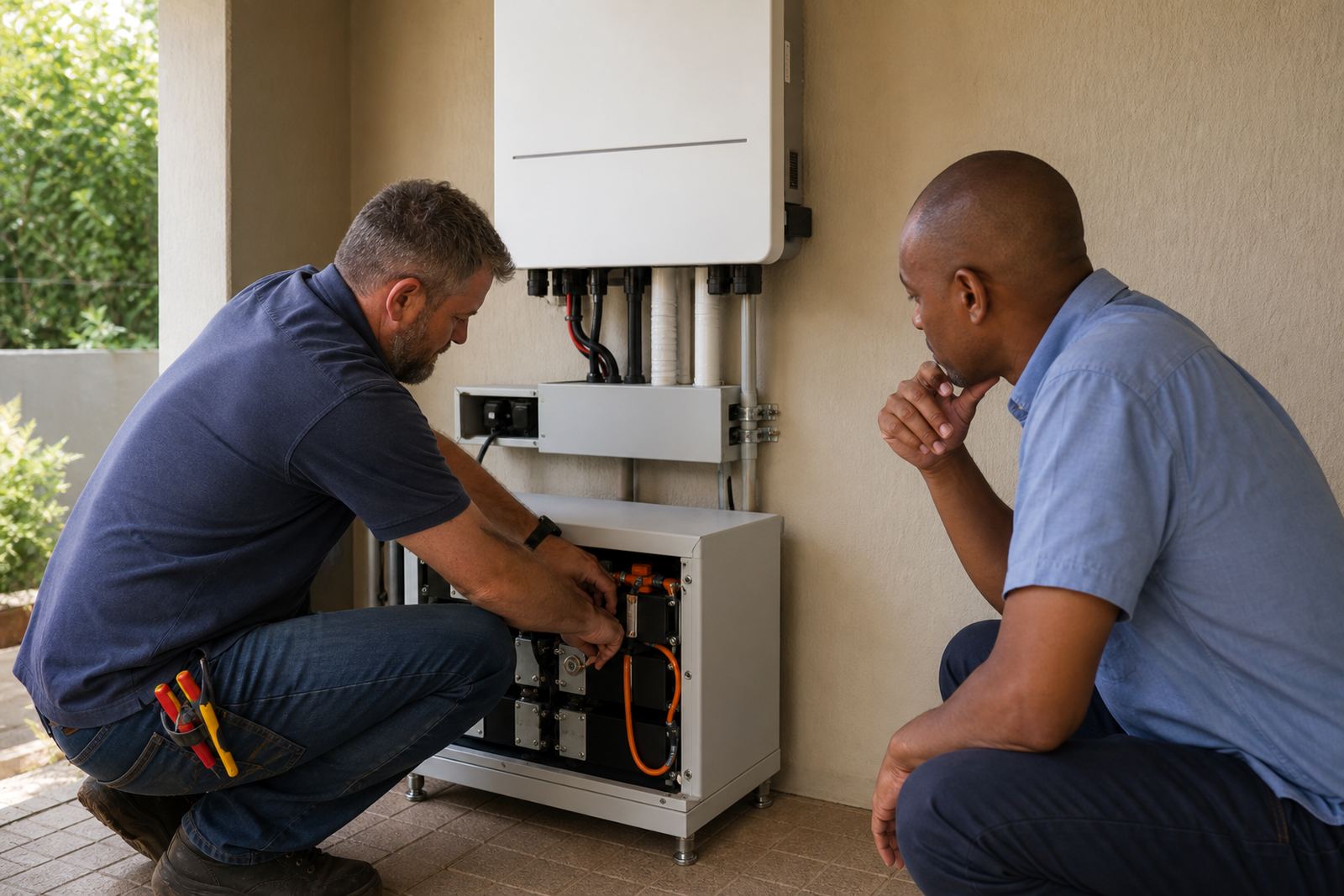
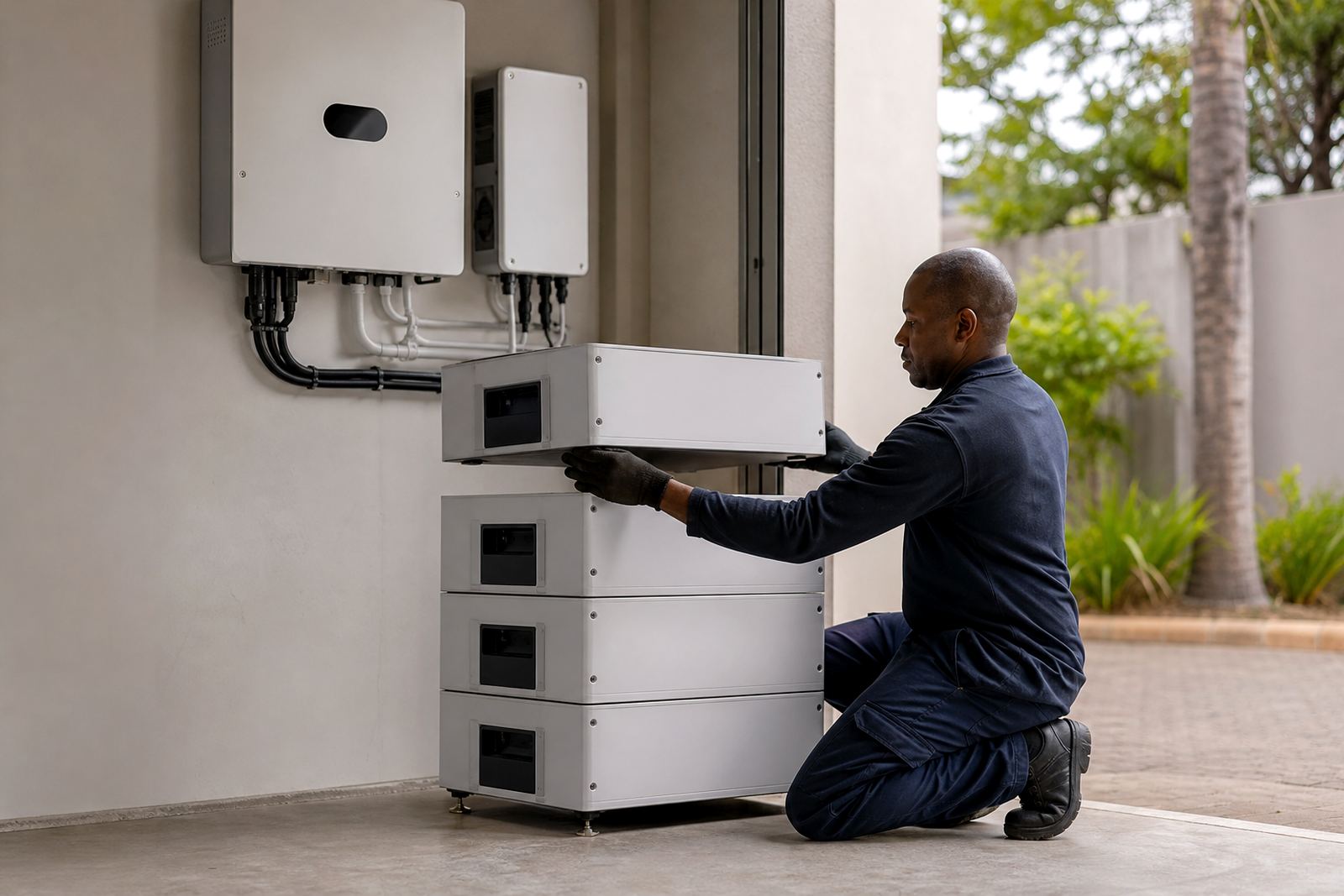
Lithium batteries are commonly used for backup power because they charge efficiently, handle repeated cycling well and take up less space than older battery types. They still need correct placement, ventilation and protective settings in the inverter. In coastal humidity or in garages that get hot, positioning and enclosure choice can make a real difference to long-term reliability.
If you already have a system and need more runtime, battery expansion has to be checked carefully. Not all batteries can be mixed freely, and age, chemistry and capacity all matter. We assess the existing setup before adding modules or replacing tired units, so the system stays balanced and safe.
- Check the inverter compatibility before adding more batteries
- Confirm battery age, condition and communication settings
- Keep the installation dry, tidy and easy to access
- Allow space for future expansion where possible
Compliance support and certificates
All electrical installation work must be done by a registered electrician, and a certificate of compliance must be issued when the job is complete. That is not a formality. It is part of proving that the work has been done safely and in line with the regulations that apply to the property.
For grid-tied systems, municipal registration is also required. If the property sits in an area with special estate rules or business premises with landlord conditions, those requirements need to be checked too. We help clients prepare the right details for the electrician and keep the process practical from the first visit through to sign-off.
Monitoring, fault checks and routine servicing
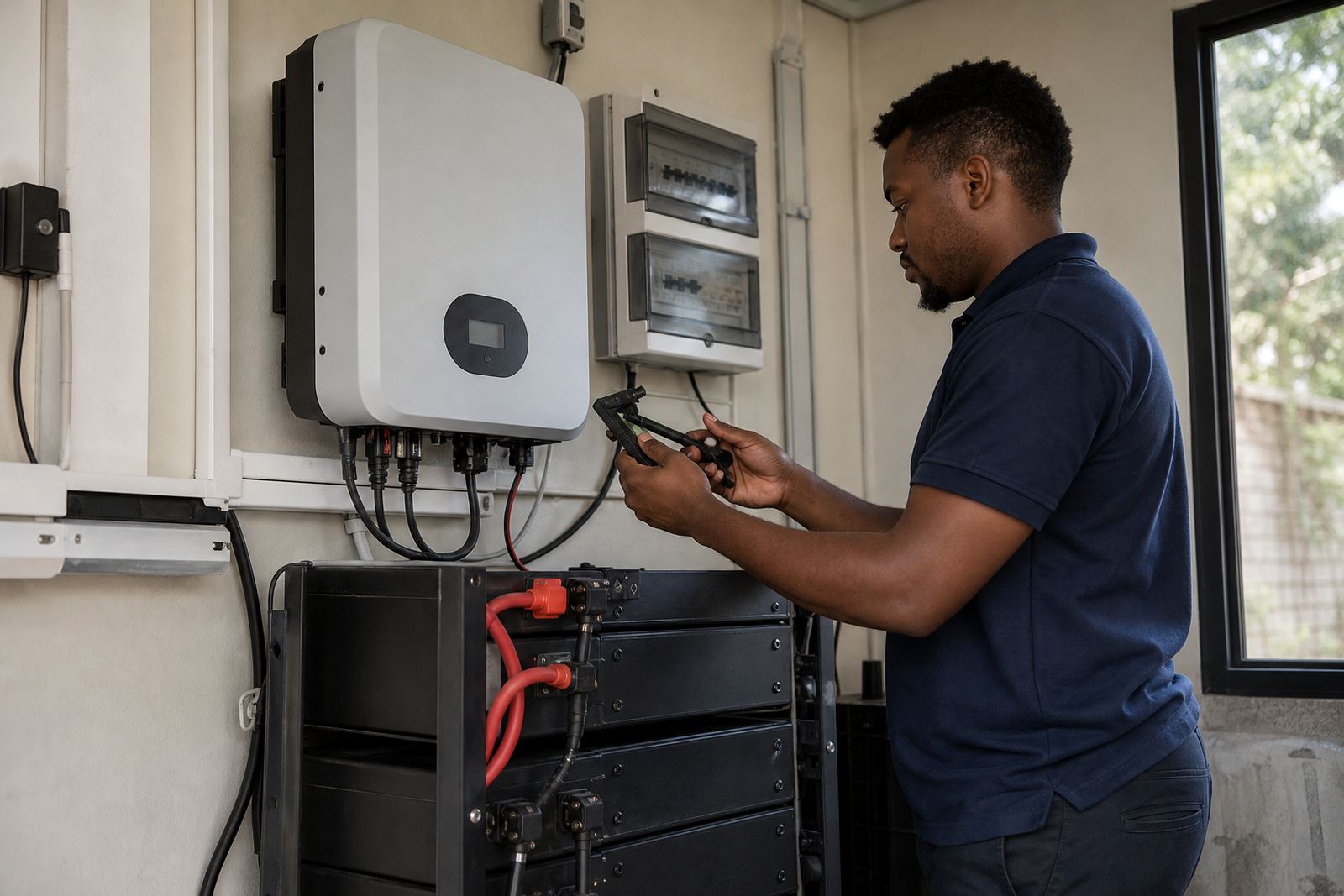
Backup systems work best when they are checked before problems grow. We offer routine servicing, monitoring setup and fault checks for systems that are already installed. That includes reviewing charging behaviour, battery condition, switchover performance and any warning lights or faults on the equipment.
In Gauteng, load-shedding can be frequent enough that weak connections, loose terminals or poor settings show up quickly. A system that worked last winter may not perform well this year if the batteries have aged or the loads have changed. Regular checks help keep the setup ready when the power goes off again.
- Fault checks for no-charge, low-battery and switchover issues
- Monitoring setup for status and usage visibility
- Routine servicing for terminals, settings and cabling
- Advice on whether the system needs adjustment or expansion
Who comes out on a cutting job
PowerCut is based in Randburg, Johannesburg and supports clients across Gauteng, including Johannesburg, Pretoria, Centurion, Midrand, Roodepoort, Sandton and Fourways. Sifiso Ngobeni leads the business, with Ayesha Ntuli, Marnus Rabie, Nompumelelo Sigcau, Sibusiso Govender and Rentia Fouche each handling their part of the process from first enquiry to after-sales support.
Clients usually start through the enquiry form on our contact page, then we work through the site details and the type of backup needed. Whether it is a new installation, a battery upgrade or a service call, the aim is to keep the process clear and practical.
- Site assessments for homes and businesses
- Backup sizing and essential circuit planning
- Installation support and commissioning
- Ongoing maintenance and fault response