Why power and energy are not the same thing
When people ask for backup power, they often mean two different things. Power is the amount of electricity needed at a specific moment, while energy is the amount stored to keep things running over time. A kettle, a fridge, a gate motor and a few lights may all be needed during load-shedding, but they do not all draw the same amount at once.
This is why a system can look strong on paper and still disappoint in practice. A battery bank may have enough stored energy for several hours, yet the inverter may not be able to supply the starting surge of a pump or freezer. On the other hand, an inverter may handle the load easily but the batteries may be too small to last through a long outage.
What a backup system actually has to carry
A proper backup setup starts with the actual load list. That means looking at the appliances and circuits that must stay on during outages, then checking their power demand and how long they should stay active. In a home, this may be lights, Wi-Fi, TV, a fridge and a garage motor. In a business, it may include tills, routers, workstation points, alarms and security equipment.
For sizing, the key question is not only what the inverter can switch on, but what it must support at the same time. A 5 kW inverter does not mean 5 kW of runtime. It simply means the system can supply up to that level of demand, subject to the battery capacity and the installation design.
- Power is measured by demand at a point in time
- Energy is measured by storage over a period of time
- Some appliances have high start-up surges
- Longer runtime needs more battery capacity, not only a bigger inverter
Share what must stay on during an outage and the size of the property, and a backup planner will phone or message you.
Contact formHow battery capacity affects runtime in real life
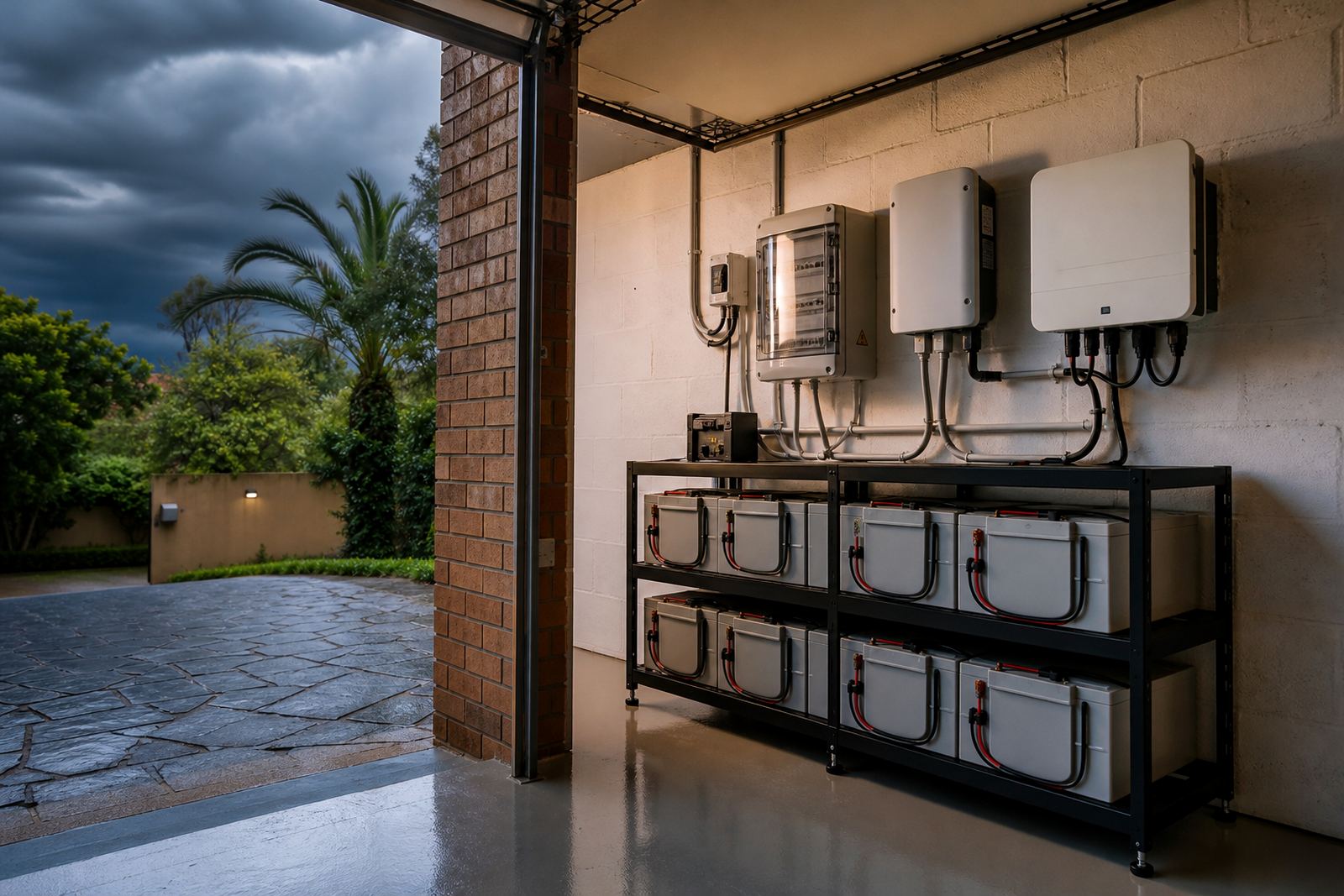
Lithium batteries are popular for backup because they charge efficiently and can be used regularly without the same maintenance concerns as older battery types. But battery size still needs to match the load. If the installed battery bank is too small, the system may handle a short outage and then drop off when the load-shedding stage runs longer than expected. That becomes a problem in winter evenings, and also in coastal areas where humidity and corrosion can shorten component life if the installation is not carefully done.
In practice, a sensible sizing conversation looks at the number of units, their usable capacity, the draw of the circuits being backed up and the expected outage pattern in the area. In Gauteng, that often means planning for repeated interruptions, not just a once-off outage. Businesses in Sandton or Midrand may need one runtime target for trading hours and another for after-hours security, while a family in Roodepoort may only want enough energy for lights, internet and food storage.
- Check usable battery capacity, not just the label size
- Allow for repeated outages in the same day
- Leave margin for battery ageing over time
- Consider charging time between load-shedding periods
A Randburg example: same outage, different needs
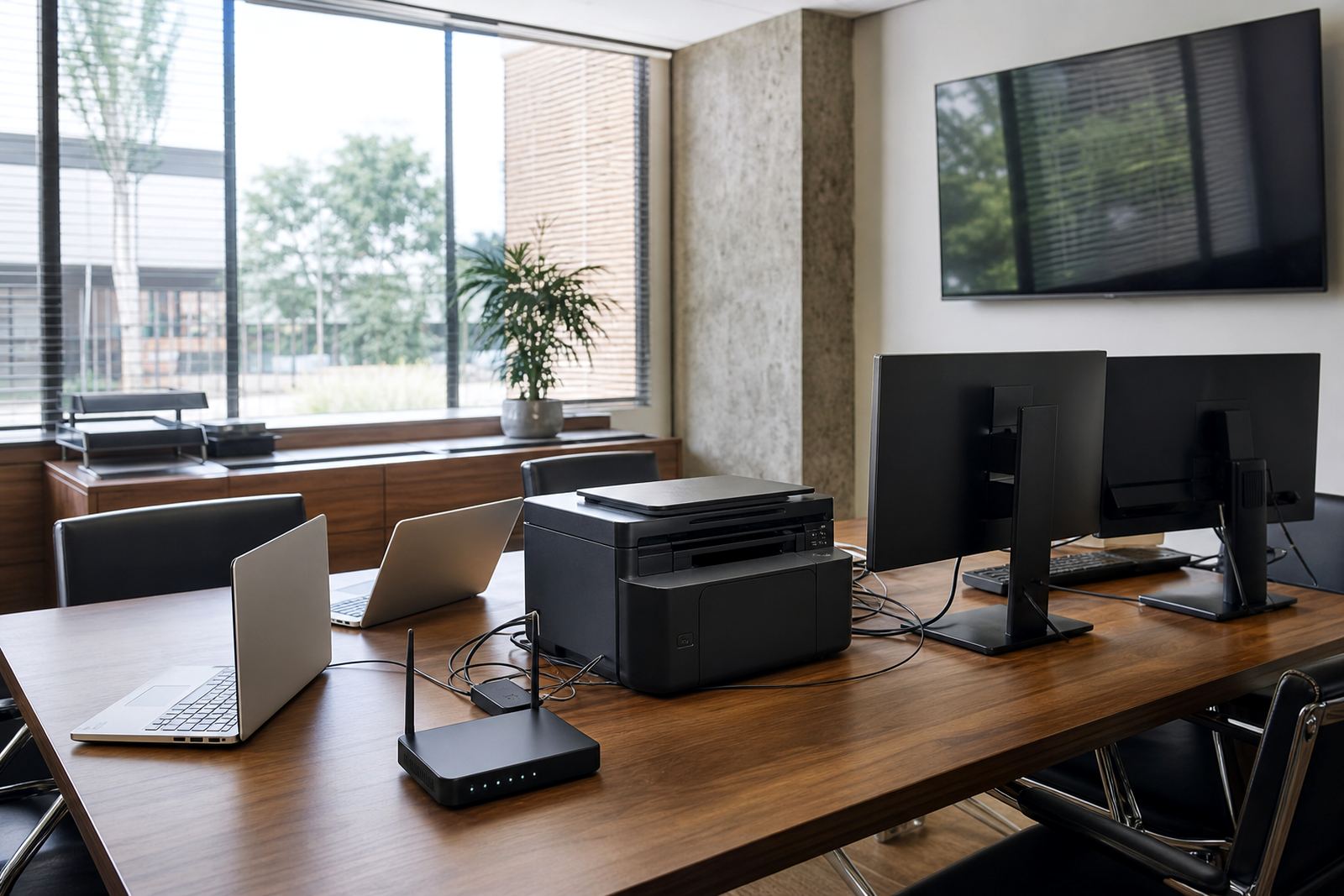
Take two properties in Randburg. The first is a family home that wants the fridge, a few lights, internet and the alarm system to stay on during evening load-shedding. The second is a small office that needs computers, fibre, a printer and access control. Both are in the same suburb, but their backup needs are not the same.
The home may need a smaller inverter with moderate battery storage if the load is light and the outage window is predictable. The office may need a larger inverter because several devices come on together, even if the runtime target is similar. That is the part many people miss. The work is not only about hours of energy, it is also about how much power the system must deliver at once.
In a place like Johannesburg, where different streets and supply conditions can behave differently, a site assessment helps separate guesswork from the real load profile. It also helps avoid common issues such as overloading a circuit, backing up non-essential appliances or installing battery capacity that is never properly used.
What must be done by a registered electrician
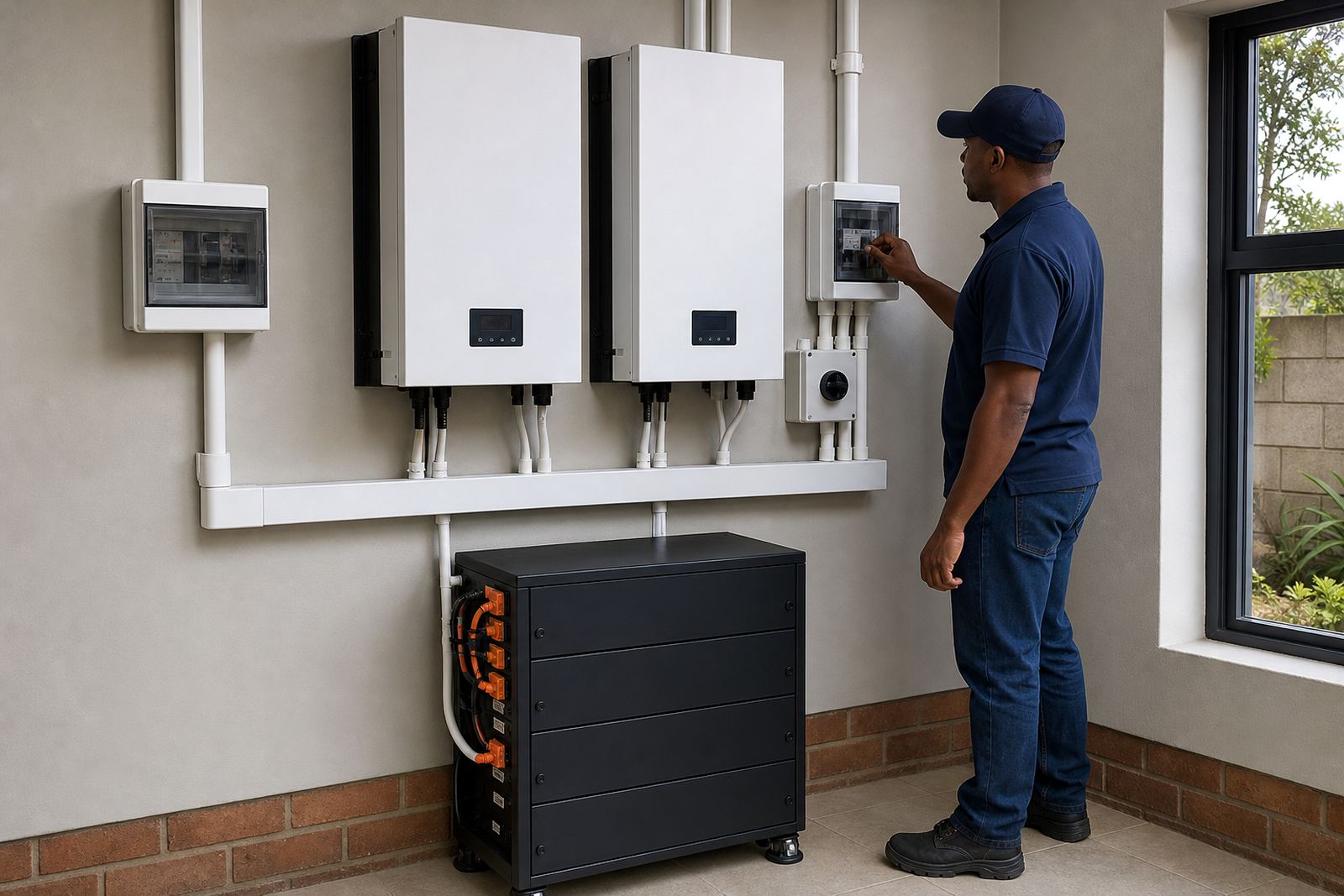
Any inverter or battery installation should be done by a registered electrician, with the correct wiring, protection and commissioning. A Certificate of Compliance is required for the electrical work, and grid-tied systems need municipal registration where applicable. That applies whether the system is for a house in Pretoria, a shop in Centurion or an office in Fourways.
This is not a box-ticking exercise. Good installation protects the people using the system and helps prevent nuisance trips, cable overheating and unsafe back-feeding into the municipal supply. It also matters when the system is expanded later. If the first installation was not done properly, adding more battery capacity or extra circuits can become more expensive and more disruptive than it should be.
- Use a registered electrician for the installation
- Obtain the Certificate of Compliance for the work done
- Register grid-tied systems with the municipality where required
- Keep the system labelled for safe operation and servicing
Sizing from the load list, not from guesswork
The most useful backup sizing starts with a simple load list. Write down what must stay on, note the wattage or estimated demand, and decide how long each item needs to run. Then separate essential circuits from non-essential ones. That is where essential circuit wiring and changeover solutions come in, because not everything in the building needs backup.
A practical approach also considers the future. If you plan to add more batteries later, the inverter and wiring should be set up with that expansion in mind. If monitoring is included, you can see how much energy is being used and whether the battery bank is sized correctly for daily patterns. For many Gauteng properties, that is the difference between a system that copes and one that is constantly pushed too hard.
The simple rule to remember before you buy
Before choosing an inverter or battery, ask two questions: how much power must run at the same time, and how long must it run for? If you only answer one of those, the system may be wrong. Too little power and the inverter trips. Too little energy and the batteries empty too soon.
At PowerCut, we look at site conditions, backup goals and the actual circuits to be supported before recommending a setup. That helps homes and businesses across Randburg, Sandton, Roodepoort, Midrand, Pretoria and Centurion make practical decisions that fit the way they use electricity, not just the label on the box.