Why a kettle and microwave change the picture
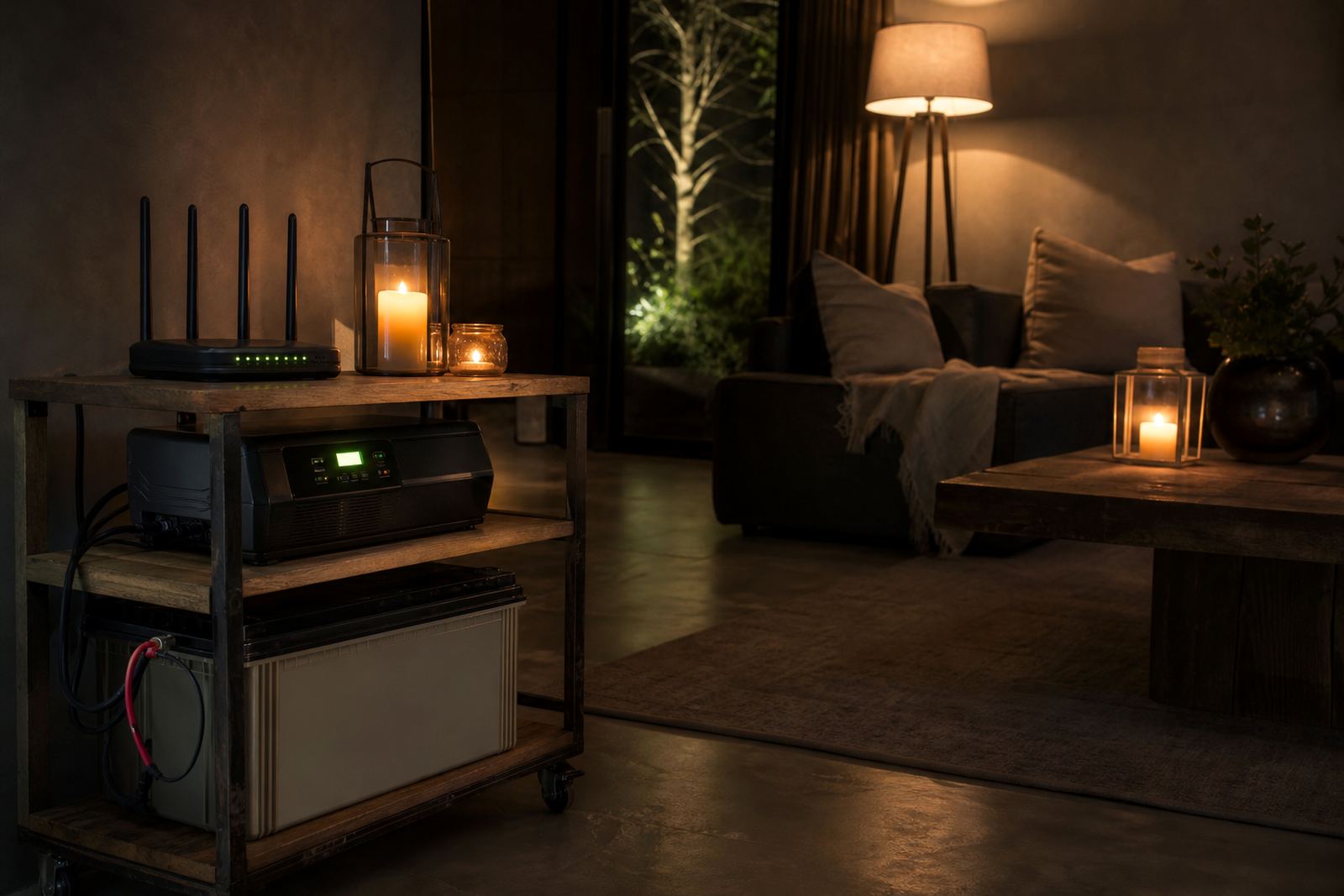
Most people start with the same wish list: keep the lights on, charge phones, run the router and maybe the TV. Then someone asks if the kettle can boil water or the microwave can warm lunch, and the backup design changes fast. Heating appliances draw a lot of power in a short burst, which means the inverter, batteries and wiring all have to cope with a much higher load than a basic essentials setup.
A standard kettle can pull around 1 800W to 2 200W, while a microwave often sits in a similar range once you allow for startup demand. That means one appliance can use as much power as several smaller items combined. If both run at the same time, an undersized system may trip, switch off, or drain the batteries far quicker than expected.
In practical terms, these appliances do not just change runtime, they often change the whole class of system you need. That is why backup sizing should always start with the actual appliances you want to use, not only with the size of the house or office.
The hidden load behind a simple cup of tea
A kettle looks harmless because it runs for only a few minutes. But from a backup point of view, it is one of the toughest household items to support. The same is true for a microwave when it is used repeatedly over a load-shedding window. Short bursts of high demand can be harder on a battery system than a steady low load.
When we size a system, we look at three things together: continuous load, surge load and battery energy. A kettle may not run long, but it can force the inverter to supply a large amount of power instantly. If the inverter is too small, it may fail even though the batteries are still full.
- Boiling water for a family during stage 6 load-shedding can use a big slice of available inverter capacity.
- Microwaving dinner while the fridge and lights are already on adds another heavy demand.
- Running both at once, especially with a geyser or stove in the background, can overload a small backup setup.
For many homes in Randburg, Sandton or Fourways, the main issue is not whether backup is possible. It is whether the system is sized for the way the family really lives during outages.
Share what must stay on during an outage and the size of the property, and a backup planner will phone or message you.
Contact formHow backup sizing changes when heating appliances are included
If your backup only needs to support lights, Wi-Fi, a TV and charging, the battery and inverter requirements are usually manageable. Add a kettle or microwave and the numbers shift quickly. This may mean a larger inverter, a battery bank with more usable energy, or both.
It also affects how the system is wired. Some clients want the kettle and microwave on the backup side, while others prefer to leave them off the essential circuit board and use them only when grid power is available. There is no single answer. It depends on the property, the budget and how often the appliances will be used during outages.
In a small office in Midrand, for example, the backup plan might need to keep the router, a few computers and a microwave in the staff area available during short cuts. In a home in Roodepoort, the aim may be to keep breakfast moving in the morning while load-shedding hits at the worst time. Those are two very different load profiles, even if the same appliances are involved.
- Higher power appliances increase inverter size requirements.
- Frequent heating use reduces battery runtime faster than many people expect.
- Backup circuits may need to be split so only selected plugs are supported.
- Good planning can avoid buying more system than you actually need.
What to check before you add a kettle or microwave to backup
Before you commit to supporting heating appliances, it helps to work through the basic details of the property. The age of the wiring, the condition of the distribution board and the number of other appliances on the same circuit all matter. Coastal humidity in places like parts of Gauteng can also affect equipment if the installation area is damp or poorly ventilated.
There are a few practical questions worth answering early:
- Which appliances must stay on during load-shedding?
- Will the kettle and microwave run one at a time or together?
- Is the backup system meant for occasional use or daily load-shedding?
- Is there enough space for ventilation around the inverter and batteries?
- Will the property need future battery expansion?
These questions help avoid a common mistake: buying a battery for runtime, then discovering the inverter cannot support the starting load. A good site assessment usually saves more trouble than it costs, especially for businesses that cannot afford interruptions in reception, sales or admin during a cut.
Installation, compliance and municipal rules
Any inverter or battery installation must be done by a registered electrician, and the work needs a certificate of compliance. If the system is grid-tied, municipal registration is also required. This is not just paperwork. It protects the property owner and helps make sure the installation is safe and properly documented.
For homes and businesses in Johannesburg, Pretoria, Centurion, Midrand and Roodepoort, the compliance part should be considered from the start, not after the equipment has already been mounted. If the installation includes essential circuit wiring, changeover gear or monitoring setup, the electrician needs to work from a proper plan that matches the actual load.
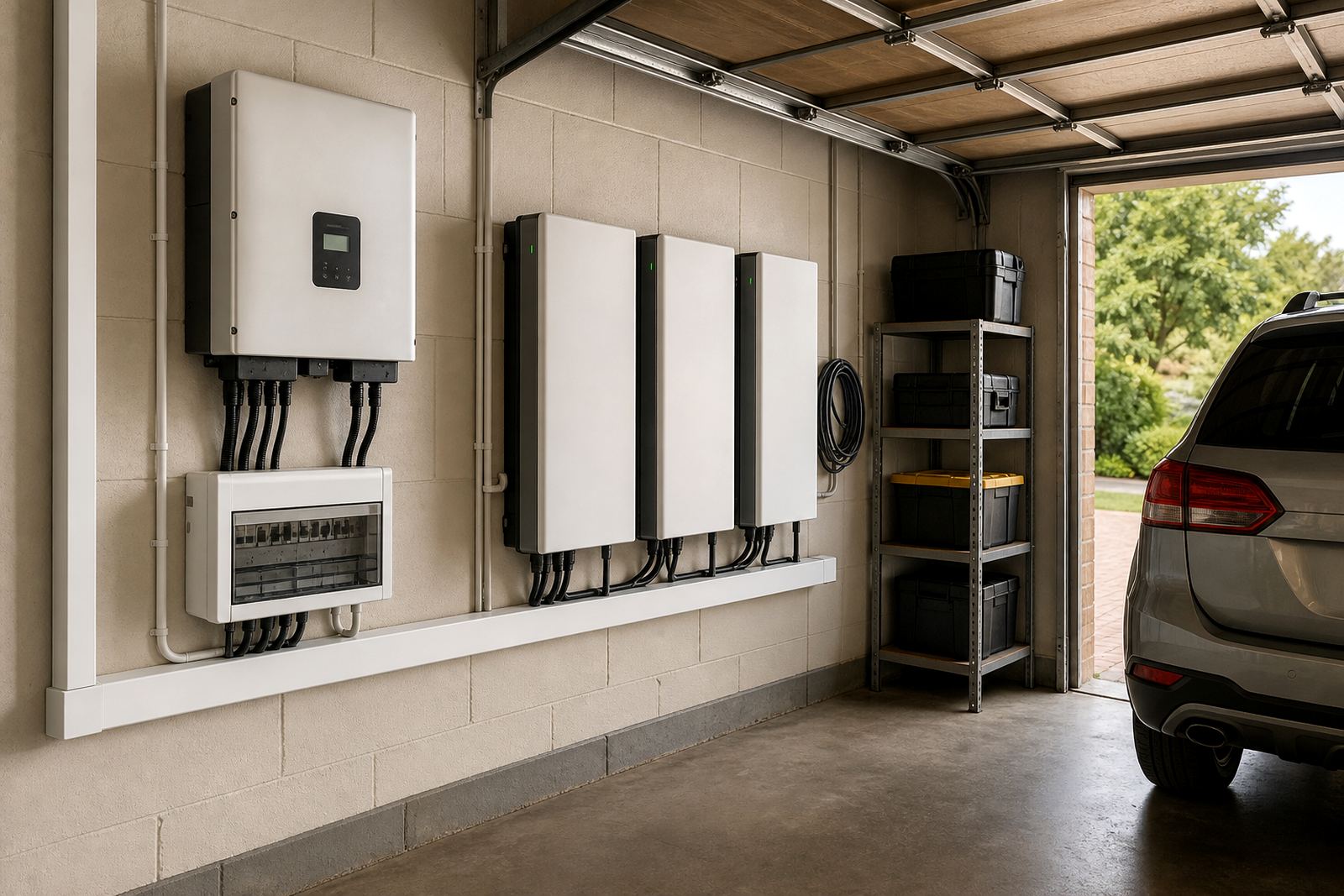
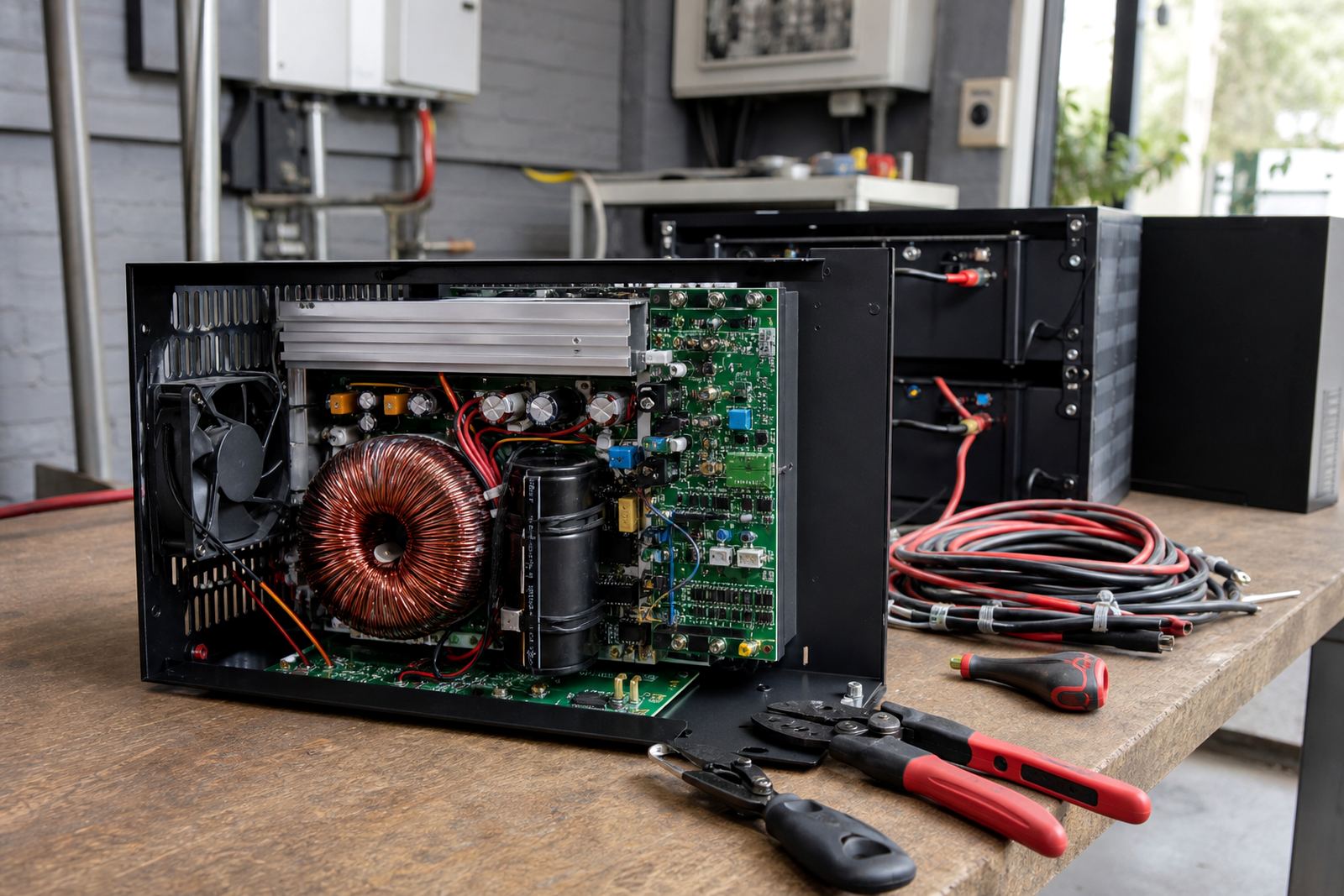
A tidy installation also matters for reliability. Batteries need correct spacing and secure mounting. Inverters should be placed where they can breathe. Cables need to be sized for the expected current. Those are the details that keep a backup system working when the power goes off at supper time or just before a meeting starts.
A Randburg example: when tea time meets load-shedding
Take a typical Randburg family home. The owners want lights, Wi-Fi, two bedroom plugs and the kitchen kettle available during load-shedding. They also want the microwave to heat food quickly after school. On paper that sounds simple, but the kettle and microwave can each pull enough power to force the system into a higher category.
If the family only needs one of those appliances at a time, the system can be designed around that pattern. If they want both available whenever needed, the inverter capacity and battery size both rise. The same applies to a small business in Sandton where staff may need a microwave in the break area and a kettle for hot drinks while the office remains open. The more heating you expect, the more the backup setup has to behave like a full power system, not just a light backup.
That is why load lists should be honest. It is better to say “yes, the kettle matters” at the start than to discover the shortfall during the first power cut.
Planning for real daily use, not just emergency use
Backup systems work best when they match daily habits. If you only ever need basic lighting and connectivity, a smaller setup may be fine. If your household or business depends on hot drinks, quick meals or food prep during load-shedding, then the design needs more headroom. The cost follows the load, and heating appliances are often the reason the cost moves up.
PowerCut supports site assessments, backup sizing, inverter installation, battery installation, essential circuit wiring, changeover solutions, system commissioning, monitoring setup, battery expansions, fault checks and routine servicing across Gauteng. That work starts with a simple question: what do you really need to run when the grid goes down?
Answer that clearly, and the rest becomes much easier to plan. Miss it, and a kettle or microwave can upset the whole backup balance.