What a backup-only system actually does
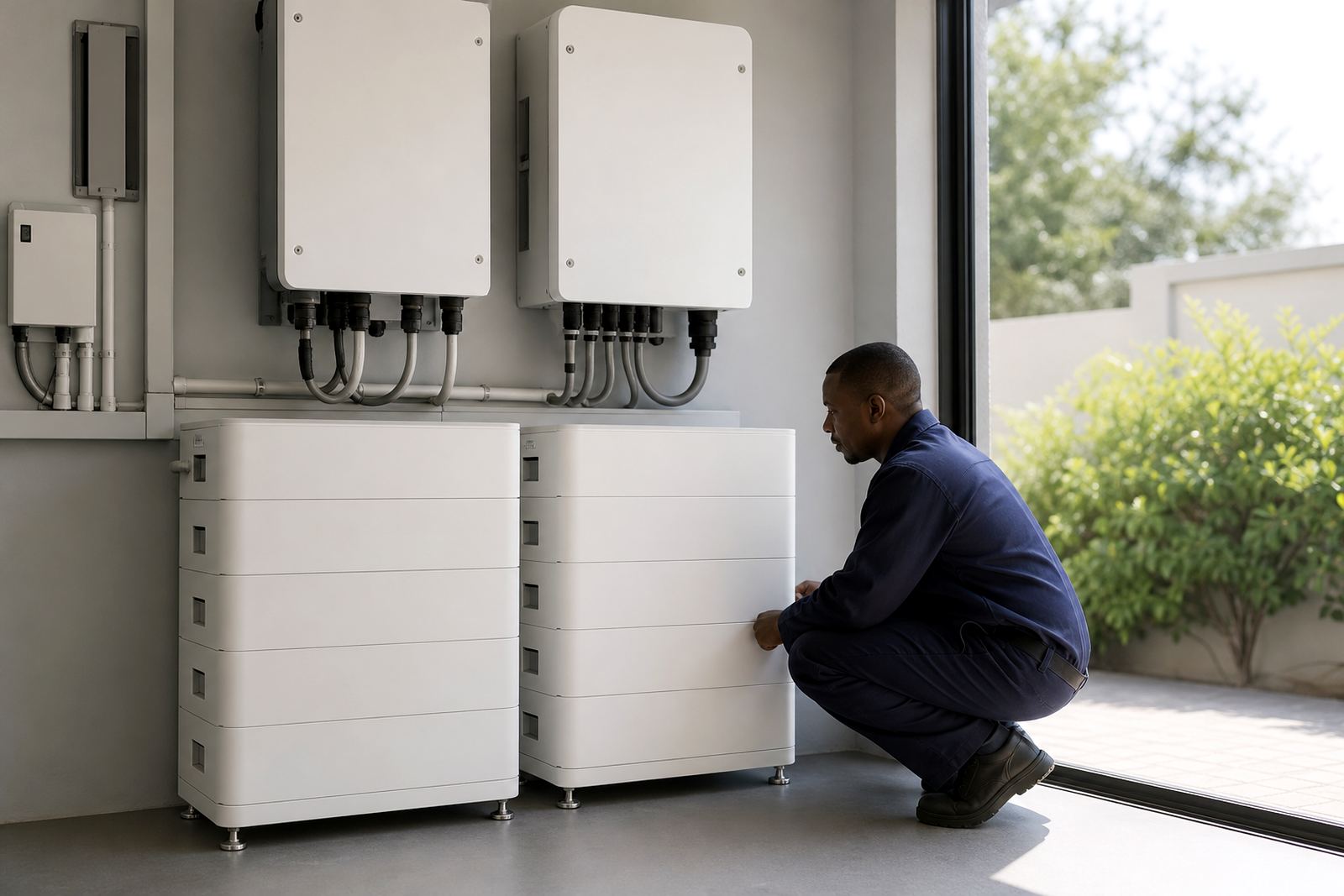
A backup-only setup is built to support essential loads when the grid drops out. In practice that usually means lights, Wi-Fi, TV points, security gates, alarm panels, a few plugs and perhaps a fridge or office router. The inverter takes over from the battery without trying to push power back into the municipal supply, so the installation is usually simpler and easier to control.
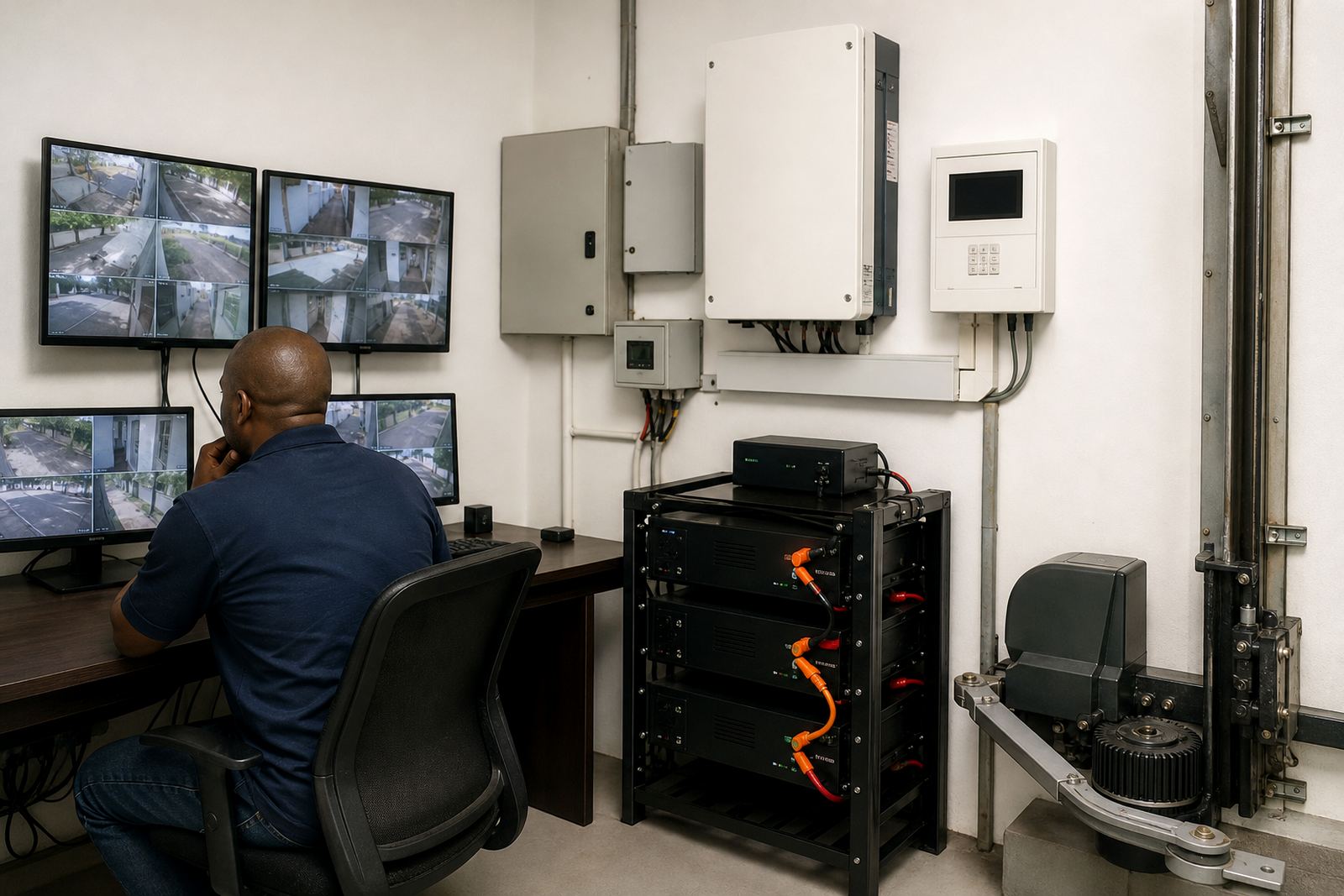
For many homes in Randburg, Sandton and Fourways, that is enough to ride through stage changes and short outages without having to rethink the whole electrical board. For small offices in Midrand or Roodepoort, it can keep admin work, network equipment and point-of-sale systems going, as long as the load is sized properly.
- Best for essential circuits only
- Works well where outages are planned or predictable
- Usually easier to isolate from non-essential appliances
- Still needs proper changeover, wiring and commissioning
Where grid-tied systems differ in day-to-day use
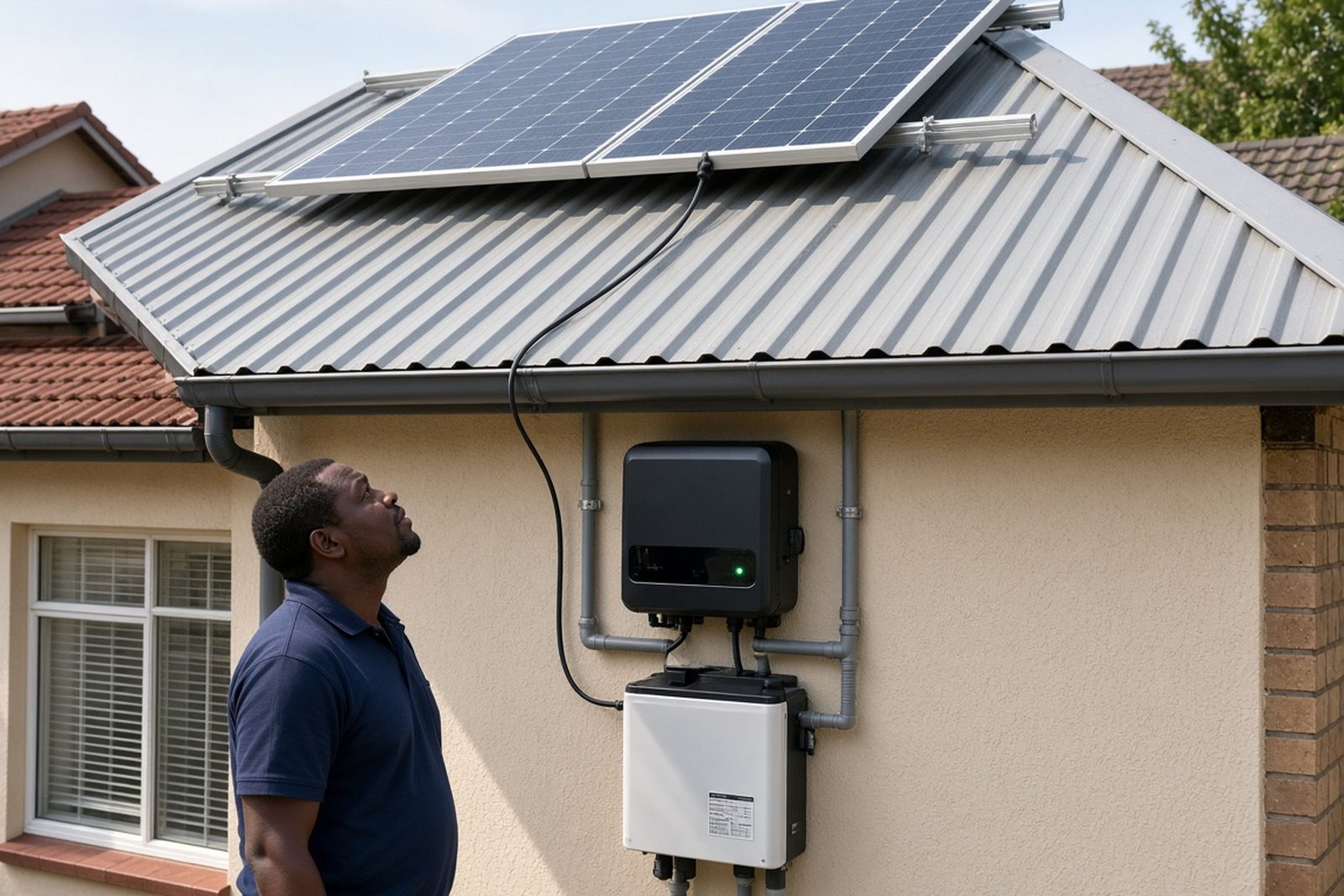
A grid-tied system interacts with the municipal supply rather than standing apart from it. In some cases it can support the site while the grid is present, then shift behaviour when load-shedding starts or when voltage drops. That makes the design more involved because the system must be managed with the local network rules in mind.
In Johannesburg and Pretoria, grid-connected systems need the right municipal registration before they are energised in the wrong way. That matters because a home or business cannot simply feed power into the local network without the proper approvals and protection in place. If the system is not registered, the installation can become a problem for compliance, insurance and future inspections.
For a business with daytime operations in Centurion or a workshop in Pretoria East, the extra planning may be worthwhile where the site has to stay connected in a particular way. But the design has to match the actual electrical profile, not just the idea of having power during load-shedding.
Share what must stay on during an outage and the size of the property, and a backup planner will phone or message you.
Contact formHow to size the system without overbuying
The right backup system is worked out from the loads that need to remain on, rather than the overall size of the property. A compact inverter and battery bank can support a small set of essentials, while a larger site may need multiple circuits, more storage and a stronger charging profile. The right answer depends on how long the outage lasts, how often the system will cycle and whether high-startup appliances are involved.
For example, a household in Roodepoort may only need to cover the fridge, a few lights and internet for evening load-shedding. A small practice in Midrand might need more battery capacity for computers, printers, access control and security. In coastal humidity is not a factor in Gauteng, but dust, heat and poor ventilation still affect battery life and equipment placement.
- List the essential circuits first
- Check starting loads for fridges, pumps and motors
- Allow for charging time between outages
- Consider future battery expansion if the site may grow
Why installation and compliance are not optional
Any inverter or battery installation must be done by a registered electrician, with a certificate of compliance issued for the work. That is not a box-ticking exercise. It is the proof that the wiring, protection and isolation have been done correctly and that the installation is safe to use.
Where a grid-tied system is involved, municipal registration is also required. A changeover switch, essential circuit wiring and the final commissioning all need to be handled carefully so the supply is separated and controlled in the right way. That is especially important in homes with older distribution boards or in commercial premises where the electrical load changes through the day.
Clients often ask whether a battery can simply be added later. It can, but only if the inverter, protection and wiring have been set up for expansion from the start. Otherwise the upgrade becomes more expensive and the site may need rework.
What changes for homes, offices and retail sites
Residential sites tend to want quiet operation, simple switchover and enough backup to get through the evening. Commercial sites usually need more detailed planning because the essential load is spread across more equipment. An office in Sandton may need network gear, workstations and a server cabinet kept live, while a shop in Fourways may prioritise tills, alarms and lighting. A local business in Randburg may need the system to restart cleanly after a short interruption, not just survive the outage.
For homes and businesses in Gauteng, that is exactly why an on-site assessment is worth doing properly. The same inverter size can be wrong for two buildings with similar floor area if one has electric gates, under-counter refrigeration or compressed-air equipment. Load-shedding also comes with short interruptions and voltage instability, so protection and wiring quality matter as much as battery capacity.
- Homes usually prioritise essentials and comfort circuits
- Offices need uptime for data and communication equipment
- Retail sites need reliable changeover and clear circuit separation
- Workshops may need heavier planning for motors and pumps
Cutting work for a client in Gauteng
Consider a family in Pretoria who wants the lights, Wi-Fi, a fridge and a few plug points to stay on through load-shedding. A backup-only system may be the cleaner choice because it gives support where it matters most, without trying to work as part of the municipal network. The install is tidier, the essential circuits are clearer and the household knows exactly what is covered.
Now compare that with a business in Midrand that already has a structured electrical room and wants a system that interacts with the grid in a defined way. That site may need more planning, more documentation and municipal registration before it is allowed to operate as intended. The difference is not just technical, it is operational. The right system is the one that matches the way the site is used every day, not the one that sounds larger.
At PowerCut in Randburg, we work across Johannesburg, Pretoria, Centurion, Midrand, Roodepoort, Sandton and Fourways to help clients choose the right path before equipment is installed. A good backup system should make load-shedding easier to manage, not create new problems for the electrical board or the people who use the building.