









Backup power for homes, shops and offices
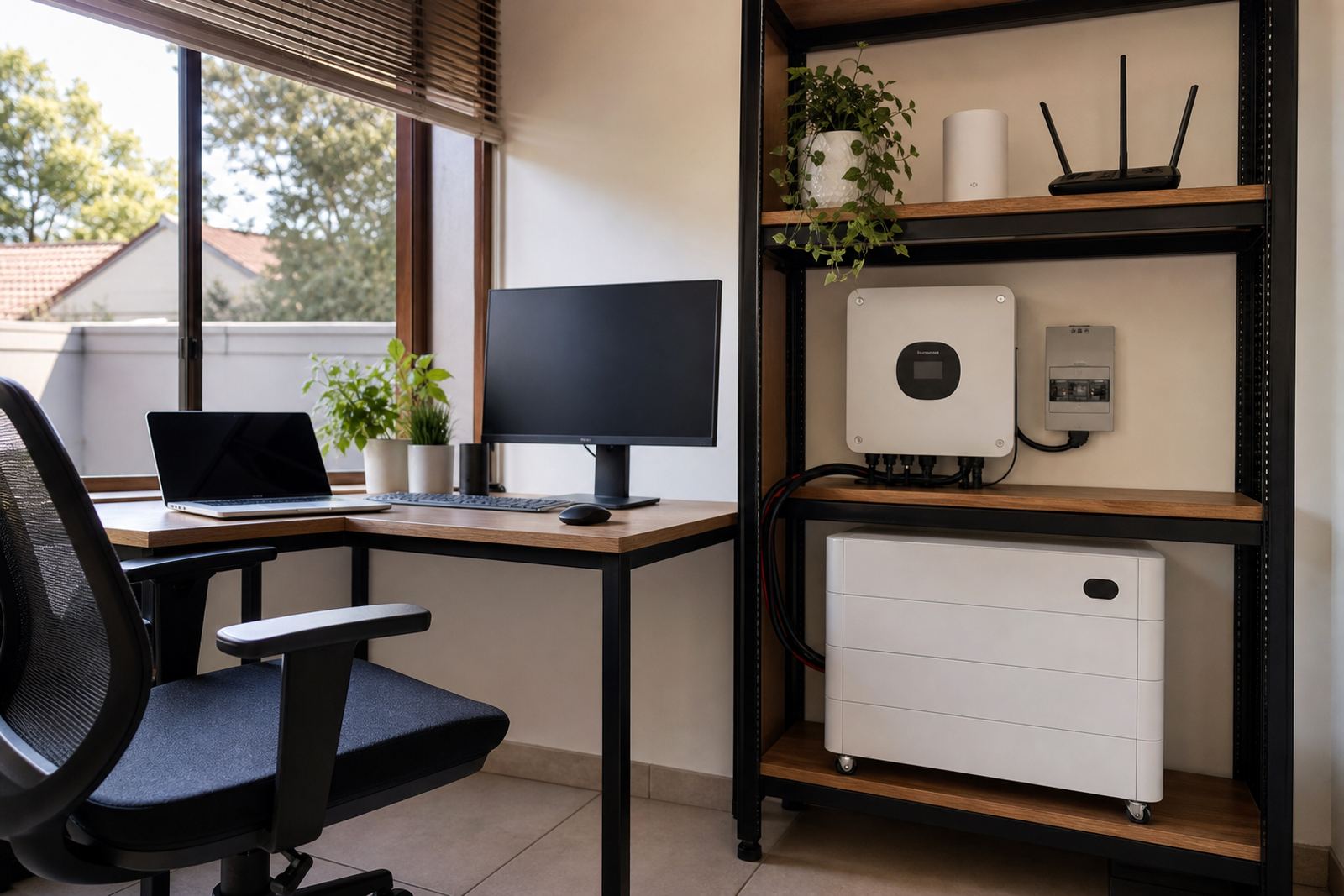
Power cuts affect homes, home offices, shops and small commercial sites in different ways, so the right backup setup depends on what must stay on. A family house may only need lights, Wi-Fi, a TV and a few plugs, while a business may need computers, point of sale equipment, security systems, gate motors or network gear kept live for trading hours.
We work across Randburg, Johannesburg, Sandton, Fourways, Pretoria, Centurion, Midrand and Roodepoort, supplying inverter and battery solutions that suit local conditions. In Gauteng, outages can happen with little warning, so the backup plan should be practical, easy to monitor and sized for the load you actually need, not every appliance in the building.
How to choose the right system size
Start by listing the essential circuits and the running watts for each item. After that, battery capacity and inverter output need to be matched to starting loads, outage duration and how much of the day the system may be used. This is especially important for fridges, pumps, servers and office equipment that can draw more at startup.
- Small home backup: lights, fibre, router and a few plugs
- Mid-size home backup: essentials plus fridge, TV and study equipment
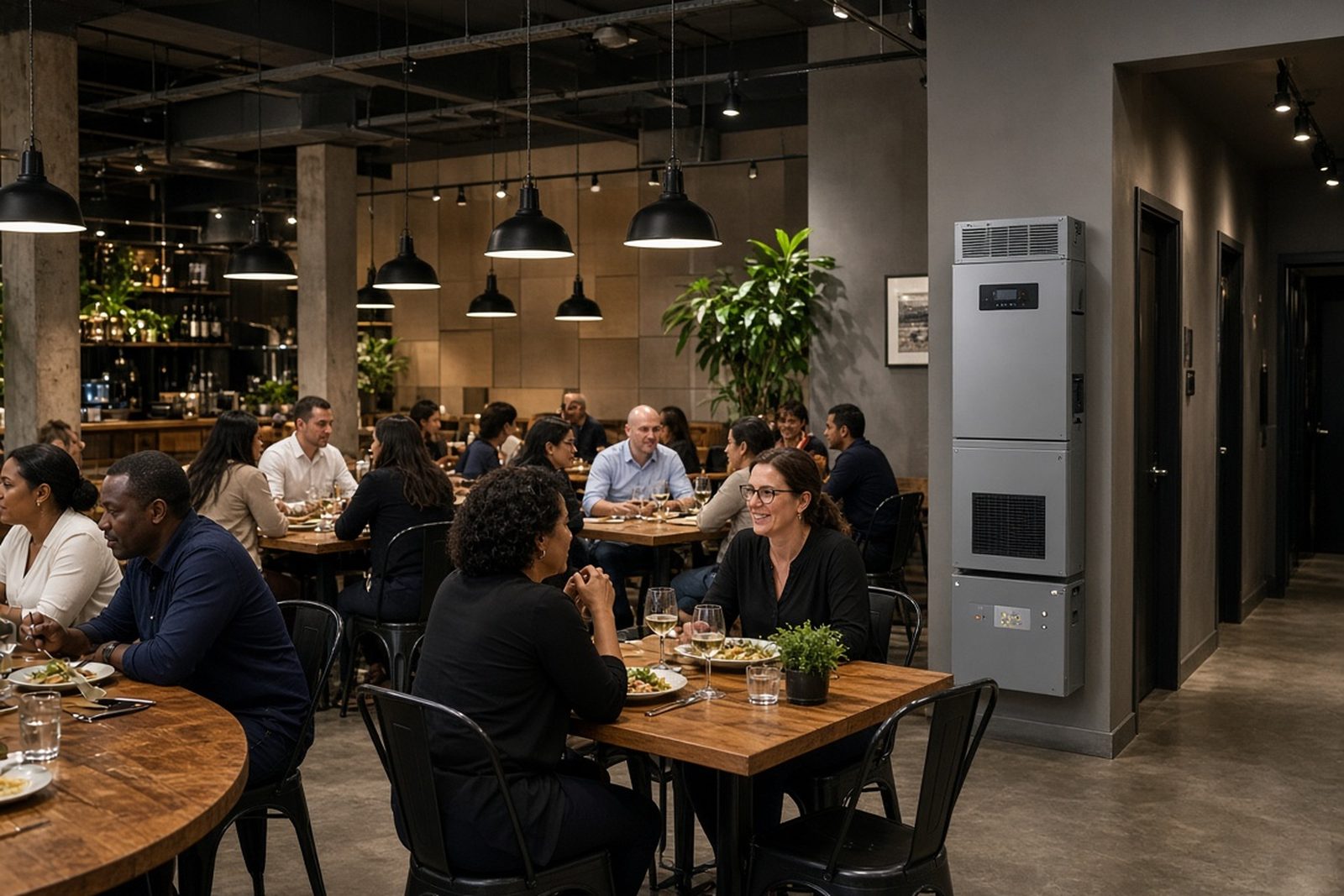
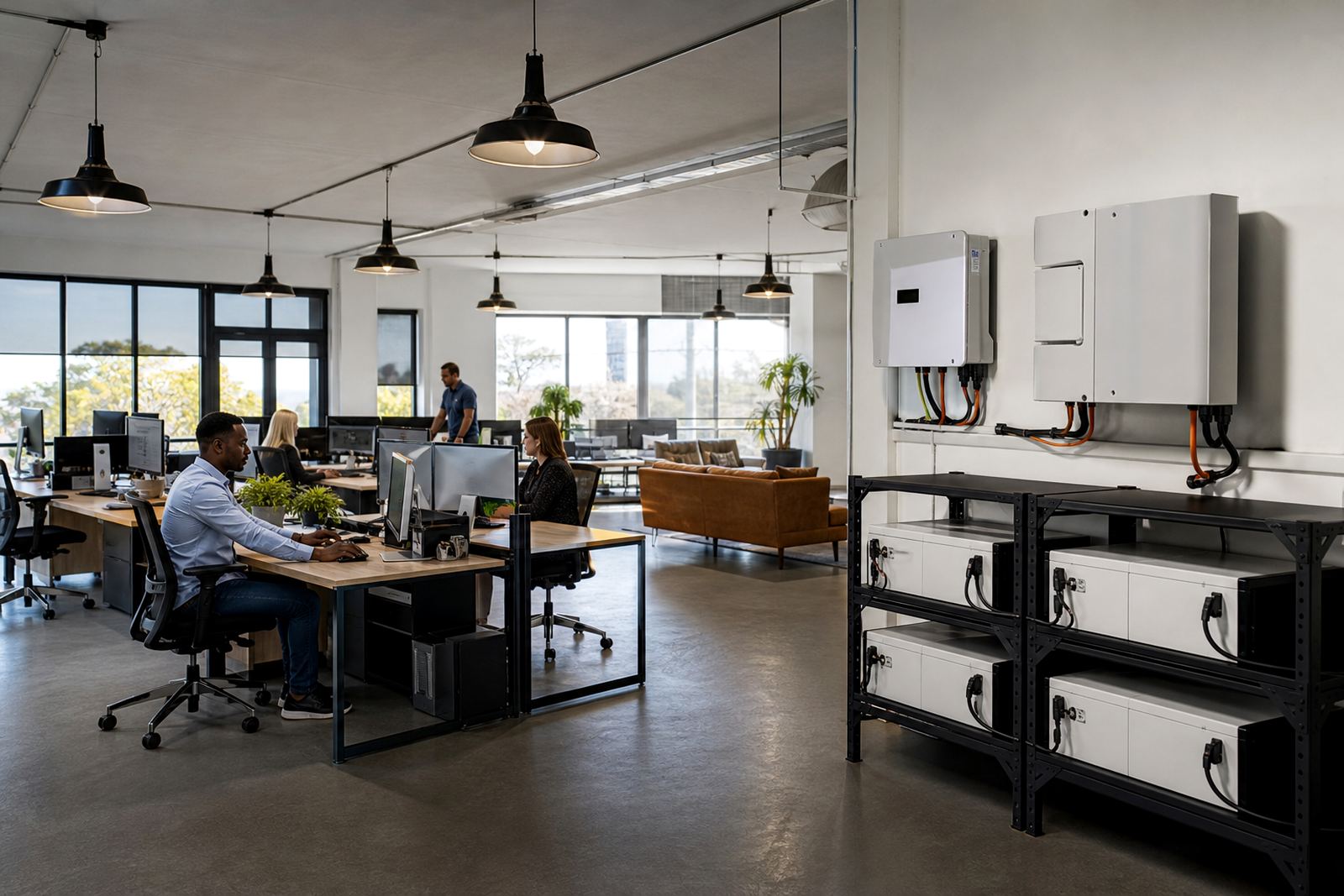
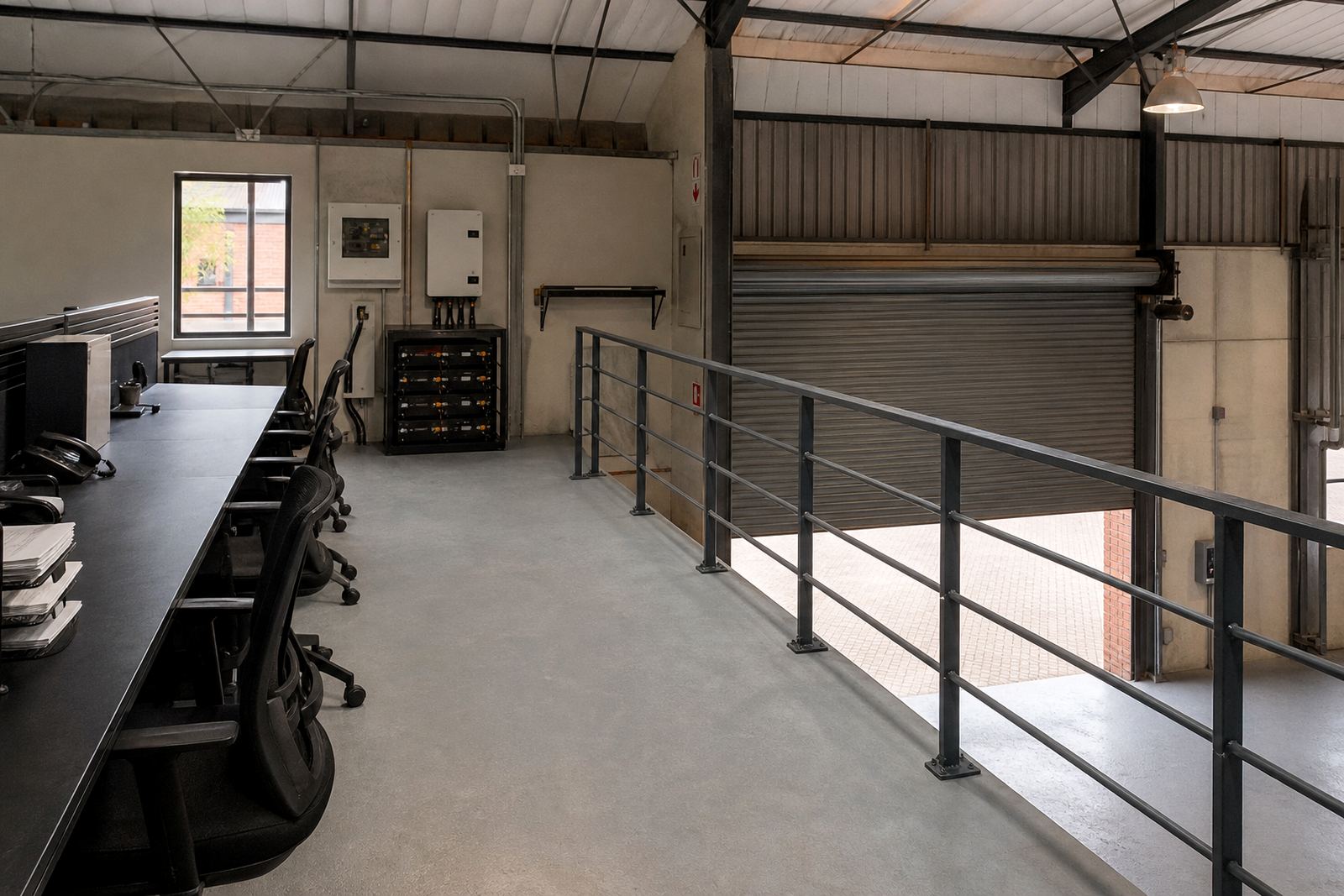
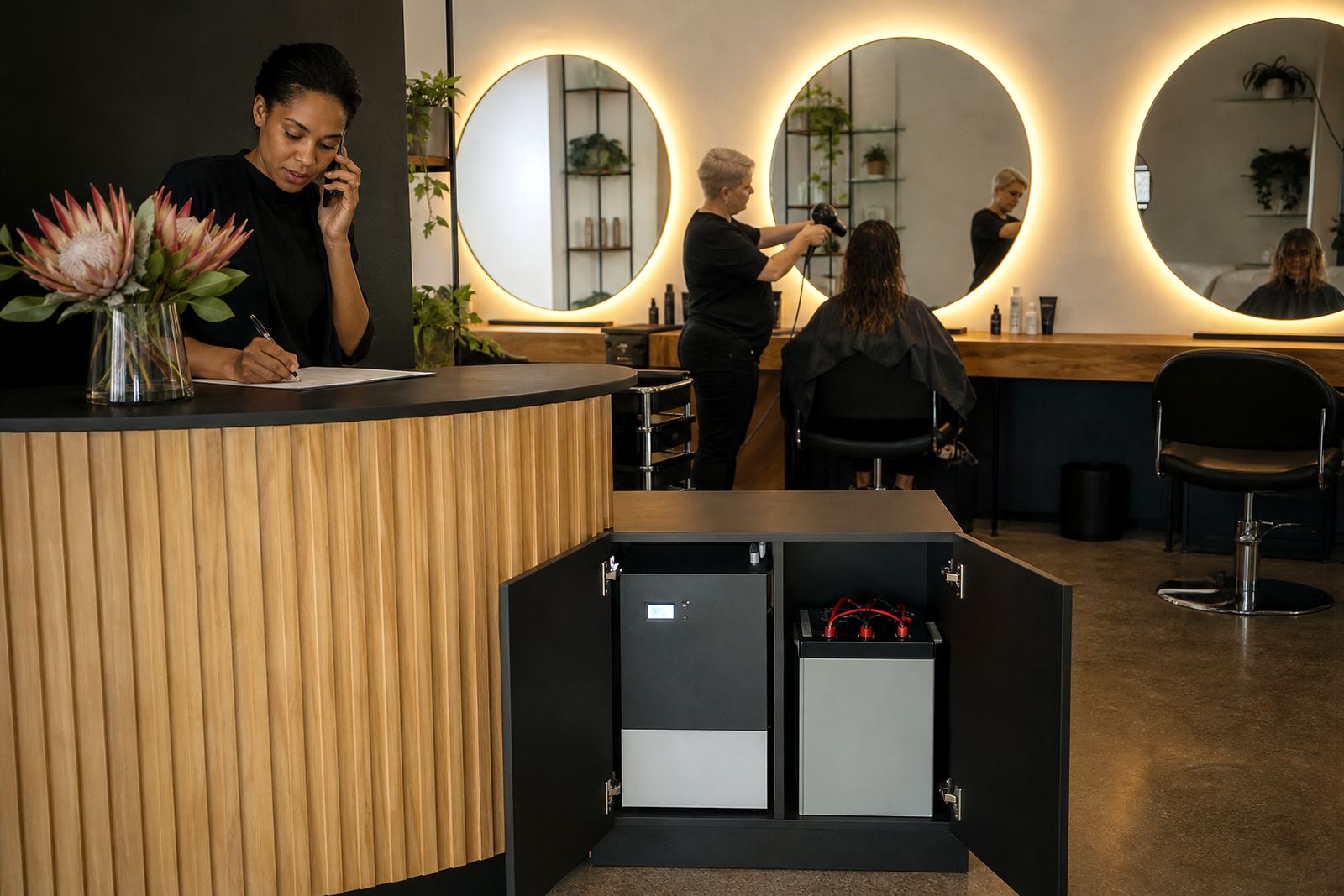
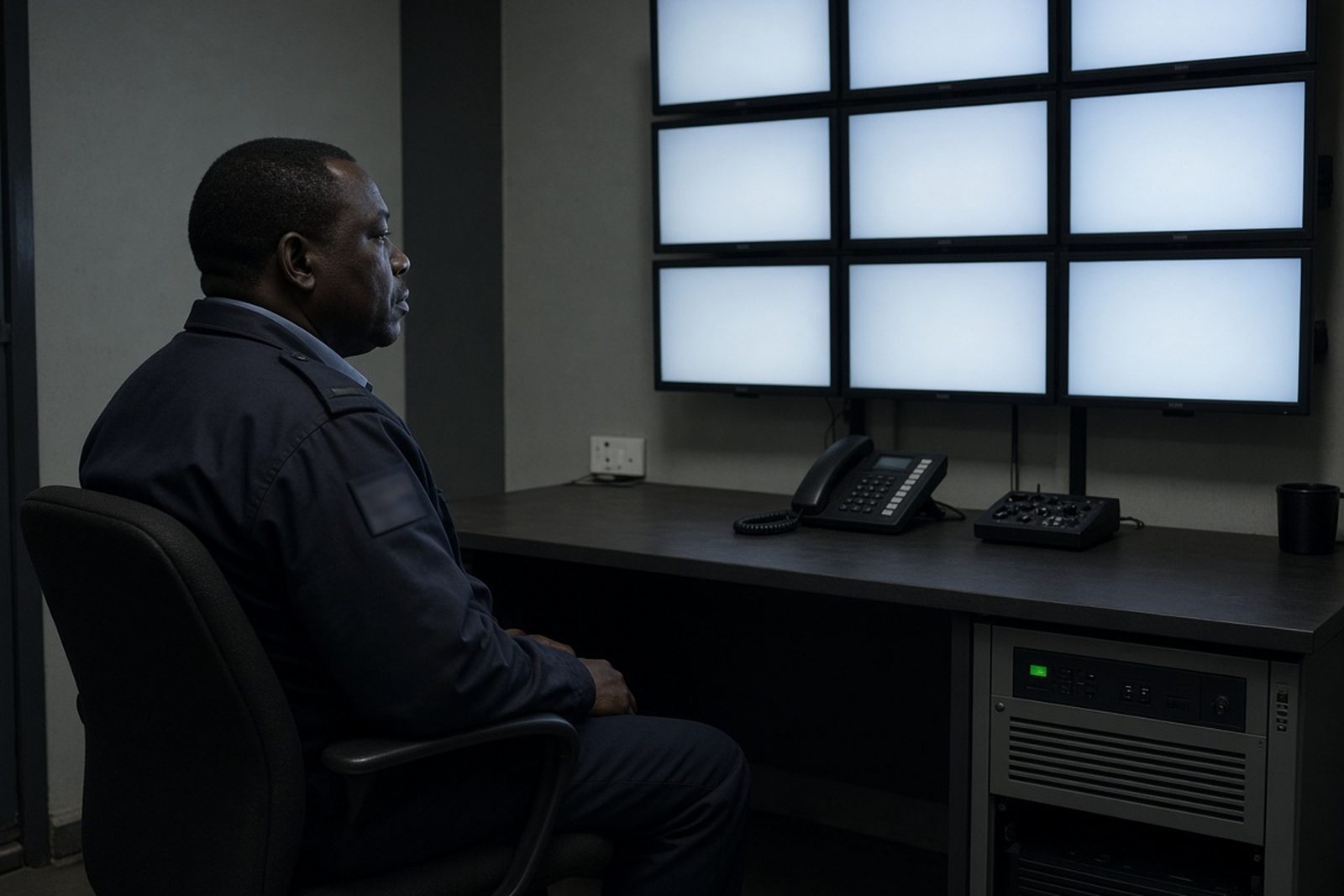
- Business backup: computers, POS, alarm, access control and network gear
- Expanded backup: staged battery capacity for longer outage periods
A site assessment helps avoid under-sizing, which leads to nuisance tripping, and over-sizing, which can leave the system carrying more than needed. The aim is sensible coverage for daily use, with room for future battery expansion where needed.
Share what must stay on during an outage and the size of the property, and a backup planner will phone or message you.
Contact formInverters that suit South African outages
Inverters convert battery power into usable AC power for the property. For many homes, a hybrid or battery inverter can keep essentials running during load-shedding and brief outages. For business premises, the layout may need a cleaner split between essential and non-essential circuits, plus changeover arrangements that keep the supply steady during transfer.
Good system planning also considers where the inverter will be mounted, ventilation, cable runs and protection equipment. Coastal humidity is less of a concern in Gauteng than on the coast, but heat, dust and poor airflow can still shorten equipment life if the installation is cramped or poorly positioned.
Lithium batteries and practical runtime
Lithium batteries are widely used for backup because they charge quickly, handle regular cycling well and take up less space than older battery types for the same usable capacity. They are useful in homes where loadshedding is frequent, and in businesses that need repeat daily cycling without constant battery strain.
Battery runtime depends on the connected load, battery size and how deeply the batteries are used. A 5 kWh battery bank will behave very differently from a larger bank feeding office equipment, so the right answer is always linked to the real load profile not a one-size-fits-all estimate.
- Single battery setups suit light essential loads
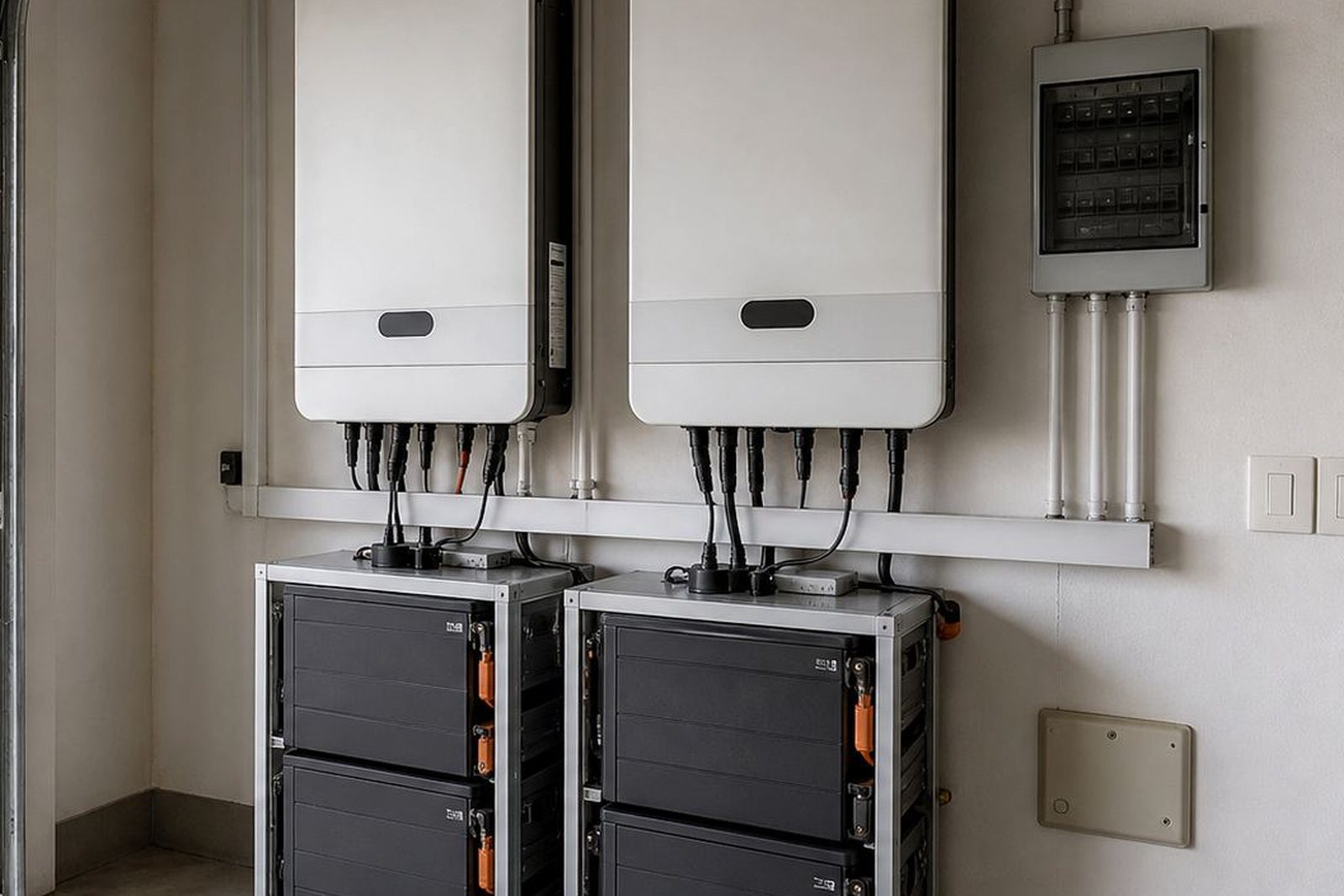
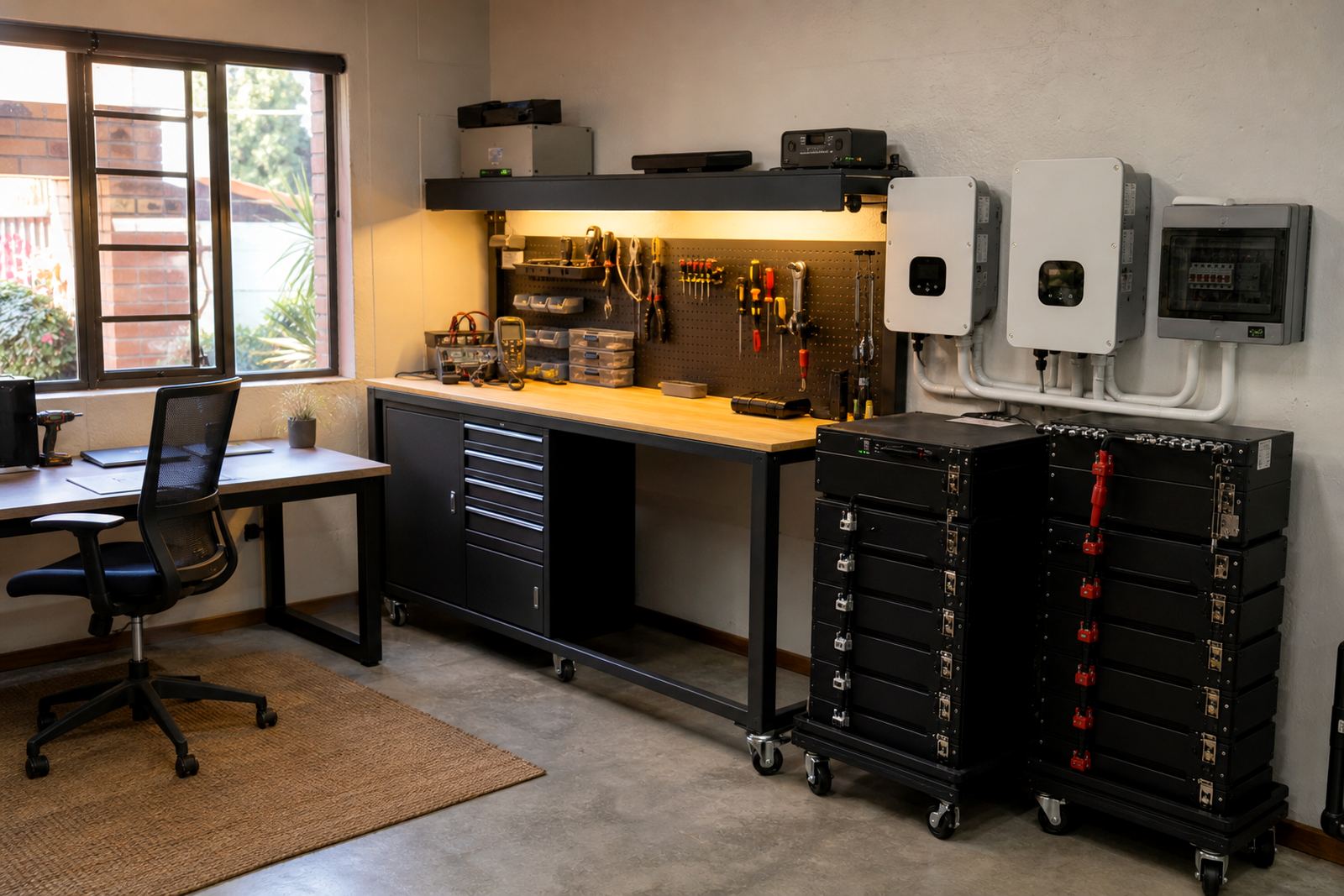
- Stacked battery banks help with longer runtime
- Battery expansion should follow the inverter's specifications
- Clean installation and correct cabling matter as much as capacity
Installation, changeover and compliance
All inverter and battery installations must be done by a registered electrician, and a Certificate of Compliance is required where applicable. If the system is grid-tied, municipal registration is also needed, especially for properties in urban areas where local rules apply. That paperwork matters as much as the hardware.
PowerCut supports essential circuit wiring, changeover solutions, commissioning and compliance guidance so the final installation is neat and properly signed off. This reduces problems later when a homeowner sells the property or a business needs proof that the backup system was installed correctly.
Support for faults, servicing and expansions
Backup systems need attention after installation too. Batteries age, settings drift and a fault on one part of the system can affect the whole supply. Routine checks help identify loose terminations, warning lights, low battery performance or issues with monitoring before a power cut exposes them.
For growing homes and businesses, battery expansions can be planned in stages. That is often useful when a property starts with lighting and internet backup, then later adds fridges, workstations or security equipment. Our team in Randburg supports enquiries from across Gauteng through the contact form, with service planning handled by people who understand local outage patterns and day to day use.