When a backup system crosses into grid-tied territory
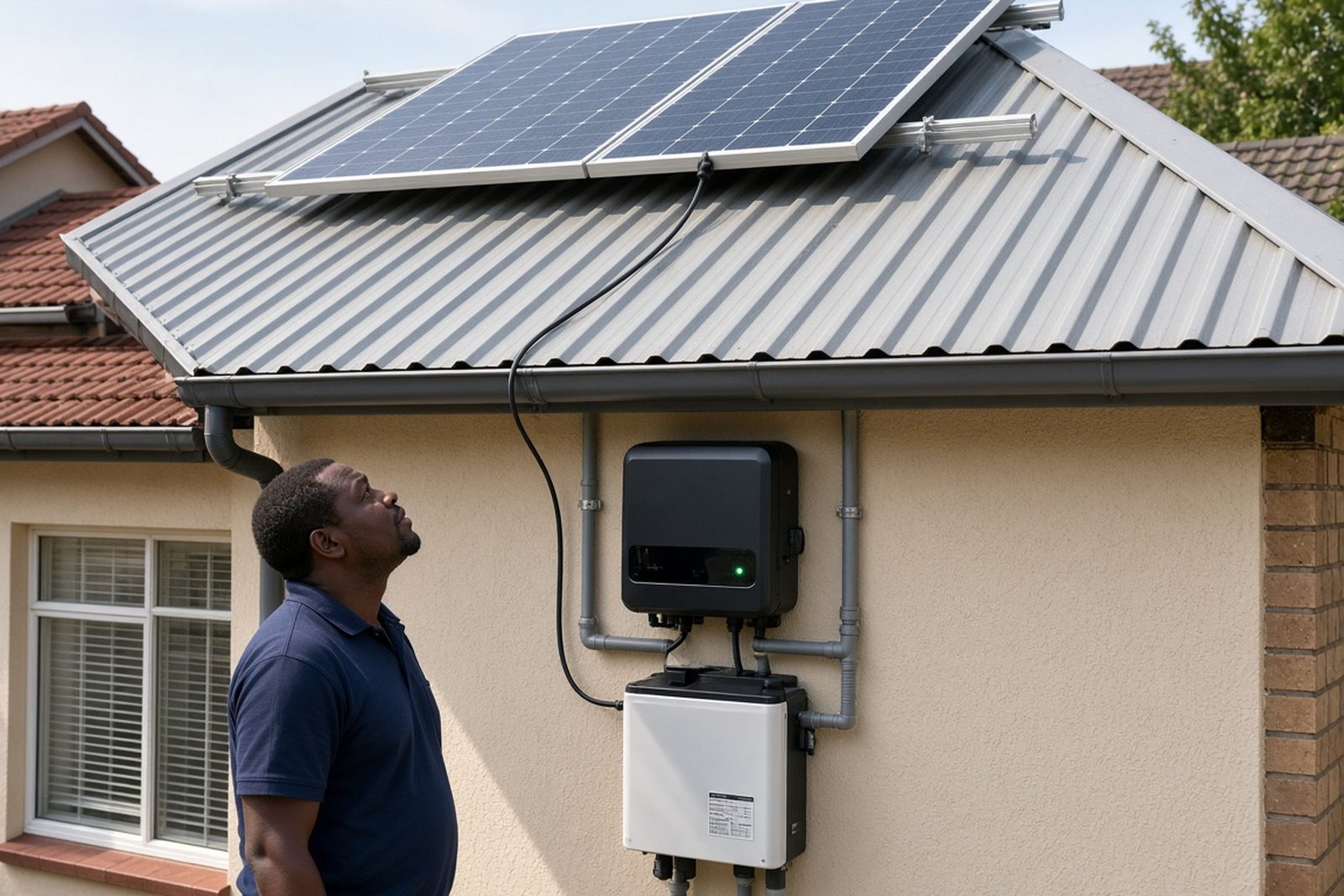
A basic inverter and battery setup that only supplies selected loads during a power cut is usually treated differently from a system that connects back to the municipal supply. Once the system can feed energy into the installation, or is arranged to operate in parallel with the grid, the municipality may require registration and approval before or after installation depending on the local process.
This is where many property owners get caught out. They assume all backup systems are the same, but there is a big difference between keeping the lights on during load-shedding and linking equipment into a supply that must comply with municipal rules. In Johannesburg, Pretoria, Centurion, Midrand and Roodepoort, the requirements can vary by area and by the type of property.
For a standard backup setup, the electrician will still need to confirm that the distribution board, essential circuits and changeover arrangement are safe. If the installation is grid-tied, the paperwork becomes part of the job, not something to deal with later when there is a complaint or inspection.
Why paperwork should never be left for later
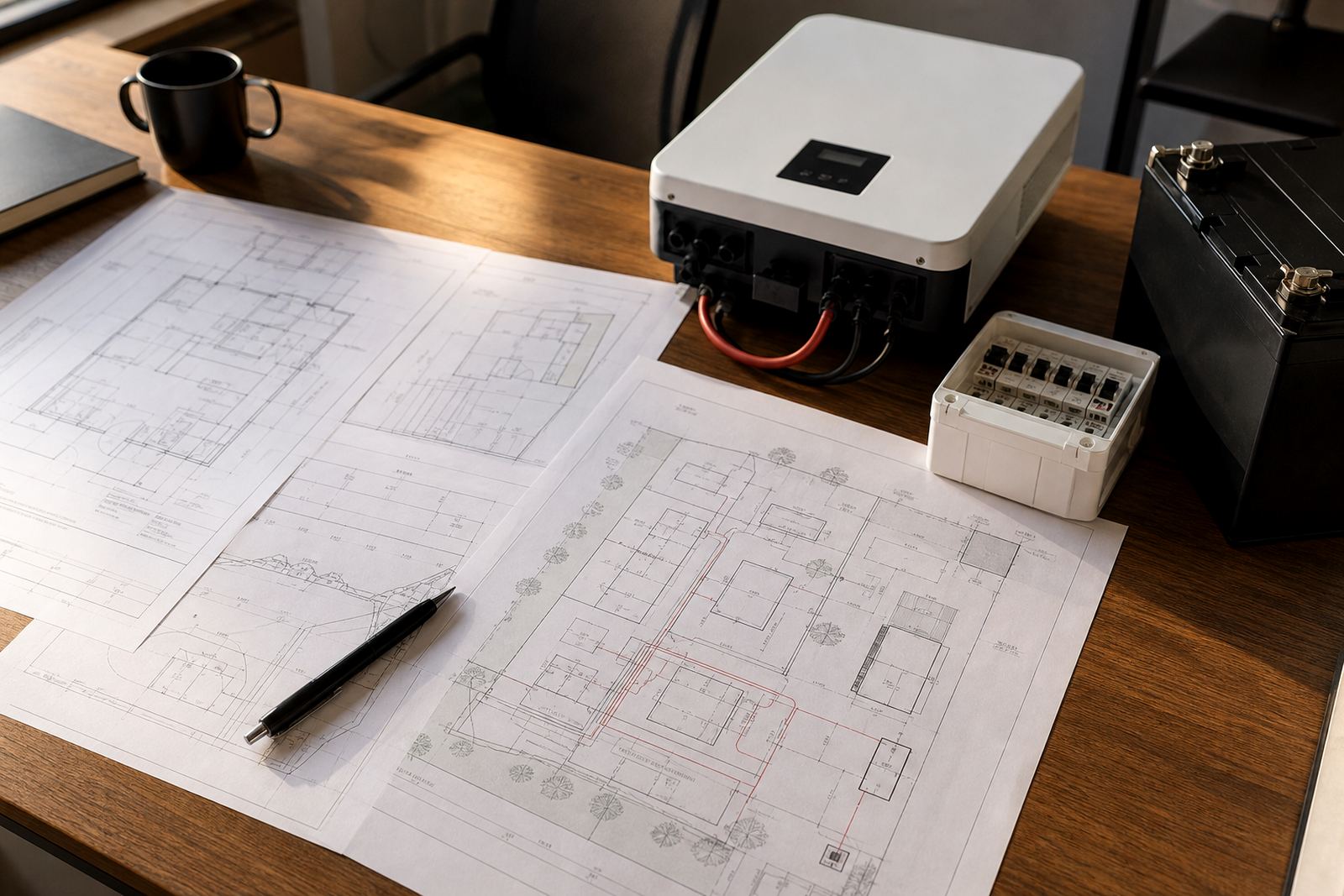
Paperwork may feel like admin, but it is actually part of the safety system. A certificate of compliance records that the installation has been carried out to standard, that protection devices are in place and that the wiring is suitable for the load. If the system is grid-tied, municipal registration adds another layer so the municipality knows what has been connected to the premises.
Skipping this step can create problems when you sell the property, claim on insurance, or need a municipal inspection after a complaint. It can also cause disputes if a fault develops on the supply side and no one has a clear record of who installed what. In commercial buildings, incomplete records can delay internal approvals and make maintenance harder down the line.
- Registered electrician required for installation work
- Certificate of Compliance needed for the completed installation
- Municipal registration may be required for grid-tied systems
- Records should match the actual wiring and equipment on site
Share what must stay on during an outage and the size of the property, and a backup planner will phone or message you.
Contact formHow inverter and battery sizing affects registration decisions
Backup sizing is not only about how long the batteries will last. It also affects how the system is connected and whether it is treated as a simple backup supply or a more complex arrangement tied to the grid. A small home in Fourways with a few essential circuits will have very different needs from a small office in Sandton running computers, lights, a gate motor and networking equipment.
The size of the inverter, the battery bank and the changeover method all need to suit the building. If the battery bank is being expanded later, that future plan should be considered from the start. A system that is under-sized can trip too often, while one that is badly matched to the installation can create unnecessary risk and a messy approval process.
For businesses, correct sizing also helps avoid nuisance shutdowns during peak load-shedding times. For homes, it keeps the essential circuits practical, so fridges, lights, Wi-Fi and a few sockets stay up without overloading the system.
- List the essential loads first, not the whole building
- Check starting surges from fridges, pumps and office equipment
- Allow space for later battery expansion if needed
- Keep the installation neat enough for inspection and future servicing
What a compliant installation usually includes
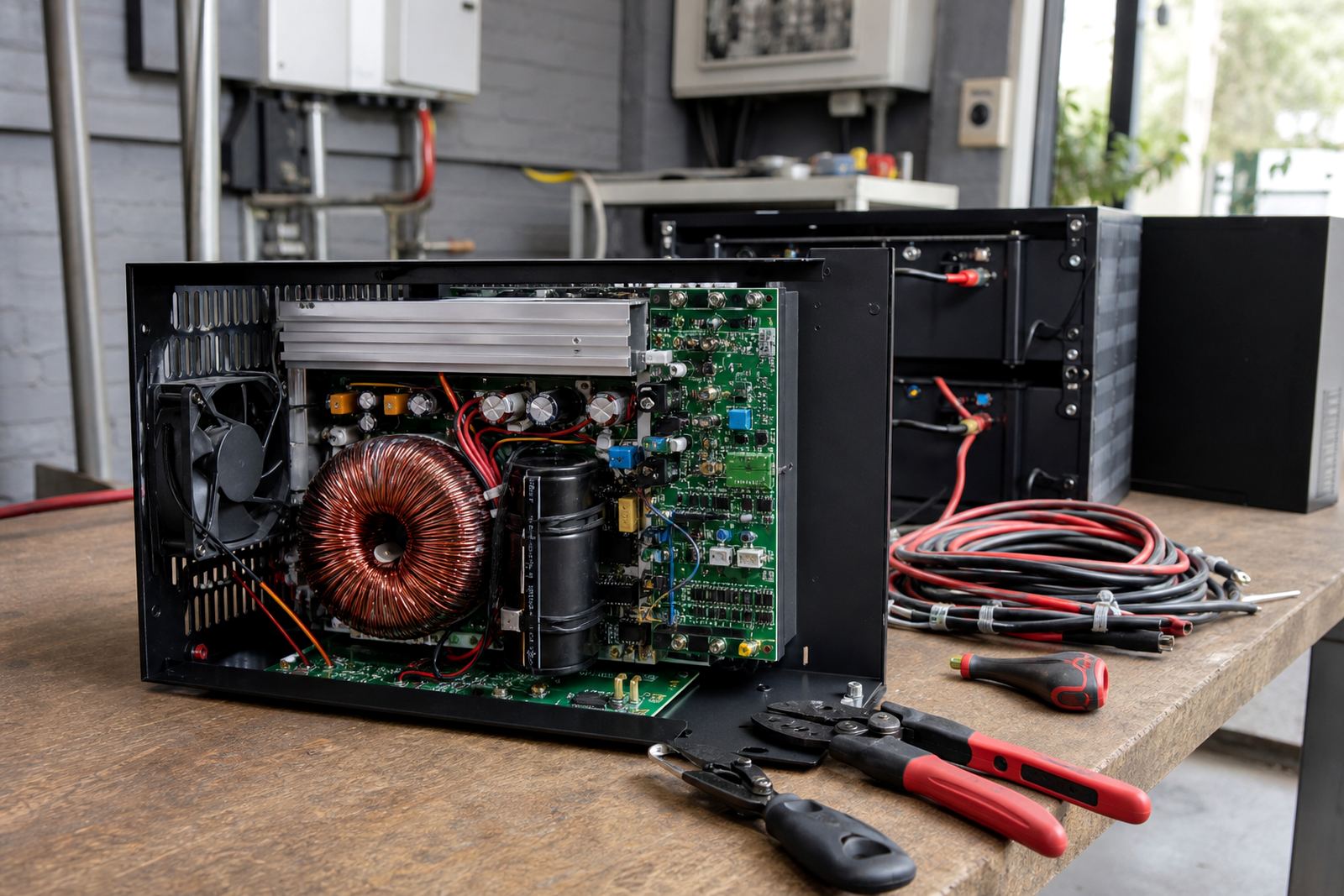
A proper backup installation is more than just mounting equipment and switching it on. The electrician should assess the site, confirm the circuit plan and make sure the inverter, batteries and protection devices are installed in a way that suits the property. On a business premises, that may include separating essential circuits from non-essential circuits. On a home, it may mean feeding the kitchen lights, plug points, Wi-Fi and security items through the backup side only.
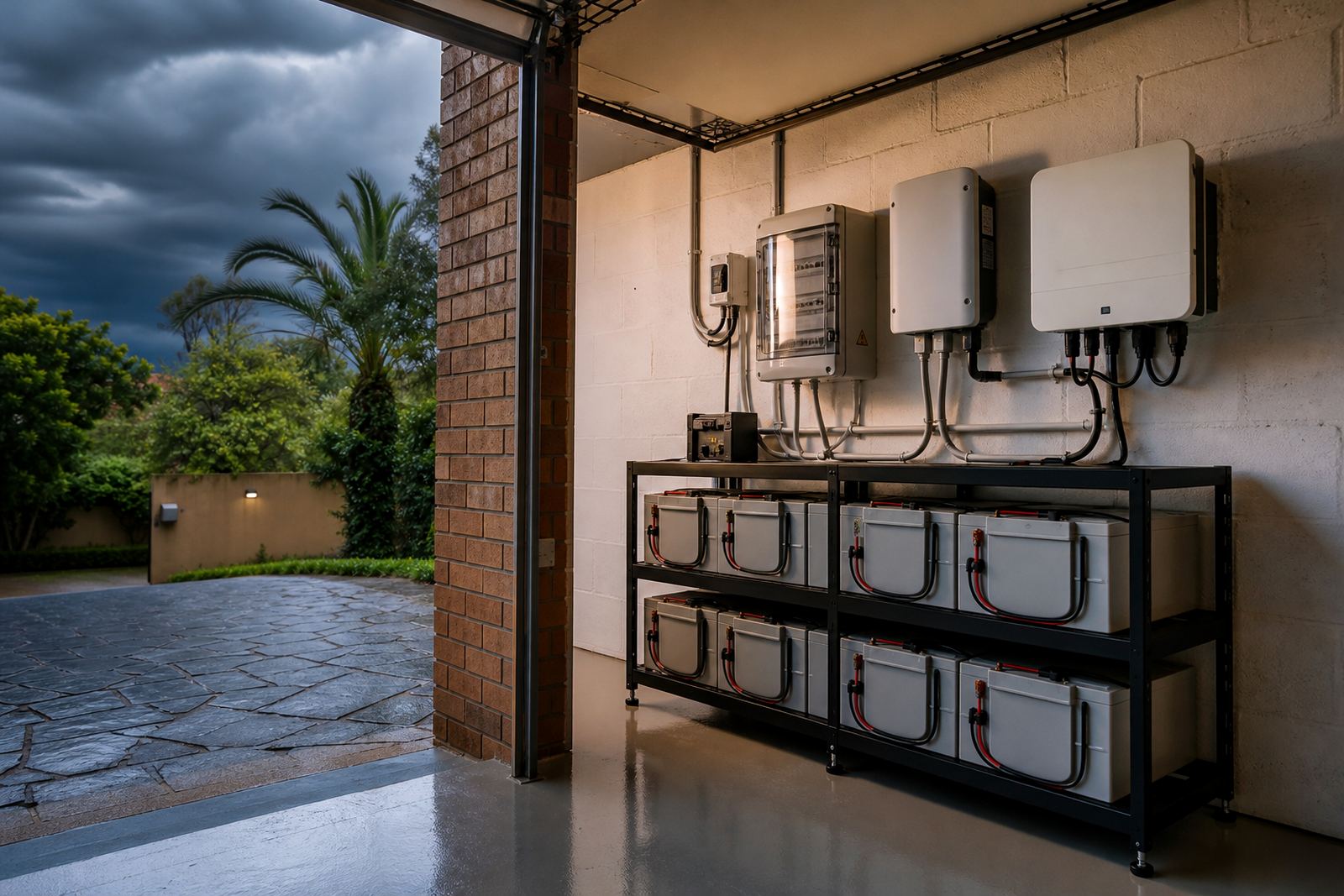
Commissioning should check that the changeover is working correctly, that the batteries are charging as expected and that the system behaves properly when the grid drops. In coastal areas the equipment also needs suitable placement because humidity can affect electrical gear over time, so a dry, ventilated location matters. In Gauteng the bigger issue is often heat and dust, especially in garages or storerooms.
Good installers also leave clear labels on the board and advise what should be switched off during an outage. That makes the system easier to use and easier to inspect later.
Out on a job: A Randburg property
Consider a Randburg sectional title unit with a small office set up at home. The owner wants to keep the router, a laptop, a few lights and the fridge running through load-shedding. The system may be straightforward, but if the equipment is wired so that it can interact with the main supply in a grid-tied arrangement, the municipality may want it registered and documented.
Now compare that with a small retail store in Roodepoort. If the backup system supports tills, alarm equipment and a few essential lights, downtime is costly and the installation must be tidy, clearly marked and compliant. A rushed job can lead to repeated faults, nuisance trips or trouble when the property is inspected. It’s better to get the paperwork right at the same time as the wiring.
That is why site assessment matters. The same technology can be used in very different ways, and the approval route depends on how it is connected, not just on the size of the battery bank.
What owners should ask before any work starts
Before installation, ask a few direct questions so there are no surprises later. The right answers will tell you whether the system is intended as standalone backup or whether it crosses into grid-tied territory that may need municipal registration. If the supplier cannot explain the process clearly, that is a warning sign.
- Will the installation be backed by a registered electrician?
- Will I receive a certificate of compliance after completion?
- Does this system connect in any way to the grid supply?
- If municipal registration is needed, who prepares the documents?
- How will essential circuits be separated and labelled?
It is also worth asking about future changes. If you plan to add more batteries later, or expand from a home setup to a larger business system, the original design should allow for that without creating another round of compliance problems.
Why proper registration protects the system long term
Municipal registration is not just about ticking a box. It helps protect the owner, the installer and the property by making the installation traceable and easier to verify. When records are in place, maintenance is simpler, fault-finding is faster and the chances of disputes are lower. That matters in a country where load-shedding can push people to upgrade quickly and sometimes before they have thought through the paperwork.
For homes and businesses across Gauteng, the safest approach is simple: size the system properly, install it through a registered electrician, complete the compliance documents and check whether municipal registration applies. Do that from the start and the backup system is far less likely to cause trouble when the power goes out or when the property is reviewed later.
Paperwork may not keep the lights on by itself, but it keeps a good installation on the right side of the rules, and that matters just as much.