Why the fridge matters more than the lights
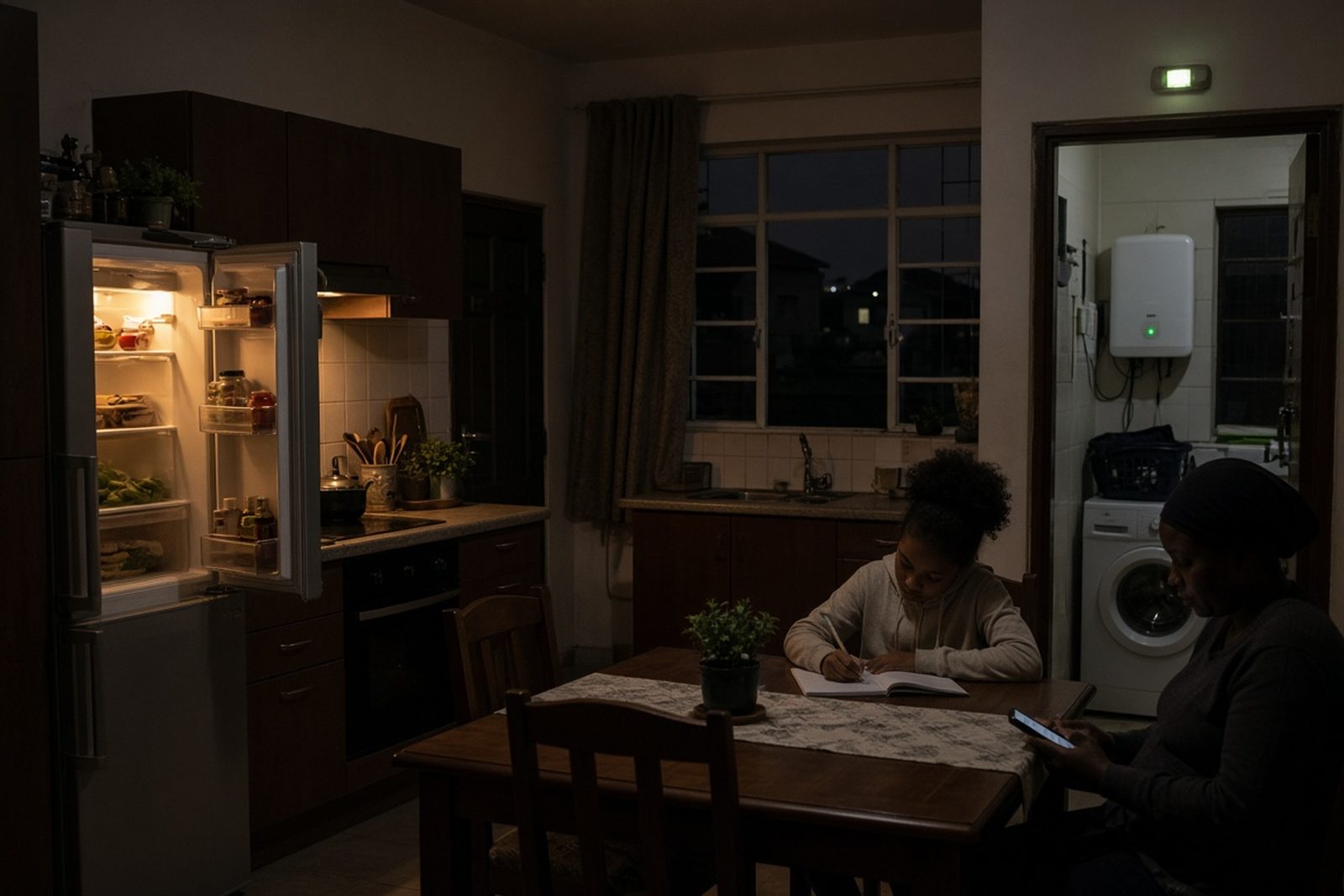
When the power goes off, most people can live with a few dark rooms and a silent TV. Food spoils far quicker. That is why a fridge or freezer often becomes the first appliance to place on a backup circuit, especially in homes with frequent outages and businesses that keep stock, samples or perishables on site.
In Randburg and across Johannesburg, we often see systems planned around lights and plugs first, then the fridge gets added later. That is where problems start. A fridge does not draw a steady load all day. It has a compressor that switches on and off, and that start-up surge can trip an inverter if the unit is too small or the wiring is not set up properly.
For some households, the fridge can sit on the same essential circuit as a few lights and the Wi Fi router. For others, especially where there is a larger fridge, chest freezer or bar fridge, it may need its own dedicated backup line. The right answer depends on the appliance, the rest of the load and how long you want it to run during outages.
What to check before putting a fridge on backup
Before a fridge is moved onto backup power, the technical side needs proper attention. The appliance age, compressor condition, door seals and insulation all affect how hard it works. An older unit that already cycles often will place more demand on the inverter and battery bank than a newer efficient model.
Battery runtime is another key point. A lithium battery is well suited to backup systems because it handles regular cycling better than older battery types and can be discharged more deeply when sized correctly. Even so, a battery does not create extra power. It only stores what the system can supply, so the full load has to be planned around the inverter capacity and usable battery energy.
For a fridge on backup, we usually look at the essentials together rather than in isolation. If the same circuit also carries a microwave, kettle or iron, the system will struggle. A fridge needs a clean, sensible load profile. That is why backup sizing matters before anything is connected.
- Age of the appliance and how often the compressor starts
- Running load, starting surge and whether there are multiple fridges
- Battery capacity needed for the expected outage window
- Other essential appliances that may run at the same time
Share what must stay on during an outage and the size of the property, and a backup planner will phone or message you.
Contact formInverter size and battery capacity need to match the fridge
People often ask whether any inverter will do the job. It will not. A small fridge may seem easy to support, but the inverter still has to handle the initial surge and the ongoing cycle. If the unit is undersized, the fridge may trip every time the compressor starts. That can become frustrating very quickly, especially during evening outages in areas like Midrand or Centurion where the power cuts can arrive just as dinner is being prepared.
The battery side must also be matched to the use case. A single fridge with light use may only need modest storage, but a family home with a fridge freezer, a chest freezer and a few lights needs a more careful layout. In a commercial setting, such as a small restaurant, medical room or office kitchen, the load profile changes again. The question is not only whether the fridge will switch on, but whether it will keep temperature safely until the power returns.
In homes near the coast, humidity can also affect how hard refrigerators work, and warm garages or enclosed sculleries can raise the load further. During site assessments we check where the appliance sits, how well ventilated the area is and whether the cabinet gets direct sun or heat from other equipment.
Essential circuit wiring should keep food safe and faults out of the way
Putting a fridge on an essential circuit is not only about power. The wiring must be neat, properly protected and easy to isolate if there is a fault. In many properties, the safest solution is to move the fridge and a small number of essential points onto a dedicated backup board or a carefully split sub circuit.
That layout helps prevent nuisance trips and makes it easier to find faults later. It also keeps the backup system from being overloaded by someone plugging in a kettle or heater when the power is off. For businesses in Sandton, Fourways or Roodepoort, this matters even more because one accidental overload can affect stock, equipment and daily operations.
A registered electrician must carry out the installation, and the work needs a certificate of compliance. If the system is grid-tied, municipal registration is also required. That is especially important where an inverter feeds selected circuits from the property supply and changes the way the installation interacts with the municipal network.
Out on a job: Johannesburg homes
A common request from homeowners in Randburg is simple: keep the fridge, one or two lights and the router running during load-shedding. That sounds straightforward until the house has a large double-door fridge, a few older appliances and a garage freezer all pulling from the same backup supply. In those cases, the system may need a stronger inverter, a bigger lithium battery bank or a change to the essential circuit plan.
We see the same pattern in Johannesburg businesses too. A small office may only need a bar fridge and server cabinet supported for a few hours, while a takeaway shop may need the fridge to remain stable through several cuts in one day. The difference between a workable setup and a frustrating one often comes down to honest sizing from the start.
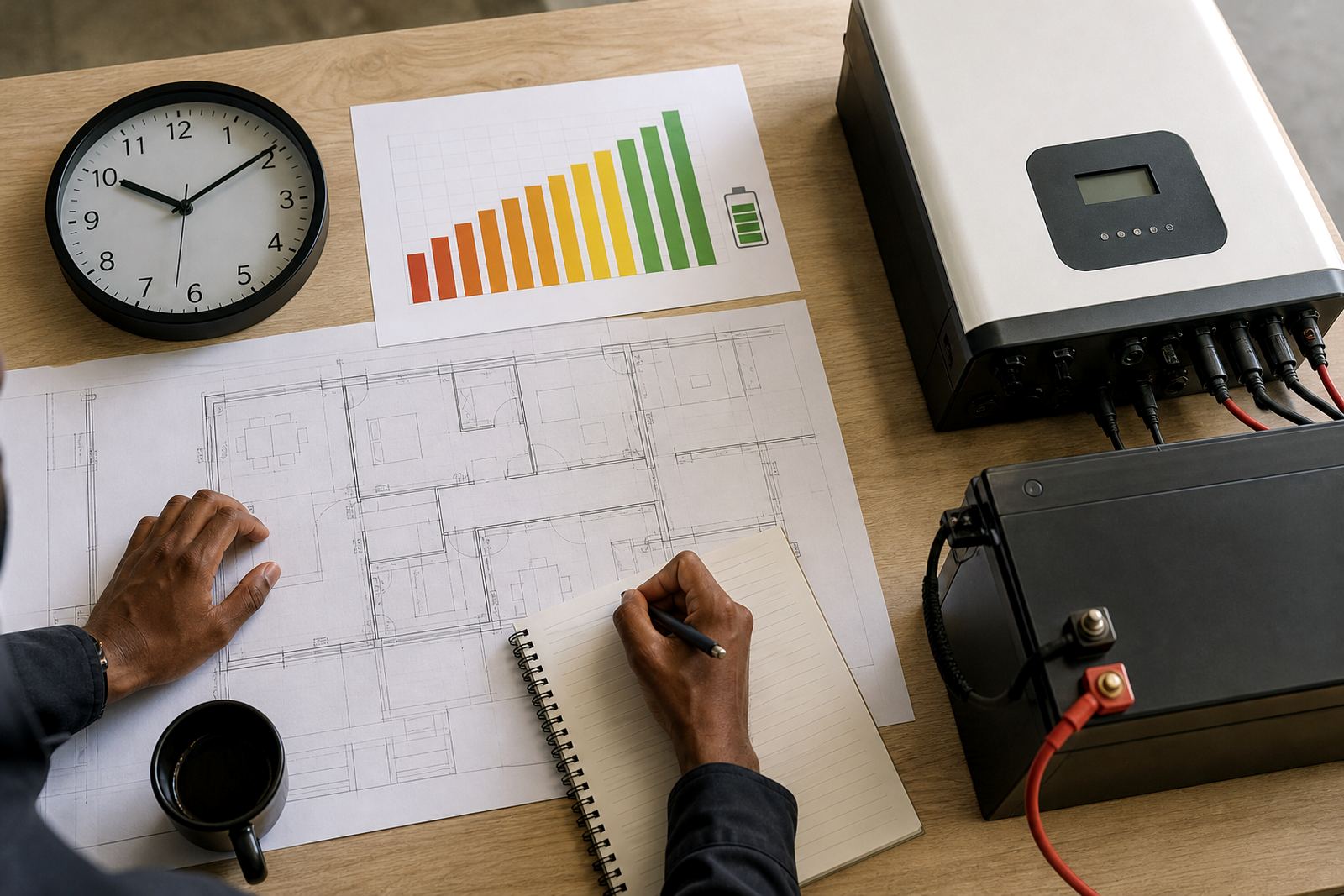
That is why a site assessment helps. It lets the technical team measure the existing board, identify the fridge load and decide whether an inverter installation, battery installation or circuit change is the better route. It also helps with monitoring setup, so you can see what the system is doing when the grid drops.
How PowerCut helps plan a fridge-friendly backup system
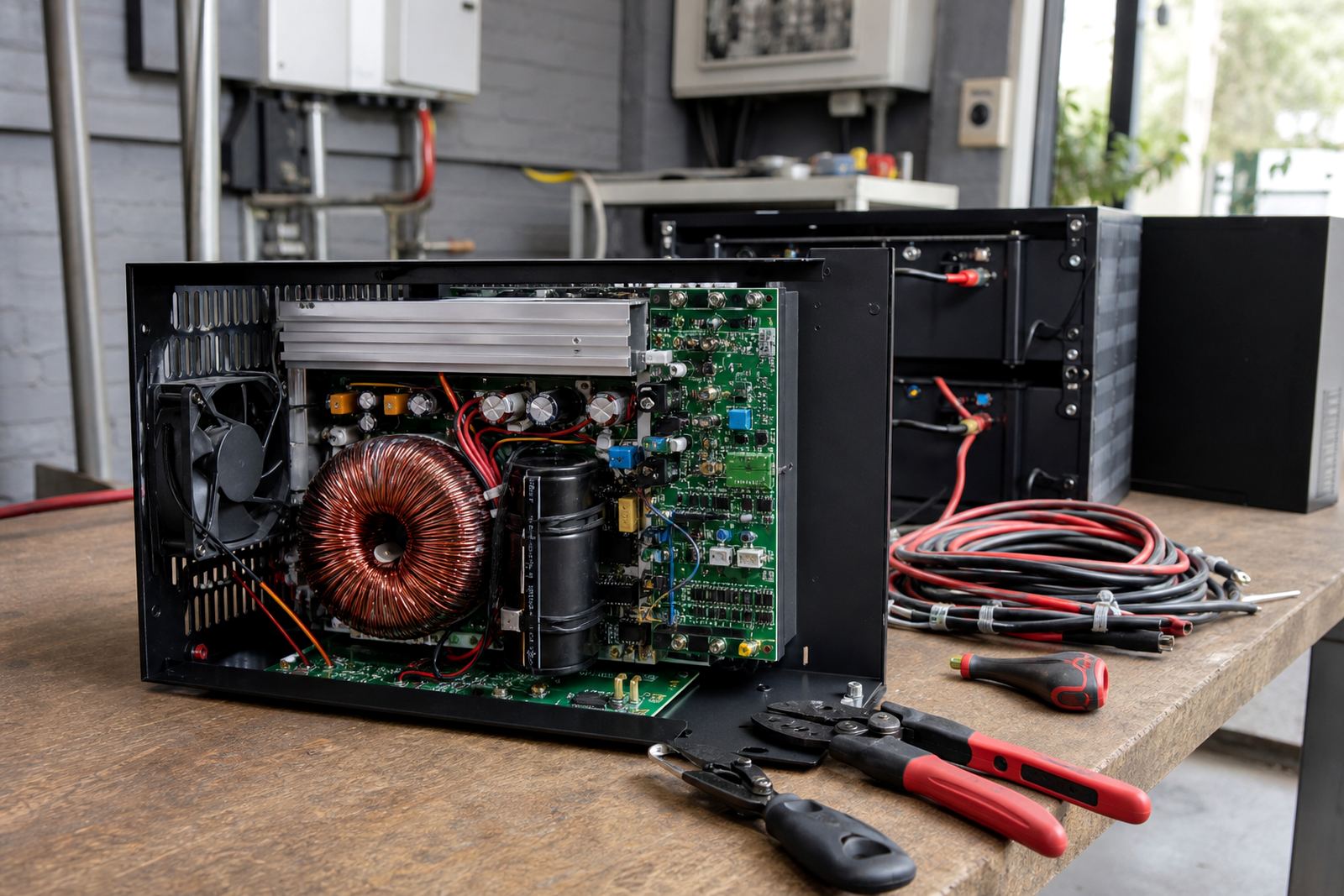
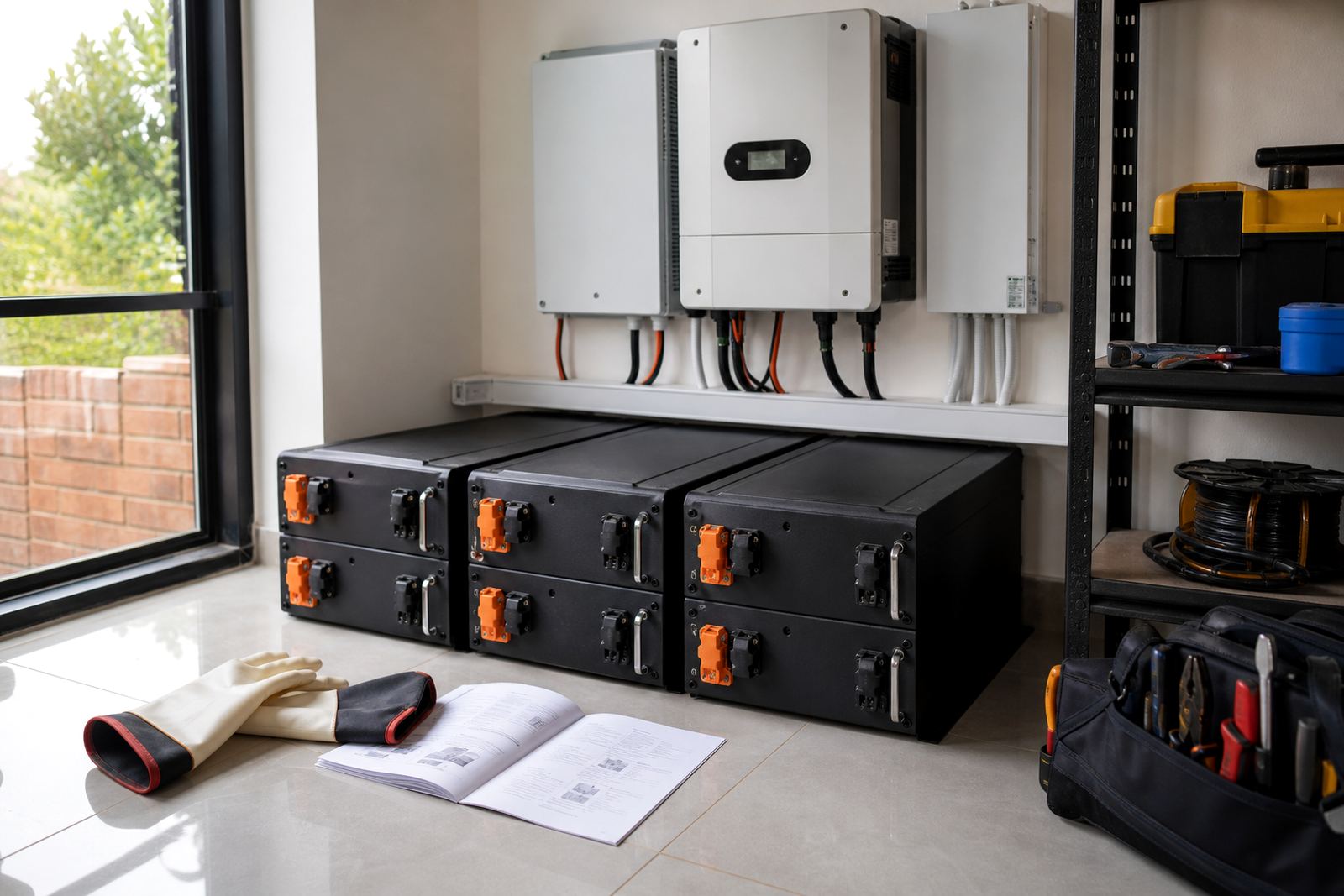
PowerCut supplies inverters and lithium batteries for homes and businesses across Gauteng, with service in Randburg, Johannesburg, Pretoria, Centurion, Midrand, Roodepoort, Sandton and Fourways. Our team works through backup sizing, essential circuit wiring, changeover solutions, commissioning and fault checks so the fridge is included properly, not as an afterthought.
We look at what must stay on during outages, how long it needs to run and whether the existing installation can support the added load. If the system needs battery expansion later, we plan for that too. Routine servicing and monitoring support help keep the setup in good working order, especially where load-shedding is frequent and the fridge must stay within a safe temperature range.
For a fridge on backup, the best result is usually the practical one: enough power, the right wiring and a system that does not struggle every time the compressor starts. That saves food, reduces nuisance trips and makes the backup supply genuinely useful when the lights go out.