What a lithium battery does in a backup system
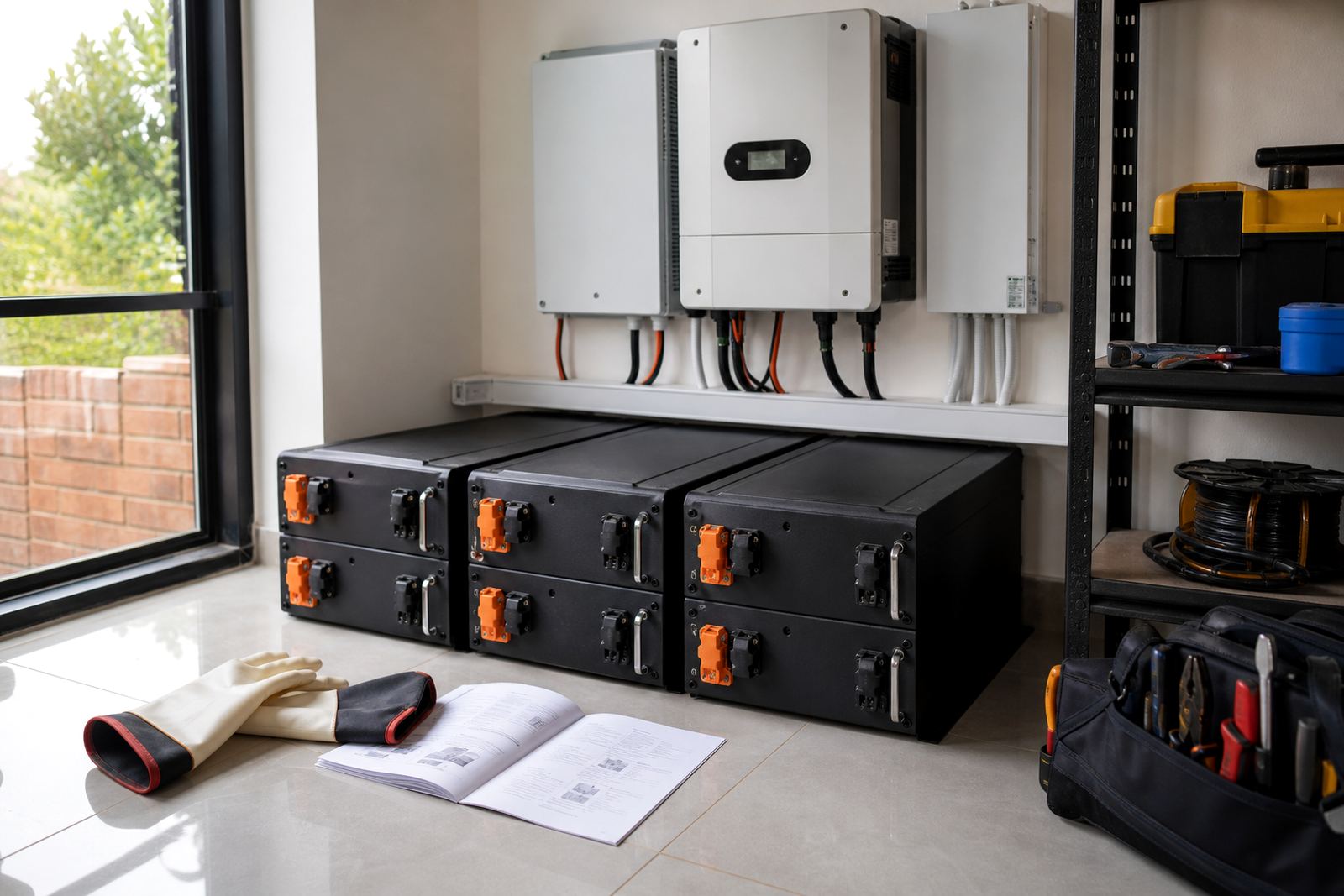
A lithium battery stores energy from the grid or from solar charging so it can be used when supply drops away. In a backup system, the inverter changes that stored DC power into AC power for lights, routers, fridges, gates, tills and other essentials. The battery is the part that determines runtime, while the inverter sets the load that can be supported at any one time.
For many South African homes, the aim is not to run everything. It is to keep selected circuits going through stage 2, stage 4 or a longer outage. That might mean the Wi-Fi, TV, a few lights and the fridge at home, or office networking, a small server rack and security equipment in a business premises. The right battery should fit the actual load, not just the wish list.
Why lithium suits South African load-shedding
Lithium batteries are popular because they cope better with regular charging and discharging than older backup batteries. In an area like Gauteng where load-shedding can happen often, that matters. A battery that is only expected to work once in a while is very different from one that needs to cycle several times a week, sometimes more.
They also recover faster after an outage, which helps when power returns for only a short window. That can be useful in suburbs like Sandton, Fourways and Midrand where people want a system that can recharge while the supply is back and be ready again quickly if the next cut comes. In coastal areas the air is different, but even inland, heat and poor ventilation can shorten battery life if the installation is not done properly.
- Fast charging for repeated outage cycles
- Good energy storage in a compact footprint
- Suitable for frequent use in homes and business premises
- Lower maintenance than older battery chemistries
Share what must stay on during an outage and the size of the property, and a backup planner will phone or message you.
Contact formHow to size a battery without guessing
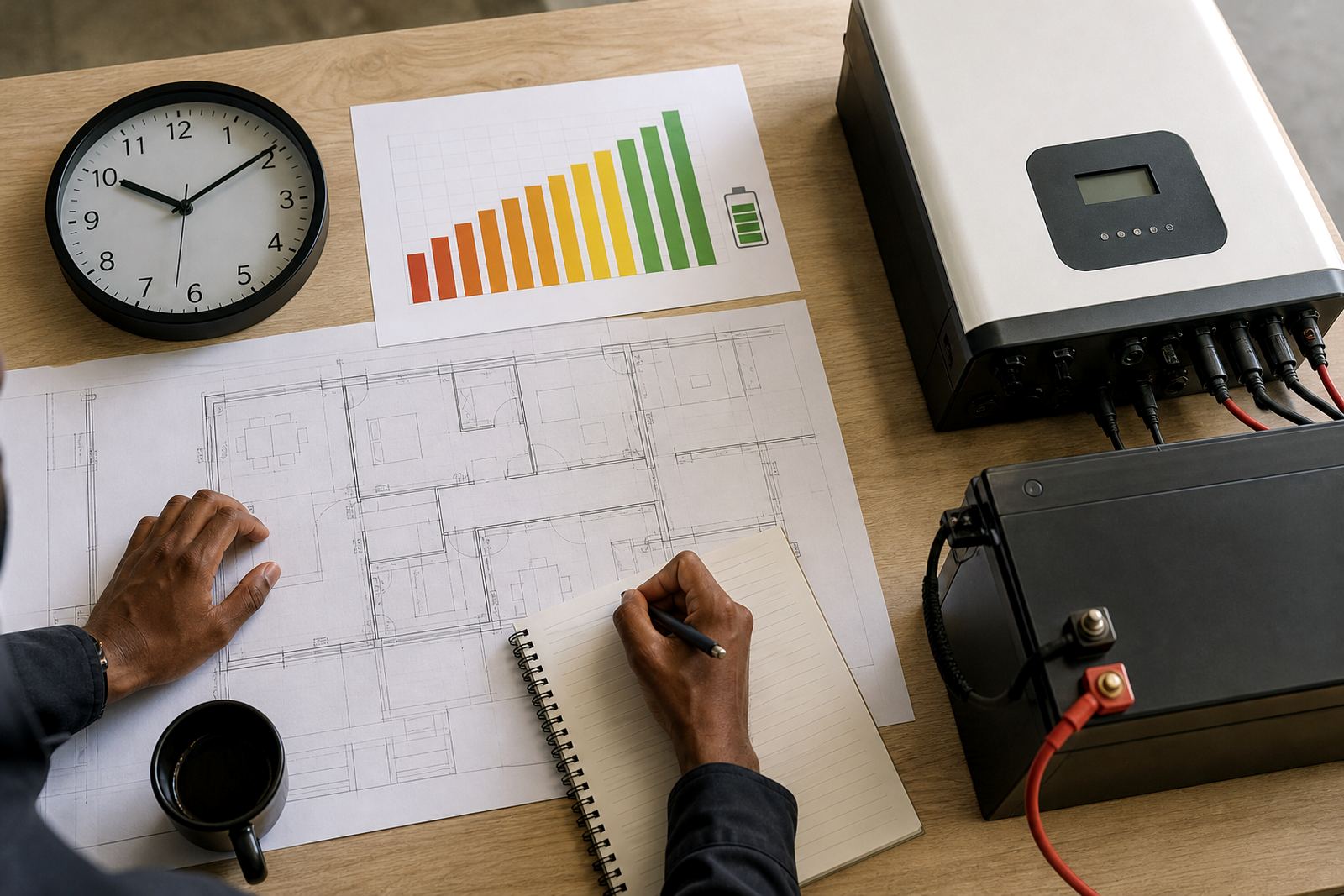
Battery sizing starts with the loads you want to keep alive and for how long. A small home backup setup might only need to hold up lighting, internet and a few sockets for a short outage. A larger house, or a small office in Centurion or Roodepoort, may need longer runtime and higher output for more equipment. It is better to list the essential circuits first, then work backwards from the total wattage and expected hours of use.
As a simple guide, think in terms of three questions. What must stay on, for how long, and what happens when the battery is nearly empty. The answer tells you the battery capacity required, the inverter size, and whether one battery is enough or whether an expansion plan makes more sense. A proper site assessment helps avoid overspending on unused capacity or undersizing the system and getting caught out during a long outage.
- Make a list of essential appliances and circuits
- Estimate the hours you need them to run
- Check the inverter compatibility and battery voltage
- Plan for future expansion if your load is likely to grow
What to look for when choosing a battery
Not all lithium batteries are the same. Some are built for light residential use, while others are made for heavier daily cycling in commercial settings. The key points are capacity, usable depth of discharge, cycle life, communication with the inverter, warranty terms and the physical installation space. You also want a battery that suits the temperature and dust conditions where it will be installed.
In practical terms, check whether the battery can handle the loads you plan to run, whether it can be expanded later, and whether it is compatible with the inverter setup you already have or plan to install. If you are adding batteries in stages, the system should be designed so the extra units work properly with the first one, not against it. Poor matching can lead to awkward performance, and sometimes early wear. It is worth taking time here.
- Capacity and usable energy in kilowatt hours
- Continuous and peak discharge capability
- Battery management and inverter compatibility
- Cooling, space and wall or floor mounting needs
Installation rules that matter in Gauteng
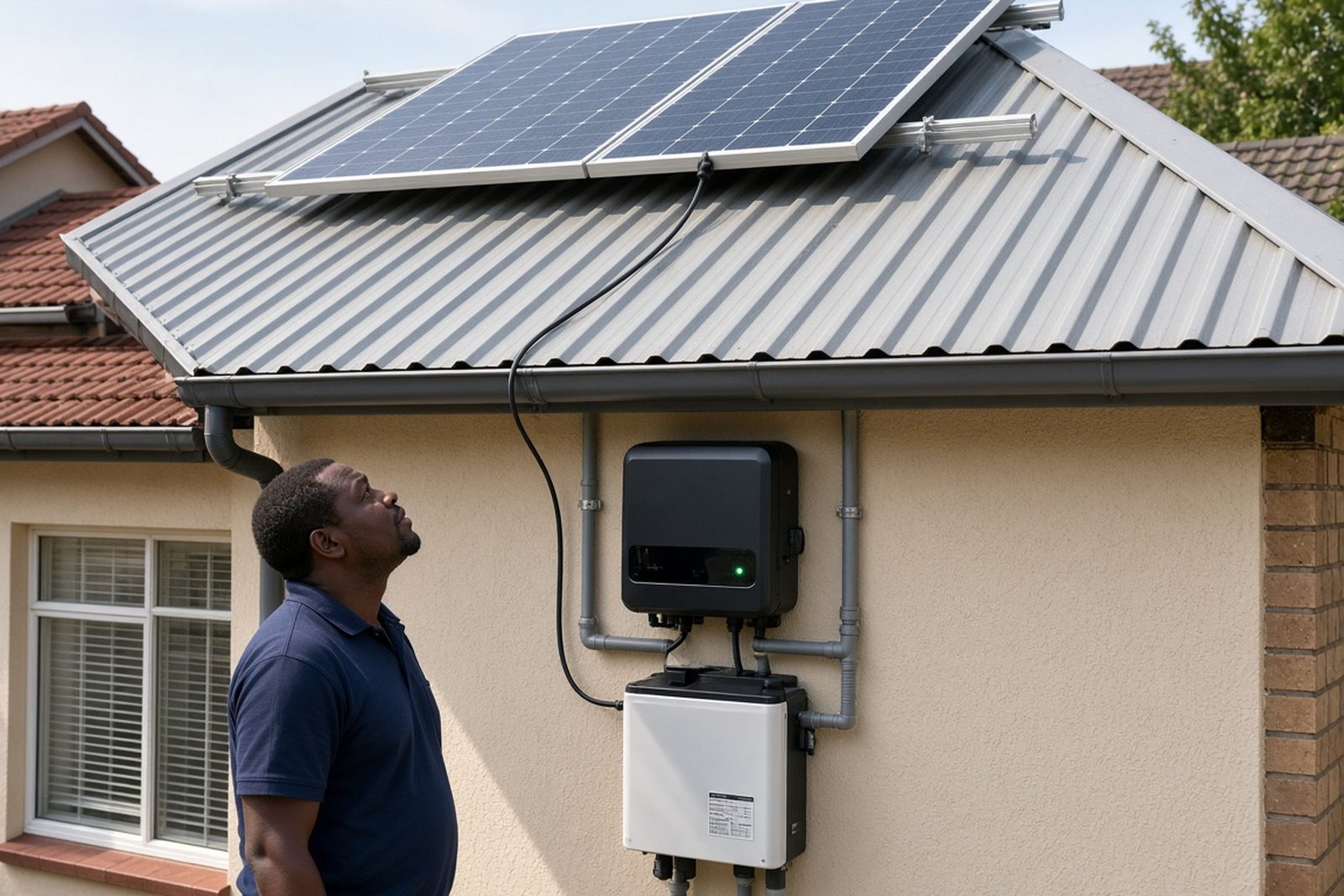
A lithium battery backup system must be installed by a registered electrician, and the work should be followed by a certificate of compliance. That is not just paperwork. It protects the property owner, helps with insurance requirements and reduces the risk of unsafe wiring or overloaded circuits. If the system is grid-tied, municipal registration may also be required depending on the setup and the local rules that apply.
Essential circuit wiring and changeover solutions should be done neatly and clearly, with proper isolation and labelling. In a business setting, this helps staff know what is backed up and what is not. For homes in Johannesburg, Pretoria, Midrand or the surrounding areas, it also helps when load-shedding hits at unexpected times and you need the system to switch correctly the first time.
A local example: a Randburg shop with mixed loads
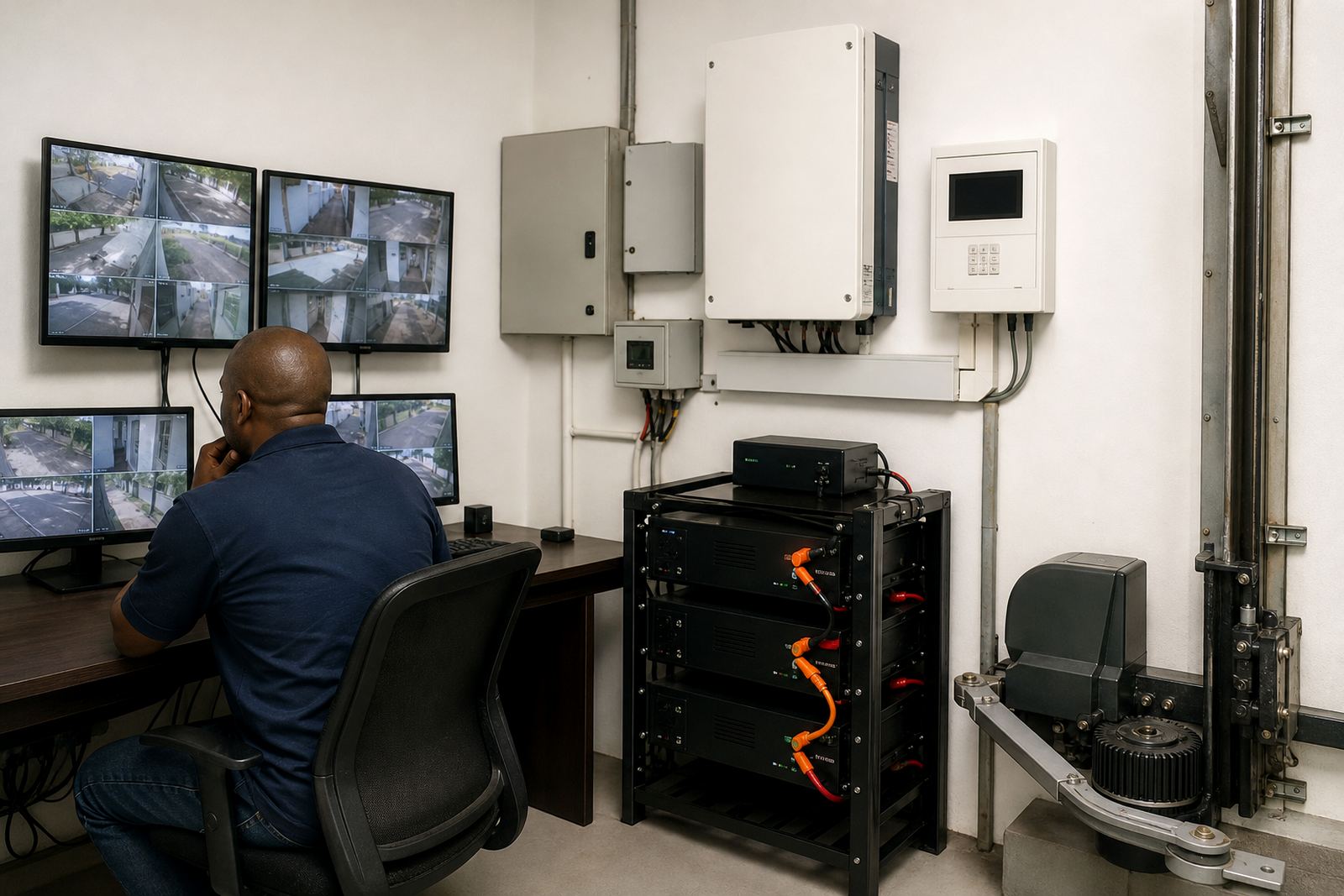
Take a small retail shop in Randburg with point-of-sale equipment, a router, security cameras and a few lights. The owner does not need every appliance on backup, just the essentials that keep the business trading safely through outages. A lithium battery system can be sized to support those circuits, with the inverter carrying the load and the battery providing the runtime.
If the shop later adds more tills or a small office area, the battery bank can be expanded if the original system was planned properly. That is why backup sizing should be done before the installation, not after the first outage when everyone discovers the battery is too small. Good planning saves hassle and keeps the setup practical for the way the premises really operate.
Support after installation, not just on the day
Battery systems need occasional checks, especially where the load changes or the property adds more equipment. Routine servicing, fault checks and monitoring setup can help spot issues early, like an inverter not charging as expected or a battery expansion that is not communicating properly. In homes, that often shows up as shorter runtime than expected. In businesses, it may appear as repeated tripping or a circuit that should have been covered but is not.
For customers in Gauteng, including Johannesburg, Pretoria, Centurion, Midrand and Roodepoort, practical support means more than selling equipment. It means confirming the system fits the building, the loads and the compliance requirements. Whether you are starting from scratch or adding battery capacity to an existing backup system, the basics stay the same: choose the right size, install it properly and keep it maintained.