Start with the loads you actually need to keep on
Before an outage, walk through the rooms that matter most and decide what must stay powered. In many Johannesburg and Randburg homes that means the router, a few lights, the TV, a security gate motor, the fridge and perhaps a small plug point for a laptop or medical device. Do not treat every appliance as essential, because the more you ask of the system the faster the battery will drain.
A proper backup size starts with a load check. A small home office in Fourways will need a different setup from a family home in Roodepoort with a fridge, Wi-Fi and a garage door motor. If the battery bank is undersized, the inverter may switch over fine but your runtime will be too short. If it is oversized for the charging source, recovery after an outage can take too long.
- List the appliances you need for each outage period.
- Note which items can wait, such as kettles, heaters and irons.
- Check whether your fridges, gate motor and lights should be on essential circuits.
- Make sure everyone at home knows what must stay off during backup use.
Check battery state before the next interruption
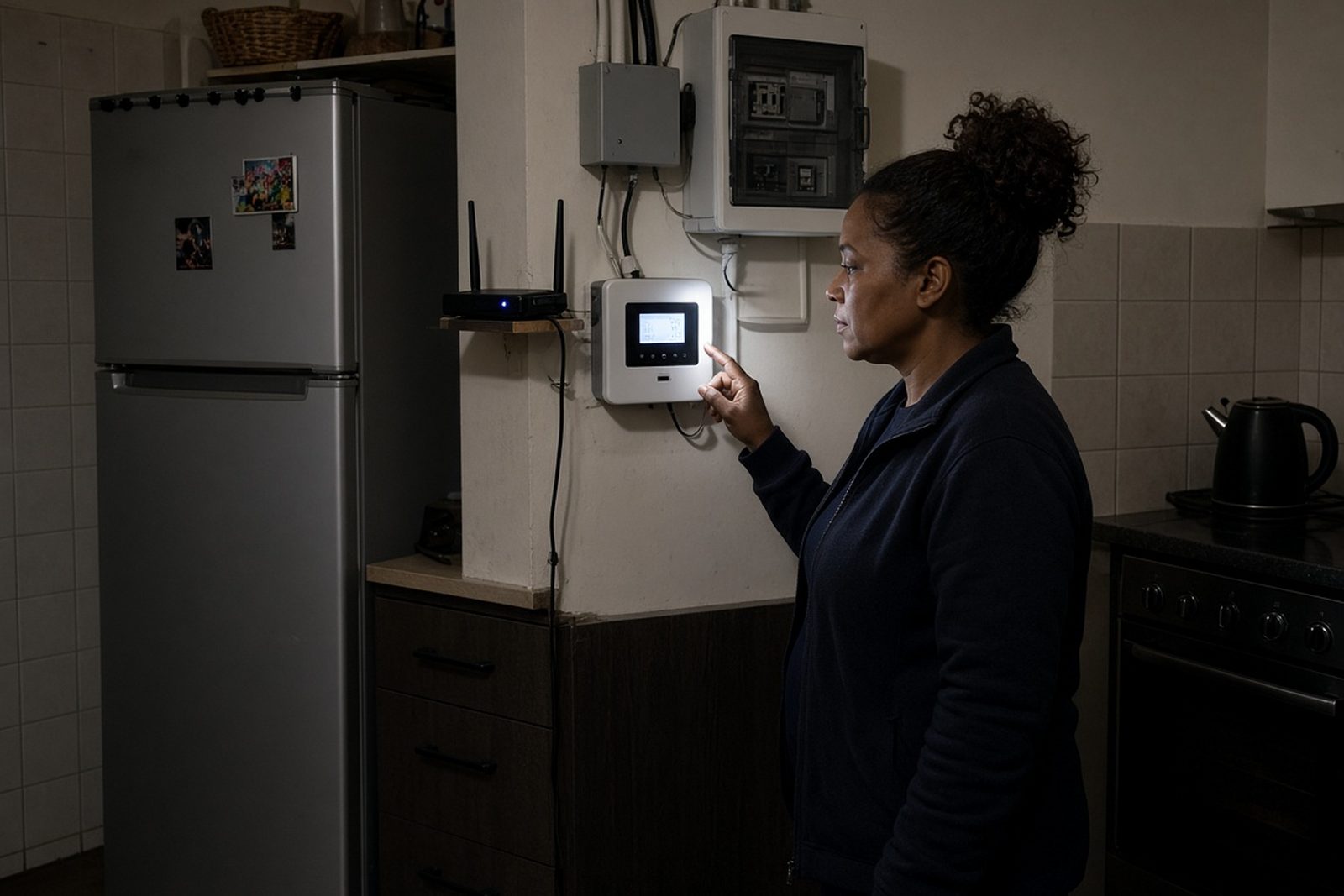
Lithium batteries work well for daily load-shedding because they charge efficiently and handle repeated cycling better than older battery types. Even so, they still need routine checks. Look at the battery display or monitoring app if you have one, and confirm the state of charge before a scheduled outage. If the battery is already low, you may need to reduce the load or switch off non-essential circuits sooner.
Homes in humid parts of Gauteng and those with garages or storerooms that get dusty should also check for clean, dry battery spaces. Good airflow matters, and batteries should not be placed where heat builds up. If you notice warning lights, unusual alarms or the system not holding charge as expected, book a fault check before the next power cut.
- Confirm the battery charge level early in the day.
- Look for warning messages on the inverter or battery display.
- Check that the battery area is dry, ventilated and free of clutter.
- Do not add extra loads if the battery is already near its limit.
Share what must stay on during an outage and the size of the property, and a backup planner will phone or message you.
Contact formTest the inverter and changeover path
Your inverter should move over to backup without drama when the supply fails. Test this during a planned period, not in the middle of a busy evening. Confirm that the system changes over cleanly, that lights stay stable and that the essential circuits carry the right appliances. If the unit trips, beeps repeatedly or shows a fault, there may be a wiring issue or an overload problem.
In homes with a changeover switch, know which position is for grid power and which is for backup. That sounds simple, but in a rush it is easy to make a mistake. A quick family briefing helps, especially in a house with tenants, staff or teenage children who may plug in extra devices. It is worth checking the system after any electrical work too, since a small wiring change can affect the whole backup circuit.
Prepare for scheduled load-shedding, not just surprise cuts
Many Gauteng households still plan day to day around load-shedding slots, so a pre-outage routine saves time. Charge phones and power banks early, finish laundry before the slot, and keep torches in the same place every time. If you depend on a router for work calls or school classes, make sure it is on the correct backed-up circuit and that the network equipment can stay on for the full period you need.
It helps to think in blocks of time. A two hour outage in Midrand may be manageable with a small battery reserve, but a longer evening slot in Centurion may require stricter load control. Keep an eye on weather too. Heavy rain can affect municipal supply and cause unplanned interruptions, so treat the backup system as everyday equipment not an emergency-only item.
- Charge phones, torches and power banks before the outage.
- Finish high-use tasks such as ironing, vacuuming and baking earlier in the day.
- Keep the router and key lighting on the essential circuit.
- Have a simple family plan for who switches off what.
Keep the installation compliant and properly signed off
Backup systems must be installed by a registered electrician and the work needs a certificate of compliance. That applies whether you are adding a new inverter, extending a battery bank or wiring in essential circuits. If the system is connected in a way that can feed back into the grid, it also needs municipal registration. That is not paperwork to leave for later, because compliance affects safety and may matter when selling the property or dealing with an insurance claim.
For households in Sandton, Pretoria or elsewhere in Gauteng, the right paperwork should go hand in hand with the right hardware. A neat installation is not only about appearance, it is about safe isolation, correct protection and proper labelling. If you are unsure whether your setup is compliant, ask for a check before the next outage rather than after a fault.
Do a quick household walk-through before the lights go out
Five minutes before load-shedding starts, do one final walk-through. Turn off unused appliances, close fridge doors, check that non-essential plugs are off and confirm that the backup system is in the correct mode. If you have children or staff at home, tell them not to plug in kettles, heaters or extra charging bricks during the outage. That one habit prevents most nuisance trips.
It also helps to keep a simple checklist near the inverter area. In homes with recurring outages, a written routine is easier than trying to remember every step each time. If your battery expansion is overdue or the runtime no longer suits your household, it may be time to review the system size and plan the next upgrade.
- Switch off non-essential appliances.
- Check that the inverter is in backup mode.
- Confirm lights, router and fridge are the only priority loads left on.
- Keep the area around the equipment clear for ventilation and access.