
Use the battery for real backup, not every plug-in job
A backup battery is there to carry essential loads when the power goes off, so the first habit is simple: do not treat it like an unlimited supply. Keep the system focused on lights, internet, TV, a few plugs, security, and other priority circuits. If you keep adding kettles, heaters, hair dryers, or workshop tools, the battery will drain faster and the system will cycle harder than it should.
That matters for both lead-acid and lithium setups, although lithium batteries usually handle daily cycling better. Even so, a properly sized system lasts longer when the load matches the design. If your family now works from home, or a business has added more computers and routers, the backup sizing should be checked again. A system that was fine for short outages in winter may be too small when summer load-shedding and heavy office use arrive together.
In Randburg or Fourways, a household may only need a modest essential-load setup. In a small office in Midrand, the battery plan could be very different if staff must keep Wi-Fi, laptops and a gate motor running through several cuts in a day. Matching the battery to the actual use is the cleanest habit of all.
Keep charge levels steady and avoid full drain habits
Lithium batteries work best when they are used within the operating range set by the system design. Deep discharges every day are hard on any backup system, especially when the battery is pushed to empty and recharged under pressure. A better habit is to leave a sensible reserve so the battery is not always running flat before the power returns.
If your inverter shows battery percentage or battery voltage, learn what normal looks like on your setup. A quick glance during load-shedding can tell you a lot. Sudden drops, very slow charging, or a system that reaches low battery far sooner than usual are signs worth checking. A battery does not always fail in one go, sometimes it just starts underperforming bit by bit.
- Do not run the system to zero unless there is no other choice
- Watch for short runtimes compared with the first few months of use
- Keep the battery bank within the maker's recommended operating range
- Use the system regularly so it does not sit untouched for long periods
For businesses in Johannesburg and Pretoria, it helps to keep a log of when outages start and how the battery behaves. That record makes it easier to spot changes before they become a fault.
Share what must stay on during an outage and the size of the property, and a backup planner will phone or message you.
Contact formProtect the battery from heat, damp and poor ventilation
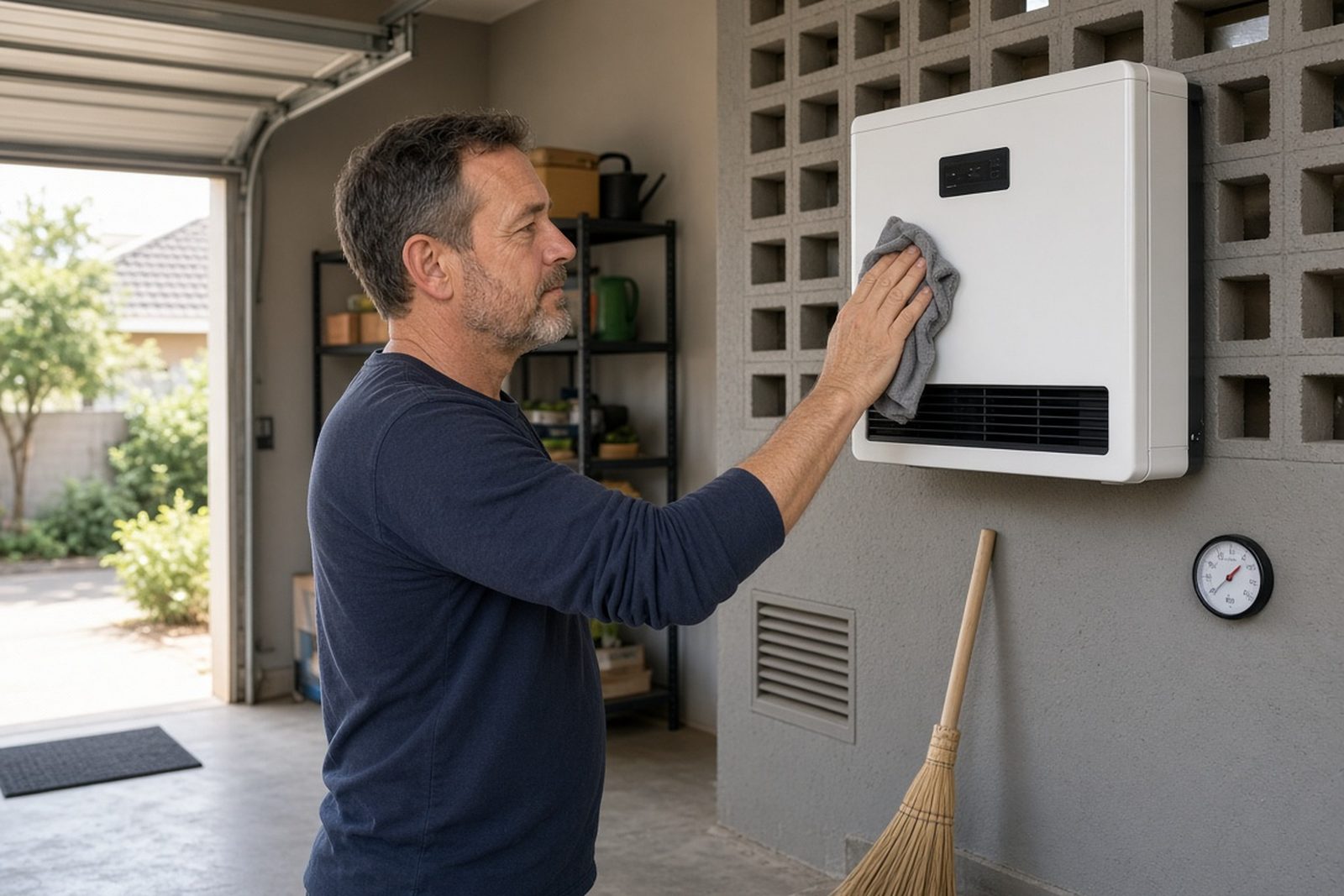
Battery care is not only about how you use power, it is also about where the equipment sits. Heat shortens battery life, and damp conditions can damage terminals, wiring and surrounding fittings. In coastal areas this is even more important, but it still matters inland where garages, storerooms and plant rooms get hot and dusty.
Keep the battery and inverter in a dry, shaded, well ventilated area. Do not pack boxes, cleaning supplies or paint tins around the equipment. If the system is in a garage in Roodepoort or a storeroom in Centurion, make sure it is not exposed to direct sun through a window or to constant dust from vehicles and workshop work. Good airflow helps the electronics too, because inverters produce heat during charging and during power cuts.
Also check for loose cables, rust on brackets, and moisture near the wall mount or floor stand. A small patch of damp can turn into a bigger maintenance problem. If the room feels stuffy, the battery probably does not like it either.
Keep an eye on cables, connections and warning lights
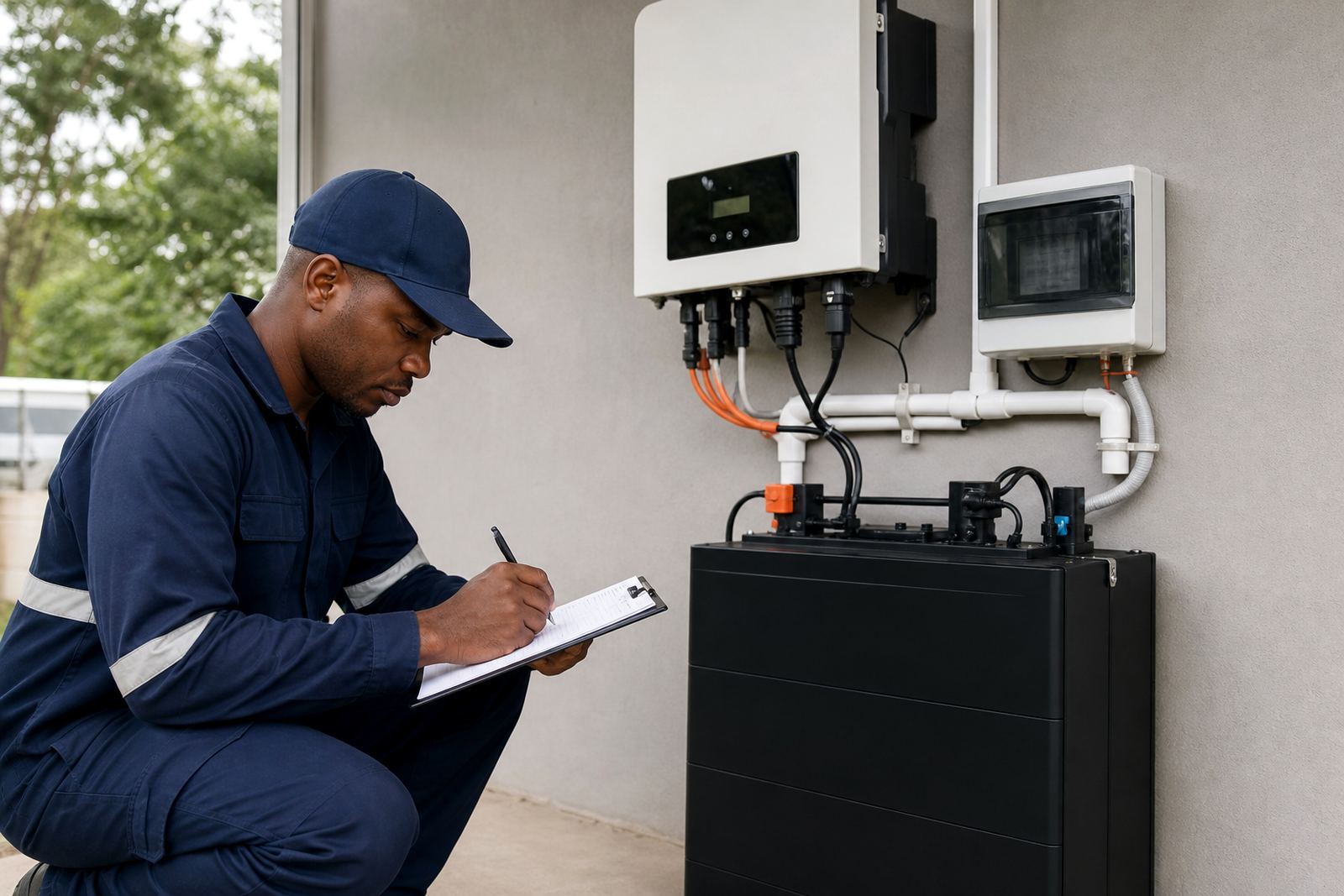
Many battery problems start at the connections, not the battery itself. Loose lugs, damaged insulation, or a poor connection can create heat and cause the system to trip. That is why routine visual checks are useful even when the system seems fine. Look at the inverter screen, indicator lights and app readings if your setup includes monitoring.
If you notice burnt smells, error messages, tripping breakers or repeated low-battery warnings, do not keep resetting the unit and hoping for the best. The cause may be a cable, charger setting, battery balance issue or a load that has become too heavy for the system. A fault check by a competent technician can save a lot of wasted time.
- Check for heat at the battery terminals during normal use
- Look for discolouration, swelling or physical damage on the battery casing
- Make sure the inverter cooling path is clear
- Confirm that the changeover works properly after each outage
In a Sandton office, a loose connection can interrupt work for several people at once. In a home, it can mean the battery is not charging properly and nobody notices until the next load-shedding slot.
Size upgrades before the system starts struggling
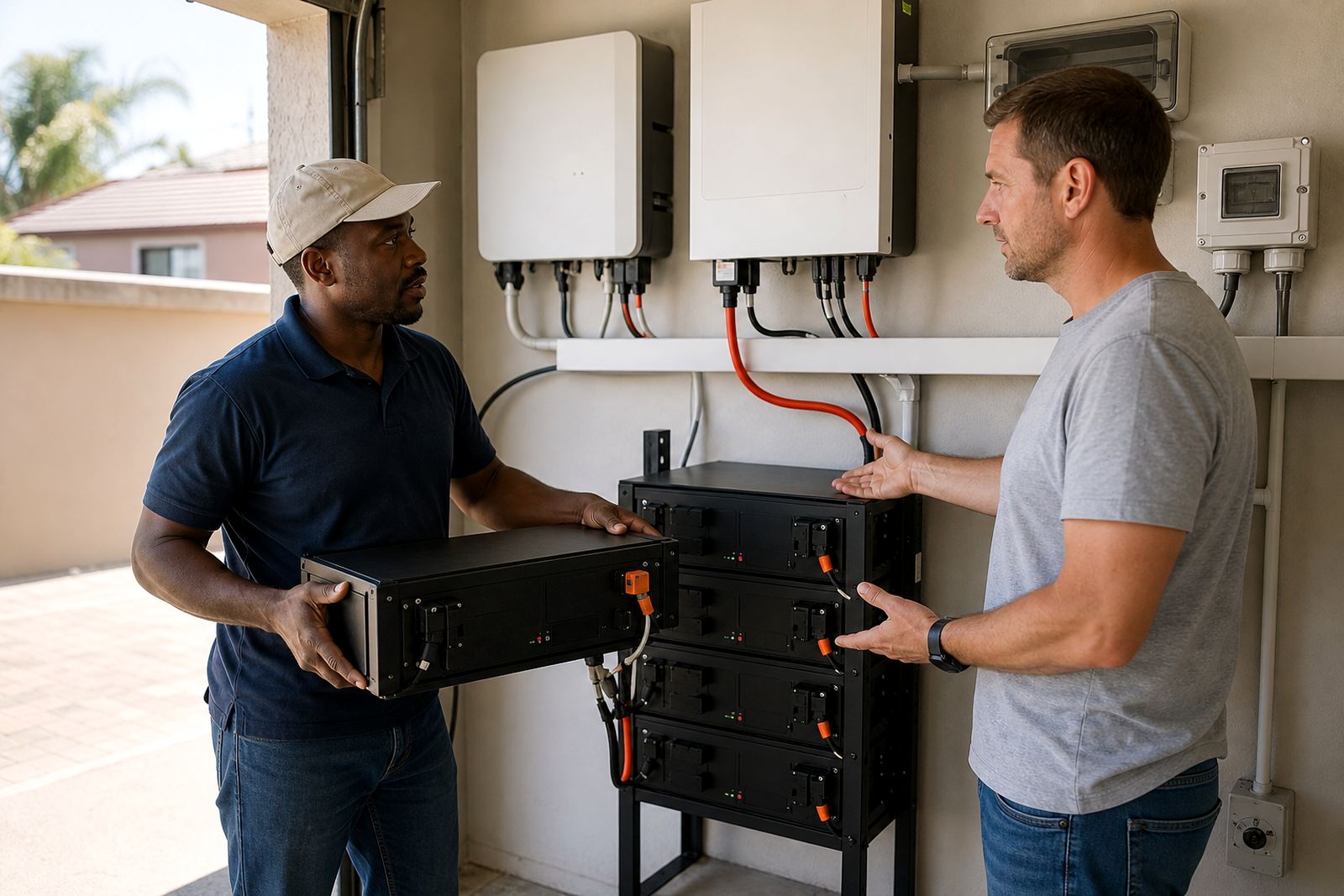
One of the best battery care habits is knowing when the system has outgrown its original job. Families add fridges, offices add more computers, and load-shedding schedules change. A battery expansion may be the right move, but only if the inverter, protection devices and cable sizing can support it.
Backup sizing should be based on essential loads, outage duration and how often the system must recharge. If you want to add more battery storage, do it with proper planning. Mixing equipment without checking compatibility can create uneven charging or reduce performance. It is better to have a smaller, correctly matched system than a bigger one that is not set up properly.
A practical example is a home in Midrand that started with lights and Wi-Fi only, then later added a freezer and security equipment. If the owner simply expected the original battery to carry the extra load, the system would seem weak. With the right sizing review, the battery can be expanded in a controlled way instead of being forced beyond its design.
Use the right installer and keep the paperwork in order
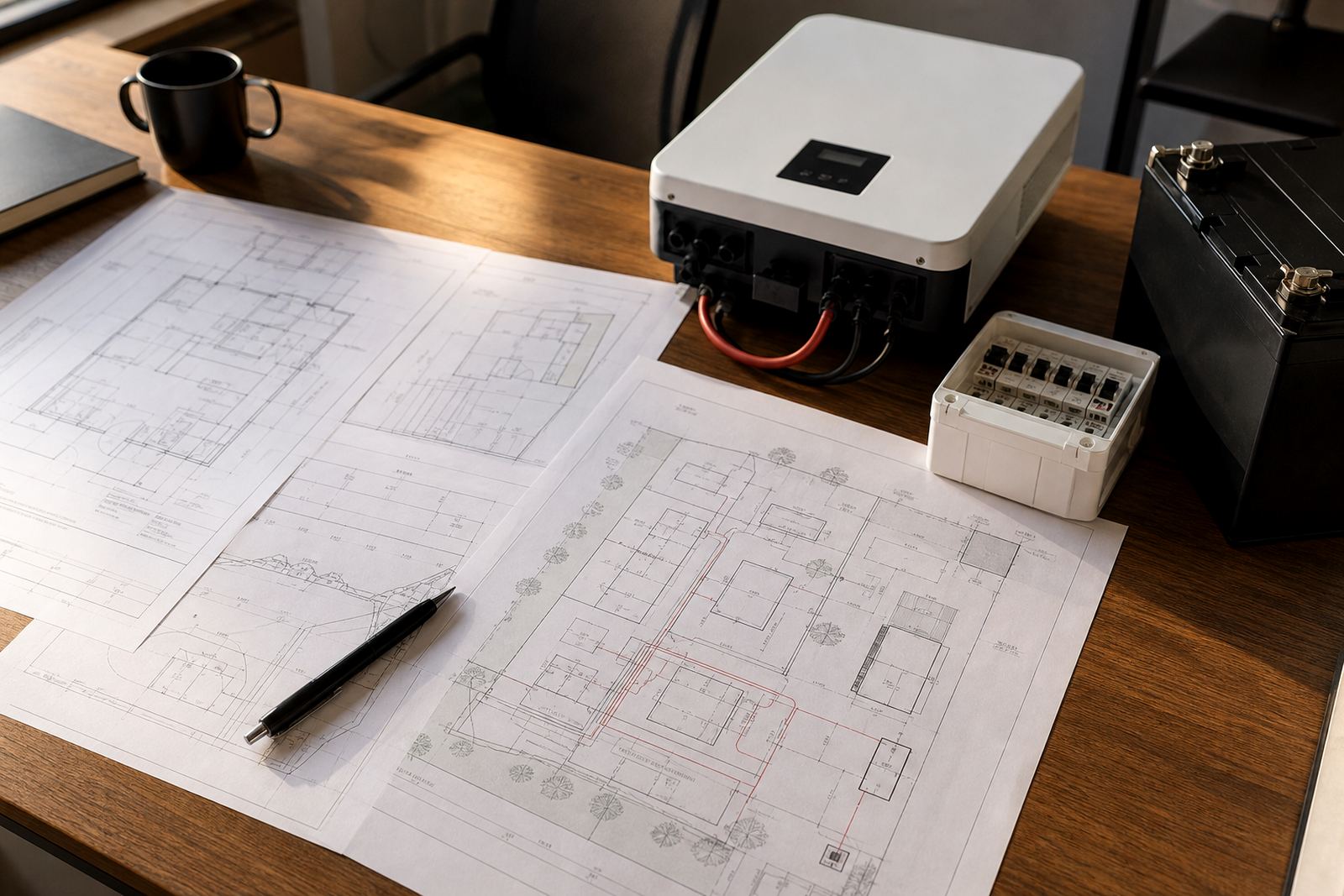
Battery care also includes compliance. In South Africa, inverter and battery installations must be done by a registered electrician, and the installation should be issued with a certificate of compliance where required. If the system is grid-tied or capable of feeding back to the supply side, municipal registration is also needed. That is not just paperwork, it is part of safe and lawful operation.
Good installation practice helps battery care from day one. Correct earthing, proper protection, neat cable routes and suitable changeover equipment all reduce stress on the system. If a battery has to work around poor wiring or an incorrect setup, it will not perform as cleanly as it should.
For homes and businesses across Gauteng, from Pretoria to Roodepoort, it is worth treating compliance as part of maintenance. When the paperwork, wiring and settings are handled properly, daily use becomes simpler and you spend less time worrying about surprise faults.
If you need a site assessment, battery installation, system commissioning or routine servicing, write to PowerCut through the contact page form and we can help plan the next step.