Why Summer Storms Expose Weak Backup Plans
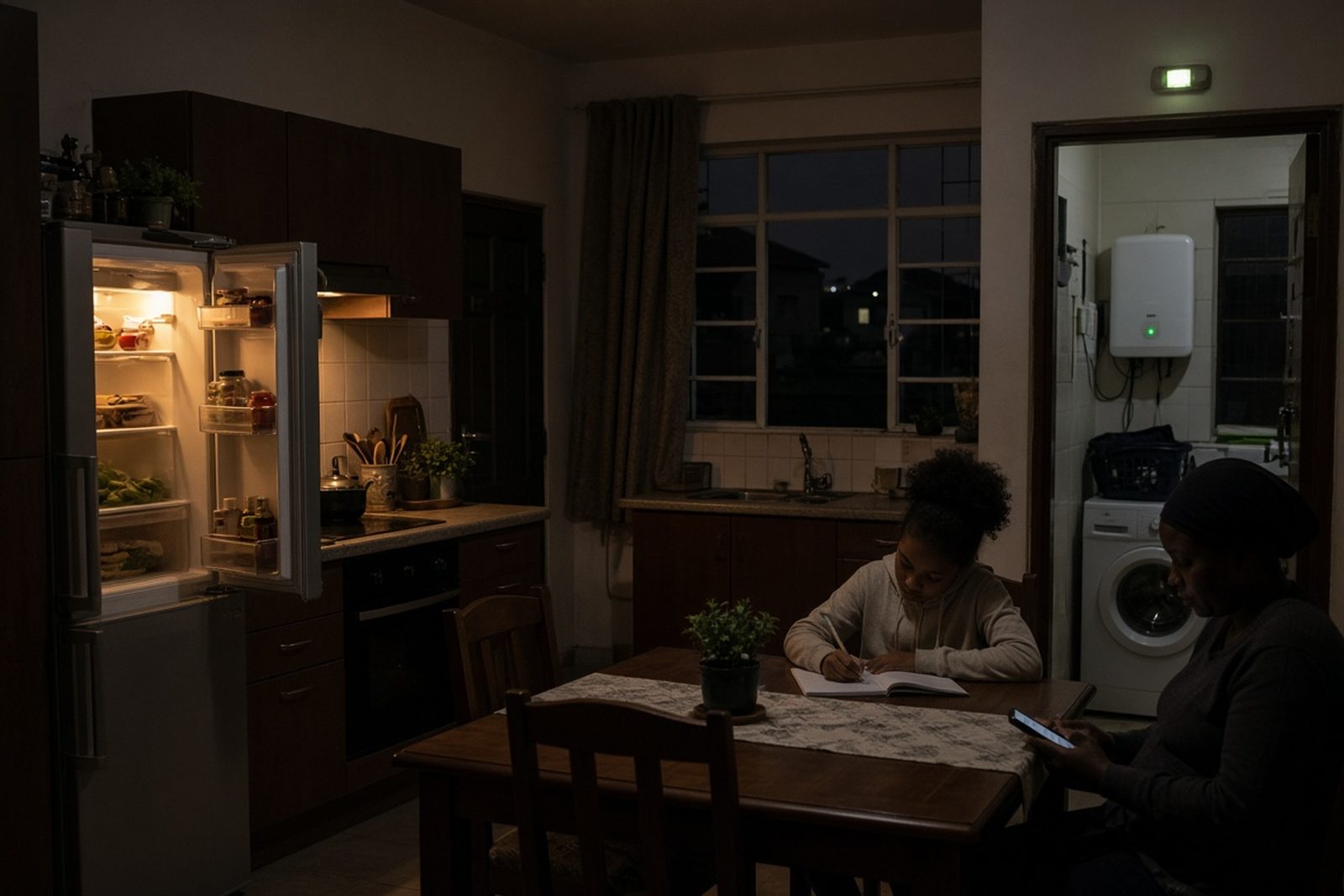
Thunderstorms in Johannesburg, Pretoria and the surrounding areas tend to arrive fast, with heavy rain, lightning and sudden voltage swings. That is where many backup systems are tested. If the installation was rushed or the load was sized too small, the first real storm can reveal issues such as tripping, battery drain far too quickly, or sensitive appliances dropping out when the power returns.
Homes and businesses in Randburg, Sandton and Midrand often rely on more than lights alone. Wi-Fi, alarm panels, gate motors, tills, routers, fridges and point-of-sale equipment all need careful planning. A backup system should not be chosen only for how long it can run, but for which circuits it supports and how it handles repeated outages during a stormy week.
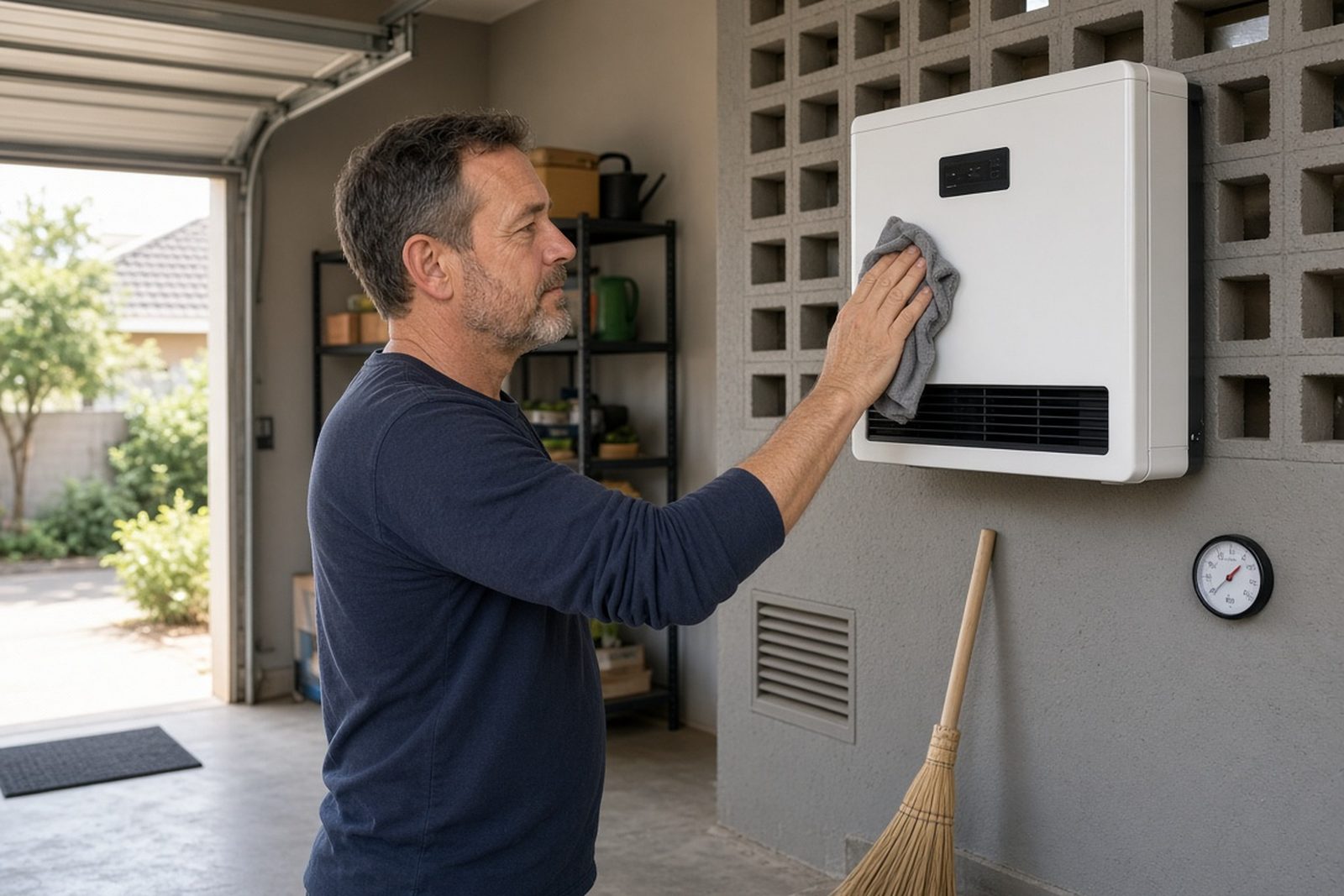
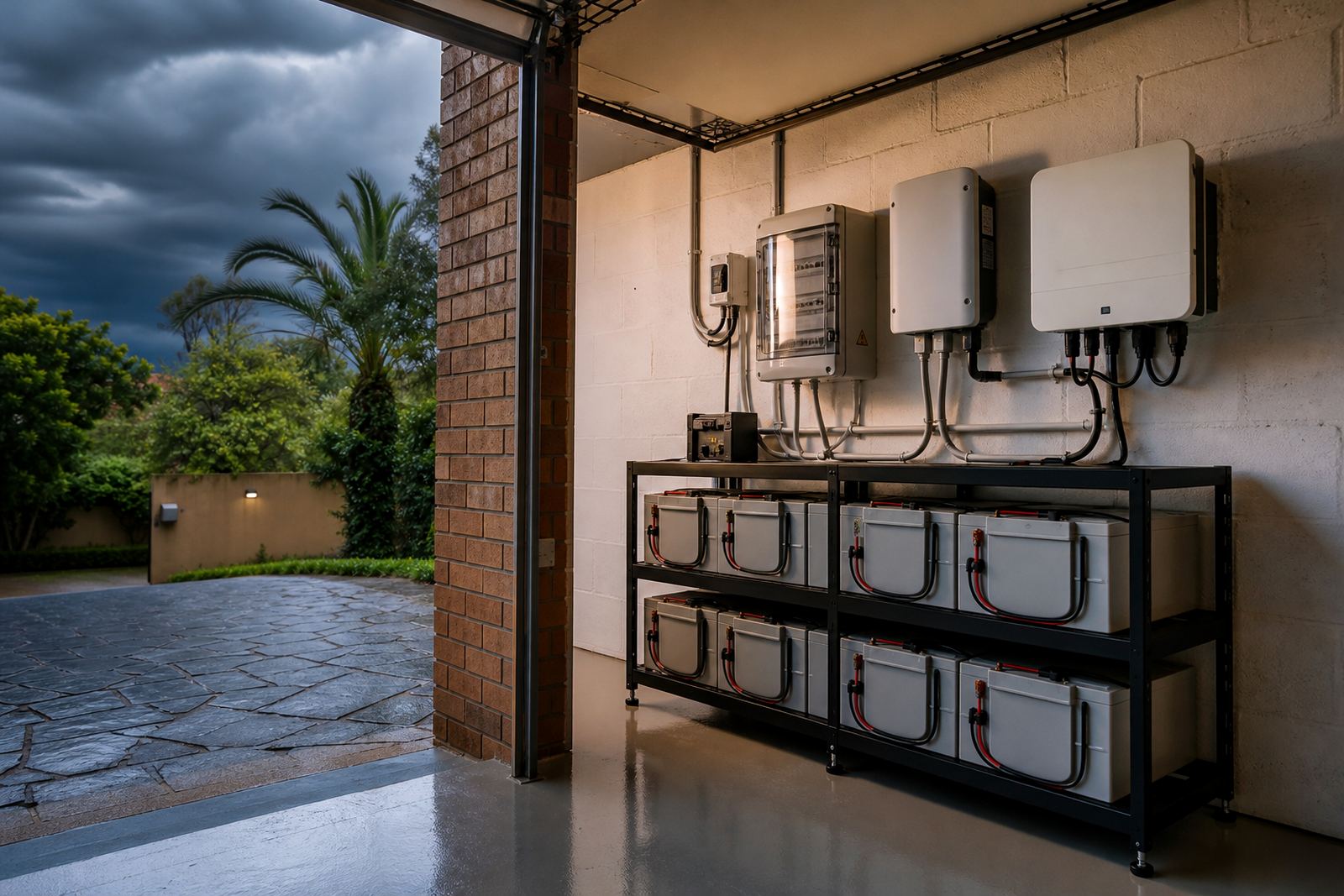
Another risk in summer is moisture. Coastal conditions are not the main concern in Gauteng, but humidity after rain can still affect poorly protected fittings and battery areas. Any equipment installed in a garage, storeroom or outside enclosure needs proper ventilation, sound mounting and protection from damp, dust and direct splashback.
What An Inverter And Lithium Battery Can Do In A Storm
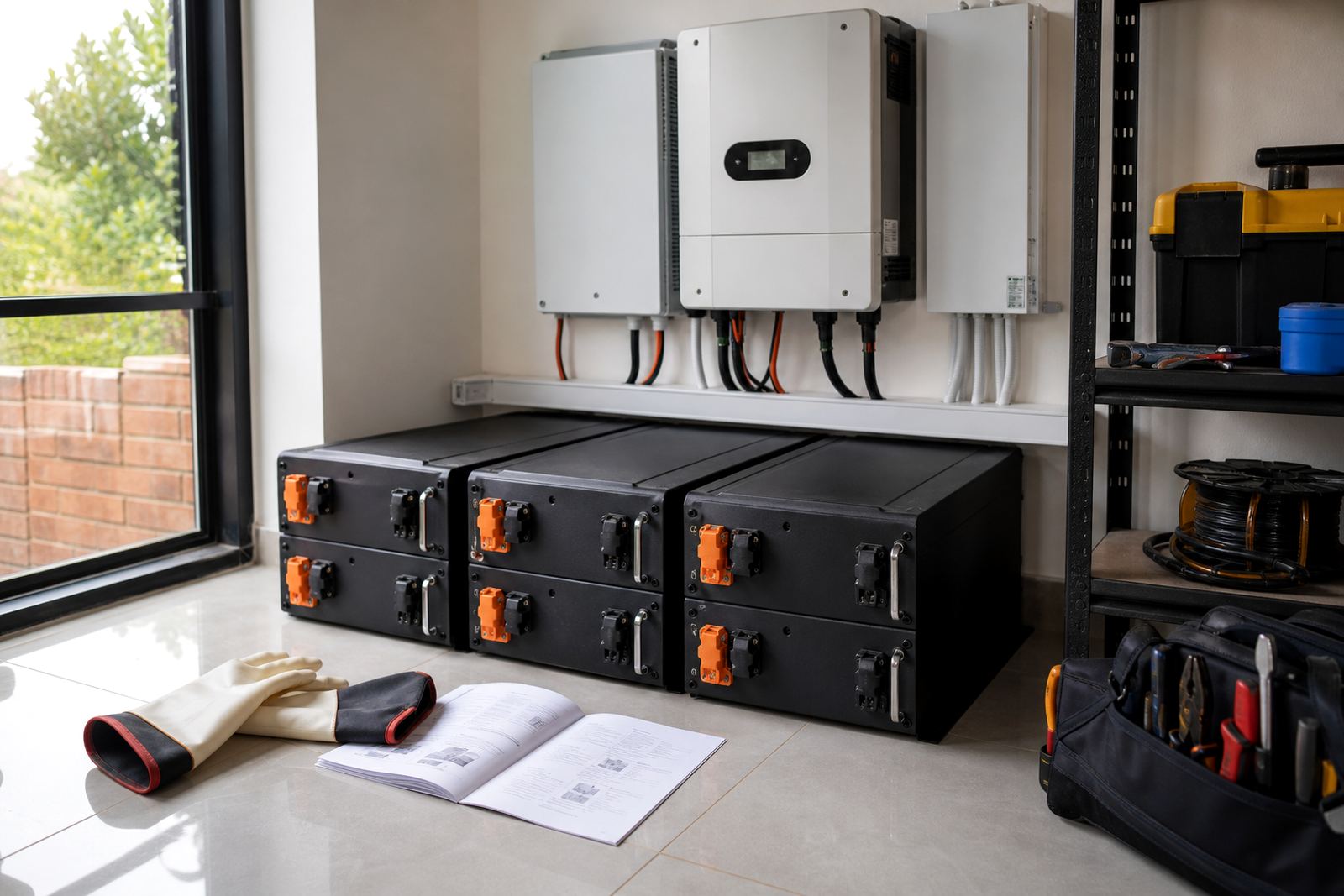
An inverter converts battery power into usable AC power for selected circuits, while a lithium battery stores the energy. In practical terms, the battery keeps essential loads going during an outage and the inverter manages the flow. For storm season, this setup works best when it is matched to the actual load in the property, not guessed from the number of rooms or plug points.
Lithium batteries are widely used for backup because they accept repeated charging and discharging well, and they take up less space than older battery types for the same usable capacity. That matters when a business in Centurion or Roodepoort needs to keep a small server rack, lighting and security equipment going without giving up floor space. The key is making sure the battery bank and inverter are both sized for the expected runtime and the load profile.
Not every appliance should be on backup. High-draw equipment like kettles, heaters and ovens can empty a system quickly, so a clear split between essential and non-essential circuits is important. During storm season, the goal is usually to keep the right things running steadily, not to back up every load in the building.
- Keep only essential circuits on the backup side where possible
- Confirm the inverter can handle start-up surges from fridges or pumps
- Check battery capacity against realistic outage times, not ideal conditions
- Leave space for future battery expansion if the property is likely to grow
Share what must stay on during an outage and the size of the property, and a backup planner will phone or message you.
Contact formThe Wiring And Protection That Matter Most
Storm protection is not only about the battery cabinet. Good wiring practice matters just as much. Correct cabling, proper isolation, earthing, surge protection and neat circuit separation all help reduce faults when the weather turns rough. A backup system with poor protection can fail at the exact moment it is needed most.
Voltage spikes from lightning and grid instability can damage sensitive electronics even if the property has backup. Surge protection should be considered at the distribution board and where practical at sensitive points in the system. For business premises in Johannesburg and Pretoria, this is especially important where data, access control and refrigeration all depend on continuous power.
In wet months, entry points for cables and conduits should also be checked. Water ingress in a ceiling void or outside wall can lead to nuisance faults, corrosion and repeated callouts. A tidy installation is easier to inspect, easier to maintain and usually safer during load-shedding and storm season alike.
Compliance Rules You Cannot Skip
Any inverter and battery installation must be done by a registered electrician. That is not optional, and it becomes even more important when a property is using changeover gear, essential circuit wiring or battery cabinets with higher current flow. Once the work is complete, a Certificate of Compliance is required for the electrical work that has been carried out.
If a system is grid-tied, municipal registration is also required. That applies whether the property is a townhouse in Fourways, a retail unit in Sandton or a small warehouse in Midrand. The paperwork may feel like extra admin, but it protects the owner and helps keep the installation aligned with local rules and safety expectations.
Compliance support should include checking the DB layout, labelling circuits properly and making sure the installation can be inspected by an electrician later without confusion. During storm season, when faults can happen at any time, clear documentation makes troubleshooting much faster.
- Use a registered electrician for the installation
- Obtain the correct Certificate of Compliance after the work
- Register grid-tied systems with the municipality where required
- Keep the circuit schedule and inverter labels up to date
A Randburg Example: Preparing A Small Office Before The First Downpour
A practical example is a small office in Randburg with five staff, a router, a printer, a few lights and a gate motor. The owners wanted backup for storms and load-shedding, but they also wanted to avoid overspending on unnecessary capacity. The first step was a site assessment to see exactly which circuits were essential and which could stay off backup.
After that, the system was sized around the actual everyday load. The inverter was selected to cover the starting surge of the router and a few office appliances, while the battery bank was planned for the likely duration of local outages. Surge protection was added and the wiring was separated neatly so that the office would not lose the whole board if one circuit developed a fault.
That kind of planning matters because storm season rarely affects only one area. A property may have a short outage, then another interruption an hour later, then a longer one that evening. If the system has been set up properly, the staff can carry on with client calls, security remains active and the business does not have to improvise each time the clouds build up.
Servicing And Checks Before Storm Season Peaks
Once the first rains start, it is worth checking the system before it is under pressure every second week. Routine servicing can pick up loose terminals, overheating, dust build-up, battery communication issues and faults in changeover gear. For businesses in Pretoria, Johannesburg and the western suburbs, that kind of check is often the difference between a minor fix and a surprise shutdown.
Monitoring setup can also help. If the inverter is reporting battery state, charge behaviour and alarms properly, it becomes easier to spot trouble early. A system that is working normally in March can still need attention by November after months of repeated cycling and heat.
PowerCut assists with site assessments, backup sizing, inverter installation, battery installation, essential circuit wiring, changeover solutions, system commissioning, compliance support, monitoring setup, battery expansions, fault checks and routine servicing. Clients in Gauteng reach us through the enquiry form on our contact page, and we work across Randburg, Johannesburg, Pretoria, Centurion, Midrand, Roodepoort, Sandton and Fourways.