

What cycle life means in plain terms
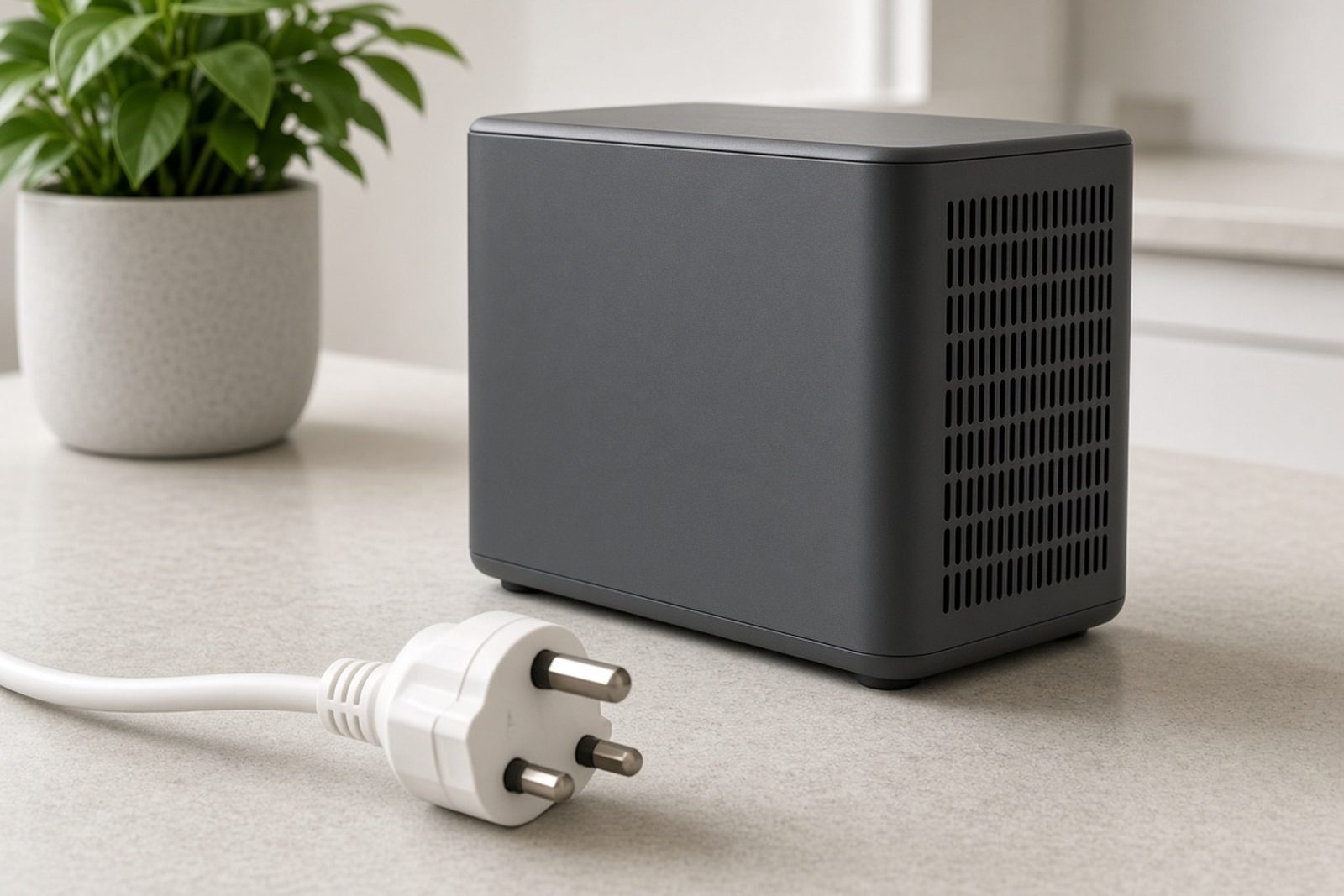
Cycle life is the number of charge and discharge cycles a battery can handle over time. In simple terms, one cycle is when you use stored power and then recharge the battery again. A battery that is used lightly may last for many years, while one that is pushed hard every day will reach the end of its practical life sooner.
For homes and businesses in Gauteng, this matters because load-shedding changes the pattern of use. A system that only backs up a few lights and the Wi-Fi router will be treated very differently from one that runs a fridge, gate motor, TV and office equipment for hours. The more of the battery you use each time, the more wear it takes on. That is why cycle life and usable capacity should be looked at together, not on their own.
People often ask how long a battery will last, but there is no single answer. It depends on the battery size, how deeply it is discharged, how quickly it is recharged and the heat it operates in. In summer, heat can shorten battery life if the installation area has poor ventilation or sits in direct sun.
Why daily use patterns change battery wear
Two systems can have the same battery size and still age differently. The one that gets used once a day for a short outage will usually live easier than a system that carries the full house through repeated outages, evening cooking and overnight backup. Load-shedding stages also matter because a higher stage can mean more frequent switching, longer runtime and less time for the battery to recover between cycles.
Daily habits affect this too. If the battery is regularly taken close to empty, cycle life usually reduces faster than if the system is sized so it only works within a comfortable range. That is why backup sizing is not just about buying the biggest battery you can afford. It is about matching the system to actual usage, then leaving enough headroom for winter, cloudy days and busier working periods.
- Short outages with light loads usually put less strain on the battery.
- Long evening outages with kettles, heaters or multiple screens increase wear.
- Frequent deep discharge can shorten useful service life.
- High temperatures, poor ventilation and dusty spaces can all reduce performance.
Share what must stay on during an outage and the size of the property, and a backup planner will phone or message you.
Contact formHow inverter choice affects the battery's workload
The inverter is the part that manages the flow of power between the battery, the grid and the loads in the building. A good inverter should suit the size of the battery bank and the kind of equipment being backed up. If the inverter is too small it can trip when the load rises. If it is too large for the battery, the battery may be drained faster than expected under everyday use.
For many Randburg homes, the real question is not whether the inverter can switch on, but what it will carry during load-shedding. A modest setup for lighting, internet and a few sockets has a very different demand from a home office with printers, monitors and a gate motor. In business spaces around Sandton, Fourways and Midrand, the load can change through the day, which means the backup plan should account for peak use not just the average.
Battery cycle life is often protected by good settings. Charge limits, low-voltage cut-off points and sensible load priorities help prevent unnecessary strain. These settings should be handled by a competent installer who understands the equipment and the site conditions.
Sizing backup for real Gauteng conditions
Good sizing starts with a list of essential loads. Not every appliance must be backed up. In many cases, the aim is to keep lighting, connectivity, security and selected work equipment running. That approach reduces strain on the battery and makes cycle life easier to manage.
It also helps to think in time, not only in kilowatt-hours. A household in Pretoria may need a few hours of backup through an evening outage, while a small office in Centurion might need enough capacity for payment systems, computers and network equipment to stay online until power returns. A shop in Roodepoort may need a changeover solution that keeps key circuits active without overloading the battery bank.
- List the circuits that must stay on during outages.
- Work out how many hours they need to run.
- Allow extra capacity for battery ageing over time.
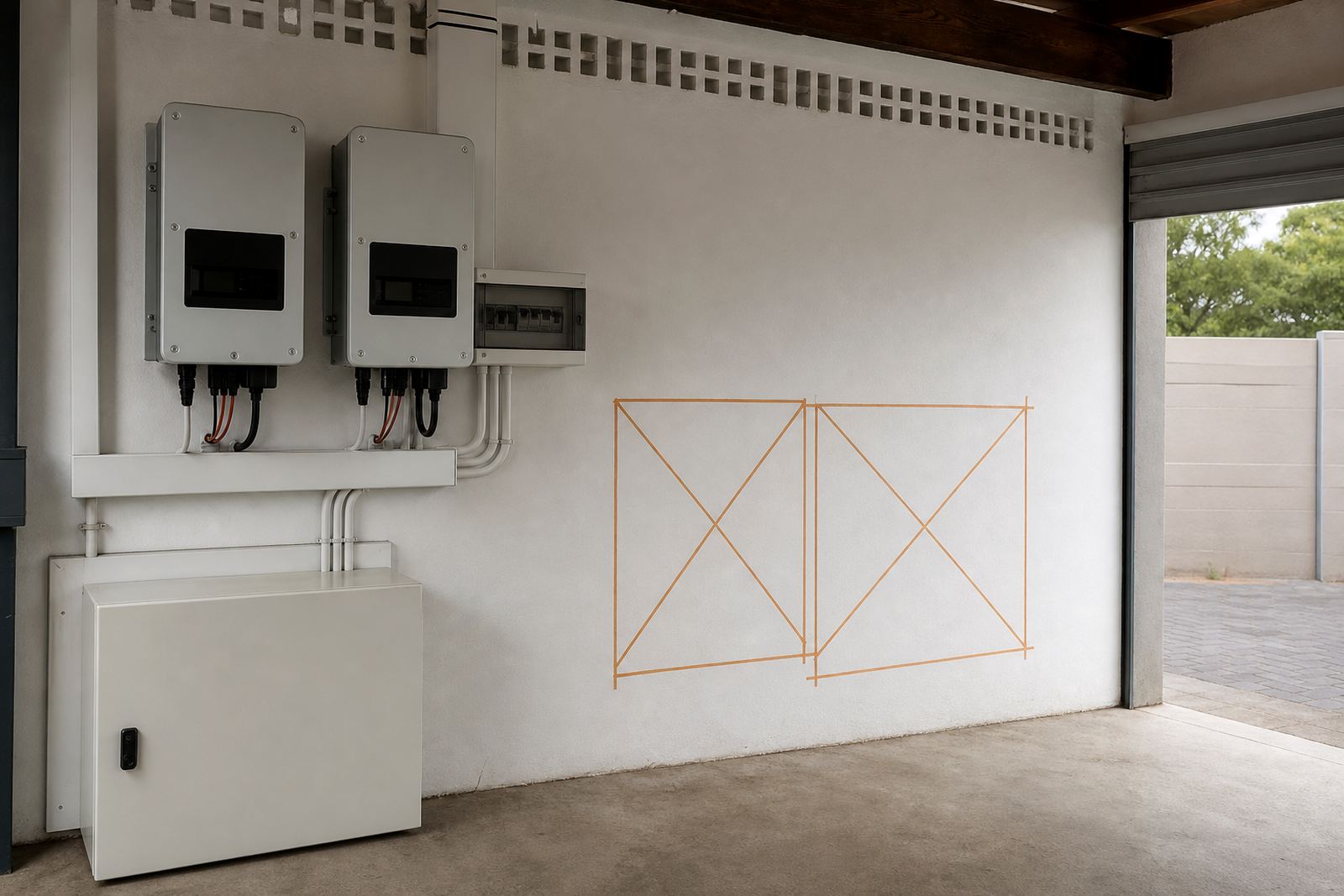
- Check whether the building has space, ventilation and safe cable routes.
Coastal humidity is not the only concern in South Africa. Inland dust, heat and poor storage areas can also affect battery performance. That is why site assessments are worth doing before any purchase or installation.
What short cycle life can look like in practice
A battery with shorter cycle life may still be useful if the load is small and the outages are not severe. But if the building gets hit by repeated interruptions and the battery is cycled hard every day, the owner will usually notice reduced runtime over time. Lights may still work but the backup window gets shorter, and that is often the first sign that the system is no longer matched to demand.
In a practical example, a family in Midrand might start with basic backup for the fridge, router and a few lights. If the family later adds more electronics, a microwave and a home office setup, the original battery may begin to feel undersized. The system is not necessarily faulty, it is just carrying a heavier routine than it was planned for. That is when a battery expansion or a revised sizing check makes sense.
Routine servicing helps catch these changes early. Loose connections, dust buildup, tired settings and changing usage patterns can all affect battery life. A fault check may reveal that the issue is not the battery itself but the load profile or charging setup.
Installation, compliance and registration matter too
Cycle life is not only about the battery label. How the system is installed has a direct effect on safety and long-term performance. In South Africa, inverter and battery installations must be done by a registered electrician, and a certificate of compliance is required. If the system is grid-tied, it also needs municipal registration in line with local rules.
This is especially important where essential circuit wiring or changeover solutions are involved. Incorrect wiring can cause nuisance trips, battery stress or unsafe backfeed into the supply. In commercial buildings the risk is even higher because a poorly set up system can interrupt operations or create compliance problems during inspection.
It is better to get the layout right at the start than to repair avoidable mistakes later. Clean cabling, correct protection devices and proper commissioning all support better battery life. Even a strong battery will not perform well if the rest of the system is not set up properly.
A practical way to think about cycle life before you buy
Cycle life should be treated as part of the planning process, not just a technical term on a quote. The key question is whether the system matches the way the property really uses power. If the building has frequent outages, heavy evening use or sensitive equipment, then the battery bank and inverter should be sized with that pattern in mind.
At PowerCut, we help homes and businesses across Randburg, Johannesburg, Pretoria, Centurion, Midrand and Roodepoort assess their loads, plan backup sizing and decide what should stay on during outages. That includes site assessments, installation support, commissioning, monitoring setup and routine servicing where needed. Sifiso Ngobeni and the team work with practical requirements on the ground, from simple residential setups to busier commercial sites.
The best backup system is not the one with the biggest numbers on paper. It is the one that suits the building, handles daily use properly and is installed and maintained the right way. That is what gives batteries a fair chance at a longer working life.