Why depth of discharge matters more than the sticker size
A battery can be sold as a certain kWh size, but that does not mean all of that energy should be used every day. Depth of discharge, or DoD, is the share of the battery that is used before it is recharged. The usable portion is what matters when you are planning for lights, Wi-Fi, gate motors, office computers, or a point-of-sale system during outages.
Lithium batteries are usually built to allow a higher usable percentage than older battery types, but even then the correct setting depends on the battery specification, inverter setup and how often the system will cycle. If you run a battery too deep, you shorten the working life and may find the backup period drop off sooner than expected.
How usable capacity turns into real runtime
For backup planning, the simple question is not only how big the battery is, but how much of it can be used and how much power your loads draw. A 5 kWh battery with a 90% usable range does not deliver the same runtime as a 5 kWh battery set to protect a larger reserve. That is why two systems with the same battery size can perform very differently.
A practical way to think about it is to match the battery to your essential loads first. A few LED lights, a router, TV and a laptop use far less than a kettle, microwave or small air conditioner. If you want one or two hours of backup in Randburg or Sandton during evening load-shedding, the sizing needs to follow the actual watts on the circuit, not guesswork.
- List only the essential circuits you want backed up.
- Check the running watts of each item, not just the label size.
- Allow for inverter losses and some reserve capacity.
- Plan for longer outages if your area has repeated stages or municipal faults.
Share what must stay on during an outage and the size of the property, and a backup planner will phone or message you.
Contact formWhat healthy battery use looks like in Gauteng conditions
Gauteng homes and offices often face frequent cycling, especially during winter evenings and peak business hours. That means a battery may charge and discharge many times in a week. A sensible DoD setting helps the battery work within its designed range, which supports a longer service life and steadier performance.
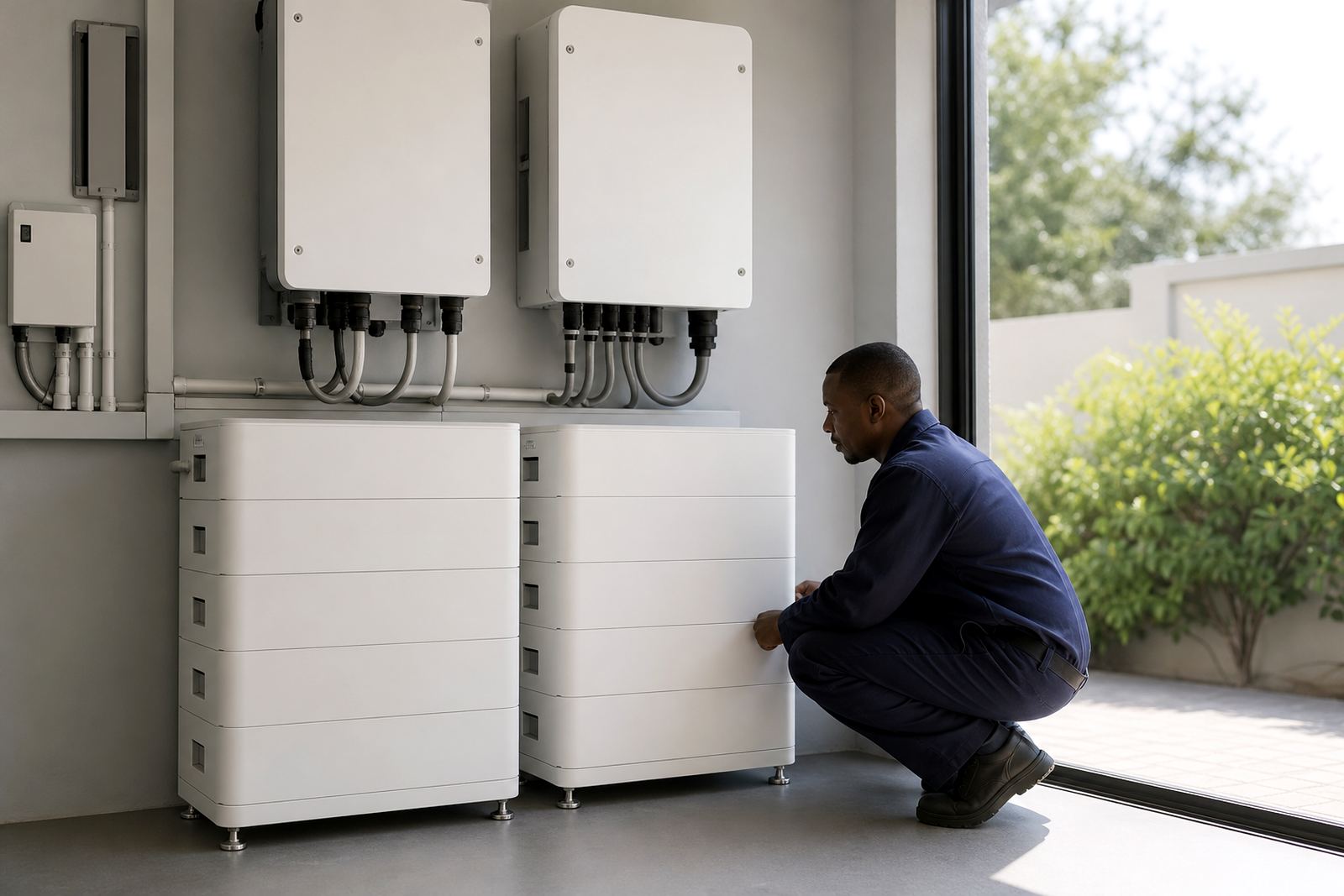
Temperature also matters. Lithium batteries prefer a stable installation area with enough ventilation and limited direct heat. In a Midrand storeroom or a Roodepoort garage, dust and poor airflow can cause problems over time, so the mounting position and cable routing should be planned carefully. Coastal humidity is less of a concern inland, but damp walls, leaking roofs and unsealed rooms can still affect equipment, so placement matters.
It is also worth checking how the inverter manages charging. A good setup should recharge the battery before the next outage where possible, instead of leaving it partially drained for long periods. That small detail can make a noticeable difference over a busy week.
Sizing for homes, shops and small offices
Different properties need different backup habits. A family home in Pretoria may only need enough capacity for lights, Wi-Fi, TV and a few plugs. A small office in Centurion may need more runtime for computers, a fibre connection, security equipment and the alarm panel. A shop in Johannesburg may need essential circuit wiring for tills, routers and some lighting while keeping non-essential loads off the battery.
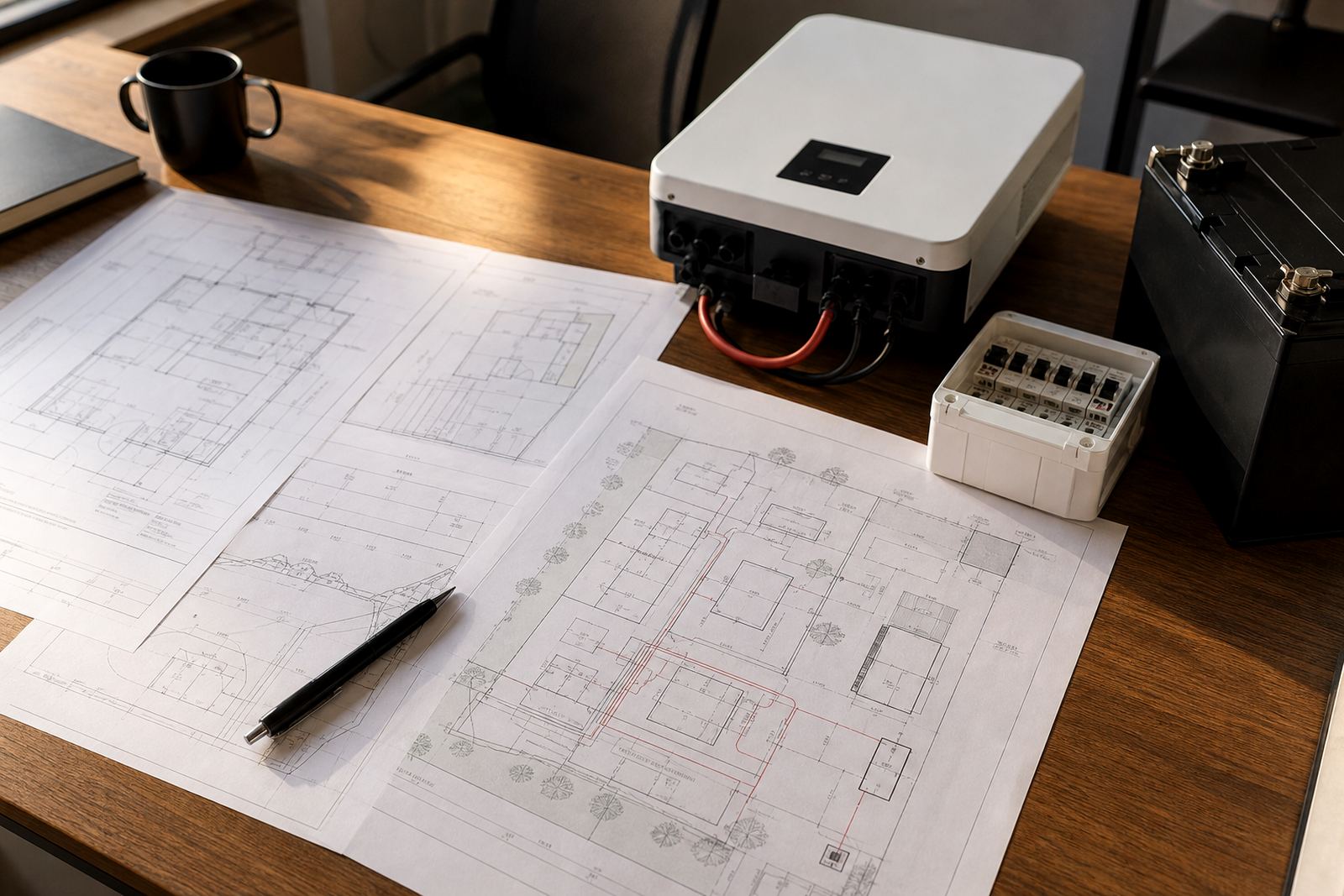
The best starting point is a site assessment and backup sizing exercise. This checks what must stay on, how long it must stay on, and whether the inverter can support the start-up surge of certain appliances. If the system is undersized, the battery may be drained too quickly. If it is oversized, the spend may be higher than necessary and the system may not operate at its best.
- Homes often prioritise lights, internet, TV and security.
- Small businesses often need IT, networking, alarms and selected plug circuits.
- Commercial sites may need phased backup or separate essential distribution boards.
- Large loads like geysers, ovens and aircons are often excluded unless the system is designed for them.
Why the installer and paperwork still matter
Battery depth of discharge is not just a settings issue, it is part of the full electrical design. Inverter installation, battery installation and any essential circuit wiring should be done by a registered electrician. A certificate of compliance is required for the electrical work, and if the system is grid-tied then municipal registration is needed as well.
That matters because the battery, inverter, changeover equipment and distribution board all need to work together safely. Poor wiring can cause nuisance trips, charging faults or damage to the system. It can also leave you with backup that looks fine on paper but does not perform properly during actual load-shedding. A neat installation also makes future battery expansions and fault checks much easier.
Out on a job: The wider Gauteng area
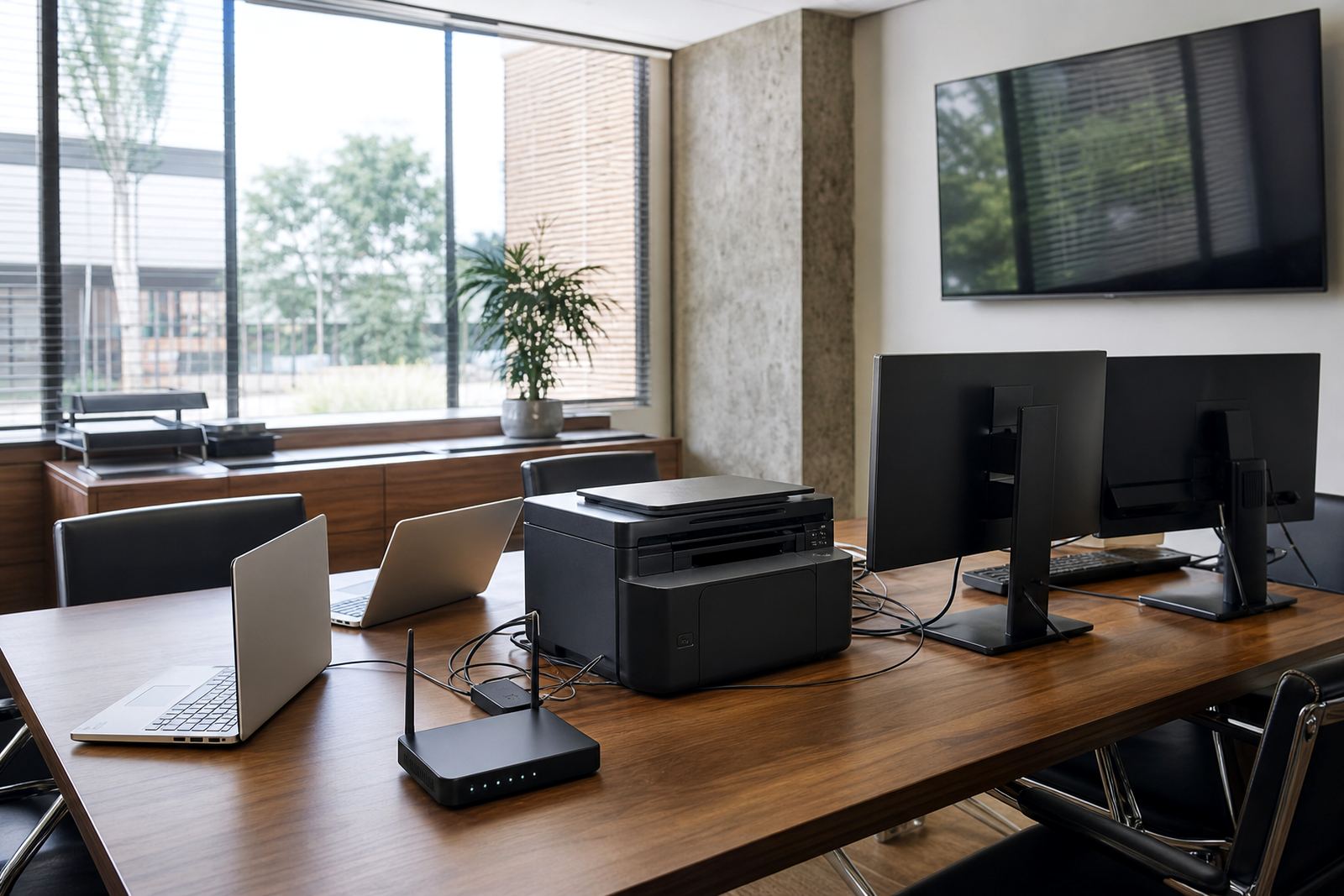
Take a small business in Randburg with an office, server, router, printer and security lights. The owner might assume a 10 kWh battery will cover the full afternoon outage, but the usable capacity depends on the chosen DoD and the actual load. If the office only needs the essentials, the system may be set to preserve a reserve for the next interruption. If the same battery is pushed too hard, runtime drops and the team ends up chasing the charger all week.
That is why local planning should start with the load list, then move to inverter capacity, battery chemistry and DoD settings. Once the system is commissioned properly, routine servicing and monitoring setup can help spot charging issues early. It is a lot easier to adjust settings before the battery is stressed than after it has been overworked, and that saves time for the people who rely on it every day.
How PowerCut helps you plan usable backup capacity
PowerCut works with homes and businesses across Randburg, Johannesburg, Pretoria, Centurion, Midrand, Roodepoort, Sandton and Fourways, supplying inverter and lithium battery backup solutions for load-shedding. The process usually starts with a site assessment, then backup sizing, followed by installation, commissioning and compliance support.
Whether you need a small home system or a larger commercial setup, the key is to size for usable capacity, not just the battery nameplate. If you want a system that matches your load, keeps essential circuits on and supports future battery expansions, the enquiry form on the contact page is the best place to start.
- Site Assessments
- Backup Sizing
- Inverter Installation
- Battery Installation
- Essential Circuit Wiring
- Changeover Solutions
- System Commissioning
- Compliance Support