





Start With the Loads That Must Stay On
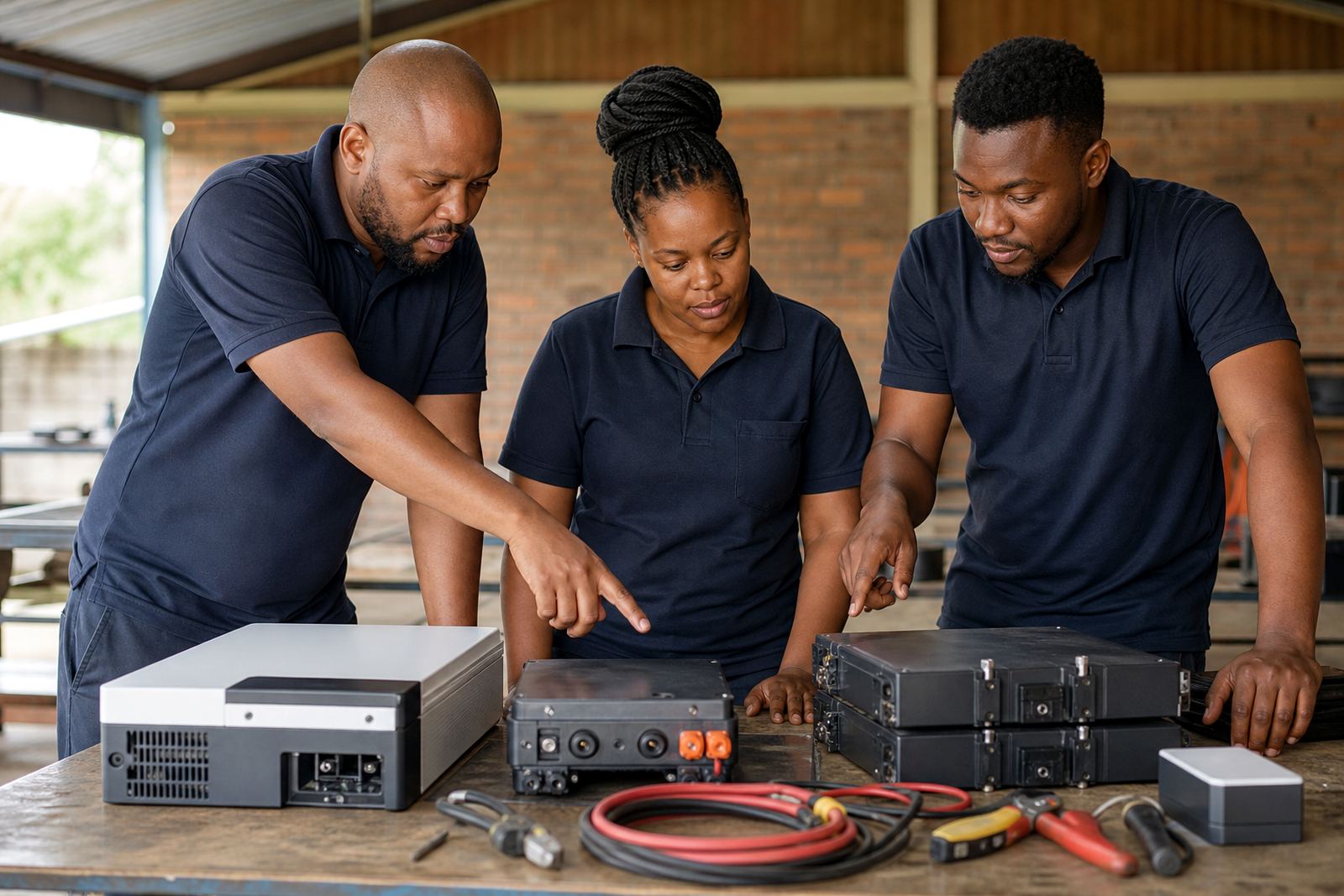
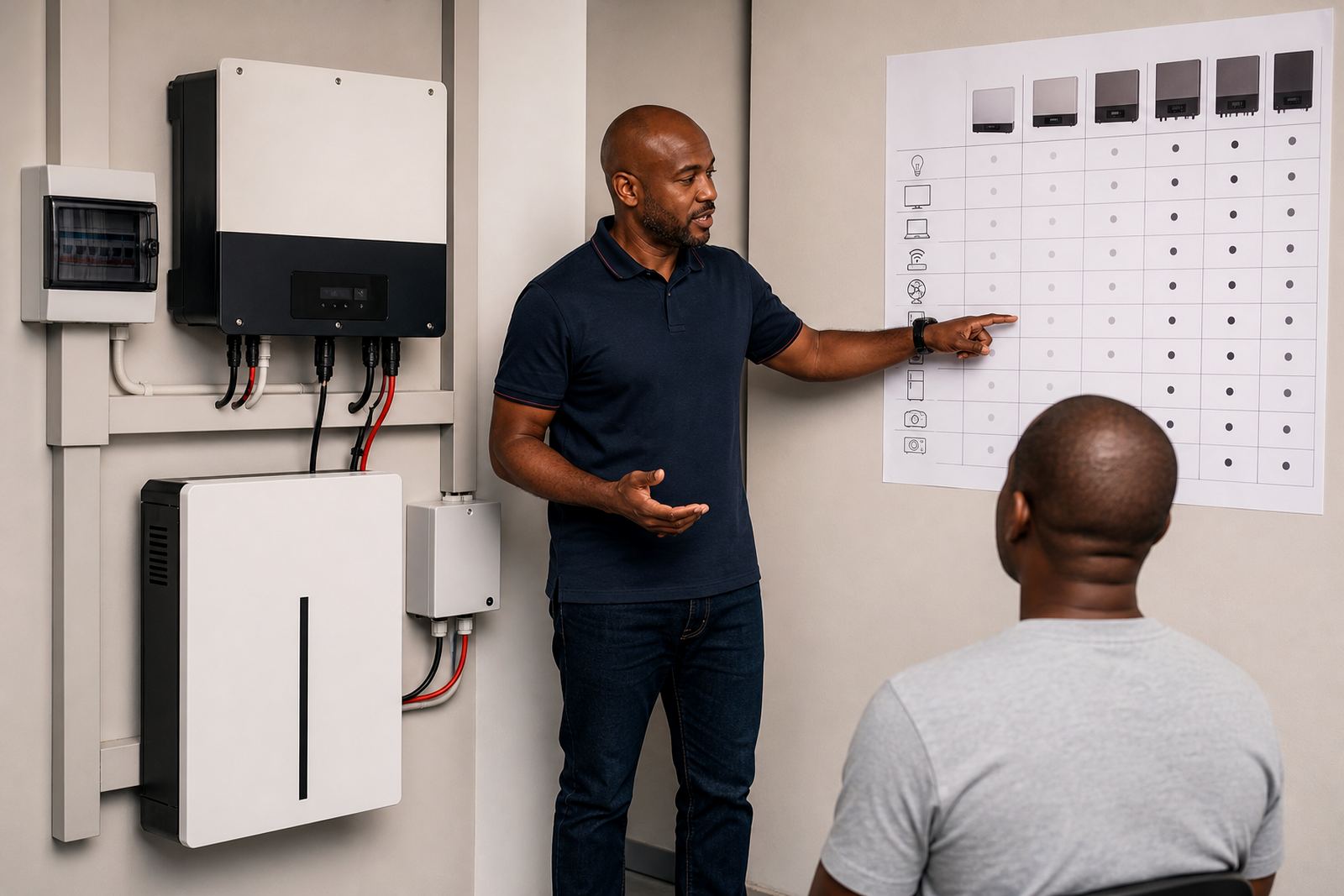
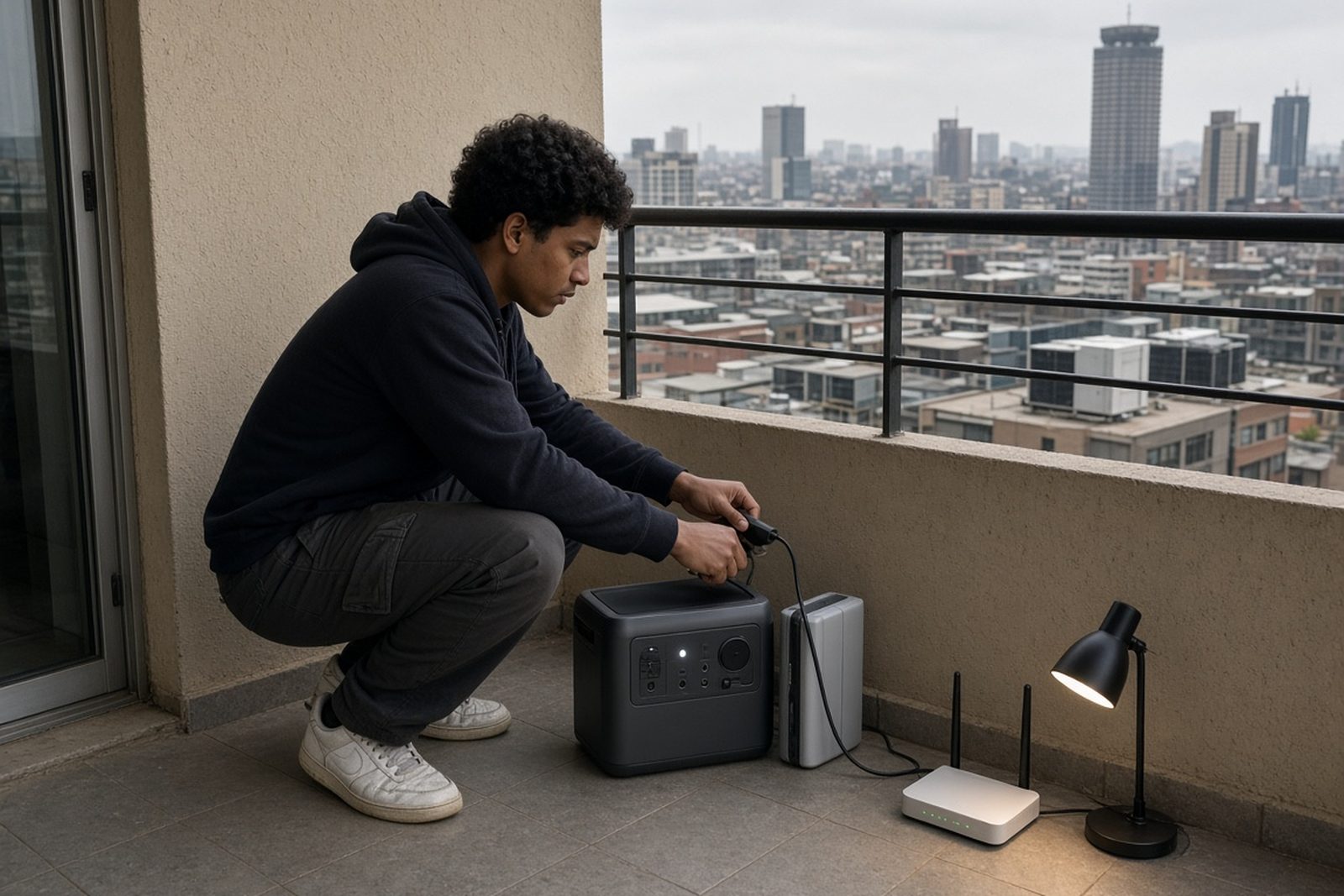
Before choosing an inverter or lithium battery, list the appliances and circuits that must keep running when the power goes off. In a home that might be lights, Wi-Fi, the alarm, a TV point, and a few plug circuits. In a business it may be computers, routers, access control, point of sale equipment, gate motors, or a small office fridge. The goal is not to back up everything, only the essential parts that matter most.
For Gauteng properties, this first step saves a lot of confusion later. A Randburg townhouse, a Midrand office and a Roodepoort warehouse will not need the same setup, so the load list should match the way the property is used day to day.
How to Think About Inverter and Battery Sizing
Backup sizing is about matching the inverter capacity and battery storage to the loads you want to run, and the length of time you want them available. Smaller setups can cover a few essentials for short outages, while larger systems are used where longer runtimes or more equipment are needed. The right answer depends on the total wattage, the surge demand when motors or compressors start, and how many hours of backup are expected.
A proper site assessment helps with this because not every load should go onto backup. Some circuits draw too much power, while others are better left off the system. That is why sizing should be based on the actual electrical board and usage patterns, not guesswork.
- Check which loads are essential and which can stay off during outages.
- Work out running load and starting load separately.
- Allow for future battery expansion if the property will grow.
- Consider daytime use, evening use, and how often shedding happens in your area.
Share what must stay on during an outage and the size of the property, and a backup planner will phone or message you.
Contact formBattery Choices for South African Conditions
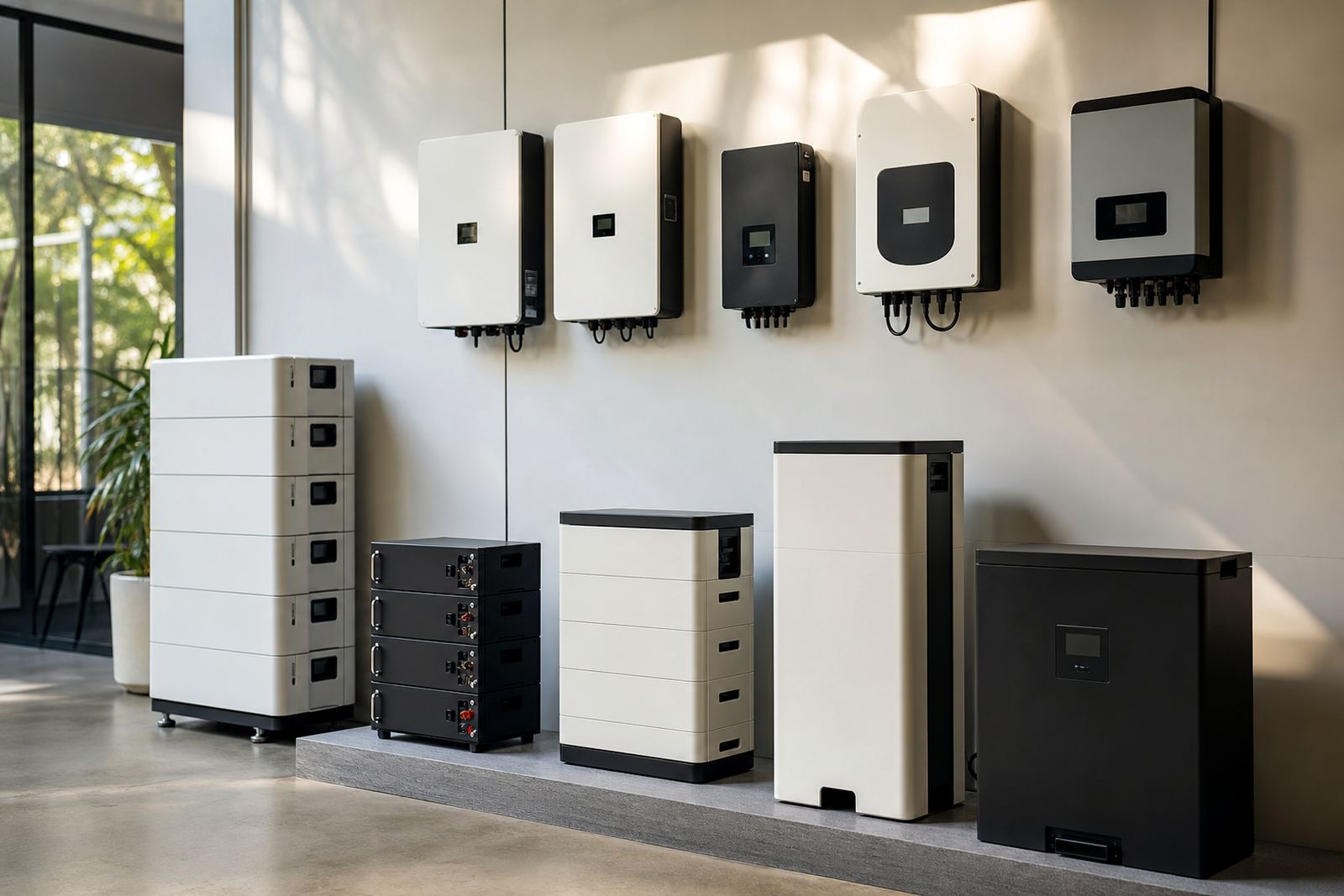
Lithium batteries are often chosen for backup because they handle repeated charging and discharging well, and they suit regular load-shedding patterns. They are commonly used with inverters for homes, sectional title units, offices and light commercial sites. In coastal areas with humidity, and in warm plant rooms or garages, good installation practice matters just as much as the equipment itself.
The battery bank should be planned with enough capacity for the expected load and the desired run time. A system that is too small will empty too quickly, while an oversized system may be unnecessary for the actual use case. That balance is why proper advice matters before anything is bought or installed.
Installation Planning and Electrical Compliance
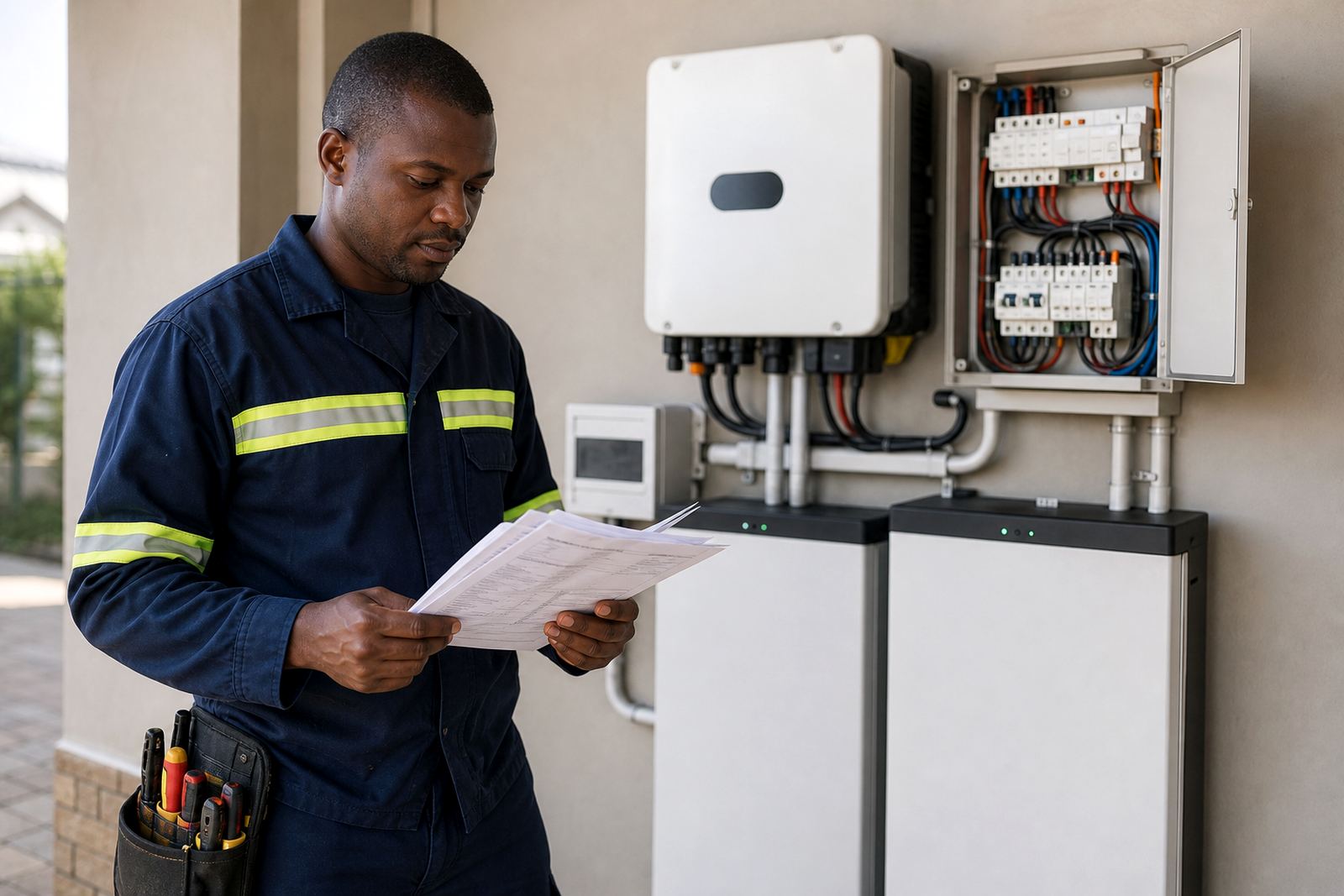
Backup systems must be installed by a registered electrician, and the installation must be issued with a certificate of compliance where required. That applies whether the setup is a small home system or a larger business installation. If the system is grid-tied, municipal registration is also needed. This is not just admin, it is part of making sure the installation is legal and safe.
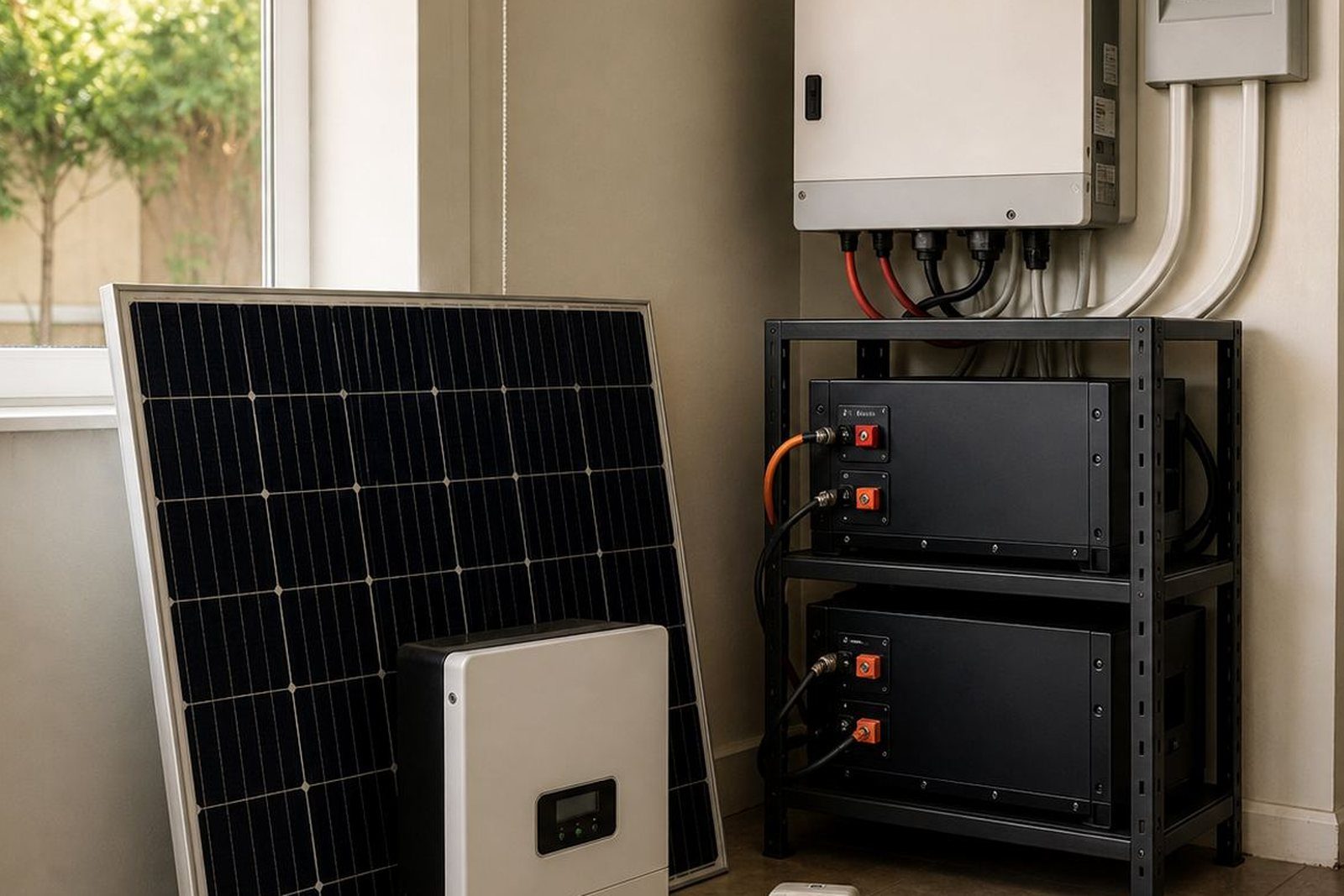
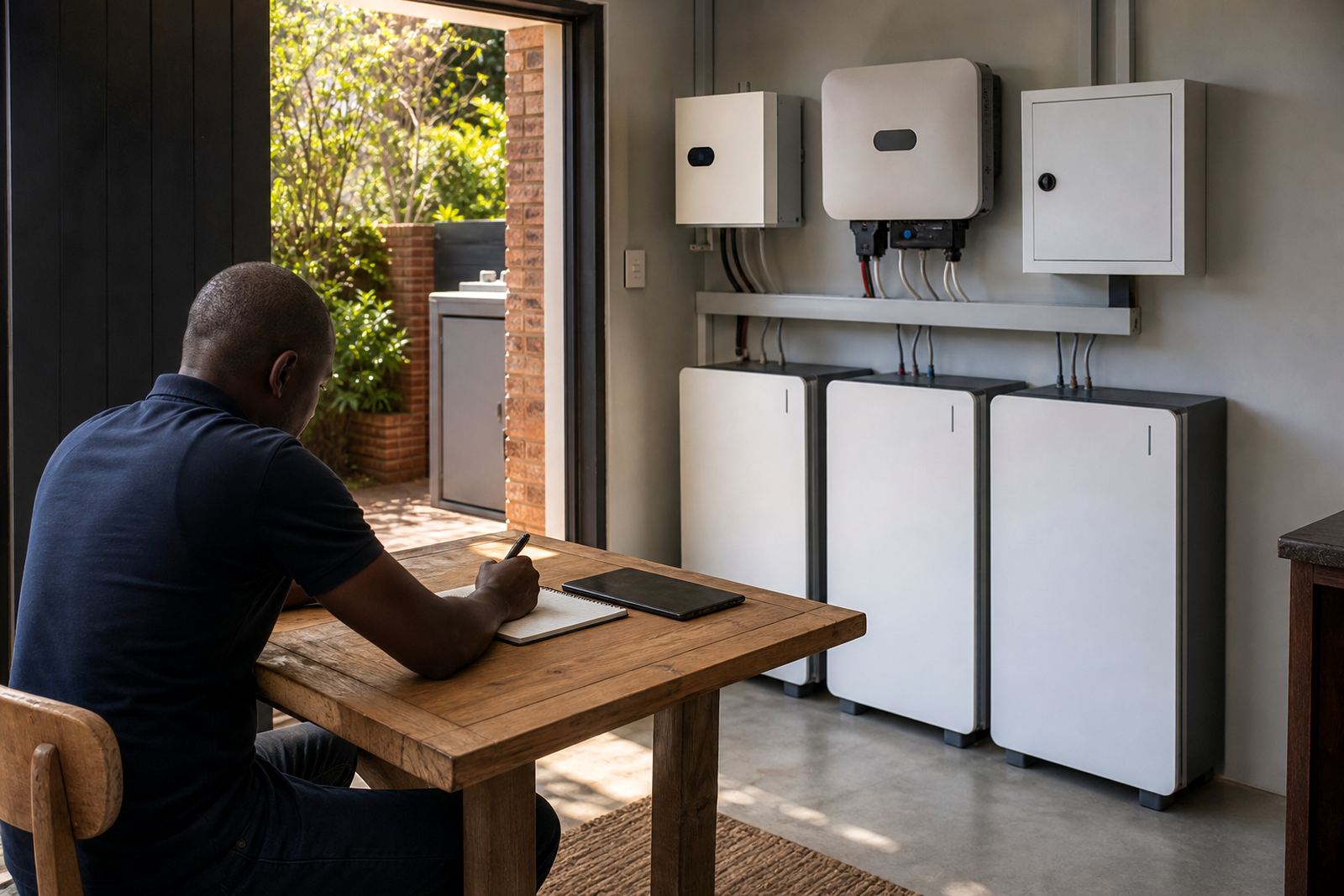
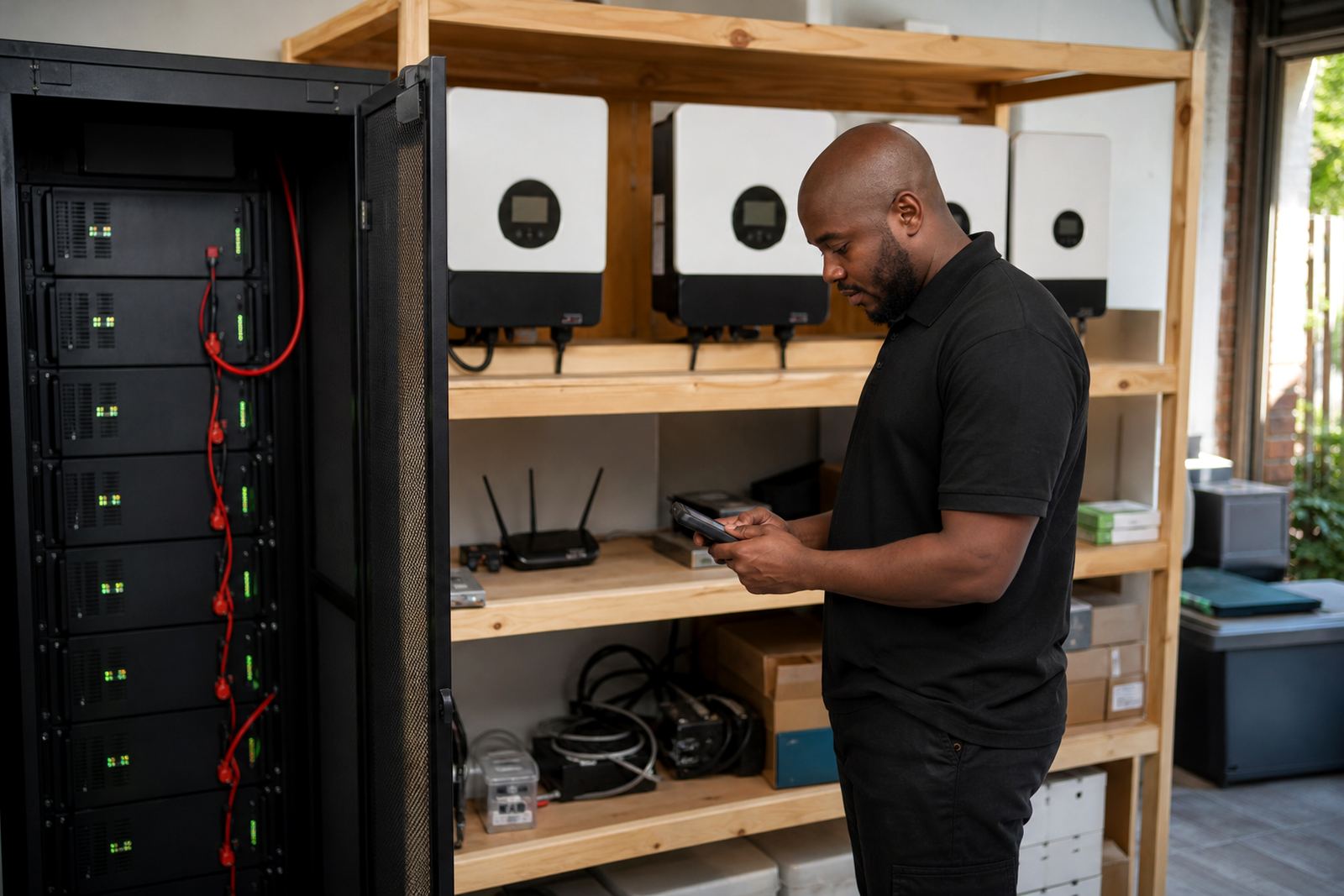
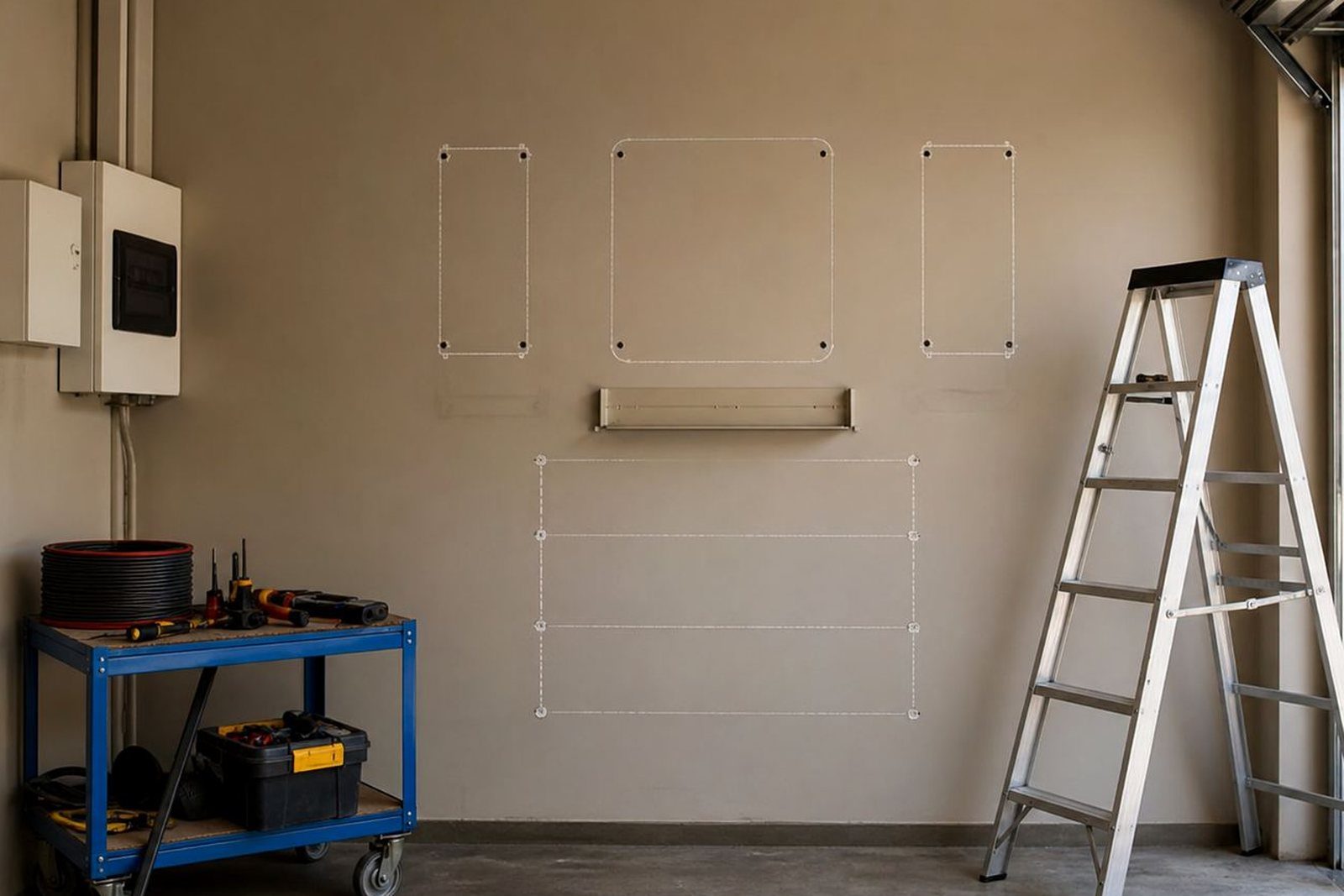
Good planning also covers where the inverter and batteries will be mounted, how cables will be routed, and which circuits will be separated onto backup. For homes in Sandton or Fourways, that may mean neat wall mounting in a garage or utility area. For business premises in Pretoria or Centurion, it may include a dedicated electrical cupboard and clearer labelling for staff use.
- Confirm the installation position and ventilation requirements.
- Keep access clear for servicing and fault checks.
- Label backed-up circuits and changeover points clearly.
- Make sure compliance paperwork is completed after installation.
When a Changeover or Monitoring Setup Helps
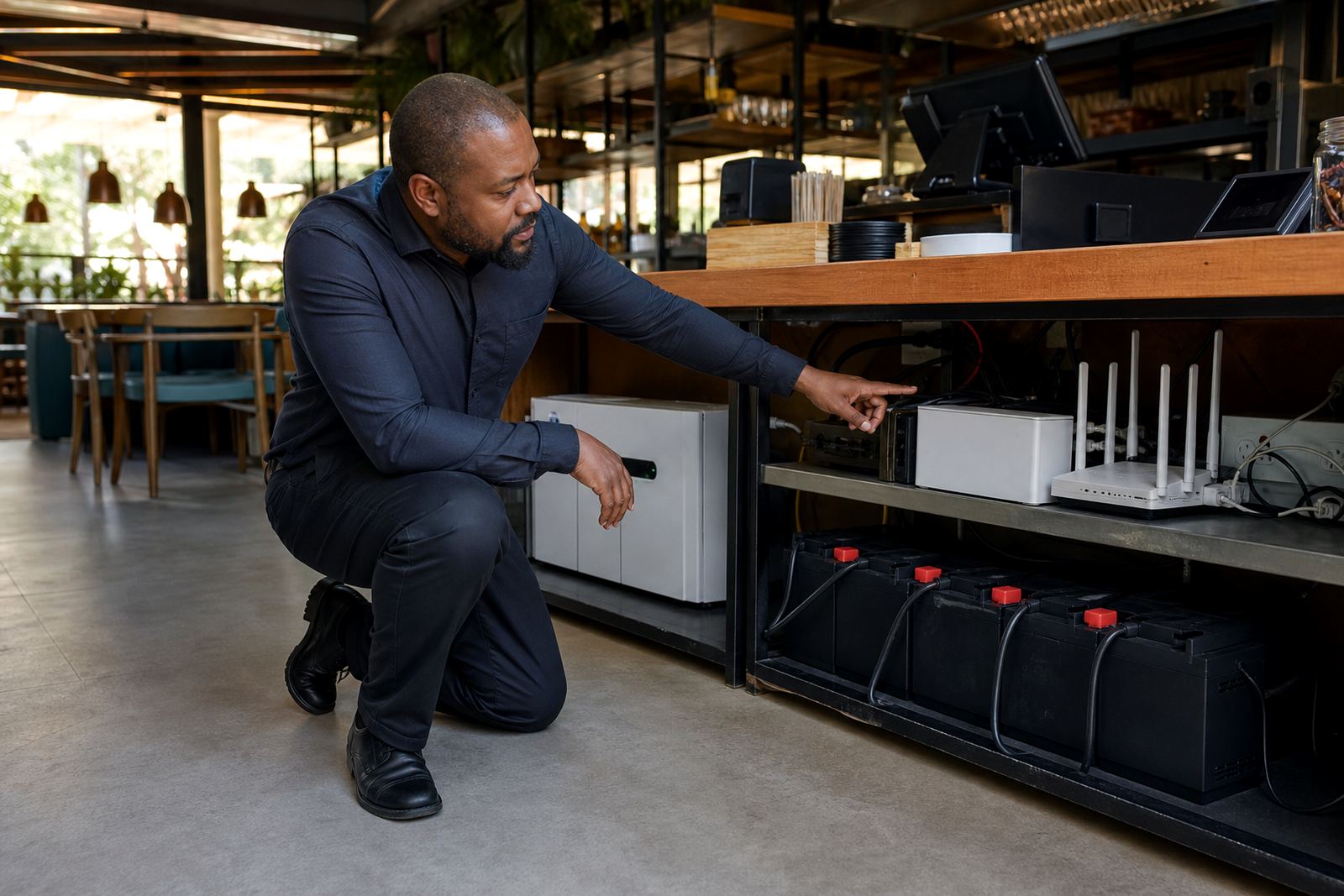
Some properties only need a simple changeover solution, while others benefit from more control. A changeover can help move selected circuits onto backup power without confusion during an outage. Monitoring setup can make it easier to see battery status, charging and usage, which is useful in business settings where staff need to know what is available at any given time.
For offices, shops and shared buildings, clear operation is important because different users may not understand the limits of the system. A properly planned setup reduces mistakes and helps everyone know which equipment can be used during shedding.
How to Choose the Right Next Step
Backup planning is easier when you tackle one decision at a time, from basic sizing to installation. Start with sizing if you are still unsure what you need. Look at compliance if the system will connect to the building supply. Use the maintenance and fault-check guides if you already have equipment and want it checked or expanded.
PowerCut supplies inverters and lithium batteries for homes and businesses across Gauteng, including Johannesburg, Pretoria, Centurion, Midrand, Roodepoort, Randburg, Sandton and Fourways. Write to PowerCut through the contact page form and the team can help with site assessments, essential circuit wiring, commissioning, monitoring setup and routine servicing.
- Best for first-time buyers who need a clear starting point.
- Useful for owners planning upgrades or battery expansion.
- Helpful for businesses that need dependable backup for daily operations.