Start With a Dry, Cool and Accessible Spot
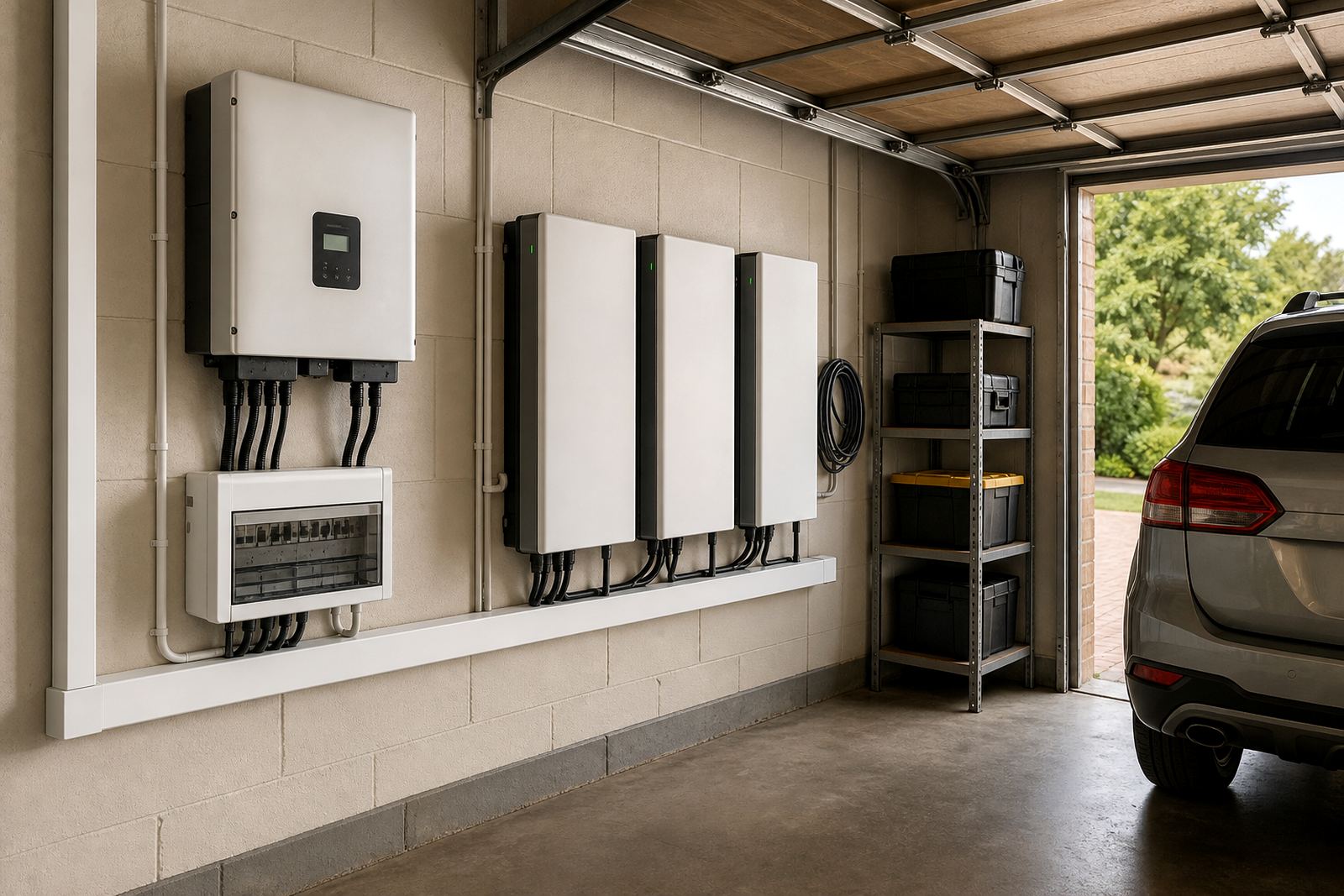
A lithium battery performs best in a space that stays dry, fairly cool and easy to reach. Garages, utility rooms, storerooms and sheltered service areas are often suitable, provided the floor is level and there is enough space around the unit for inspection and cabling. Heat, damp and cramped corners all make future servicing harder.
For homes in Johannesburg, Pretoria and Centurion, it is wise to think about summer heat, winter condensation and dust from open driveways or workshop areas. Coastal humidity is not the main issue in Gauteng, but damp laundry rooms and unventilated cupboards can still be a problem. A tidy location also helps keep cables short and neat, which makes the installation easier to inspect later.
Keep the Battery Away From Direct Sun, Water and Daily Traffic
The battery should not sit in direct sunlight, near geysers, washing machines with frequent moisture, or in an area where it can be bumped by bikes, tools or moving stock. If the battery is mounted in a garage, allow enough clearance so car doors, trolleys and stored items do not get in the way. In commercial spaces, access routes should stay clear for maintenance and emergency shut-off.
- Avoid walls that get hot from afternoon sun.
- Do not place batteries under leaking pipes or near roof drips.
- Keep the area free of paint, petrol, cleaning chemicals and cardboard storage.
- Leave space for the technician to read labels and check connections.
A battery does not need to be hidden away in a difficult corner. Service access matters just as much as appearance, especially when load-shedding hits and the system needs to work without fuss.
Share what must stay on during an outage and the size of the property, and a backup planner will phone or message you.
Contact formThink About Cable Runs and the Rest of the Backup System
Battery location affects the rest of the system more than many people expect. Shorter cable runs usually mean a tidier installation and fewer points where things can go wrong. The battery is often best placed close to the inverter, but not so close that heat builds up around both units. The aim is a balanced layout that allows safe spacing and easy servicing.
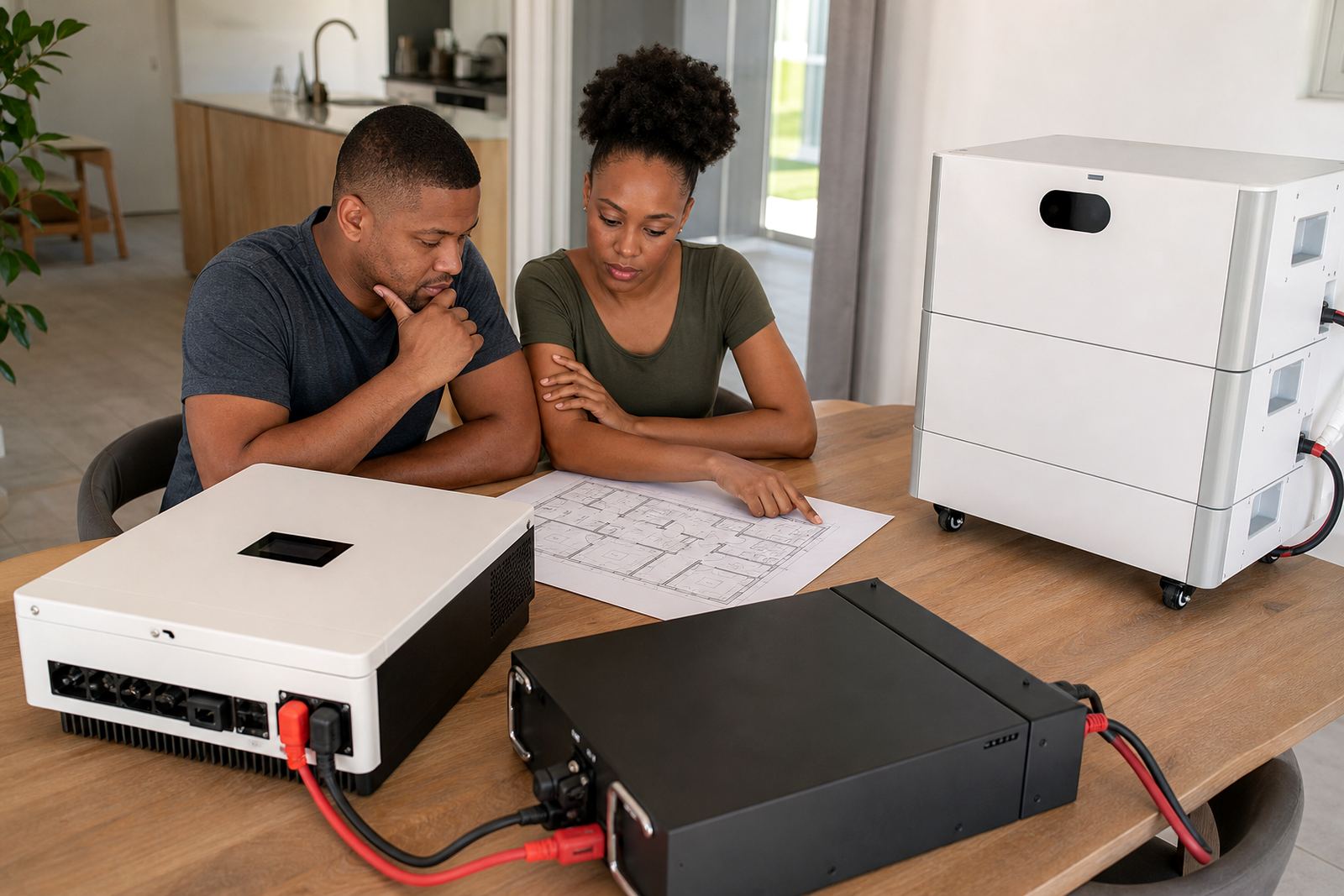
During a site assessment, the installer will look at where the main distribution board sits, where essential circuits will be fed from, and how the changeover solution will be arranged. In Randburg homes with a small scullery or in Midrand offices with a back utility wall, the best battery point is often the one that keeps the wiring direct and controlled. That saves a lot of awkward routing later on.
- Keep cable routes short and protected.
- Allow enough wall space for mounting and ventilation.
- Plan for the inverter, battery and changeover equipment as one system.
- Make sure the location is still reachable if the room layout changes later.
Allow for Ventilation, Clearance and Future Expansion
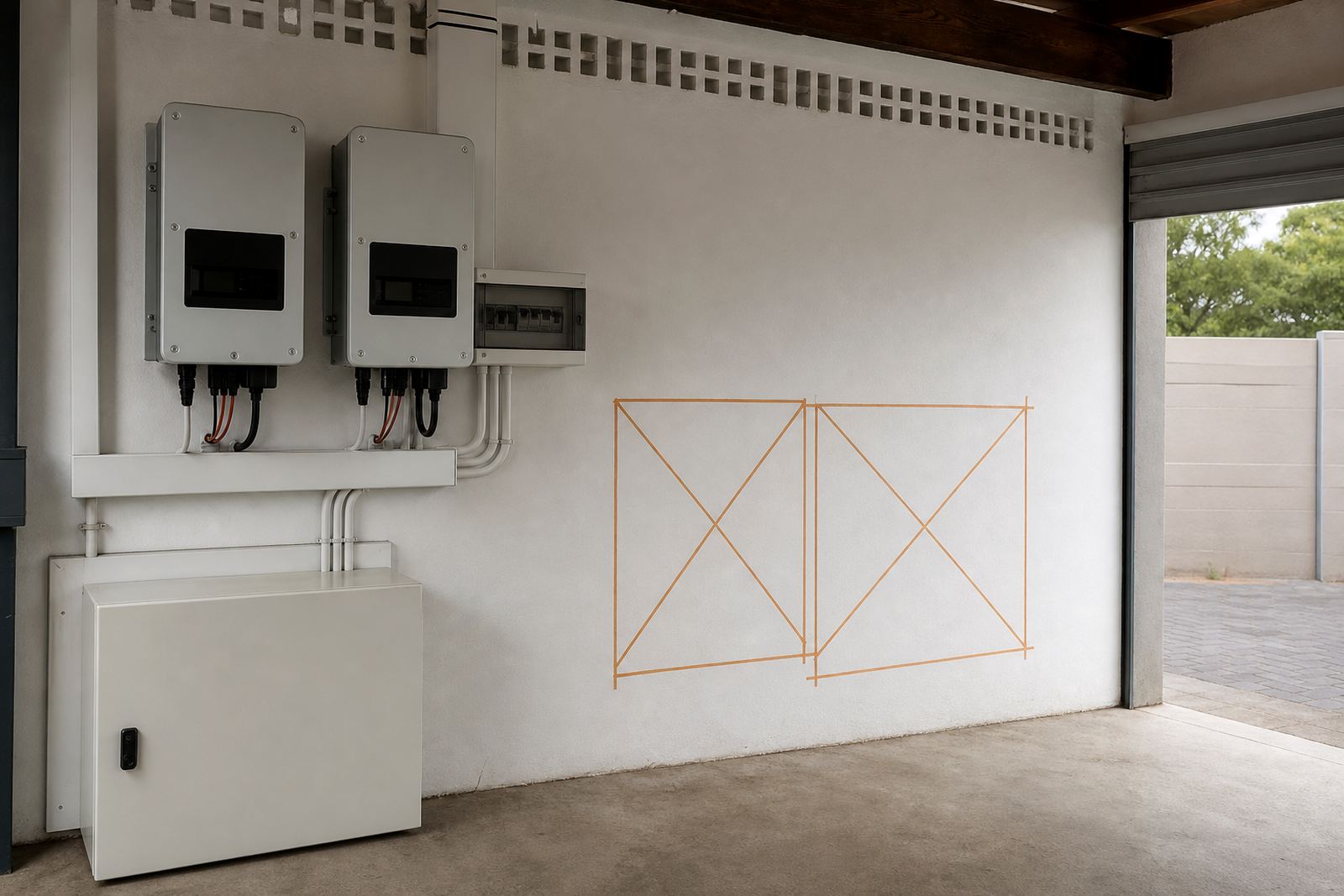
Lithium batteries do not need the same open treatment as older battery types, but they still need breathing room and proper spacing. Tight cupboards, sealed boxes and crowded shelves are not ideal. When a system is planned for future battery expansion, the first location should leave practical room for extra units or revised cabling without forcing a full relocation.
Business clients in Sandton or Roodepoort often add capacity later as their backup needs grow. A good starting position can save time and cost when more storage is added. It also helps with routine servicing, because the technician can check terminals, connectors and mounting without moving half the room around first.
If the battery room is used for storage as well, keep the battery zone separate. Do not stack boxes against the unit or use the same wall space for loose tools and spare parts. Clean access is part of safe installation, not just a nice extra.
Match the Location to the Type of Building
Different properties call for different battery locations. A suburban home in Fourways may have a neat garage wall available, while a small business in Pretoria might need a secure plant room or back office corner. Townhouses, sectional title units and premises with body corporate rules may have limits on where equipment can be mounted, so the site plan must suit the building as well as the battery.
For sectional title properties, check whether the installation affects common property, ventilation paths or fire safety access. In commercial settings, a battery should not block escape routes, stock movement or cleaning access. If the battery is going into a shared space, security and lockable access should also be considered. A practical position is one that works for the building manager, the electrician and the person who will service it later.
Use Professional Installation and Follow Compliance Rules
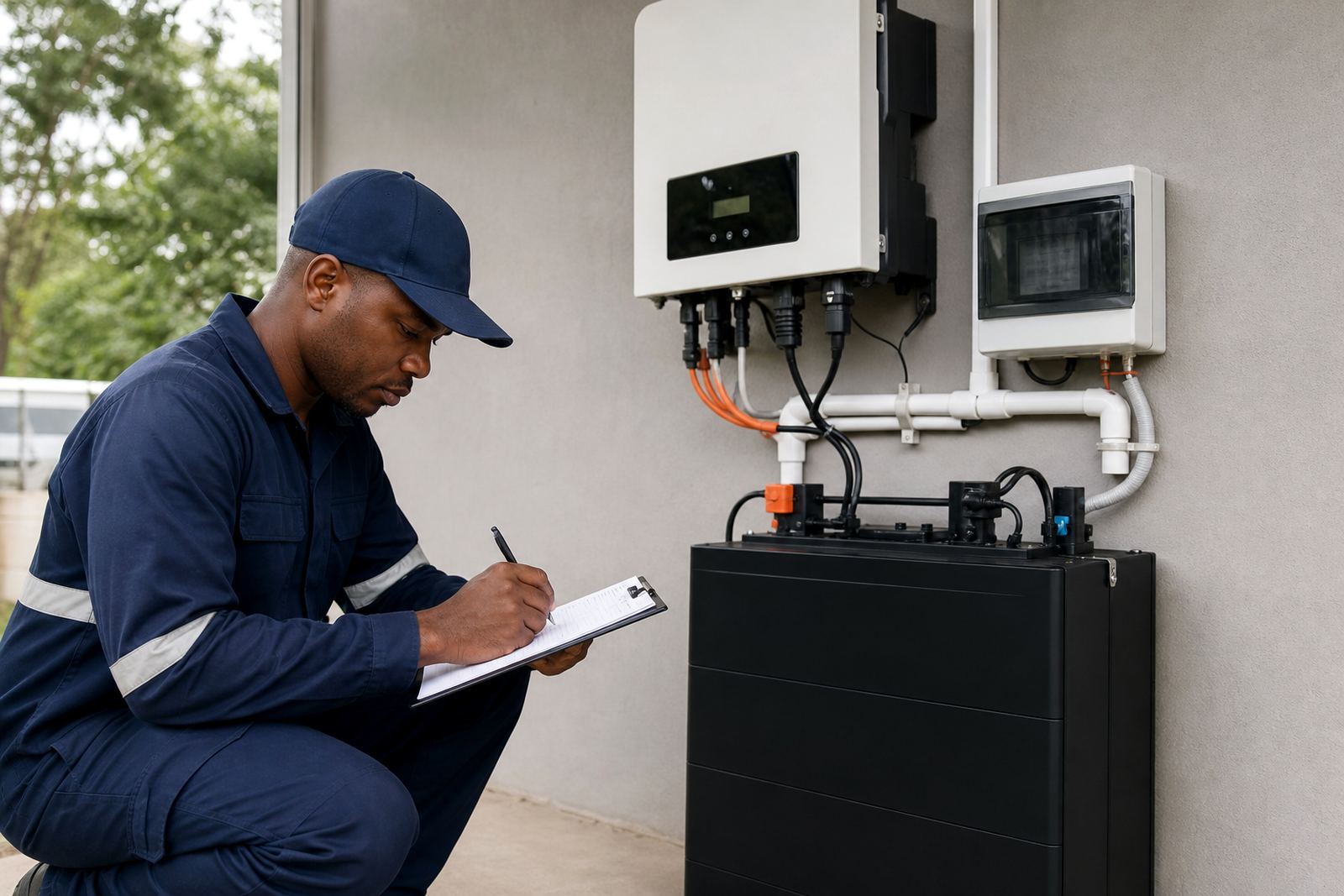
Battery location is only one part of a proper backup setup. Installation must be done by a registered electrician, and the work must be signed off with a certificate of compliance. If the system is grid-tied, it also needs municipal registration where applicable. That is especially important when the backup system is connected to the home's or business's existing supply and changeover arrangement.
Good compliance is not just paperwork. It helps confirm that the battery, inverter, wiring and protection devices have been installed correctly and that the chosen location is suitable for the equipment and the building. When a system is checked properly from the start, it is easier to service, expand or fault-find later. If you are unsure about the best place, a site assessment is the safest way to settle it before installation day.
For customers in Johannesburg, Pretoria, Centurion, Midrand and Roodepoort, this is where local experience matters. A battery that looks fine on paper may need a different position once the electrician checks wall strength, cable routes, ventilation and access at the actual property.
A Simple Gauteng Example That Gets It Right
A Randburg homeowner with regular load-shedding may want the battery tucked away in a store room, but if that room is warm, dusty and used for packed boxes, it is not a good choice. A better option may be a garage wall with clear access, a level mounting surface and space for the inverter beside it. The result is neater wiring, easier servicing and less risk from heat or clutter.
In a small office in Midrand, the battery may work best in a secure utility area close to the main board, with enough space for future capacity and a clear route for maintenance checks. The final position should support the system for the long term, not just fit the space on installation day. That way the backup system stays serviceable, tidy and ready when the power goes off.