
Guesthouse brief in Centurion
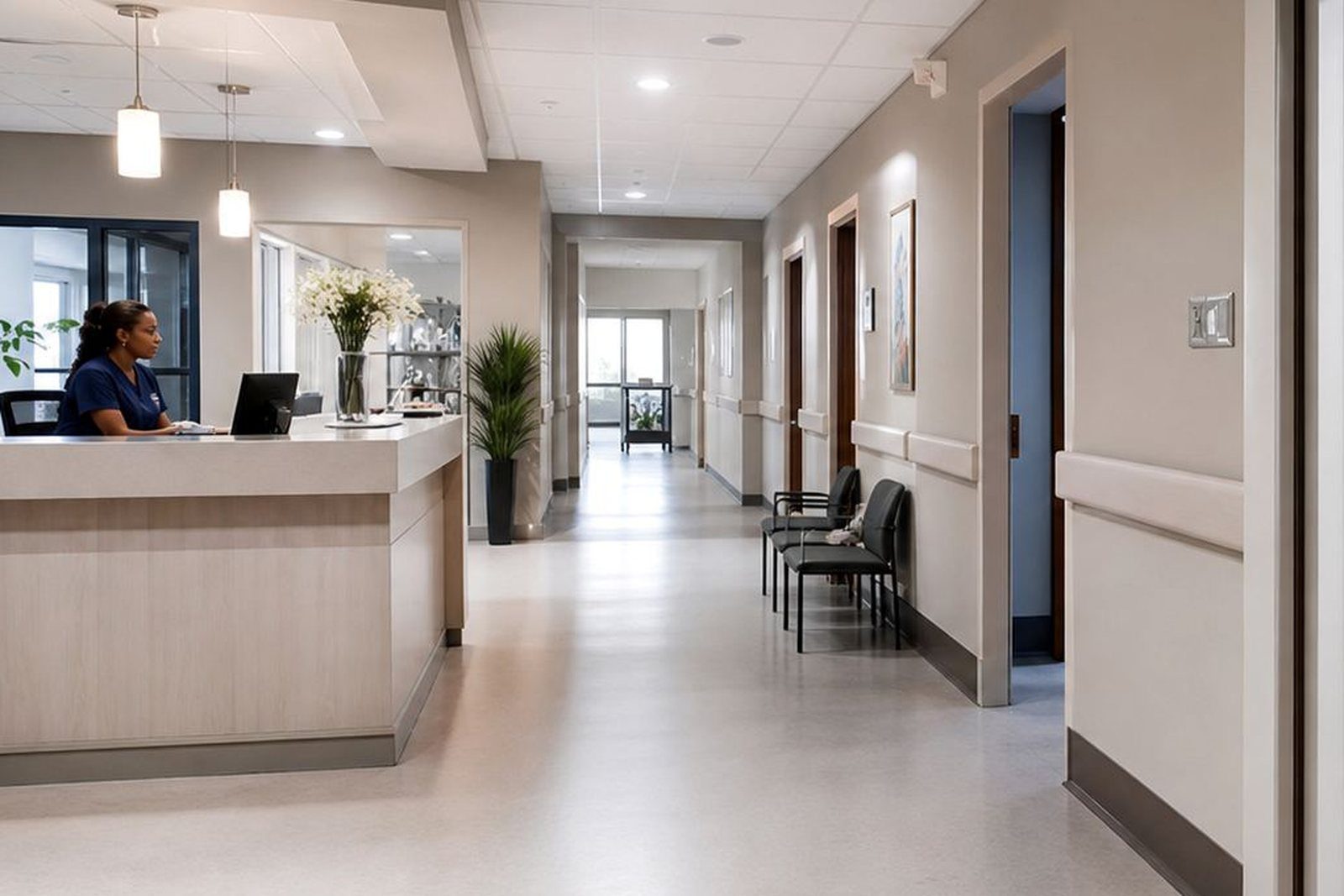
The client was a guesthouse in Centurion, serving business travellers and families who need steady power for check-in, internet and a few critical room circuits. The main concern was not running the whole property for hours on end, but keeping guest-facing essentials alive when the municipal supply dropped. That meant a measured solution, not an oversized one.
The backup plan had to cover reception lights, the router and network equipment, a few plugs for admin use, and selected room essentials during evening outages. The property also wanted a setup that would not disturb guests with unnecessary noise or constant switching. In a hospitality setting, even a short outage can affect bookings and reviews, so the system had to come on cleanly and behave predictably.
The site also had the usual Centurion practicalities: a neat plant area, limited space for equipment, and a need to keep cabling tidy for staff and contractors. Load-shedding often arrives without warning, so the brief was about comfort and continuity more than luxury. It had to be simple enough for staff to live with every day, with no complicated routine to remember.
What the backup system was designed to carry
We mapped the loads before supply so the battery and inverter capacity matched the actual use, not a guess. For a guesthouse, the first step is usually to separate essential circuits from high-draw items like kettles, heaters and cooking equipment. Those can stay on the main supply side while the backed-up circuits keep the business moving.
The final essential load list focused on three areas:
- Reception lighting and front-of-house power points
- Internet equipment, including router and network gear
- Selected room essentials, mainly lights and small plugs
The sizing also had to allow for load-shedding blocks that can run into a few hours, plus the odd unexpected outage in Gauteng. We looked at practical battery runtime rather than theoretical figures, and we made room for later battery expansion if the guesthouse decides to back up more circuits. In this kind of job, it helps to keep the system balanced and not push it too hard from day one.
Share what must stay on during an outage and the size of the property, and a backup planner will phone or message you.
Contact formSupply and installation work completed
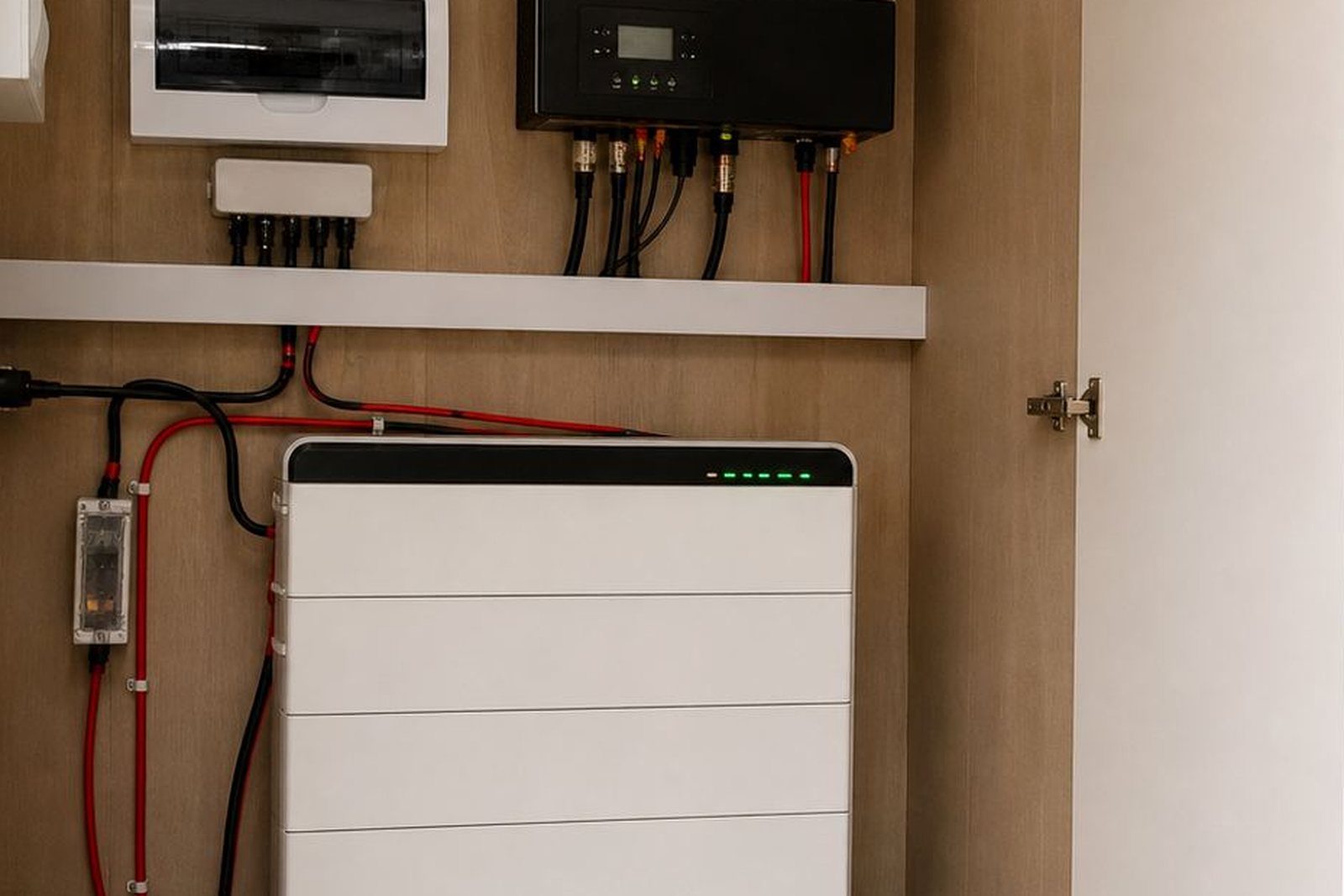
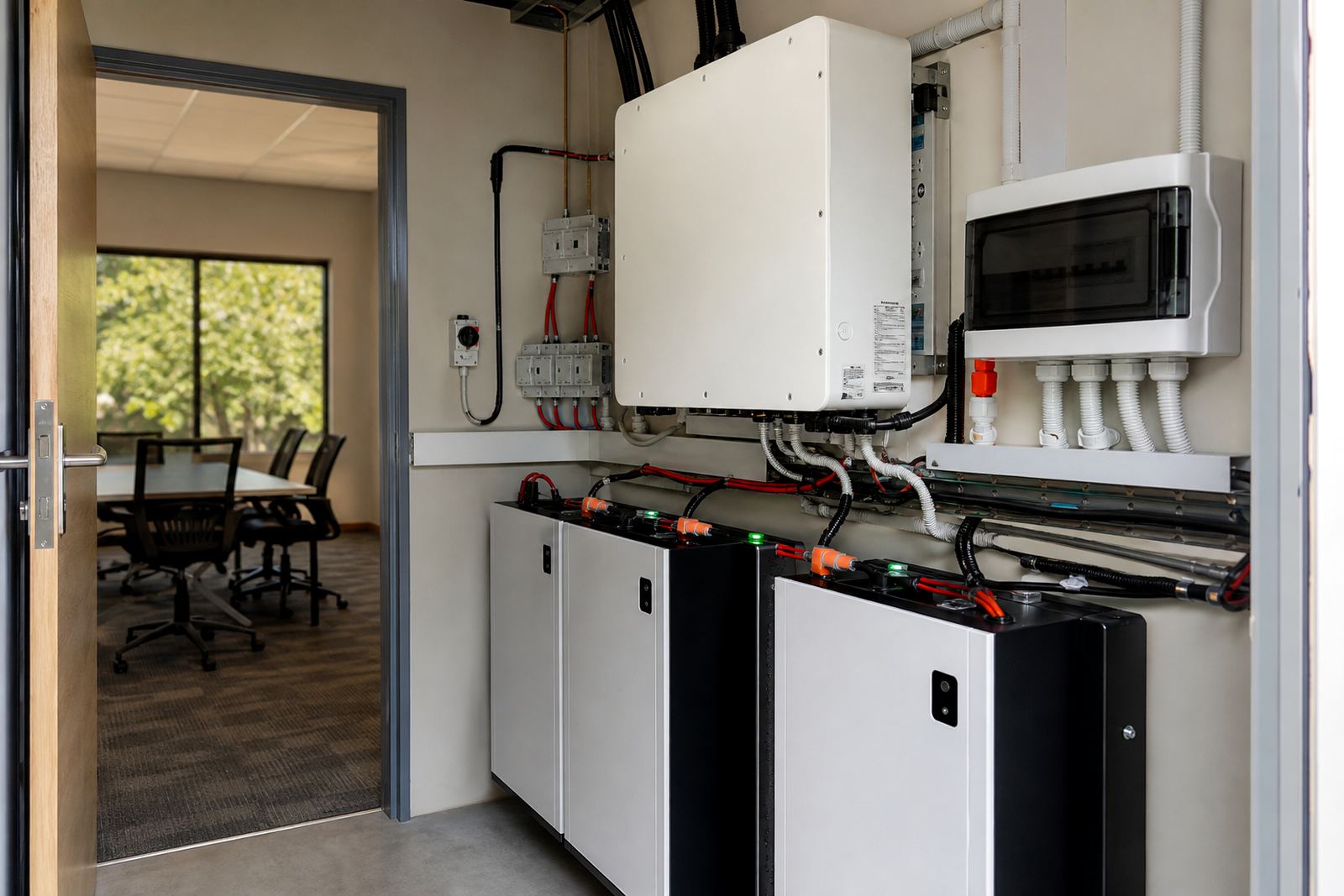
We supplied a correctly sized inverter with lithium battery storage, plus the balance of system components needed for a clean installation. The inverter was configured for automatic changeover so the backup circuit picks up when the grid fails and returns to normal operation once power is restored. The battery bank was set up for daily cycling, which suits hospitality use where outages may happen several times a week.
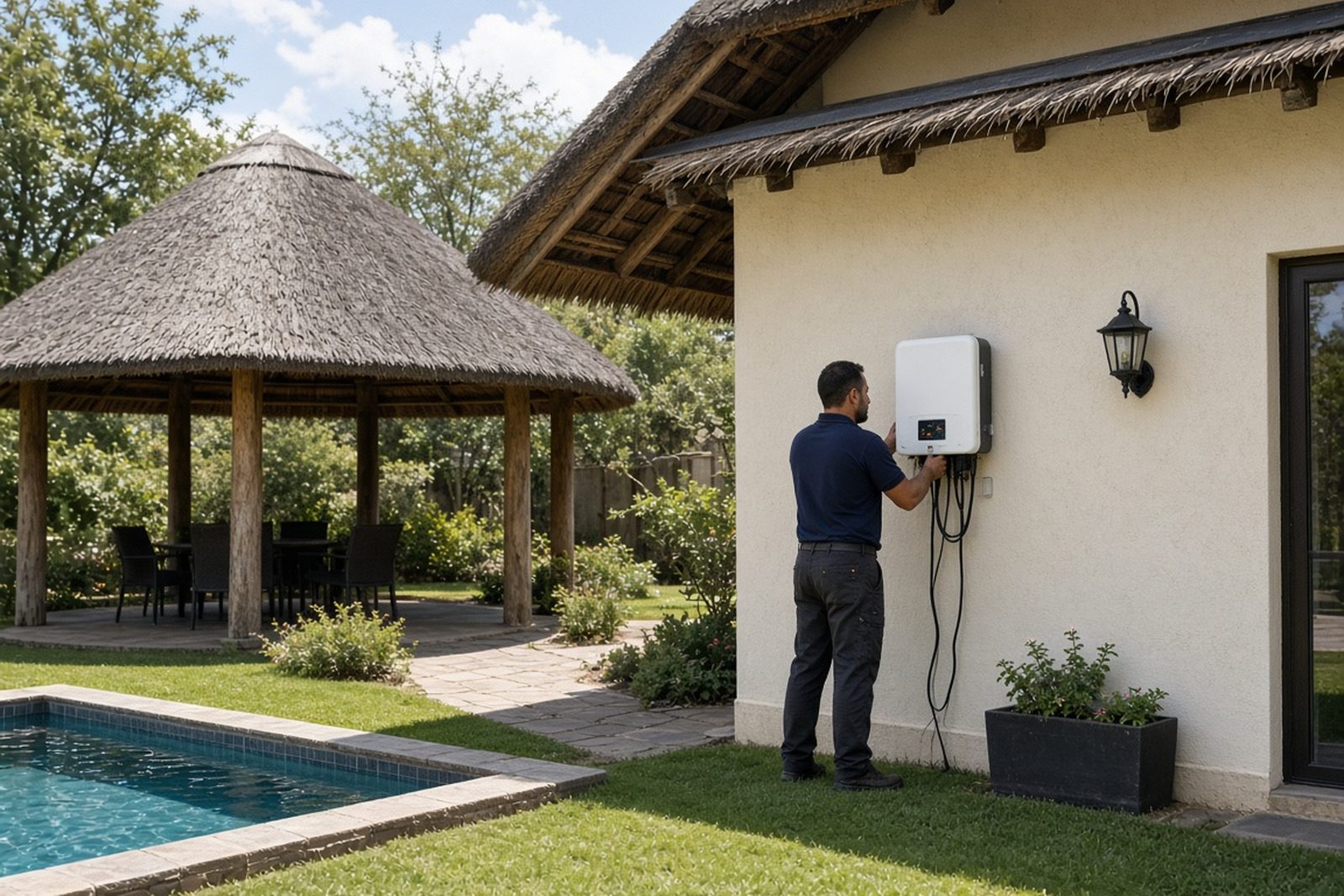
Our work on site included inverter installation, battery installation, essential circuit wiring, changeover solutions and system commissioning. We also handled the practical side of compliance support so the owner had the right paperwork route to follow. The final installation was arranged to keep cabling short, accessible and tidy, with enough ventilation around the equipment and enough clear space for future maintenance.
- Inverter configured for essential loads only
- Lithium battery storage selected for repeated cycling
- Automatic changeover included for outage response
- Circuits labelled for staff use and future fault finding
Because guesthouses operate every day, we kept disruption low and worked around occupied areas. The install was completed in a measured sequence so reception and internet could be restored first, then the room circuits brought in after testing. That made the handover smoother and reduced pressure on staff during the changeover period.
Compliance, registration and who must sign off
Any fixed inverter or battery installation must be done by a registered electrician, and the relevant Certificate of Compliance must be issued after the work is completed. Where a system is grid-tied, municipal registration is also required. That part matters, because even a tidy installation still has to meet the rules that apply to a South African premises.
For a guesthouse, compliance is not just paperwork. It helps protect the owner, the electrical contractor and the people staying on the property. It also makes future servicing easier, because the system layout, circuit changes and protection devices are documented from the start. We always advise clients to keep the compliance record with the property file, not buried in a drawer somewhere.
The Centurion site had a straightforward installation path, but we still treated the checks carefully. We verified the essential circuit split, confirmed the changeover arrangement and checked that the backup gear was fitted in a way that supports safe ongoing use. In hospitality work, that level of order saves time later when a fault or expansion comes up.
Timeline, handover and day to day result
Once the system was running, reception stayed live through outages, the internet remained available, and selected room essentials had a dependable supply. Staff could continue with check-ins, guest communication and basic admin without rushing for torches or scrambling to restart network equipment. That is the main value in a guesthouse setting, the business keeps moving and guests notice less.
- Three-week project from assessment to commissioning
- Reception and internet prioritised first
- Selected guest room circuits supported during outages
- System handed over with practical operating guidance
The owner also asked for a setup that would be easy to live with during winter load-shedding, when evenings are darker and pressure on the grid is higher. The result was a clean, manageable backup system that fits the property’s daily routine rather than fighting it. It also left enough headroom for future battery expansion if room load increases later on.
What this Centurion guesthouse setup is worth repeating
If we were doing another guesthouse in Centurion or nearby Pretoria, we would follow the same approach: assess the essential loads first, keep the backup circuits tight, and make sure the staff understand what is supported and what is not. That is usually the best way to avoid overspending on capacity that never gets used.
We would also repeat the focus on labelled circuits, neat cabling and service access. These small things make a real difference when there is a fault check, a battery expansion, or a seasonal maintenance visit. On a hospitality site, the equipment should be easy to work on without disturbing the operation.
This Centurion guesthouse project highlighted one clear point. A guesthouse does not need every appliance on backup, it needs the right ones. Reception, internet and a few room essentials make the property workable during load-shedding, and the rest can stay on the non-essential side where it belongs. That keeps the system sensible, affordable to operate and suitable for day to day use.
Support for Centurion and surrounding Gauteng sites
PowerCut works with homes and businesses across Gauteng, including Centurion, Johannesburg, Pretoria, Midrand, Roodepoort, Sandton and Fourways. Our support covers site assessments, backup sizing, inverter installation, battery installation, essential circuit wiring, changeover solutions, system commissioning, compliance support, monitoring setup, battery expansions, fault checks and routine servicing.
For guesthouses, medical rooms, offices and retail sites, the best backup plan starts with the loads that matter most. If the brief is clear, the system can be sized properly and installed with the right compliance steps from the outset. That is the kind of job we prefer, because it keeps the customer in control and avoids guesswork.
Write to PowerCut through the contact page form and we then work through the site details, usage pattern and support needs. From there we can plan a practical solution for load-shedding, coastal humidity concerns where relevant, or a future battery upgrade when the property grows. In the end, the aim is plain: keep the important bits running when the lights go out.
System at a glance
| Project type | Guesthouse load-shedding backup |
|---|---|
| Town | Centurion, Gauteng |
| Core loads | Reception, internet, selected room essentials |
| System type | Inverter with lithium battery storage |
| Timeline | 3 weeks from assessment to commissioning |
| Compliance | Registered electrician work with COC; municipal registration for grid-tied systems |