Keeping the service going when the power drops
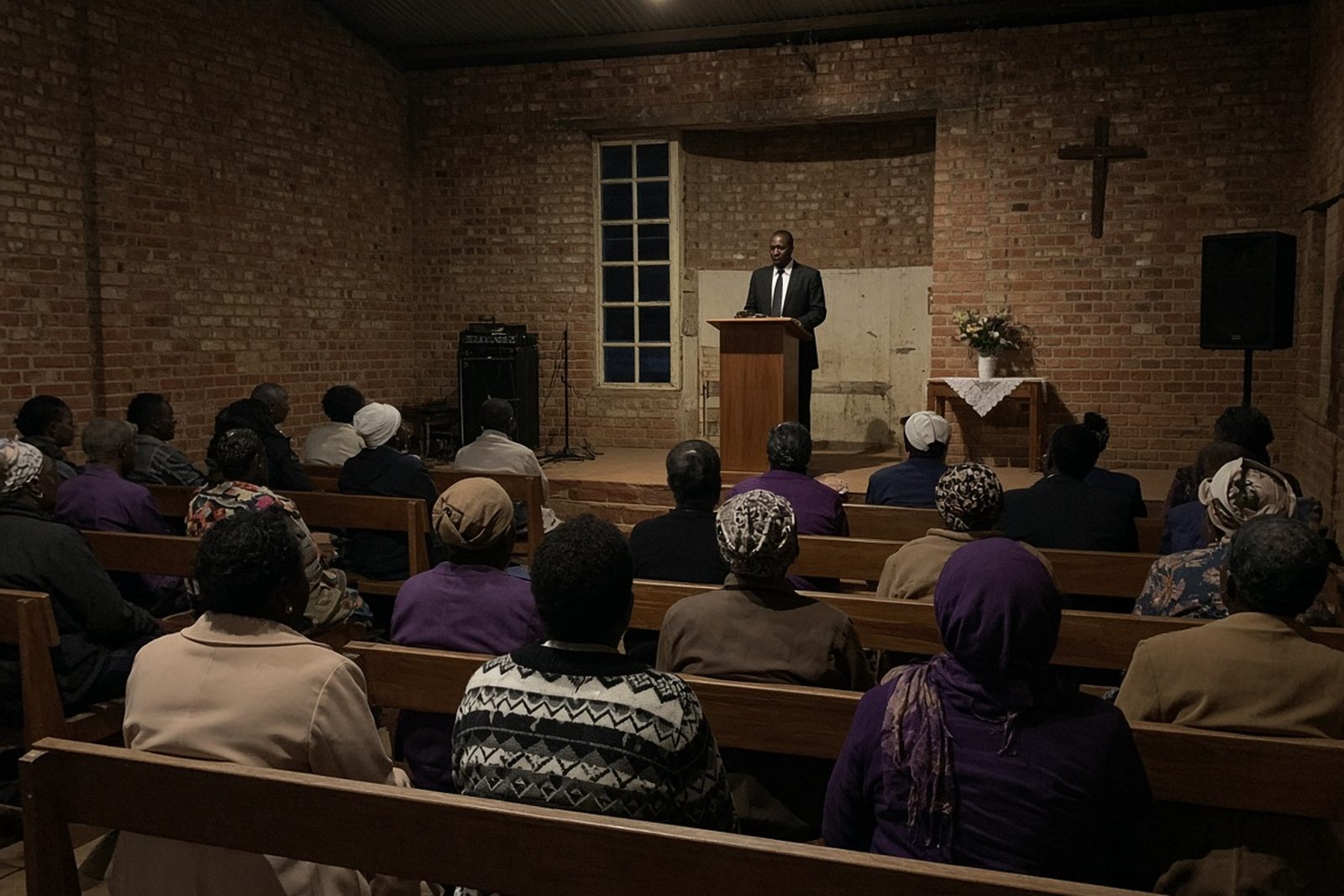
In many churches, load-shedding affects more than the lights. It can cut microphones, mixers, projectors, security cameras, gate motors and the office network, which makes services harder to run and creates a lot of avoidable stress. A proper backup system should keep the essential parts of the building active long enough for worship, admin and security to carry on in a controlled way.
We work with churches in Randburg, Sandton, Fourways, Johannesburg, Pretoria, Centurion, Midrand and Roodepoort. The first step is usually a site assessment to separate what must stay on from what can be left off during an outage. That decision shapes the battery size, inverter capacity and the number of circuits that need to be moved onto backup.
Typical equipment in a church backup system
Most churches do not need every plug and every light on backup. The usual setup focuses on essential lighting, the sound area, a few admin points, internet, CCTV and sometimes a gate motor or alarm panel. Smaller chapels may only need a compact inverter with one lithium battery, while larger sanctuaries may need a multi battery bank and more detailed essential circuit wiring.
- LED lighting in the sanctuary, foyer and passage areas
- Sound counter, amplifiers, wireless receivers and stage equipment
- Router, modem and office computers
- CCTV, alarm system and access control
- Reception area or admin office plug points
- Optional support for gate motors and small printers
Lithium batteries are often preferred for churches because they charge faster, handle regular cycling well and take up less space than older battery types. In coastal or humid areas, and even in dusty halls inland, clean mounting and good ventilation matter just as much as the equipment itself.
Share what must stay on during an outage and the size of the property, and a backup planner will phone or message you.
Contact formHow to size backup for a church building
The right church backup system depends on the real load in watts and the hours of cover required. A church that only wants lights for an evening prayer meeting needs a very different system from a congregation that wants sound, admin and security through several stages of load-shedding. We usually look at what must run during a service, what must stay up between services and what can wait until grid power returns.
As a practical guide, smaller churches may work with a modest inverter and one or two lithium batteries, while medium and larger sites often need a stronger inverter, extra storage and clearly marked essential circuits. If the building has separate halls, offices and crèche areas, it is often better to split the backup plan by zone instead of trying to support the entire property on one supply.
- List the essential loads first, then add comfort loads only if the budget allows
- Check whether the sound area needs continuous power or only short backup periods
- Keep outside lighting, heaters and heavy kitchen equipment off the backup circuit
- Plan for future battery expansion if the church expects more equipment later
Planning the layout so the system works properly
Good layout planning saves a lot of trouble later. The inverter should be mounted in a cool, dry and accessible place, with enough space for ventilation and servicing. Battery placement should allow for safe cable runs and easy inspection. In churches with older buildings, long cable runs to the sanctuary can create voltage drop or untidy surface wiring, so the route needs to be planned carefully from the start.
It also helps to keep the sound room, admin office and security points on clearly labelled circuits. That way the team knows what is backed up and what is not. When the church uses multiple rooms for youth, choir rehearsals or midweek meetings, each area should be checked separately so the load does not creep up unnoticed.
- Mount equipment away from direct sun, water ingress and public traffic
- Label changeover points and essential circuits clearly
- Allow space for later battery expansion if the ministry grows
- Keep backup wiring neat enough for routine servicing and fault checks
Common mistakes churches should avoid
One common mistake is trying to back up everything at once. That pushes the system size up quickly and often leads to short runtime. Another mistake is ignoring peak loads from amplifiers, fridges or motors, which can trip the inverter at the worst possible moment. Some sites also forget that lights, sound and admin have different priorities, so the whole building is treated as if every point is equally important.
Another issue is leaving installation to someone who is not properly registered. Backup systems must be installed by a registered electrician and the work needs a certificate of compliance. If the system is grid-tied, municipal registration is also required. That matters for safety, insurance and compliance, especially where churches have public gatherings and volunteer operators. Skipping this step can cause problems later on and its usually not worth the risk.
What churches usually budget for backup power
Budget depends on the size of the site, the number of circuits and the runtime needed. A small church backing up a few lights and the sound area will budget very differently from a large ministry with admin offices, CCTV and multiple halls. In practice, the range often depends on whether the project is a basic essential-load setup or a phased system that can be expanded later.
We help churches compare options before anything is bought so the system matches the building and not the other way around. That can include a fresh site assessment, backup sizing, inverter installation, battery installation, essential circuit wiring, changeover solutions, system commissioning, monitoring setup, battery expansions, fault checks and routine servicing. For churches planning around peak Sundays, conferences or evening services, the aim is to keep the most important parts of the property running without overcomplicating the setup.
For enquiries, churches can reach us through the form on our contact page. From our Randburg base, we support sites across Johannesburg and the wider Gauteng area with practical backup power planning that suits real service conditions.