Check the room before the crew arrives
Pick the area where the inverter and batteries will live and make sure it is dry, well ventilated and easy to reach. A garage, storeroom, utility room or shaded indoor wall often works well, provided there is enough clear space around the equipment for airflow and maintenance.
For homes in Johannesburg and Pretoria, we often see installations tucked into tight passages or near washing machines, which makes later servicing harder. In coastal humidity is not the issue in Gauteng, but dust and heat still matter, so avoid cramped corners, closed cupboards and places with direct sun. If the system is going on a wall, check that the surface is solid brick or suitable structural support before installation day.
Make space for the inverter and battery bank
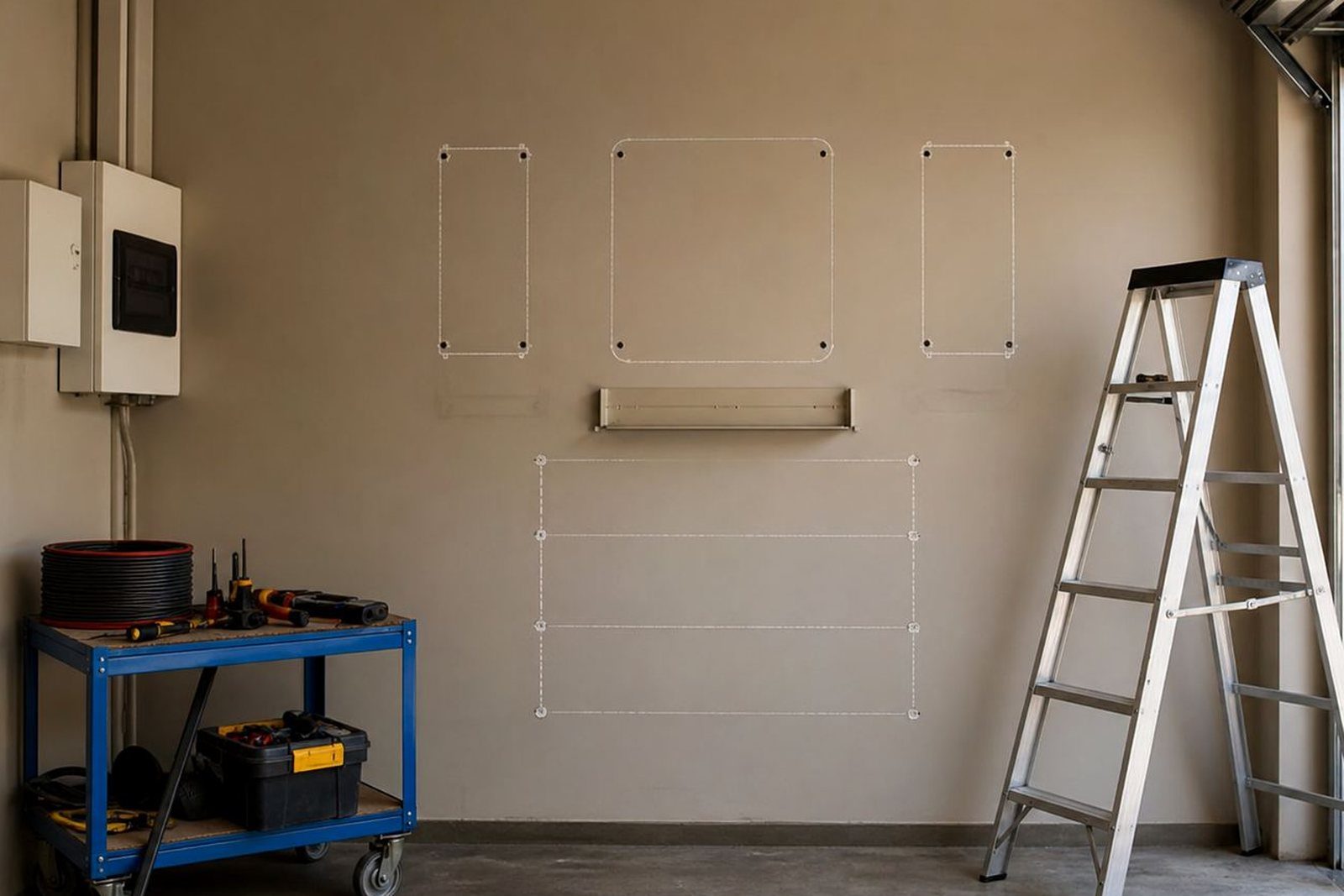
Different systems need different amounts of wall and floor space. A small backup setup may fit neatly on one wall, while a larger system for a business in Midrand or Sandton may need a wider section for batteries, isolators and cabling. Leave clear access to the front of the units and enough room for the technician to work without moving household items or stock.
- Clear the wall area where the inverter will be mounted.
- Move furniture, shelves and stored items out of the working zone.
- Leave a clear path from the entrance to the installation point.
- Check that the floor is level for battery cabinets or floor-standing units.
- Make sure there is space for cable routes, breakers and changeover gear.
If you are unsure how much room to allow, send photos through the enquiry form so the team can advise before the appointment.
Share what must stay on during an outage and the size of the property, and a backup planner will phone or message you.
Contact formConfirm what power needs to stay on
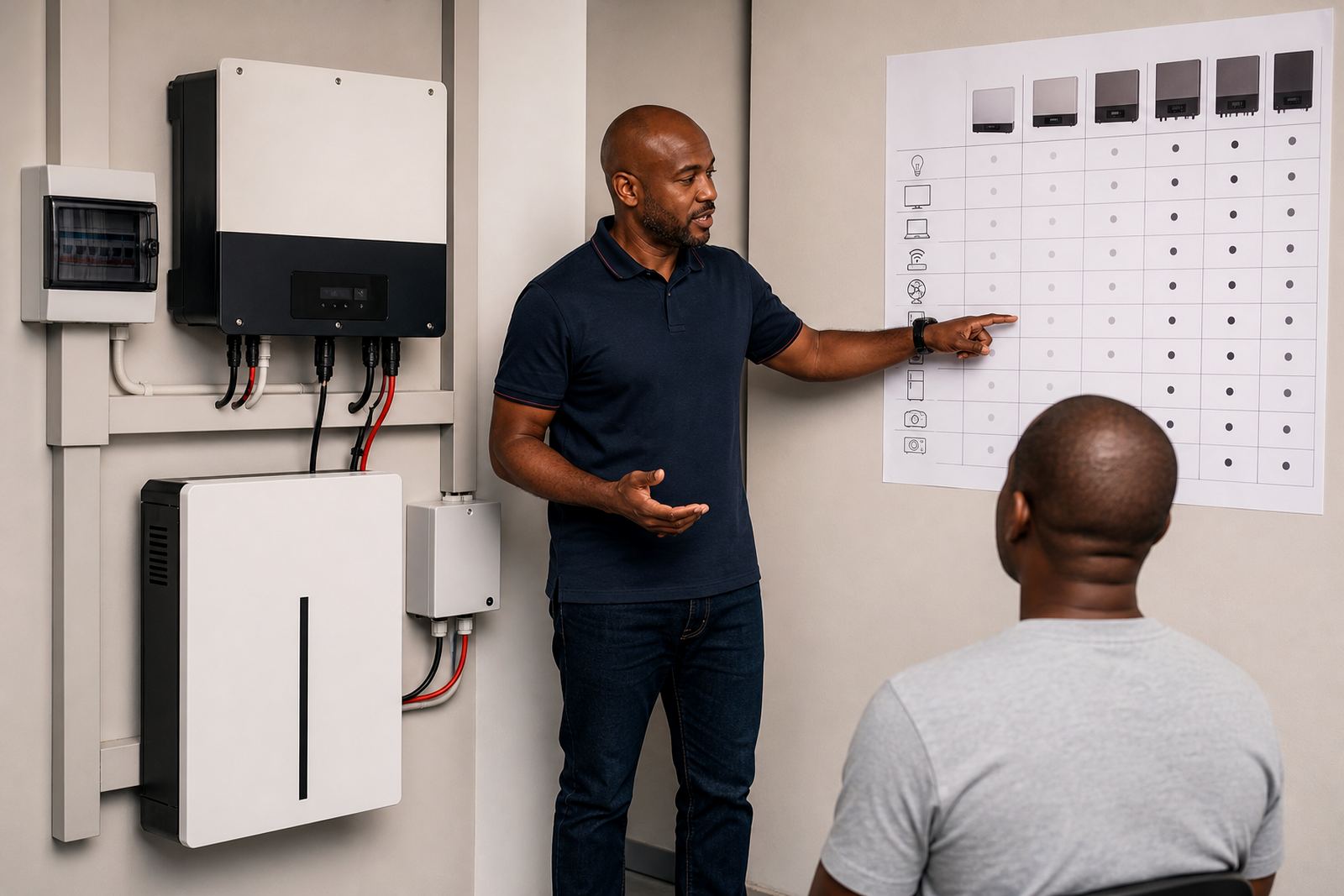
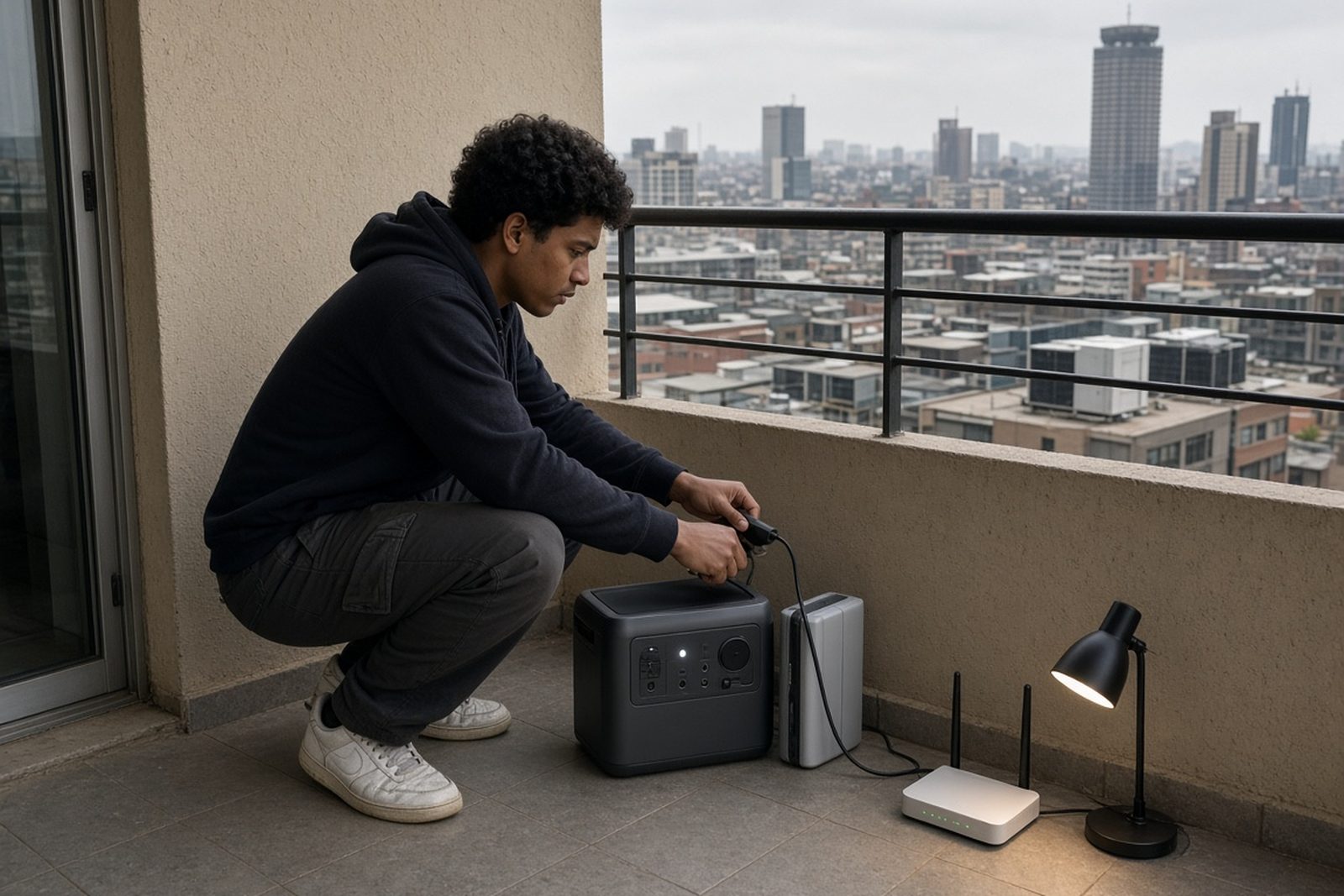
Backup sizing works best when the priority circuits are known in advance. Think about the appliances and equipment that must keep running during load-shedding, such as lights, Wi-Fi, a fridge, point-of-sale units, computers, gate motors or a small server. This helps the installer match the inverter and lithium batteries to the actual load, rather than guessing on the day.
For a home, the essential circuits may be simple. For a shop, office or workshop, the list can be more detailed and may include selected sockets, alarm systems and network gear. It helps to label what should stay on and what can remain off, because not every appliance should be tied into the backup system.
- List the essential loads that must stay on during outages.
- Note any high-demand appliances such as kettles, heaters or pumps.
- Identify whether the system will support lights only, or lights plus selected plugs.
- Tell the team if the site has three-phase supply or special equipment.
Sort out access, keys and timing
On installation day, the electrician and support team need straightforward access to the site. If the property has security access, boom gates, body corporate rules or loading bay controls, arrange this in advance. In Randburg, Fourways and Sandton, access delays are common in office parks and sectional title complexes, so it helps to confirm the procedure early.
Please also make sure someone is available to meet the team, open the required rooms and answer site questions. If the property has tenants, staff or after-hours restrictions, plan the timing so the installation can proceed without interruptions. A small delay with access can throw out the whole day, especially where cable runs or roof access are involved.
Prepare for compliance and approvals
Inverter and battery installations must be done by a registered electrician, and a Certificate of Compliance is required for the electrical work. If the system is grid-tied, municipal registration is also needed. That applies whether the installation is for a home in Roodepoort or a business in Centurion, and it should be handled properly from the start.
Before work begins, gather any existing electrical certificates, recent municipal documents and details of previous alterations if you have them. If the property has had unrecorded changes to the distribution board, it is better to flag that early. Compliance support is not just paperwork, it helps prevent delays and makes the final handover cleaner.
What to keep ready on the day
Once the site is cleared and the plan is confirmed, a few simple things can make the day run smoothly. Have the main property contact available, keep pets secured, and make sure there is a safe place for tools and packaging. If the crew needs to test circuits or commission the system, someone should be able to confirm which loads must stay live and which can be switched off.
- Keep the installation area clean and dry.
- Park vehicles where they will not block access.
- Keep children and pets away from the work zone.
- Have any gate codes, keys or access cards ready.
- Switch off non-essential appliances if requested by the installer.
Good preparation saves time and helps the team focus on the work instead of moving obstacles out of the way. It also makes fault checks and monitoring setup easier once the system is commissioned.