Start with the two hour picture, not the whole house
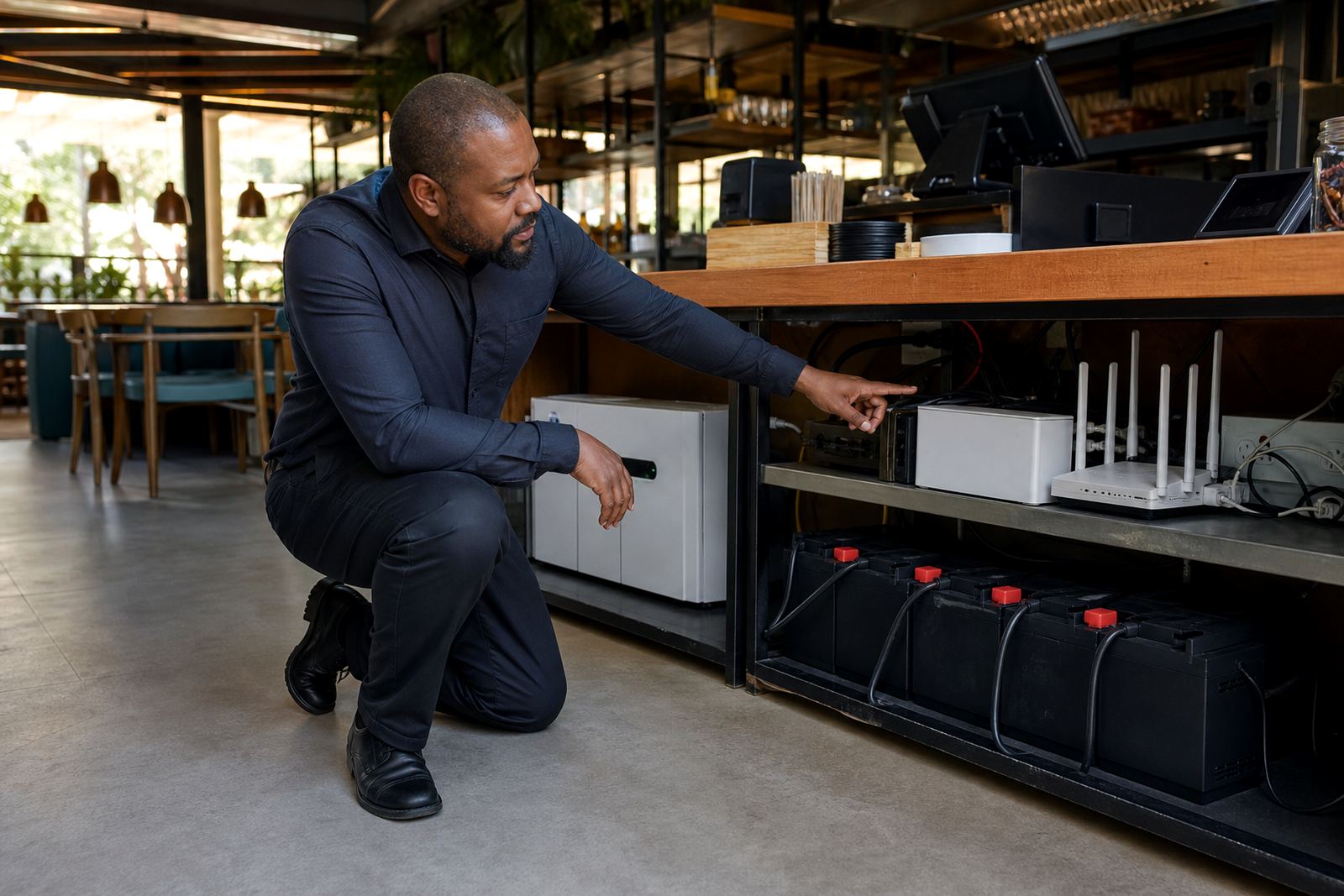
If you are sizing backup for two hours, begin by listing what must stay on during that window. In many Randburg and Johannesburg homes that means lights, internet, a TV, a gate motor, a few plugs and perhaps a fridge. In a small office or retail space, the load may be computers, routers, point of sale equipment and a few lights. The point is to separate essential circuits from everything else before you think about battery size.
A two hour plan works best when the load is realistic. A kettle, heater, microwave or air conditioner can drain backup capacity very quickly, even if the outage is short. If you need those items as well, the system size changes fast. For that reason, good planning starts with actual usage, not guesswork.
Make a simple load list by room or circuit
Write down each item you want powered and note its approximate wattage. If you do not know the exact figure, use the appliance label or the information plate. Add the numbers together for a rough running load. Then ask which items must stay on continuously and which only run briefly. A fridge, for example, cycles on and off, while routers and lights may run the whole time.
- Lights on the main essential circuit
- Wi-Fi router and fibre equipment
- TV or office screen
- One or two charging points
- Gate motor and alarm system where needed
- Fridge or freezer if food continuity matters
Once you have the list, the backup size becomes clearer. A homeowner in Midrand may only need a modest inverter and lithium battery setup for lights and internet. A larger household in Sandton may need extra battery capacity if the fridge, TV and several plug points all must remain active.
Share what must stay on during an outage and the size of the property, and a backup planner will phone or message you.
Contact formUnderstand what a lithium battery can really give you
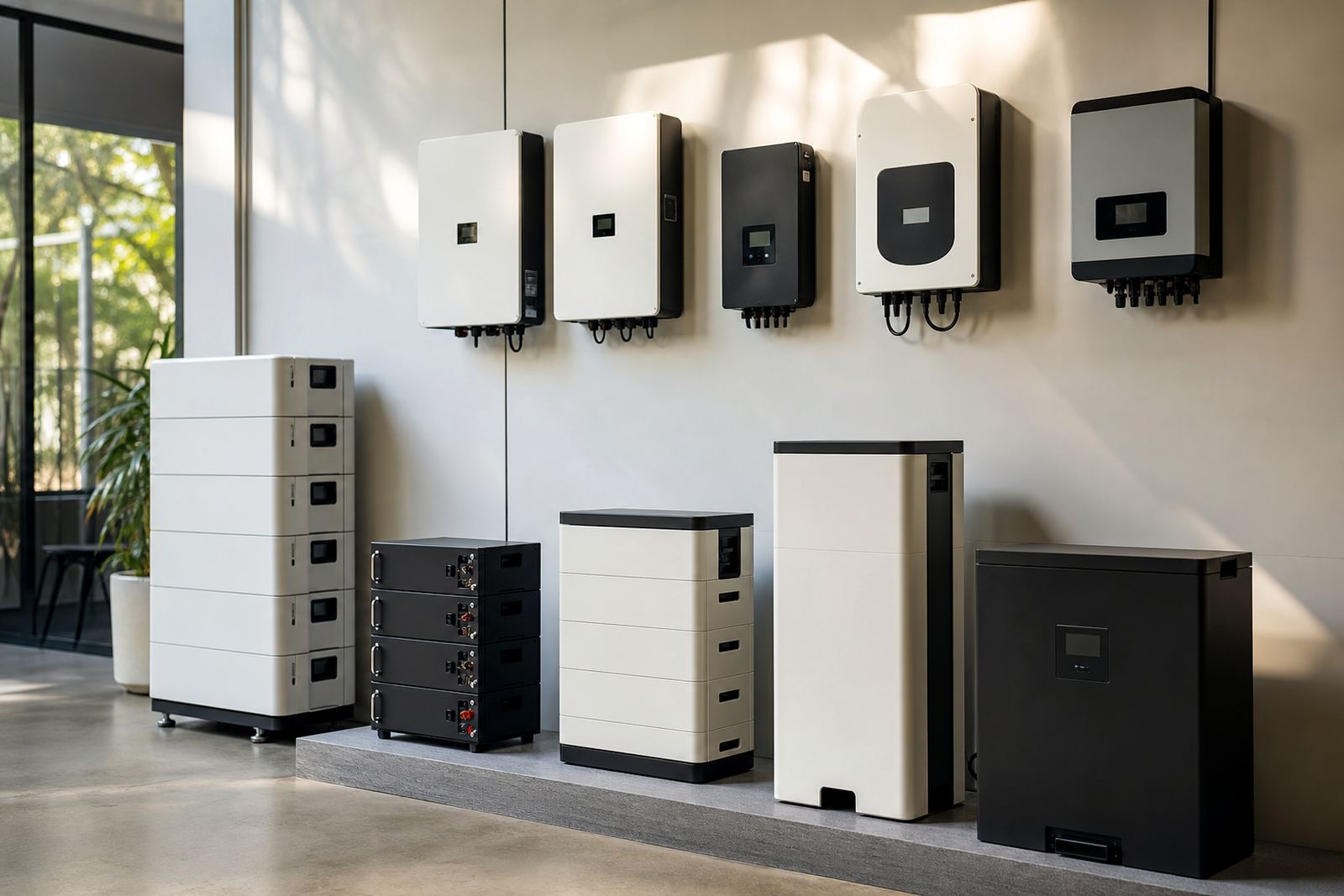
Lithium batteries are commonly chosen for load-shedding backup because they handle repeated charge and discharge cycles well and recharge faster than many older battery types. For a two hour target, the battery must carry the essential load for the full period with a useful margin. That margin matters because batteries should not be planned right at the limit every time the power goes off.
The usable capacity depends on the battery size, the inverter efficiency and the actual load. A small, low demand setup may need far less than a busy household with several rooms active. It is also important to remember that battery performance can shift slightly with temperature, especially in hot roof spaces or humid coastal conditions, so the installation position matters too.
Many customers ask for the smallest possible battery. The better question is whether the system can handle the load comfortably for the whole outage and still leave enough headroom for the next one. A two hour guide should be practical, not squeezed to the point where the battery is always working hard.
Choose the inverter size to match the load, not the battery alone
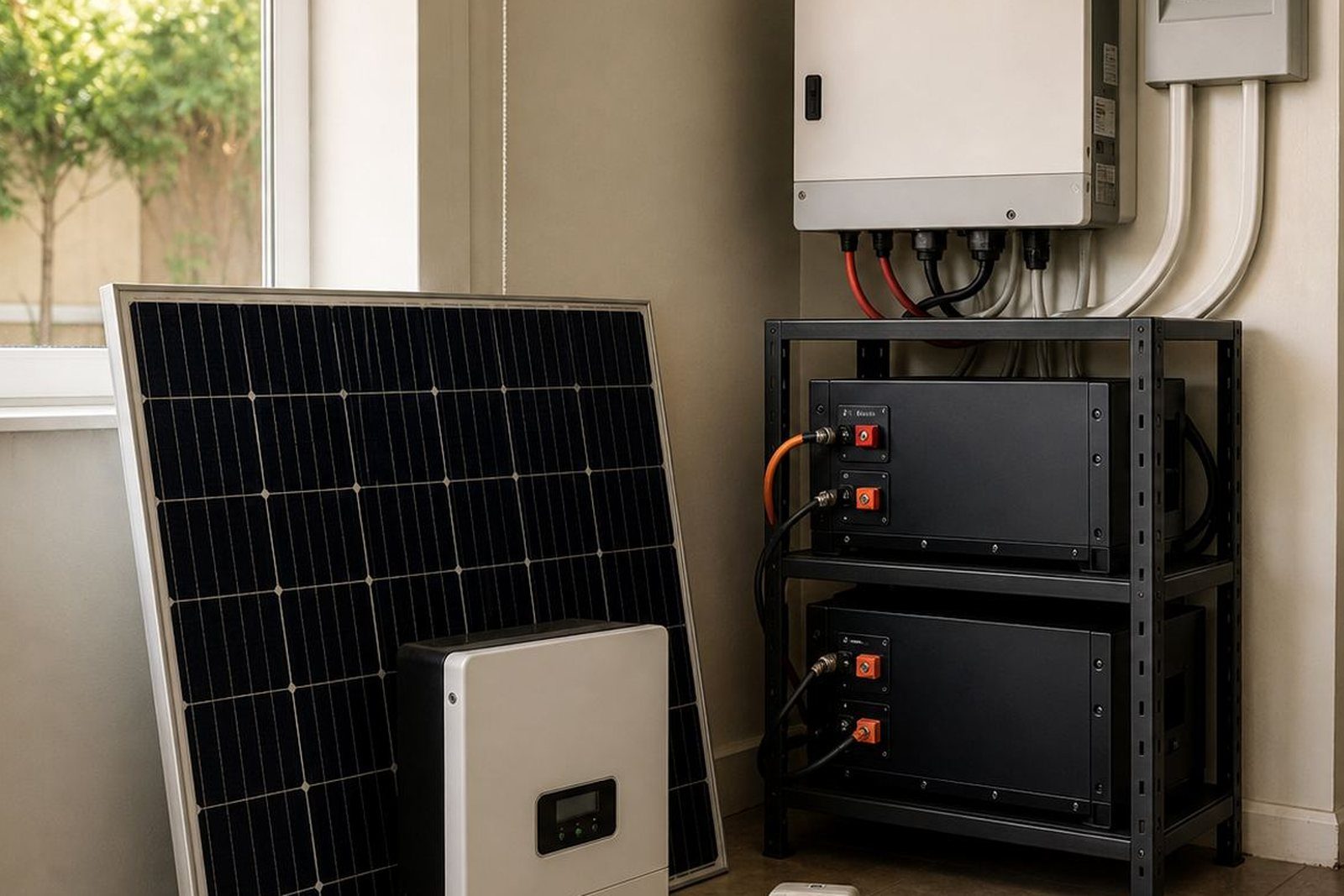
The inverter is the part that converts stored battery energy into usable power for your appliances. If the inverter is undersized, the system can trip even when the battery still has charge left. If it is far too large for the load, the installation may be more expensive than necessary. The right match is important for homes and businesses across Gauteng where outages can happen with little warning.
For a two hour backup plan, the inverter should suit the peak load as well as the usual running load. That means checking what starts at the same time. A fridge compressor, gate motor or printer may create a brief surge. In an office, several computers starting together can do the same. This is why backup sizing is not just about battery hours, it is also about how the system behaves when devices switch on.
- Check the total running load
- Allow for short starting surges
- Keep essential circuits separate from high demand appliances
- Leave room for future battery expansion if needed
Use essential circuit wiring to protect your two hour target
Essential circuit wiring is one of the most useful ways to make a two hour system work properly. Rather than backing up every socket in the building, the electrician can split out the circuits that matter most. This keeps the battery focused on the right loads and avoids wasting capacity on equipment you do not need during an outage.
In homes, the most common approach is to back up lights, plugs for communication equipment and selected kitchen or security loads. In business premises, it may be a combination of lighting, network equipment, alarms and selected workstations. The exact layout should always be based on the building and the way it is used.
Where a generator, solar hybrid system or grid-tied backup is involved, the wiring plan needs to be done carefully and within municipal rules. If the system is connected to the grid, municipal registration may be required. The installation must be carried out by a registered electrician and a certificate of compliance must be issued.
Know what changes the answer in real life
Two hours sounds simple until the load changes. A system that is fine for lights and internet may struggle when someone adds a heater, starts cooking, or runs extra office equipment. Even small changes can shorten backup time more than expected. That is why a proper site assessment is useful before anything is installed.
Coastal humidity, heat in roof spaces, cable routing and the condition of the existing distribution board can all affect the final result. So can future plans. If you expect to add another battery later, or if business demand may grow, that should be built into the initial design. A bit of planning now can save another round of changes later.
- Will the fridge need to stay on?
- Are there any heating or cooking appliances to exclude?
- Do you want lights only, or lights plus plugs?
- Is future battery expansion likely?
- Is the building ready for compliant installation?
A practical checklist before you order anything
If you want a straightforward way to approach a two hour backup setup, use this checklist. It helps narrow the decision before equipment is selected and fitted. It also helps the installer confirm whether the plan suits the property, the load and the local supply conditions in places like Pretoria, Centurion, Roodepoort or Midrand.
Checklist: identify essential loads, note the wattage of each item, decide whether the fridge is included, confirm whether the system is grid-tied, check if municipal registration will be needed, and make sure a registered electrician will do the work. After that, the inverter and lithium battery can be sized to match the actual requirement, not a rough estimate.
For homes and businesses alike, the best two hour system is the one that keeps the right things on without wasting capacity. That is the balance we help customers work toward through site assessments, backup sizing, installation, compliance support and follow-up fault checks.