
List the essentials you need to keep running through load-shedding before you choose a system.
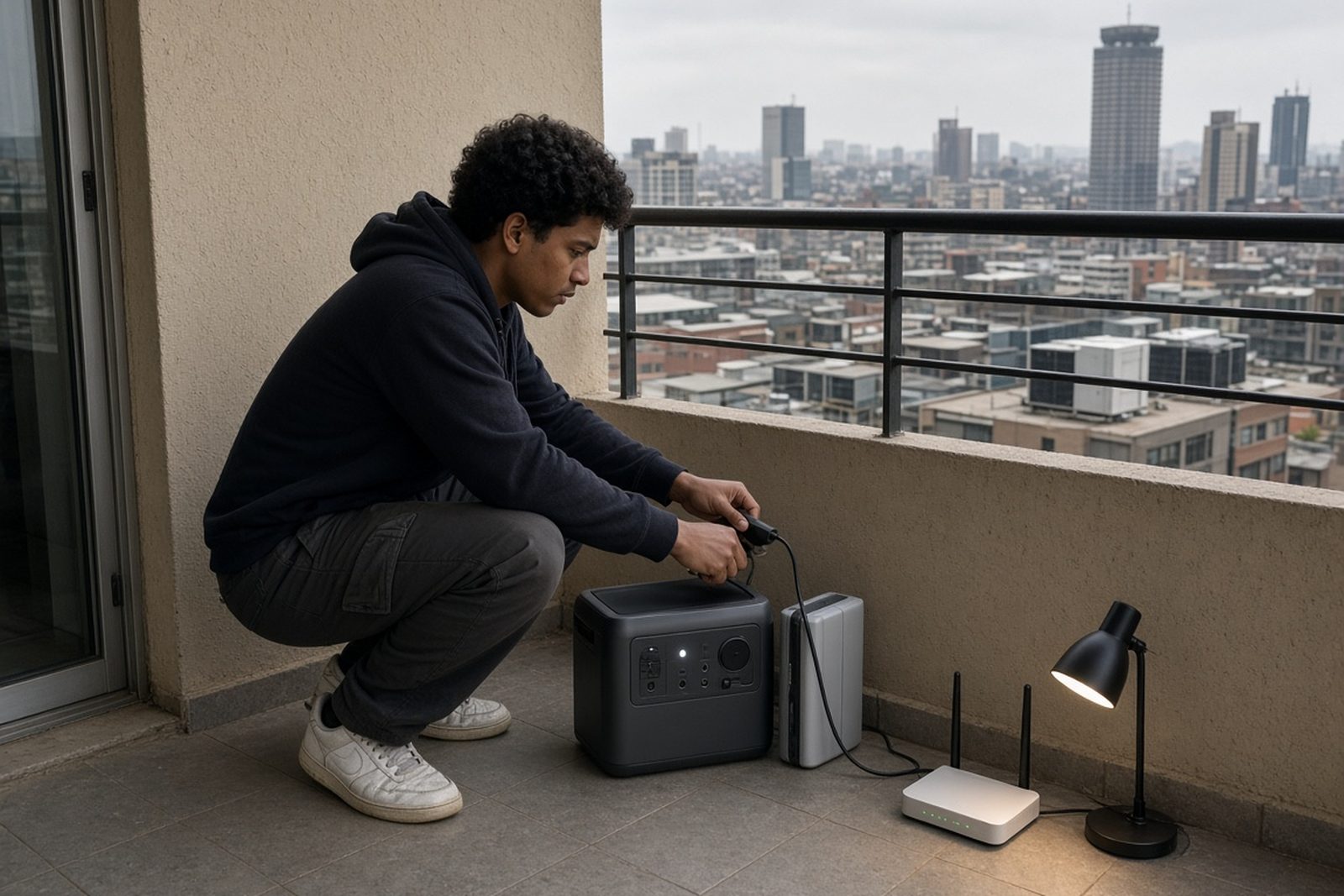
In an apartment, the first step is to list only the circuits and appliances that really matter. Most homes do not need the whole unit backed up. A better approach is to protect the lights, Wi-Fi, TV, a laptop charger, a fridge and a few plugs for phones and small devices. That keeps the system smaller, easier to place and more affordable to run.
Think in terms of essential loads rather than comfort loads. Kettle, iron, oven and heater use a lot of power and can drain a battery quickly. If you are in a block with limited wall space or strict body corporate rules, a smaller essential load setup is often the neatest option. It also puts less strain on the building supply and the apartment metre board.
- List the appliances you need during outages
- Check which lights and plugs can be moved to an essential circuit
- Note the times you usually need backup, especially evenings and early mornings
- Keep heavy appliances off the backup side unless the system is sized for them
Choose a layout that suits a flat or sectional title unit
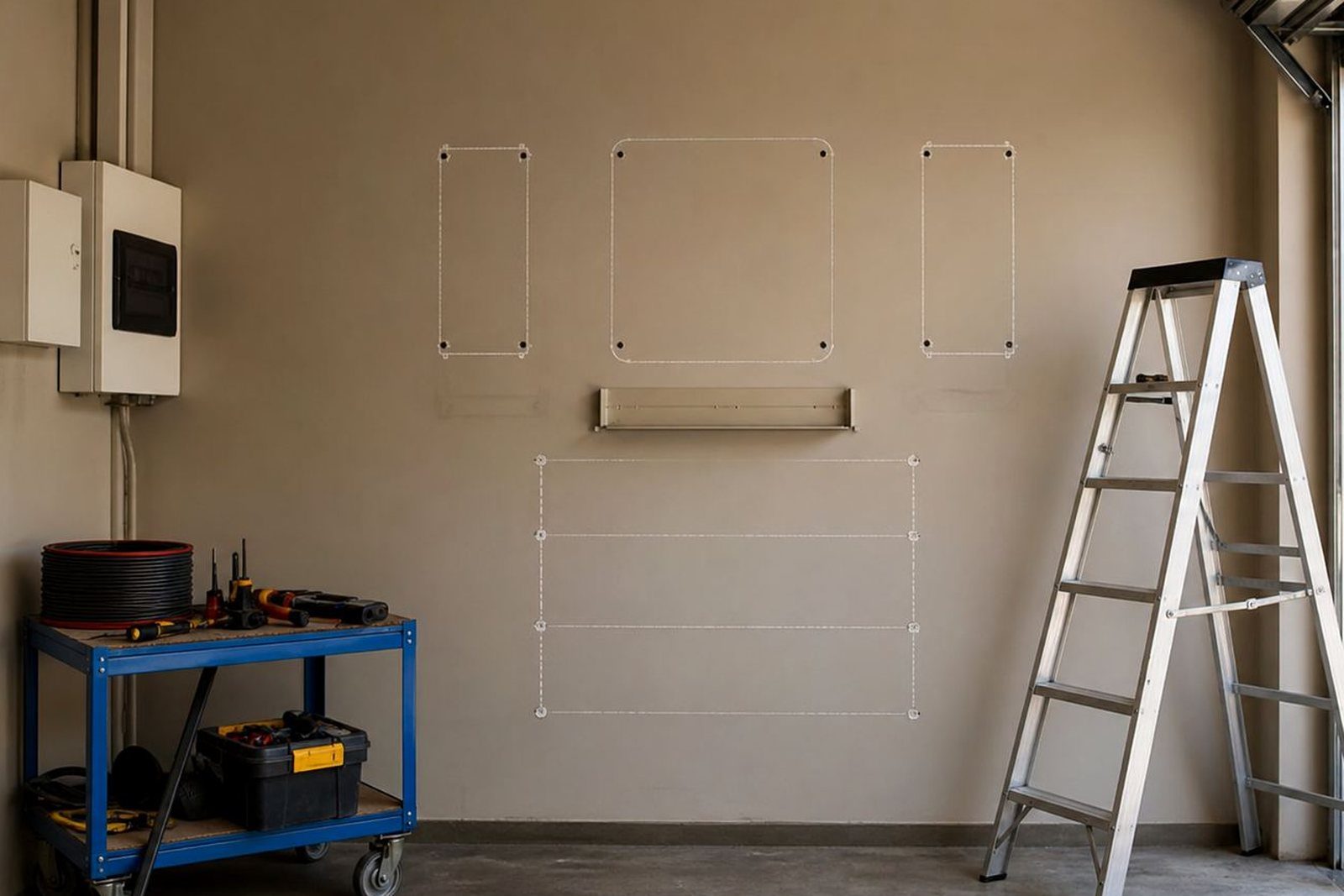
Compact backup systems are usually built around a wall mounted inverter and one or more lithium batteries. In apartments, the installation point is often a storeroom, passage cupboard, garage bay, utility nook or a well ventilated wall in the unit itself. The equipment must be positioned where there is safe clearance around it and where maintenance can be done without disturbing the household.
Lithium batteries are commonly used in apartment backup systems because they take up less space than older battery types and handle regular cycling well. The inverter changes battery power to usable household power, while also managing charging when the grid is available. If you are in a coastal area, or even in parts of Johannesburg with dust and heat, the location should still be dry, cool and protected from direct sunlight.
- Measure the wall space before choosing equipment
- Confirm ventilation and access for servicing
- Avoid placing equipment in bedrooms where noise may be a problem
- Check that the mounting surface can take the weight of the system
Share what must stay on during an outage and the size of the property, and a backup planner will phone or message you.
Contact formHow to size backup for apartment living
Sizing starts with the load in watts and the time you want the backup to last. A small apartment may only need a modest inverter and a single lithium battery, while a larger unit with a fridge and multiple work-from-home devices may need more storage. The right answer depends on your actual usage, not a guess. A proper site assessment helps match the inverter size, battery capacity and circuit layout to your habits.
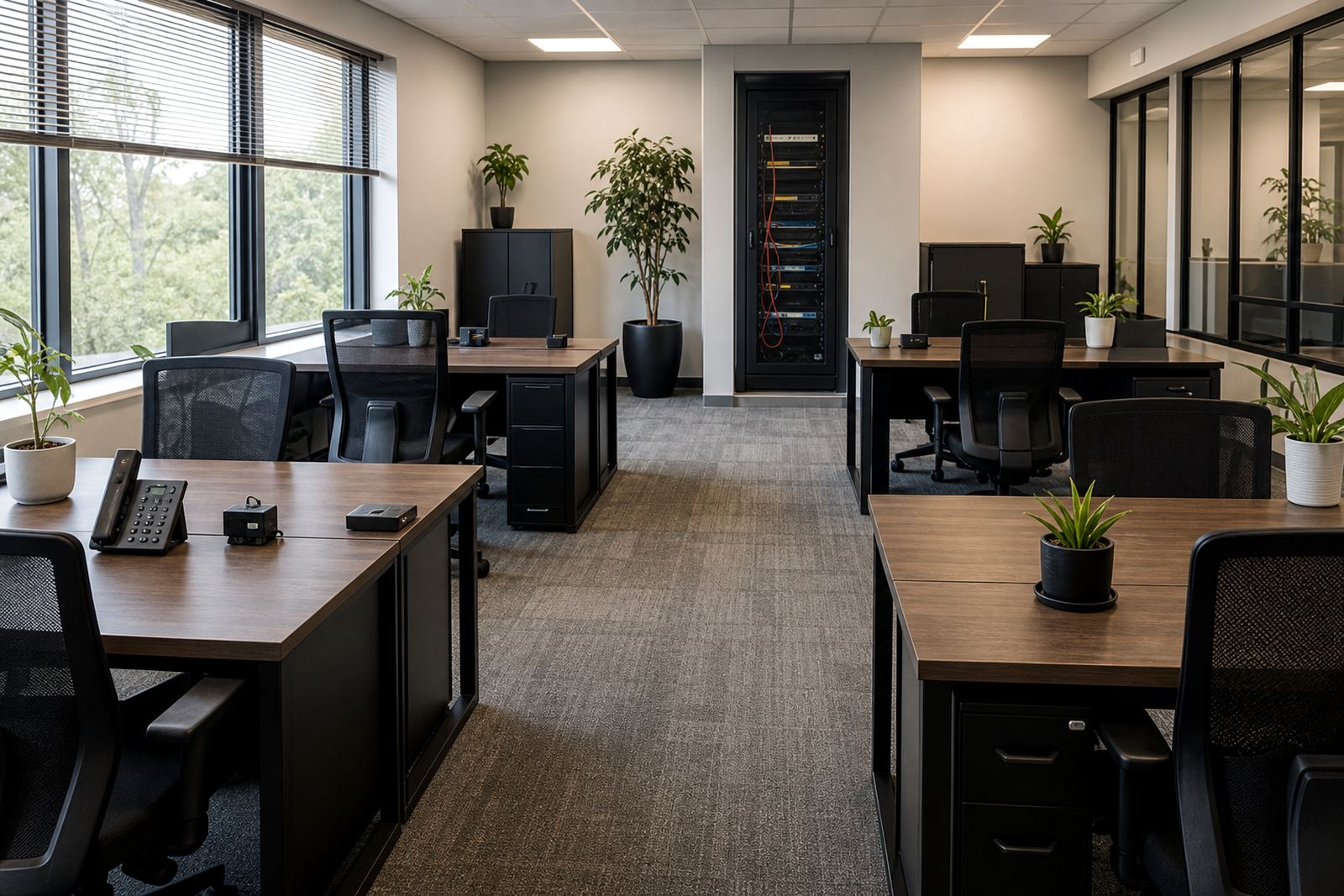
As a general rule, start with the essentials and build from there. If the apartment has a lift, security gate, Wi-Fi mesh, or office equipment that must stay active, include those loads in the calculation. If load-shedding hits during peak evening use, the system must cover both the running load and the brief surge when the fridge or other motor driven appliance starts up. That is where poor sizing causes trouble.
- Identify running loads and start-up loads
- Estimate how many hours you need backup
- Leave space for future battery expansion if needed
- Confirm whether the system will support the fridge and essential plugs at the same time
Building rules, permissions and compliance in Gauteng
Apartment installations often involve sectional title rules, building management approval and tidy cable routing. Some complexes restrict visible conduit, external cabling or battery placement in shared areas. Before work begins, it helps to confirm where the equipment can go and whether drilling or access to common property needs permission. A clean plan saves time and avoids disputes with trustees or body corporate managers.
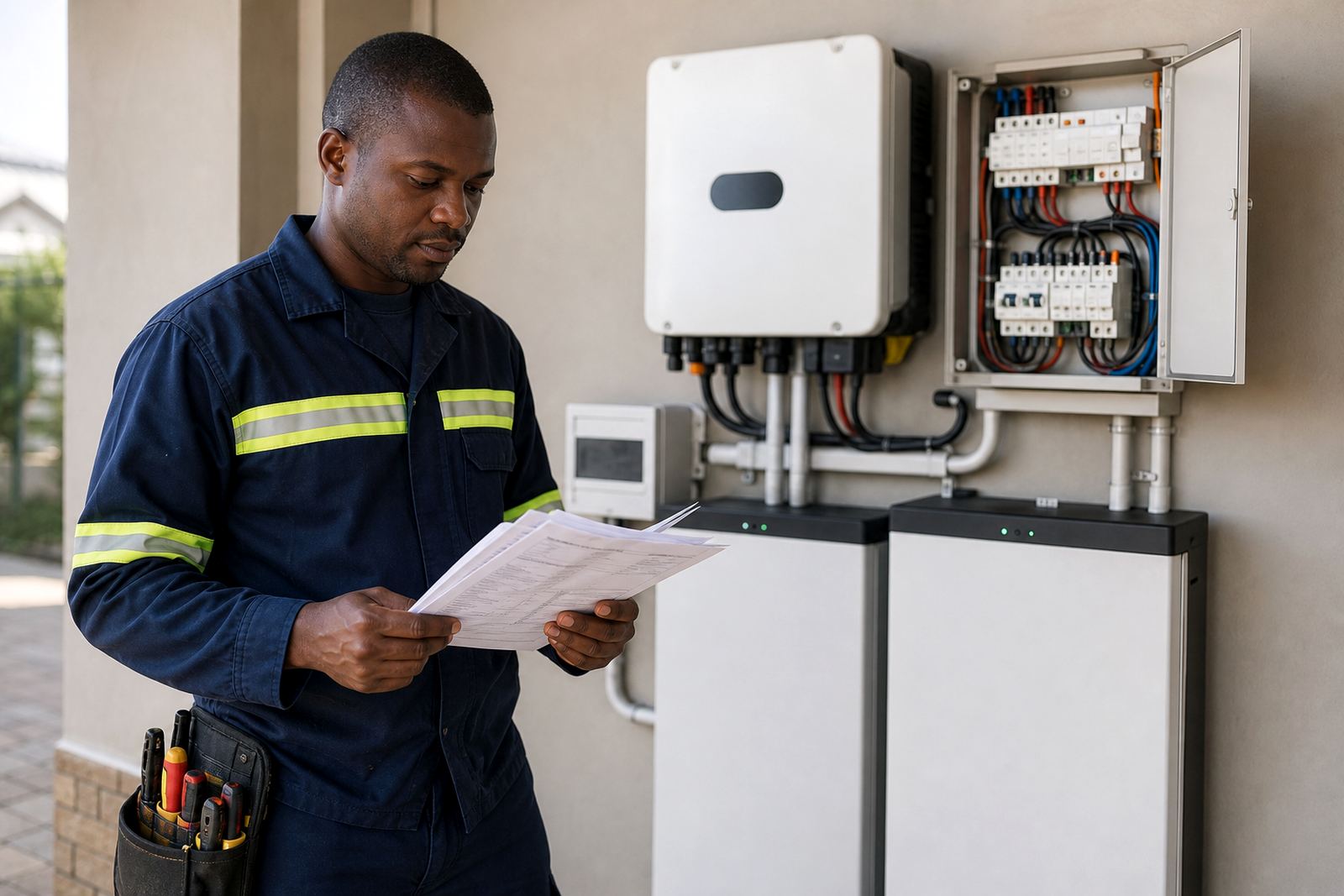
All inverter and battery installations must be done by a registered electrician. The installation must be tested and a Certificate of Compliance issued where required. If the system is grid-tied, it also needs municipal registration. That applies in Johannesburg, Pretoria, Centurion, Midrand, Roodepoort and surrounding areas where local rules can differ. Do not skip this step, because compliance matters just as much as the equipment itself.
- Get approval from the body corporate where needed
- Use a registered electrician for the installation
- Ask for a Certificate of Compliance after completion
- Register grid-tied systems with the municipality
What a tidy apartment installation should include
A good apartment backup layout is neat, labelled and easy to isolate. The inverter, battery, changeover equipment and protection devices should be mounted so that faults can be traced quickly. Essential circuits must be separated clearly from non-essential ones, and the changeover should be simple enough for daily use. In a shared building, noise and cable visibility matter too, so careful planning goes a long way.
For many homes, the best result is a small number of essential circuits rather than a whole-home backup. This usually means lights, plugs for chargers, the router and selected kitchen points. If the system also needs monitoring, the setup should allow you to check battery status and load levels without opening the cabinet every time. That helps when power cuts happen during the evening rush or while you are away.
- Label every circuit clearly
- Keep cables neat and protected
- Use proper isolation and protection devices
- Make sure the system can be switched off safely for servicing
Practical checklist before installation day
Before any work starts, gather the basic details of the apartment and the loads you want backed up. This makes the site visit more useful and helps avoid changes on the day. It also gives the electrician enough information to recommend a layout that fits the unit and the building rules. If the apartment is in Sandton, Fourways or central Johannesburg, access control and parking arrangements should also be checked in advance.
Use this checklist to keep things organised:
- List the appliances and lights you want on backup
- Take note of available wall space and where the inverter could sit
- Check if the complex has rules on equipment placement
- Confirm whether the system will be off-grid or grid-tied
- Ask about future battery expansion if your needs may grow
- Arrange access for the electrician and service team
Once installed, ask for handover notes, system labels and guidance on safe use. If you are unsure about routine care, a quick service visit now and then can help keep the batteries healthy and the wiring in good order.
When to ask for a site assessment
If your apartment has limited wall space, sensitive neighbours, a tricky metre cupboard or a strict body corporate, a site assessment is worth doing before you buy equipment. The same applies if you are planning a battery expansion later or want to include a fridge, office setup or more than a few essential circuits. A careful assessment can save you from an awkward layout or a system that is too small for the job.
PowerCut assists homes and businesses across Gauteng with site assessments, backup sizing, inverter installation, battery installation, essential circuit wiring, changeover solutions, system commissioning, compliance support, monitoring setup, battery expansions, fault checks and routine servicing. Our Randburg base supports clients in Johannesburg, Pretoria, Centurion, Midrand, Roodepoort, Sandton and Fourways. For apartment backup, practical planning matters more than oversizing, and the best systems are the ones that fit the space and the rules.