Start with the loads that keep service moving
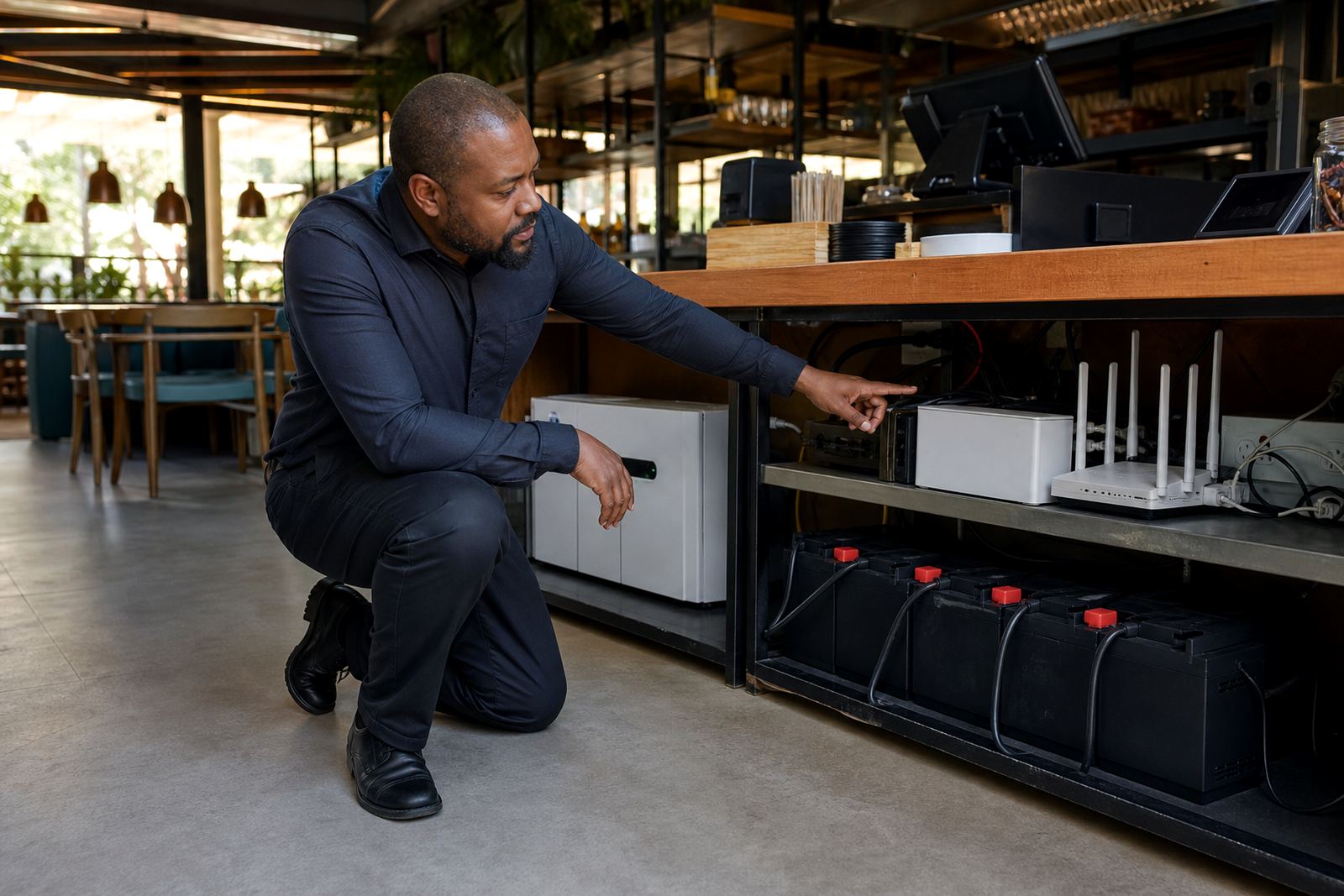
In a restaurant, backup power is not about running every appliance at once. The first step is to identify the loads that matter most when the lights go out. Front-of-house needs usually include till systems, card machines, routers, a few lights, extractor fans, point-of-sale printers and maybe a small display fridge or undercounter fridge. In the kitchen, you may only keep selected support loads running, such as extraction, prep lighting or a single fridge, not heavy heating equipment.
For sites in Johannesburg, Sandton, Fourways or Midrand, this list often changes by trading hours. A breakfast cafe will prioritise coffee machines and fridges earlier in the day, while a dinner service may care more about lighting, payment systems and cold storage. The safest approach is to separate essential circuits from non-essential ones, so the backup system handles only what is needed.
- Keep tills, routers and card machines on the essential board
- Separate fridges from heaters, ovens and dishwashers where possible
- Check what must stay on during a 2 hour, 4 hour or 6 hour outage
- Allow for surge starts on fridges and other motor loads
Choose an inverter and battery combination that matches trading hours
Inverter sizing starts with total running wattage, but battery size decides how long the system will last. For a small restaurant in Randburg or Roodepoort, a compact inverter with lithium batteries may be enough for tills, lights, routers and one or two fridges. Larger dining rooms, bakeries and food service counters often need a bigger inverter and more battery capacity to handle longer outages and repeated load-shedding blocks.
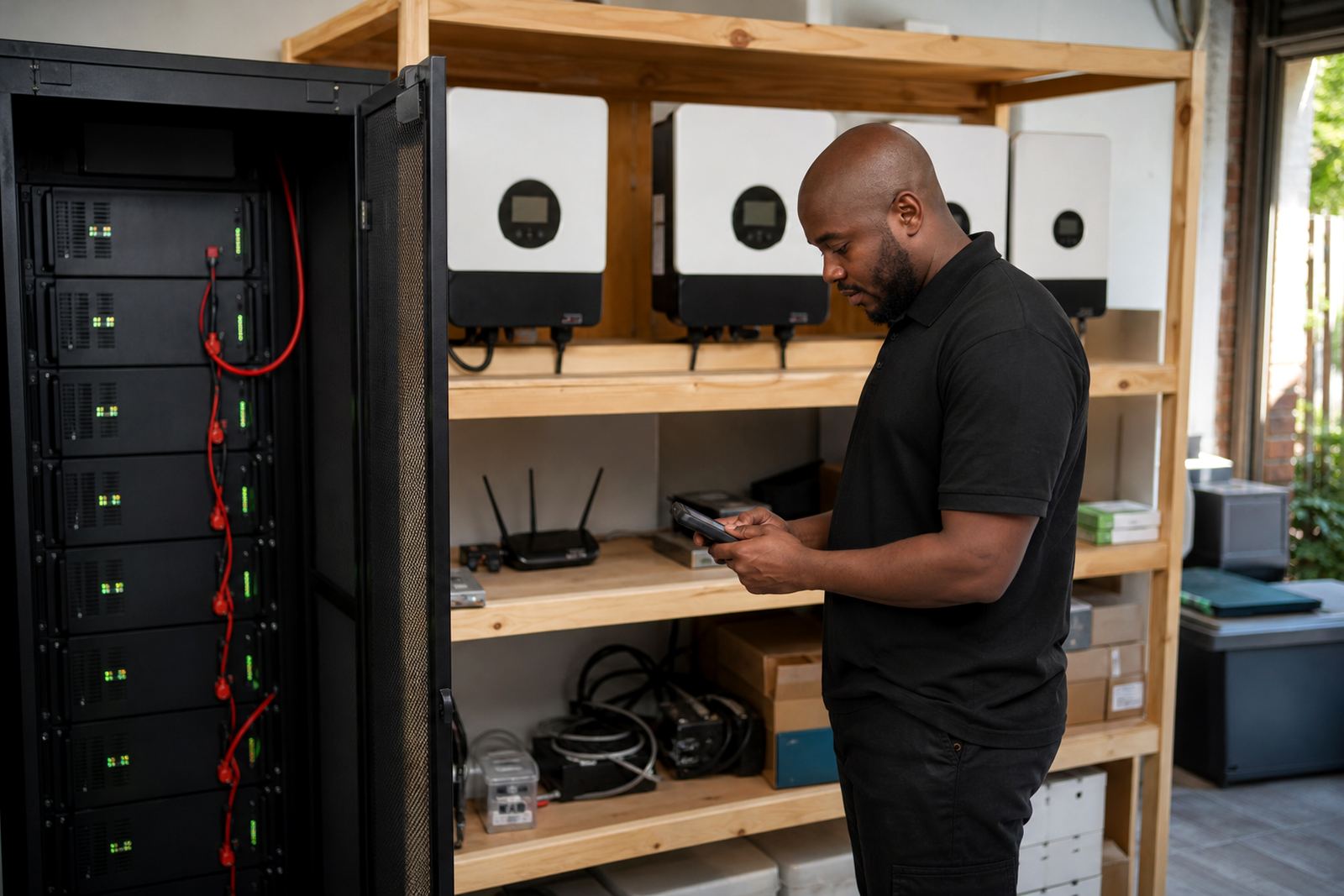
Lithium batteries are well suited to food service because they charge quickly, handle regular cycling and take up less space than older battery types. In humid coastal areas they need proper placement and ventilation, but across Gauteng the bigger concern is heat, dust and neat cable routing. Battery banks should be installed in a clean, accessible spot with enough clearance for servicing.
- Measure your essential loads in watts, not guesswork
- Allow extra headroom for fridge compressors starting up
- Plan battery runtime around the longest likely outage window
- Keep the battery area cool, dry and easy to inspect
Share what must stay on during an outage and the size of the property, and a backup planner will phone or message you.
Contact formFront-of-house priorities during outages and service interruptions
The front of house sets the tone when the power goes off. Guests want lighting, clear communication and payment options that still work. A good backup plan keeps the entrance lit, the till counter active and the Wi-Fi or data link stable enough for card payments. If the dining room is busy, even a few well-placed lights can prevent confusion and help staff move safely between tables.
In practice, it helps to map the front-of-house circuits separately from the rest of the building. That means the host stand, beverage station, payment point and selected lights can stay on while non-essential equipment is switched off. For restaurants in Pretoria, Centurion and Johannesburg, this also reduces the strain on the inverter and battery bank during evening trade.
- Keep a written list of what staff should switch off first
- Test card machine, router and till operation on backup power
- Use enough lighting for safe movement but avoid overloading the system
- Check that emergency exits and queue areas remain visible
How to size backup for fridges, tills and selected support loads
Backup sizing is a practical exercise. Start with the equipment that must stay on, then add each item’s running load and likely starting load. A small fridge may use little power while running, but it can draw more when the compressor starts. Payment equipment, routers and LED lighting are light users, which makes them good candidates for backup. Heating appliances, deep fryers and large coffee equipment are usually better left out unless the system is built for them.
For many food service settings, the best result is an essentials-only setup rather than a whole-premises system. That keeps costs under control and avoids nuisance trips. It also makes future battery expansions easier if trade grows or if the restaurant adds more fridges, prep equipment or another till point.
- List each essential appliance with watts and likely usage time
- Add a margin for start-up surges and future expansion
- Decide whether the system must cover 2 hours, 4 hours or longer
- Separate essential circuits from high-draw kitchen equipment
Installation, compliance and municipal registration
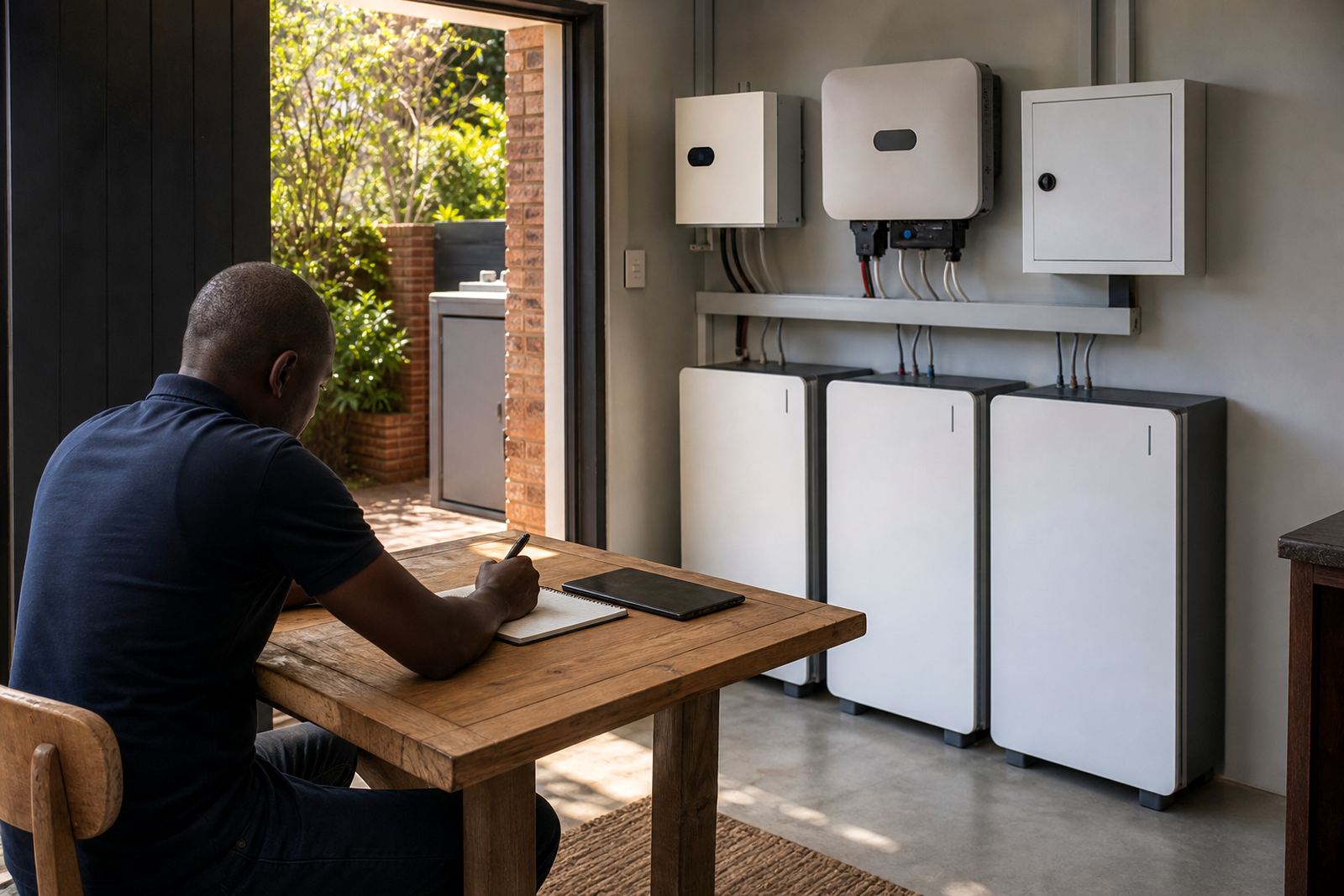
Backup systems must be installed by a registered electrician. After installation, the work must be covered by a certificate of compliance, and grid-tied systems need municipal registration where required. This matters for restaurants because the electrical setup often includes changeover equipment, distribution boards and separate circuits for front-of-house and support loads. A neat installation is easier to inspect, easier to service and less likely to fail during an outage.
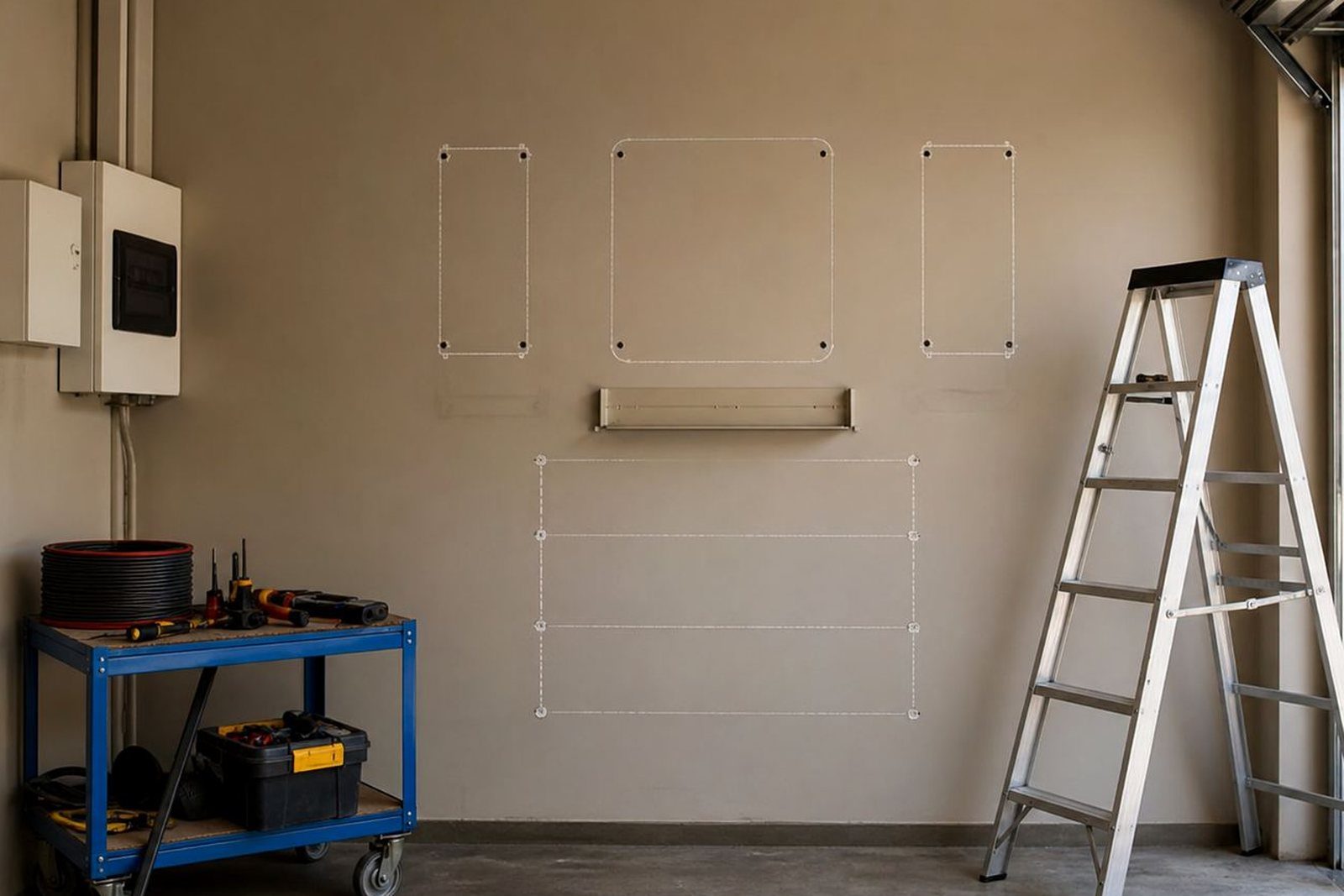
In Gauteng, many business owners also need guidance on where to mount the inverter, how to route cables safely and how to label the essential circuits. If the site has older wiring, a site assessment can reveal weak points before the backup system is connected. That is especially important in busy areas like Sandton, Fourways and Midrand where trade cannot afford avoidable downtime.
- Use a registered electrician for every permanent connection
- Keep the CoC on file with the site records
- Register grid-tied systems with the local municipality where needed
- Label essential circuits, changeover points and battery isolation clearly
Checks that keep the system ready for the next outage
A restaurant backup system should be tested before it is needed. Routine checks help spot battery wear, loose connections, fan noise and overloaded circuits. Service teams often find that small issues only show up when the system changes over under pressure. That is why a simple monthly inspection is worth doing, especially in restaurants that rely on evening trade or weekend volume.
Keep an eye on battery state, inverter alarms and any equipment that has been added since the last assessment. If the business expands into a new prep area or adds another display fridge, the backup setup may need a battery expansion or a rework of the essential load list. Good records make that easier.
- Run a changeover test during quiet trading hours
- Check battery status and inverter warnings each month
- Inspect cable terminations, labels and ventilation openings
- Update the load list after any equipment change
A simple checklist for restaurant managers before load-shedding starts
When load-shedding is announced, the team should know exactly what to do. The best restaurants keep a short checklist near the till or manager station. That way the shift lead can act fast without guessing which circuits to leave on. A clear plan helps protect stock, keeps service calm and avoids overloading the system in the first minutes after changeover.
For businesses across Randburg, Pretoria, Centurion, Midrand and Roodepoort, the same routine works well: check the backup system status, confirm the essential loads, and brief the team on what stays on and what is switched off. A few minutes of preparation can prevent a lot of disruption.
- Confirm the inverter is charged and ready
- Switch off non-essential kitchen equipment before changeover
- Keep tills, routers and selected lights on the essential board
- Record any faults and arrange follow-up checks promptly