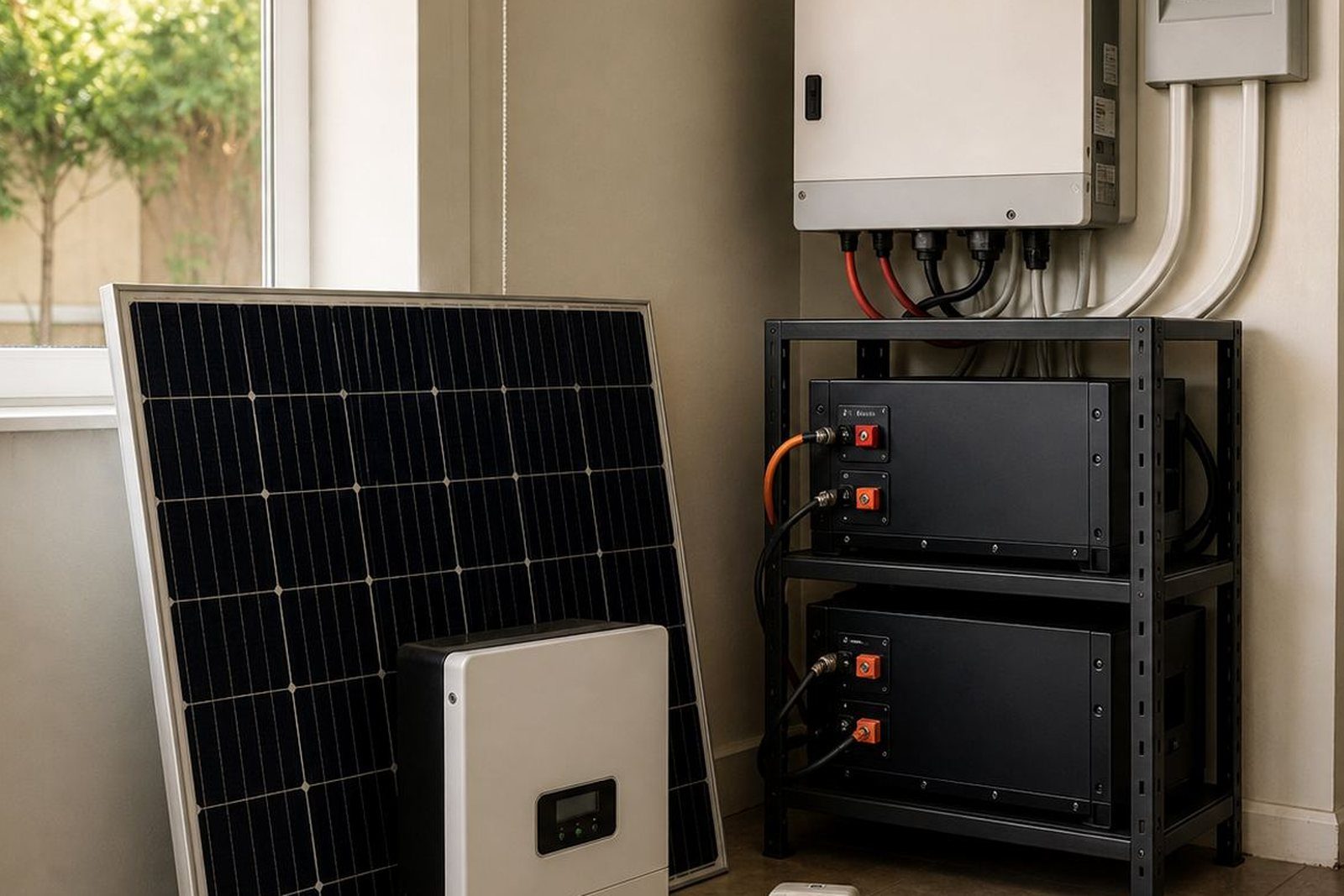

Start with what must stay on during an outage
Before you choose a battery, list the essential loads you want to run when the power goes off. In a home this may include lights, TV, Wi-Fi, a gate motor, a few plugs and maybe a fridge. In a business it could be tills, routers, computers, point of sale equipment and selected security circuits. The right battery is the one that can carry those loads for the time you need, not the largest unit on paper.
Load-shedding stages change the picture, so think in hours not hopes. A small battery can be fine for short outages, but if you are in Johannesburg, Pretoria or Midrand and the outages are repeated in a day, you may need a setup that can recharge quickly and support more than one cycle. We help clients work through this from our Randburg base, with site assessments across Gauteng.
- List every appliance you want backed up.
- Separate must-have loads from comfort loads.
- Note how long you need the system to last.
- Check whether any motor loads will start at the same time.
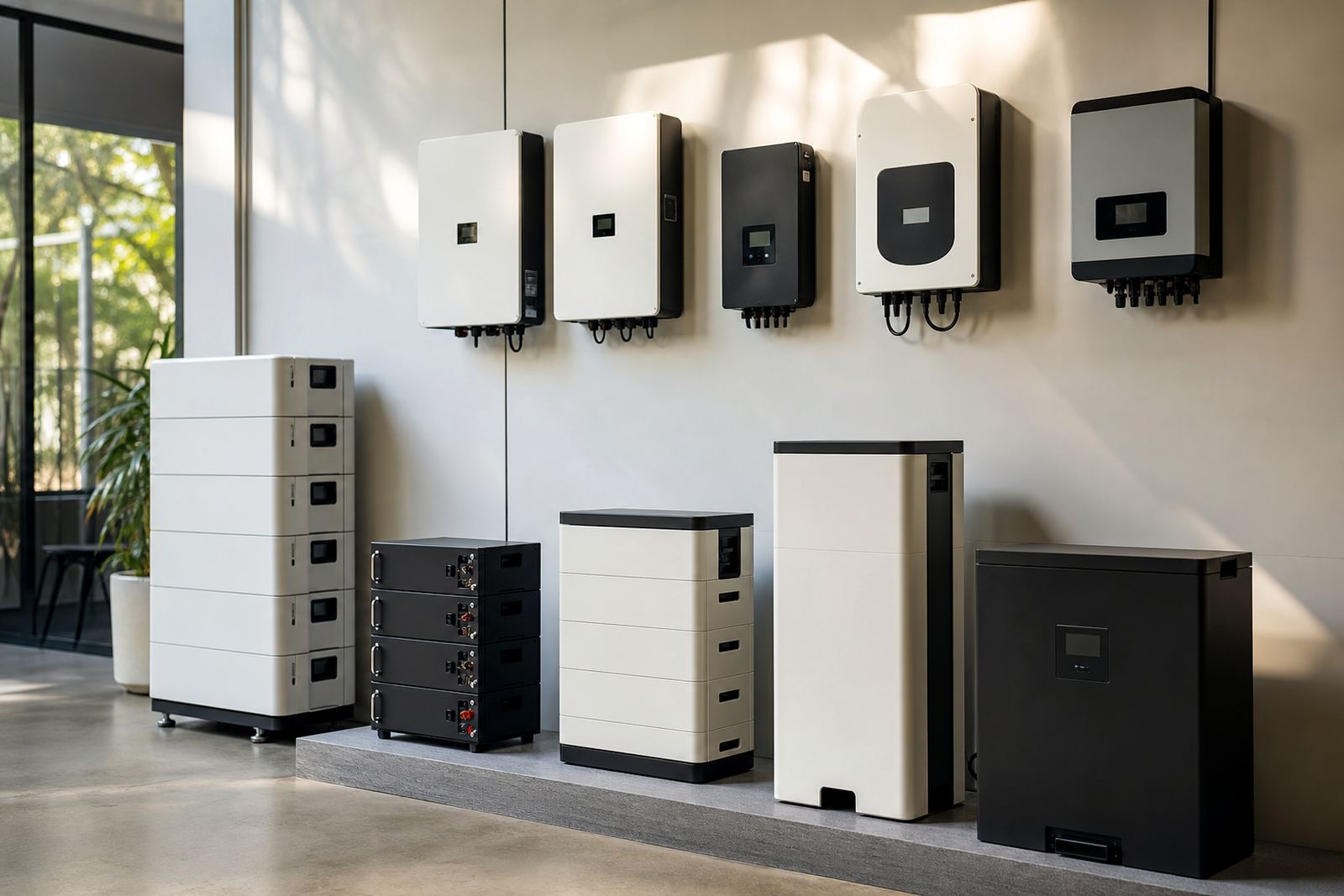
How lithium battery size is usually matched to the inverter
Lithium batteries are chosen by usable capacity, discharge rate and the inverter they will work with. A 5 kWh battery and a 10 kWh battery are not just different in size, they also differ in weight, charging behaviour and how many appliances they can support at once. The inverter must be able to communicate with the battery if the system uses that feature, and the battery management system has to suit the charging profile.
For most homes, the battery size is set after checking the inverter rating, the essential circuit load and the expected outage duration. For small offices and retail spaces in Sandton, Fourways or Roodepoort, a larger battery bank may be needed because the daytime load is often higher. If your current setup is undersized, adding battery capacity later can help but only if the inverter and cabling were planned for expansion from the start.
- Match battery capacity to real daily load, not guesswork.
- Check inverter charging current and battery limits.
- Allow room for future battery expansion if needed.
- Confirm that all components are compatible before purchase.
Share what must stay on during an outage and the size of the property, and a backup planner will phone or message you.
Contact formCheck the installation footprint before you buy
Lithium batteries take less space than older battery types, but they still need proper placement. You need enough wall or floor space, clear airflow, safe cable routes and protection from heat, moisture and direct sun. In coastal or humid conditions batteries should not be installed in a damp garage or against a sweating wall without proper consideration. Even inland in Gauteng, a poorly ventilated storeroom can shorten equipment life.
A typical backup system may include an inverter, battery, isolator, protection devices and sometimes a changeover arrangement. That means the footprint is not just the battery box alone. If you are tight on space in a townhouse in Centurion or a shop backroom in Pretoria, measure first and plan the position with the installer. Good placement makes servicing easier and reduces clutter around the unit.
- Measure wall width, height and working clearance.
- Keep equipment away from water pipes and damp walls.
- Allow access for testing, servicing and future expansion.
- Use a neat cable route to avoid strain on terminals.
Choose expandability if your load may grow
Many buyers start with one battery and later need more capacity. If your household adds air conditioning, extra workstations or a bigger freezer load, the backup demand rises. The best time to think about expansion is before the first installation, because the inverter, cables, protection devices and mounting arrangement can be set up for additional batteries later.
Expandable systems are useful for growing businesses in Johannesburg, Randburg and Midrand where trading hours, equipment and staff numbers can change. It is not only about adding another battery. The system must still charge correctly, protect itself from overload and support the new bank without overworking any one part. A planned expansion is usually tidier and easier to commission than a rushed add-on later.
- Ask whether the inverter supports extra battery capacity.
- Check if the mounting area can take more units later.
- Plan for extra protection and cabling from the start.
- Keep the system layout simple enough for future service work.
Installation, compliance and the paperwork you should expect
Backup systems must be installed by a registered electrician, and the work should end with a certificate of compliance where required. If the system is grid-tied, municipal registration is also needed, so do not leave compliance to chance. This matters whether the job is a home in Roodepoort or a business in Pretoria, because safety, insurance and municipal rules all come into play.
Our team handles site assessments, essential circuit wiring, commissioning, compliance support and fault checks. That gives you a proper handover, not just equipment on a wall. The installer should verify earthing, isolators, cable sizing and protection settings before the system is switched on. If there is any uncertainty, stop and confirm it before use.
- Use a registered electrician for the installation.
- Keep the certificate of compliance with your records.
- Register grid-tied systems with the municipality where required.
- Request commissioning and a basic handover explanation.
A useful checklist before you order your battery backup
Once you know your load, space and compliance needs, the final choice becomes much easier. The best battery is the one that fits your daily use, your inverter and your premises. If you are unsure, start with a site assessment so the system can be sized properly for your property and your usage pattern.
PowerCut works with homes and businesses across Gauteng from our Randburg base, including Johannesburg, Pretoria, Centurion, Midrand and Roodepoort. We also assist with battery expansions, monitoring setup, routine servicing and fault checks when a system needs attention. A well-planned battery setup should be easy to live with, easy to service and ready for the next outage without fuss.
- Do you know your essential loads?
- Have you checked inverter compatibility?
- Is there enough space for the battery and accessories?
- Have you allowed for future growth?
- Will the installation meet compliance requirements?