
How We Size Backup Systems for Real Use
The first step in sizing backup power is deciding which essentials need to stay on, not trying to cover the whole property. We look at lights, Wi-Fi, alarms, gate motors, fridges, tills, office servers, routers and the few plugs that must stay live during load-shedding. From there we match the inverter capacity and battery bank to your daily usage patterns, peak start-up loads and the runtime you want. A small flat in Randburg will not need the same setup as a busy office in Sandton or a shared workspace in Midrand.
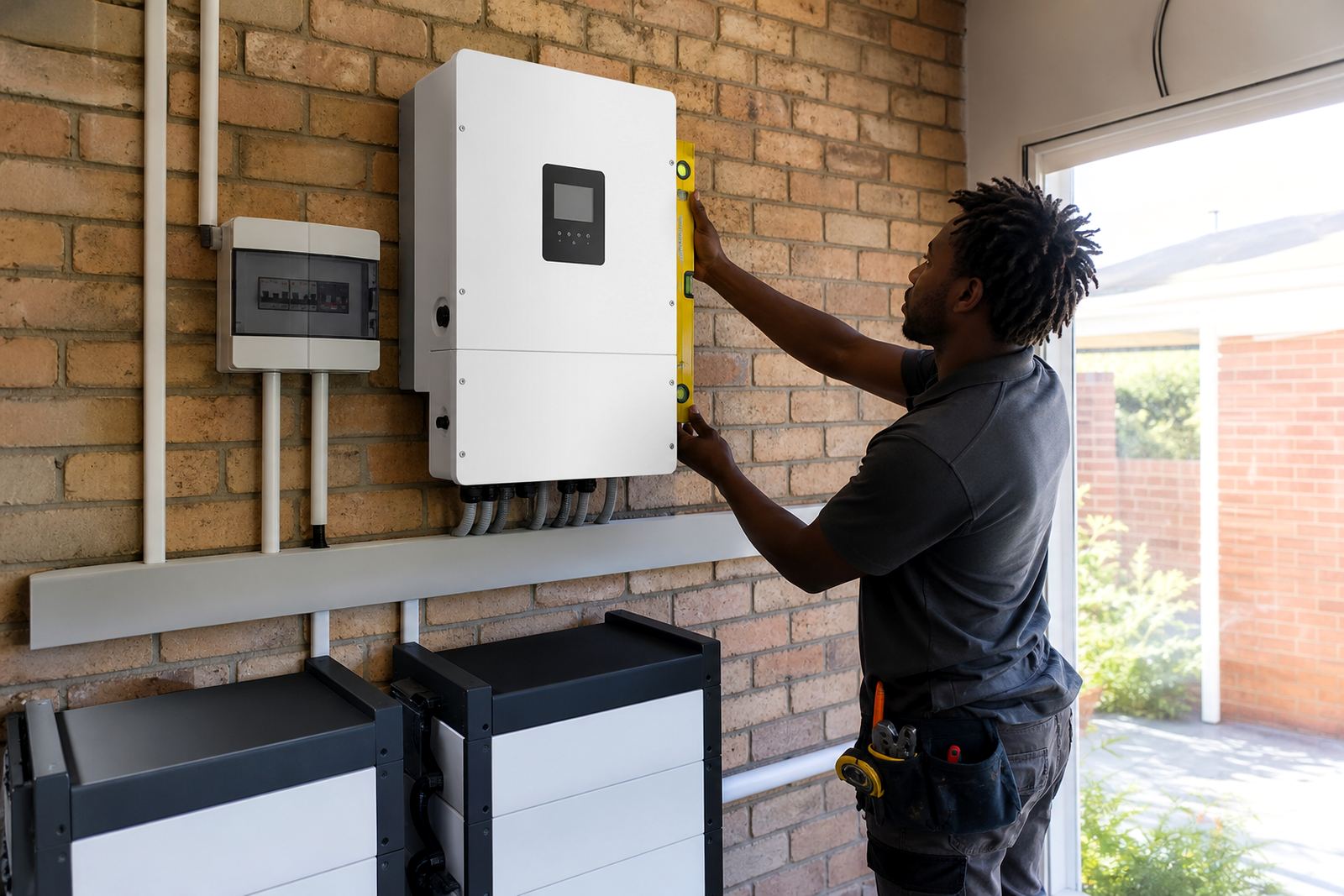
We also check the condition of the existing distribution board, cable routes, changeover method and whether the property has single-phase or three-phase supply. On coastal sites humidity is not the issue here, but in Gauteng dust, heat and tight metre cupboards can affect ventilation and battery placement. The aim is to give you practical sizing that is safe, workable and not over specced for no reason.
What the Assessment Covers
A proper assessment is the starting point for any backup plan. We review the type of inverter that suits the site, the battery chemistry, the number of essential circuits and whether the system should back up only selected loads or a wider section of the property. If you already have equipment, we can check whether it can be expanded or whether a new layout makes more sense.
- Review of essential appliances and circuits
- Estimated load in watts and surge demand
- Desired runtime in hours during outages
- Space for inverter, batteries and cabling
- Ventilation and mounting position
- Compliance and municipal registration needs for grid-tied systems
We handle homes, offices, retail spaces and light commercial sites across Johannesburg, Pretoria, Centurion, Midrand, Roodepoort and nearby areas. If the site has frequent outages or voltage dips, we take that into account too because a system that looks fine on paper can still underperform if it is too close to the limit.
Share what must stay on during an outage and the size of the property, and a backup planner will phone or message you.
Contact formSizing Choices: Inverter, Battery and Runtime
Inverter sizing is usually based on the highest combined load you expect to run at once, with enough headroom for start-up surges from fridges, pumps and some motorised equipment. Battery sizing is based on usable energy, not just nameplate capacity. Lithium batteries offer good cycle life, fast charging and steady output, which makes them suitable for regular load-shedding. We explain the difference between kilowatts, kilowatt-hours and usable capacity so you know what you are getting.
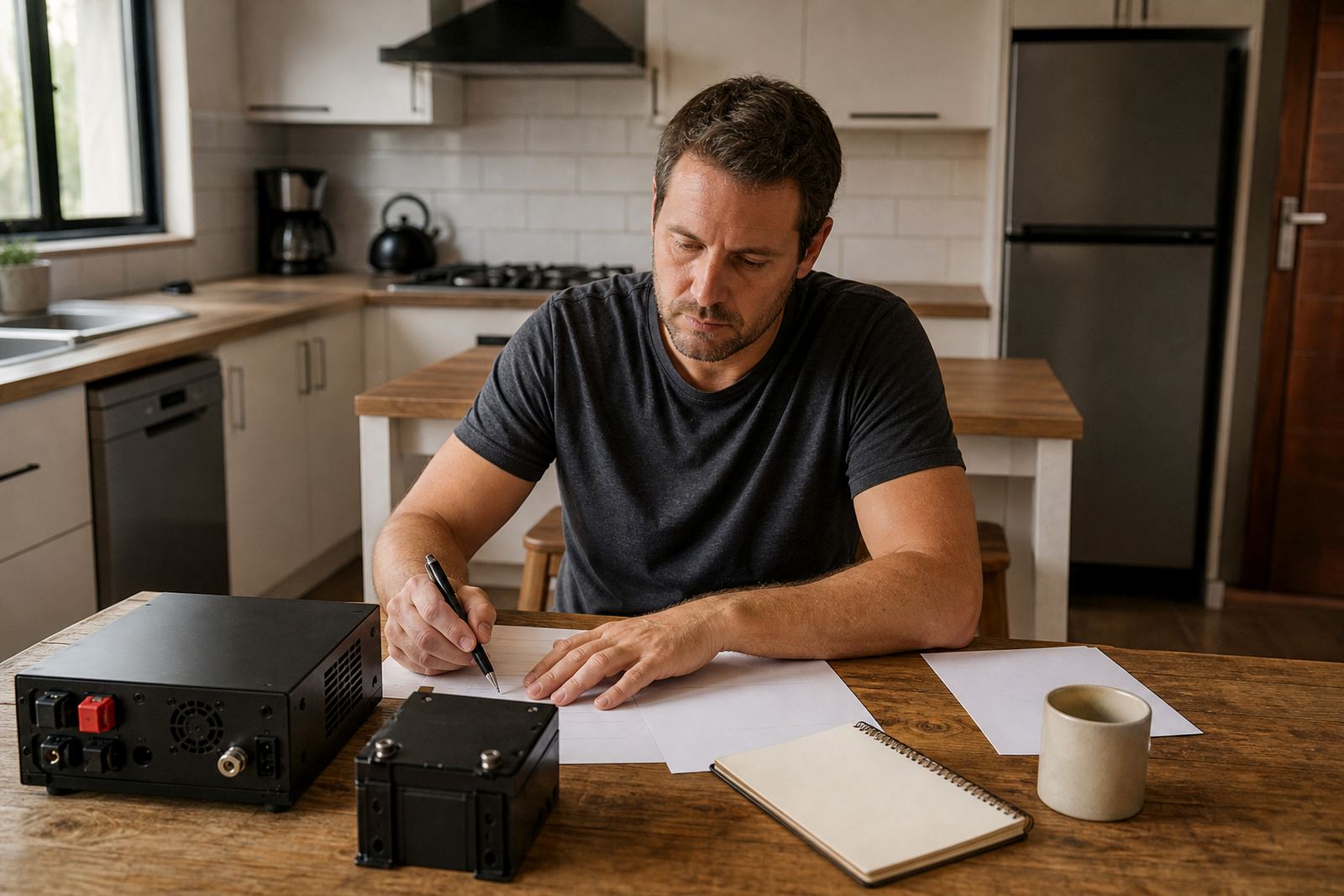
For example, a modest home backup may cover lights, internet and entertainment, while a larger family home may also keep fridge freezer units, a few plug points and the alarm system on. Small business systems often need a bit more care because point-of-sale equipment, access control and network hardware can all trip a badly sized backup. We work through the load list with you, then match it to a sensible battery runtime, not just a rough guess.
Step-by-Step Process From Enquiry to Sign-Off
You can reach us through the enquiry form on our contact page and we then work through the site details, usage needs and any existing equipment. If needed, we arrange a site assessment in Randburg, Sandton, Fourways or any of the surrounding Gauteng areas. After that we prepare a practical sizing recommendation showing the inverter rating, battery bank size, essential circuits and any changes needed at the board.
- Initial enquiry and load discussion
- Site assessment and circuit review
- Backup sizing recommendation
- Equipment selection and installation planning
- System installation by a registered electrician
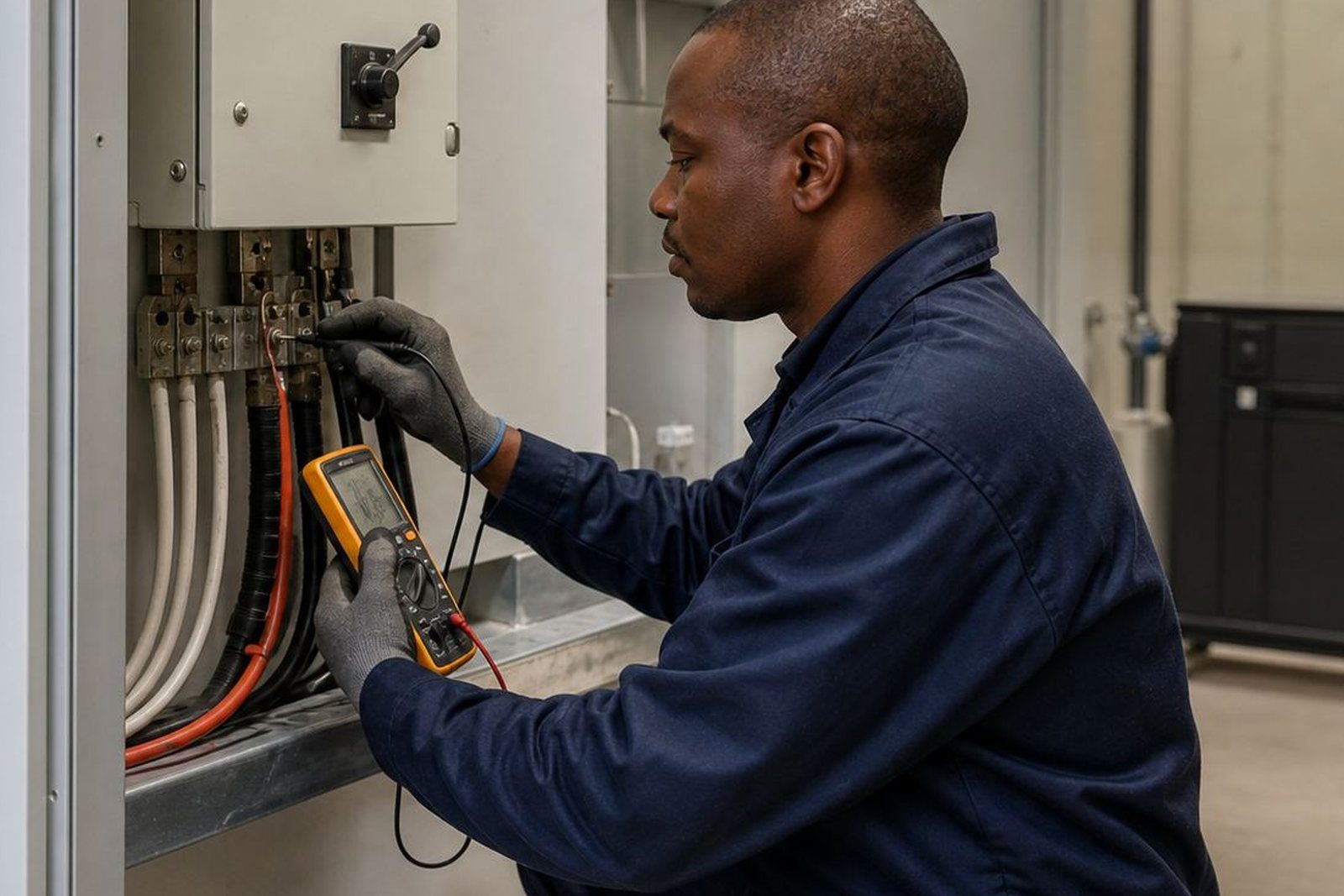
- Testing, commissioning and certificate of compliance where applicable
Where the system connects to the municipal grid, registration and approval requirements must be followed. That is especially important for grid-tied setups, because the municipality needs to know how the system interacts with the supply. We keep the process practical and clear so you know what happens next at each stage.
Turnaround, Pricing Approach and Scope
Turnaround depends on site access, equipment availability and whether the project needs board changes, new cabling or a changeover solution. Simple residential sizing jobs can move quickly, while larger commercial sites usually need a bit more time because there are more circuits to check and more decision points. We do not give cookie-cutter sizing because two properties on the same street can have very different needs.
Pricing is approached from the scope of work rather than a fixed one-size-fits-all package. The main drivers are inverter capacity, battery size, cabling length, installation complexity, monitoring options and the extent of compliance work. If the system must support selected circuits only, that keeps the scope focused. If you want broader coverage or battery expansion readiness, that is planned in from the start so the setup is less likely to need rework later.
Ongoing Checks and Battery Expansion Planning
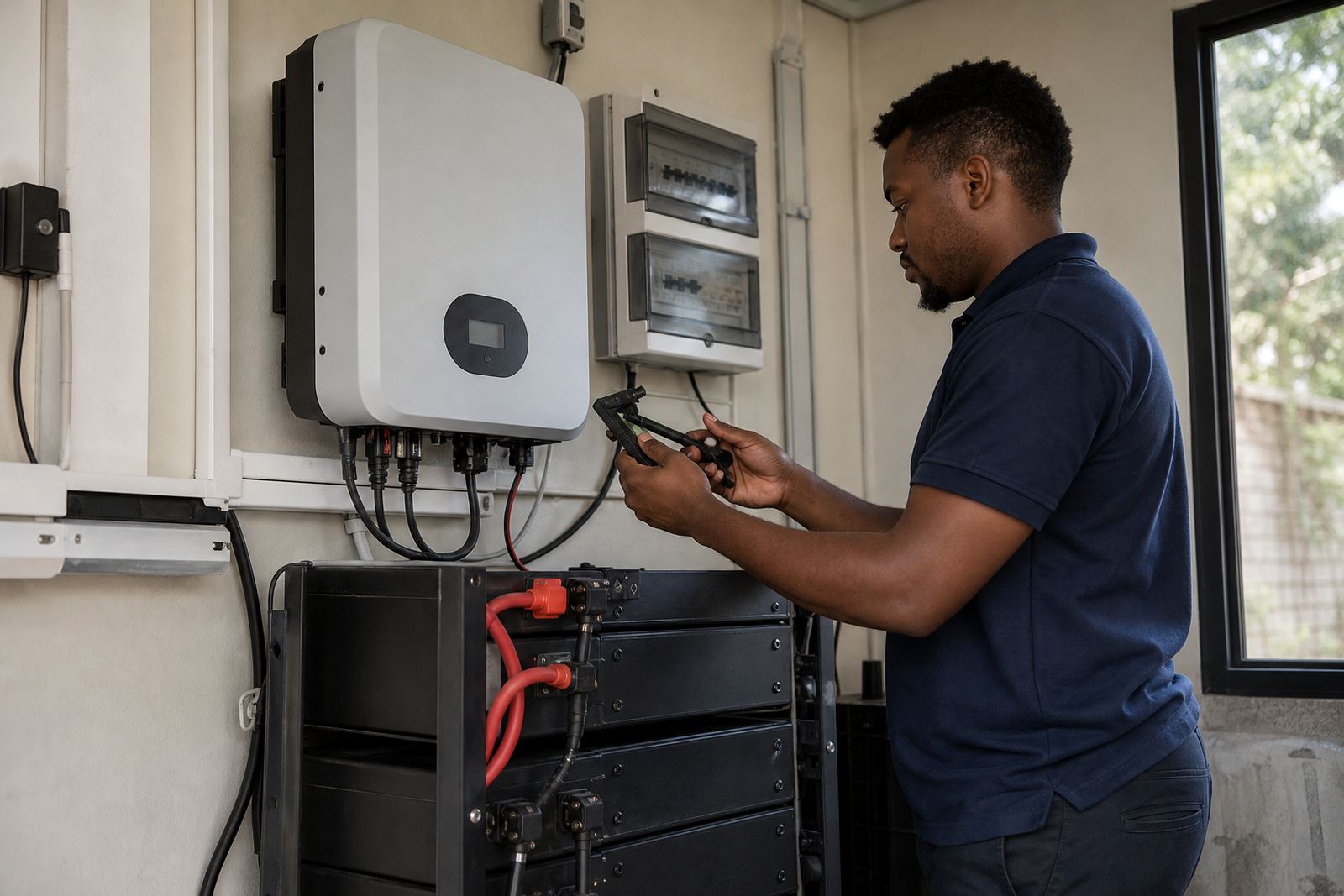
Once the system is installed, routine checks help keep it working properly through repeated outages. Batteries should be checked periodically for charging behaviour, connection integrity and any signs of unusual heating or imbalance. Inverter settings may also need review after changes to the load, especially if you add a fridge, workstation or additional office equipment later on. A good backup plan is not static, it should track how you actually use power.
- Visual inspection of cabling and terminations
- Battery health and charging review
- Firmware or setting checks where relevant
- Load changes after new appliances are added
- Update planning for battery expansion
For homes in Roodepoort or businesses in Centurion, expansion planning is useful if you expect load-shedding to continue or if you want to add more runtime later. It is easier to size the first stage with expansion in mind than to undo a cramped layout afterwards.
System at a glance
| Service area | Randburg, Johannesburg and across Gauteng including Pretoria, Centurion, Midrand, Roodepoort, Sandton and Fourways |
|---|---|
| Backup scope | Essential circuits, selected plug points, lighting, internet, alarms, fridges and small office loads |
| System types | Inverter backup, lithium battery storage, changeover solutions and grid-tied planning |
| Sizing basis | Peak load in watts, runtime in hours, battery usable capacity and start-up surge demand |
| Compliance | Installation by a registered electrician, certificate of compliance where required, municipal registration for grid-tied systems |
| Maintenance interval | Routine checks every 6 to 12 months, or sooner after load changes, faults or repeated outages |