What our monitoring setup covers
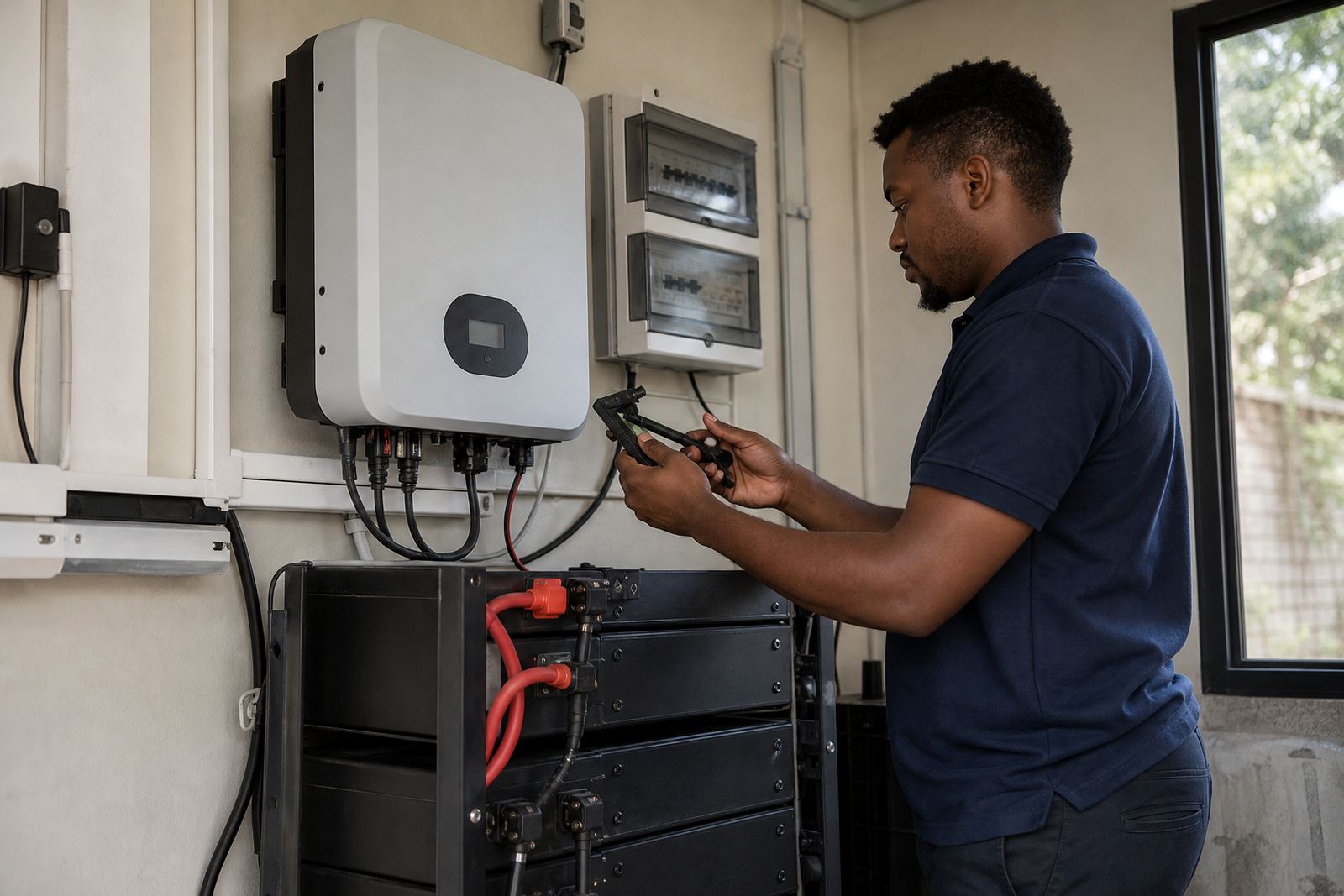
Our monitoring setup service is for clients who want a clearer view of how their backup system is performing day to day. We configure the inverter or battery monitoring interface so you can check charge level, charging rate, discharge activity, alarm notices and basic system status from a phone, tablet or computer where supported. For larger premises, this can also help with identifying when a circuit is drawing more power than expected and when backup settings need adjustment.
The goal is practical oversight, not complicated screens. We help set up the communication link between the equipment and the monitoring method that suits the site, whether that is local display access, a Wi-Fi based connection or a data module where the system allows it. We also explain what each reading means so staff or homeowners are not left guessing after load-shedding starts.
- Battery state of charge and discharge tracking
- Inverter status, fault and warning alerts
- Charge and usage trends for essential loads
- Setup support for remote viewing where the equipment supports it
Why monitoring matters in South African backup systems
Load-shedding schedules change, household use changes too and business loads can shift during the day. Without monitoring, you may only notice a problem when batteries are draining too fast or the system is running harder than it should. In homes across Sandton, Fourways and Midrand, this often shows up as poor battery runtime during evening peaks. In shops, offices and small workshops, it can mean uncertainty around which circuits are protected and whether backup is actually holding through an extended outage.
Monitoring helps spot battery wear early, especially on lithium systems where performance is usually good but still needs proper configuration. It can also show if the charger is not reaching the correct float or absorption settings, or if a grid-tied system is feeding back in a way that needs municipal registration checks. On coastal or humid sites, we also look out for communication issues caused by damp panels, loose fittings or dusty cable runs, because small faults build up quickly.
We keep the setup simple and practical. You get the readings that matter most for daily use, not a screen full of numbers with no clear value.
Share what must stay on during an outage and the size of the property, and a backup planner will phone or message you.
Contact formHow the setup process works
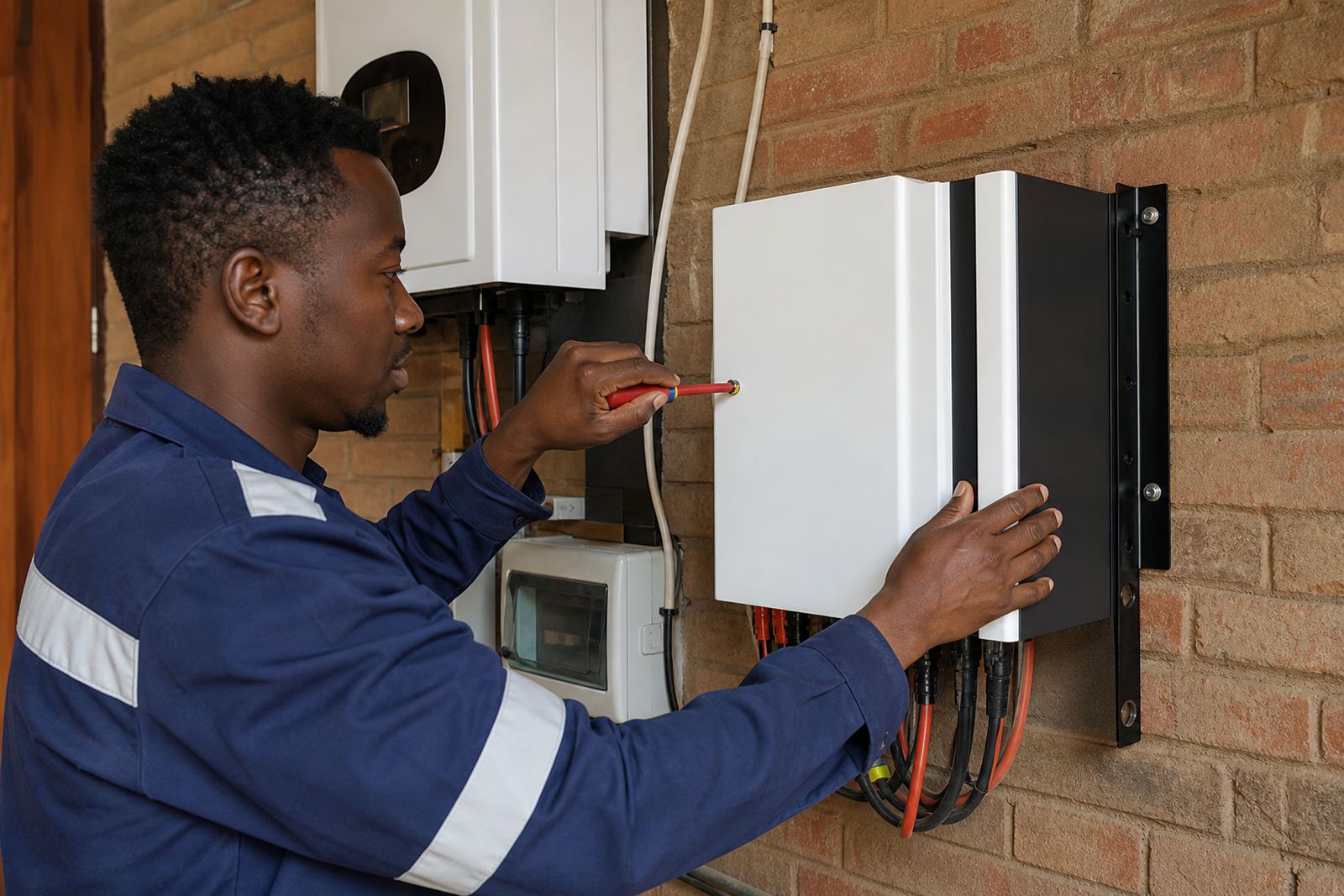
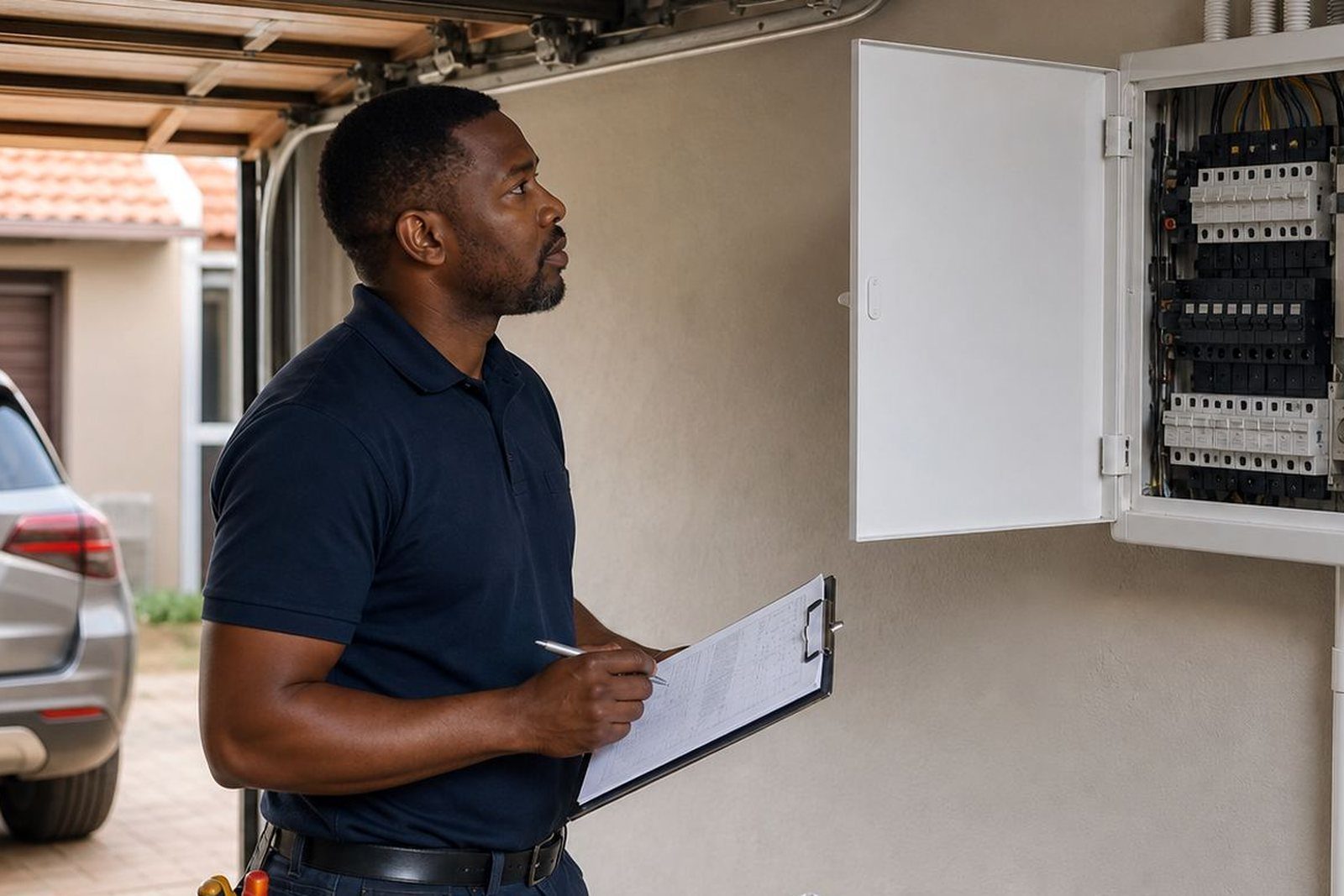
We usually begin with a site assessment or a quick review of the existing installation details. That tells us what monitoring functions are already available, what extra parts may be needed and whether the inverter, battery bank or communication module is compatible with remote viewing. If the system was installed by another contractor, we first confirm the wiring, communication ports and any existing fault messages before making changes.
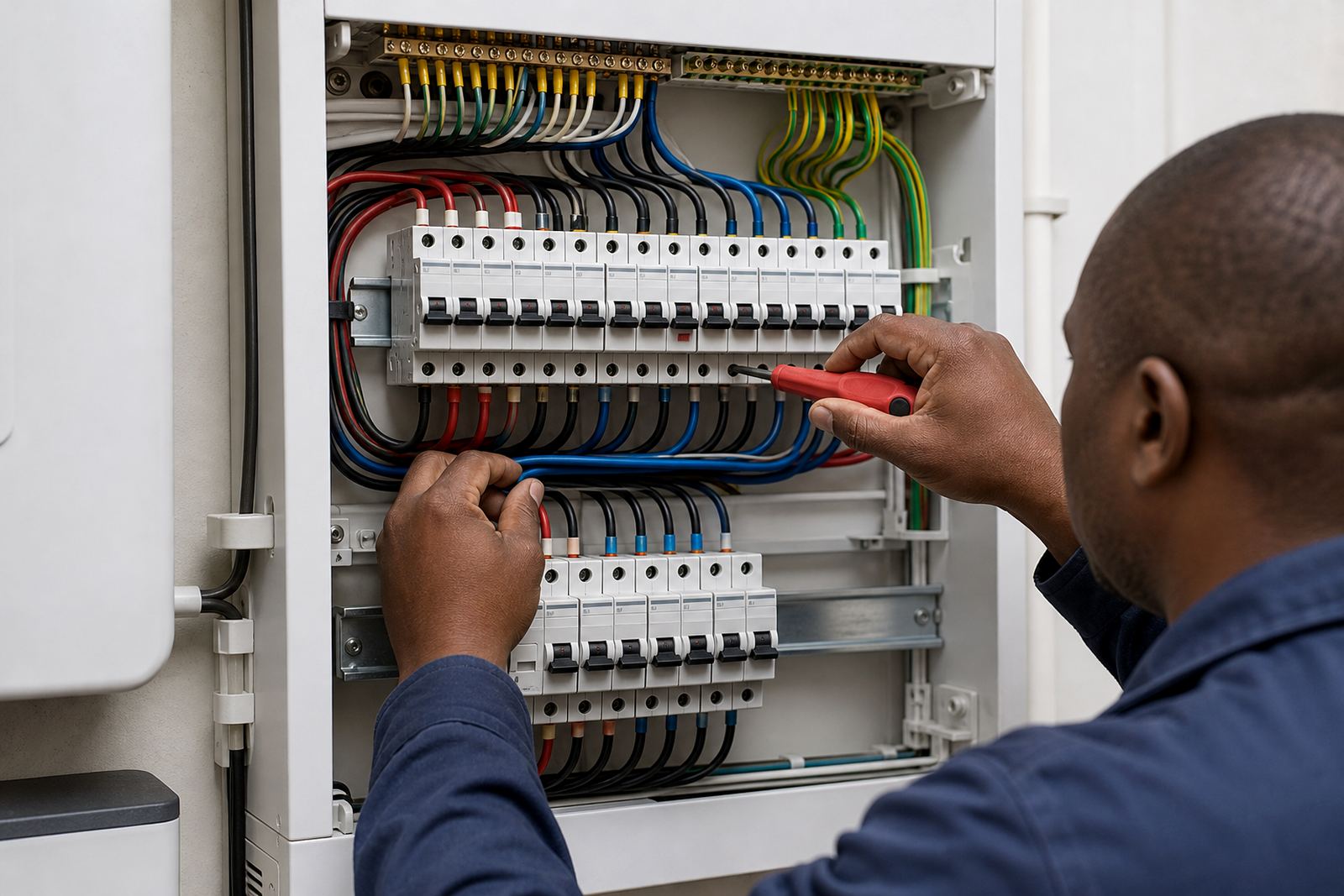
Once we know the equipment and layout, our team configures the monitoring link, tests the live readings and checks that the alerts are being reported correctly. If the site needs changes to cabling, data connections or display placement, we handle that as part of the setup. We then show the client how to access the system and how to read basic status information, so there is no confusion when power cuts happen in the middle of the day.
- Review current inverter and battery model compatibility
- Set up communication and display access
- Test battery, charging and fault readings
- Explain day-to-day monitoring use to the client
Typical turnaround and when we can assist
For a straightforward residential setup, monitoring can often be configured soon after the site is assessed and the equipment is confirmed compatible. More complex business systems may need a little more time, especially where there are multiple inverters, separate battery banks or existing wiring that must be checked before the monitoring function is enabled. We work across Randburg, Johannesburg, Pretoria, Centurion, Midrand and Roodepoort, so turnaround also depends on site access and the condition of the current installation.
Where parts need to be sourced, or where the system needs a wiring correction before monitoring can be trusted, we will say so upfront. If the backup system is already in place and only needs a monitoring reset or a new display link, the visit is usually quicker. We try to keep scheduling sensible because many clients want this done before peak evening load-shedding.
We do not rush setup just to say it is finished. The readings must be correct first, otherwise the monitoring is of little use.
Sizing checks before monitoring is enabled
Monitoring works best when the backup system is sized correctly for the loads it is meant to carry. During the setup we check the inverter rating, battery capacity, essential circuit load and expected runtime so the monitoring data means something practical. A small home may only need key lights, Wi-Fi, TV and a few plugs tracked. A business site may need tills, routers, access control, a server rack or selected office circuits measured more carefully.
As a general guide, we look at the following:
- Inverter size in relation to starting loads and normal running loads
- Lithium battery capacity against the hours of backup required
- Number of essential circuits connected to the backup side
- Whether the site is grid-tied, hybrid or backup-only
If the system is undersized, the monitoring may show repeated low battery events, overload warnings or short backup time during evening use. We can advise on battery expansions or changes to essential circuits where needed, but the final design should always suit the actual site load and not just a rough estimate.
Pricing approach, compliance and maintenance intervals
Our pricing approach depends on the type of system, the monitoring method required and whether any support work is needed on the cabling or settings. A simple setup on an existing inverter may need less work than a site with a new battery bank, multi-unit inverter arrangement or a mixed home and office load. We quote based on the site conditions and the equipment already in place, with no guesswork.
All installation or adjustment work must be done by a registered electrician, and the installation needs a certificate of compliance where required. If the system is grid-tied or capable of feeding into the municipal supply, municipal registration must also be handled in line with local rules. That applies in Johannesburg and other Gauteng areas as well. Monitoring does not remove those obligations, it just makes the system easier to manage once it is properly commissioned.
For maintenance, we suggest a monitoring review at least every 6 to 12 months, or sooner if the site has frequent load-shedding, battery alarms or changes in usage. On busy commercial sites, a quarterly check is often more practical, especially where staff rely on the system daily. During a routine visit we confirm readings, update settings if needed and make sure the alerts still reflect what the batteries and inverter are doing.
System at a glance
| Service area | Randburg, Johannesburg, Pretoria, Centurion, Midrand, Roodepoort and surrounding Gauteng |
|---|---|
| Supported systems | Inverters, lithium batteries and hybrid backup systems |
| Monitoring methods | Local display, Wi-Fi based access or compatible data module setup |
| Typical checks | Battery state, charge status, fault alerts, load behaviour and run-time trends |
| Compliance | Registered electrician required, certificate of compliance where applicable |
| Best maintenance interval | Every 6 to 12 months, or quarterly for high-use commercial sites |