What We Check During a Site Visit
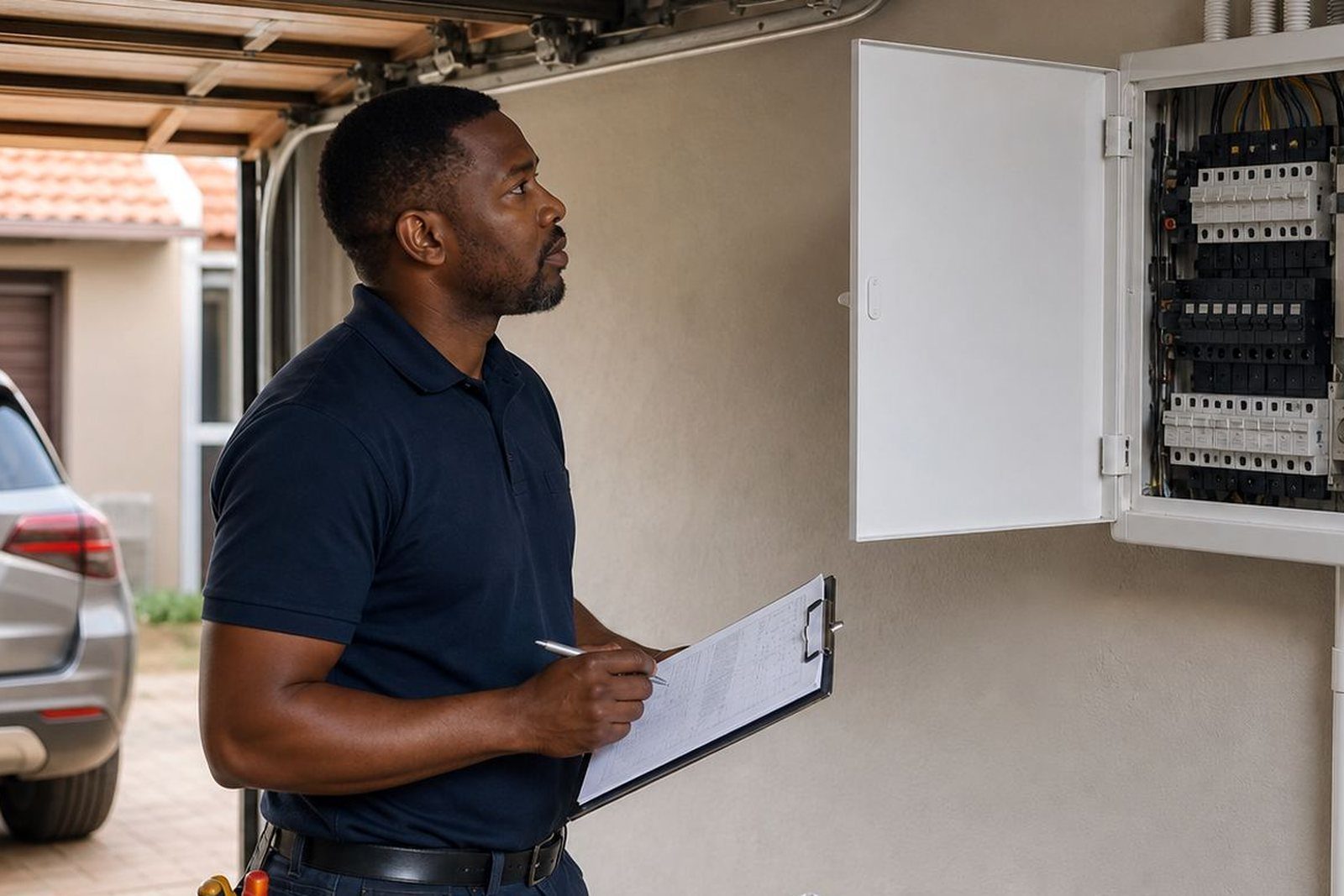
A proper site assessment starts with the loads that must stay on during outages. We look at lighting, Wi-Fi, alarms, garage doors, fridges, office equipment, gate motors and other essential circuits so the backup system is sized for real use, not guesswork. We also check whether the property is single-phase or three-phase, and whether the backup is for a few circuits or the full premises.
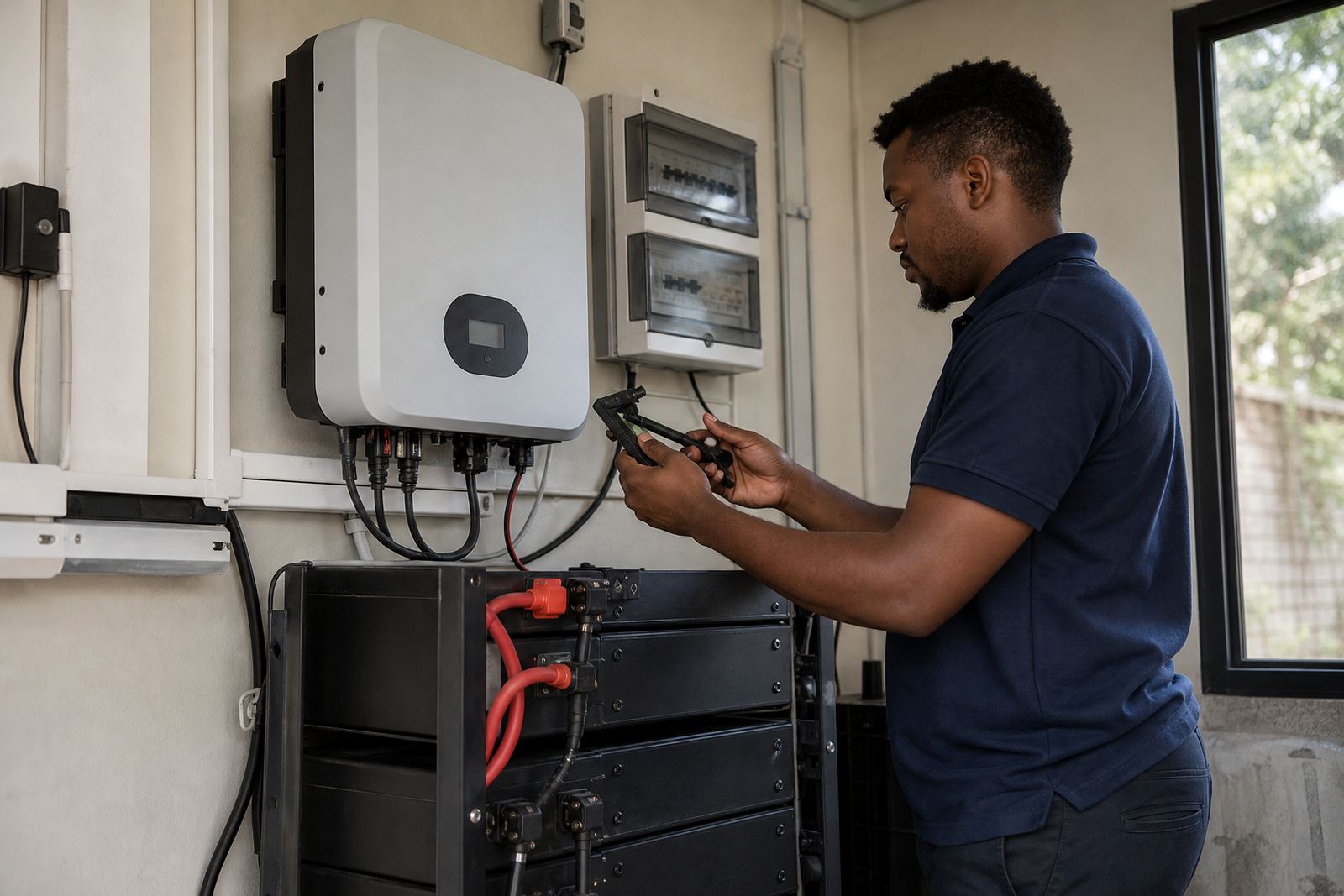
The visit also covers the practical side. We inspect wall space for the inverter, battery position, ventilation, cable entry points, the condition of the existing distribution board and how far the equipment may need to be mounted from the main supply. In Randburg, Sandton and Fourways, many homes have limited wall space in garages or staff rooms, so layout matters as much as capacity.
- Load list for essential and non-essential circuits
- Space check for inverter, batteries and protection equipment
- Cable route review from supply point to backup location
- Assessment of ventilation, moisture and dust exposure
- Review of existing DB board and changeover arrangement
How We Size an Inverter and Battery System
Backup sizing depends on how many watts you need at the same time and for how long. We work from the connected load, the surge demand of items such as pumps or fridges, and the battery runtime needed during stage 4 or longer interruptions. A small home might only need lighting, internet and a few plugs, while a business in Midrand or Pretoria may need computers, servers, point-of-sale units and security systems kept online.
As a general guide, inverter systems are selected by continuous output in kW or kVA, while lithium batteries are selected by usable energy in kWh. We also check charge and discharge rates, because a battery that is too small for the inverter can trip under load. Where the property is coastal or damp, we factor in corrosion risk and mounting position too, though Gauteng mostly has dust and heat to manage rather than salt air.
- Typical residential systems may range from around 3 kW to 8 kW
- Battery banks are usually planned from about 5 kWh upward
- Larger commercial sites may need multiple batteries or parallel inverters
- Runtime is planned from the actual load, not just battery size
We will not push a bigger unit than you need. The aim is to match the backup system to the real pattern of use and the property layout, so it works well during load-shedding and during shorter utility interruptions too.
Share what must stay on during an outage and the size of the property, and a backup planner will phone or message you.
Contact formWhat the Assessment Process Looks Like
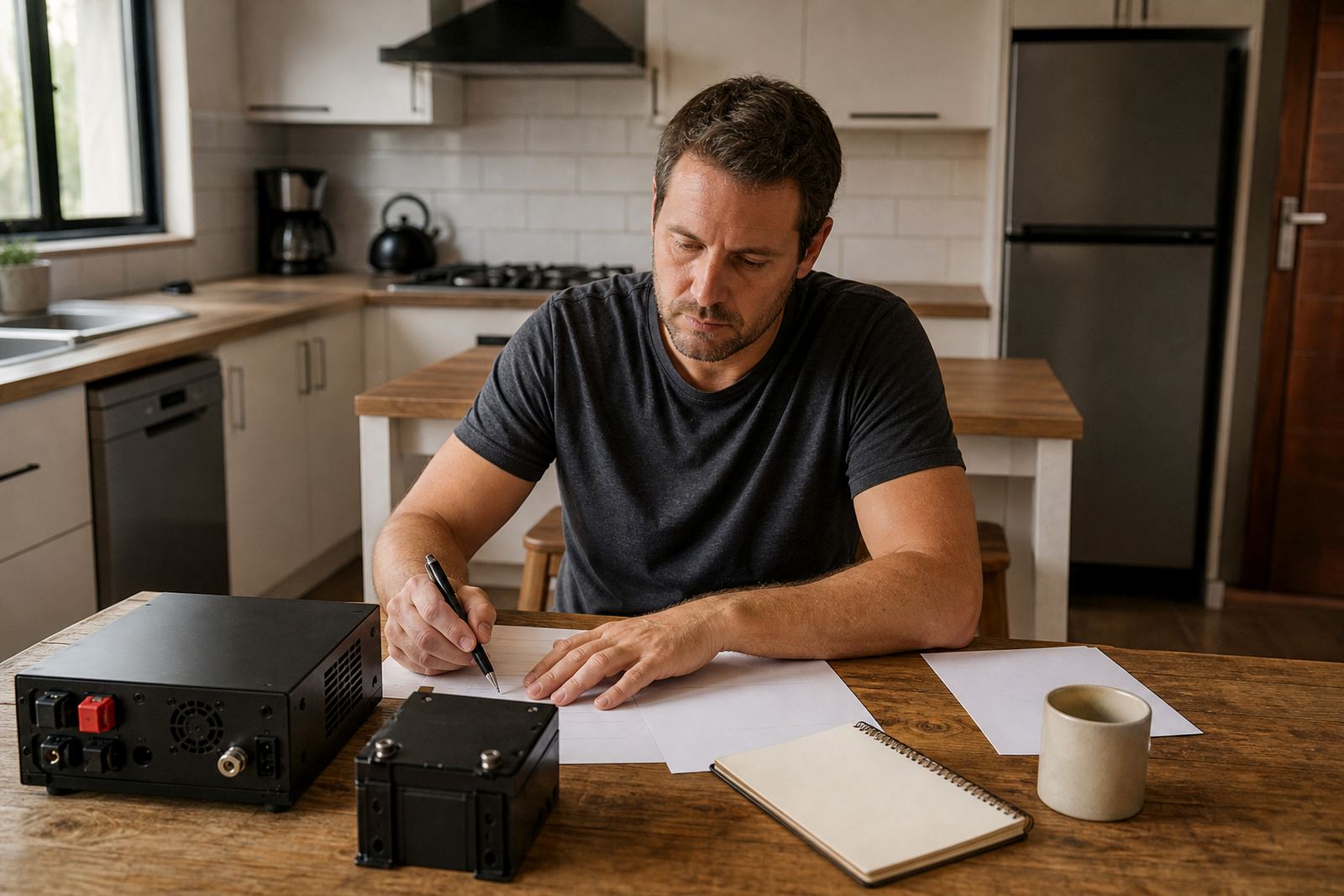
Most assessments begin after you send an enquiry through the contact page. We then arrange a visit and ask a few questions about your current supply, backup expectations and any problem areas such as frequent breaker trips or limited space in the DB board. If the property is a business, we may request operating hours and the equipment that must remain live after hours.
On site, the technical team records measurements, takes note of the supply point and checks where essential circuit wiring will run. After that, we prepare a practical recommendation for inverter size, battery capacity and installation layout. If you already have some equipment, we can assess whether it can be integrated or whether the existing setup needs to be revised. Turnaround is usually quick once the visit has been completed, although larger sites may need a more detailed review.
- Enquiry and booking through the contact form
- On-site inspection and measurements
- Load review and equipment placement check
- Backup layout recommendation with sizing guidance
- Quote preparation for the approved scope
Compliance, Registration and Safe Installation Requirements
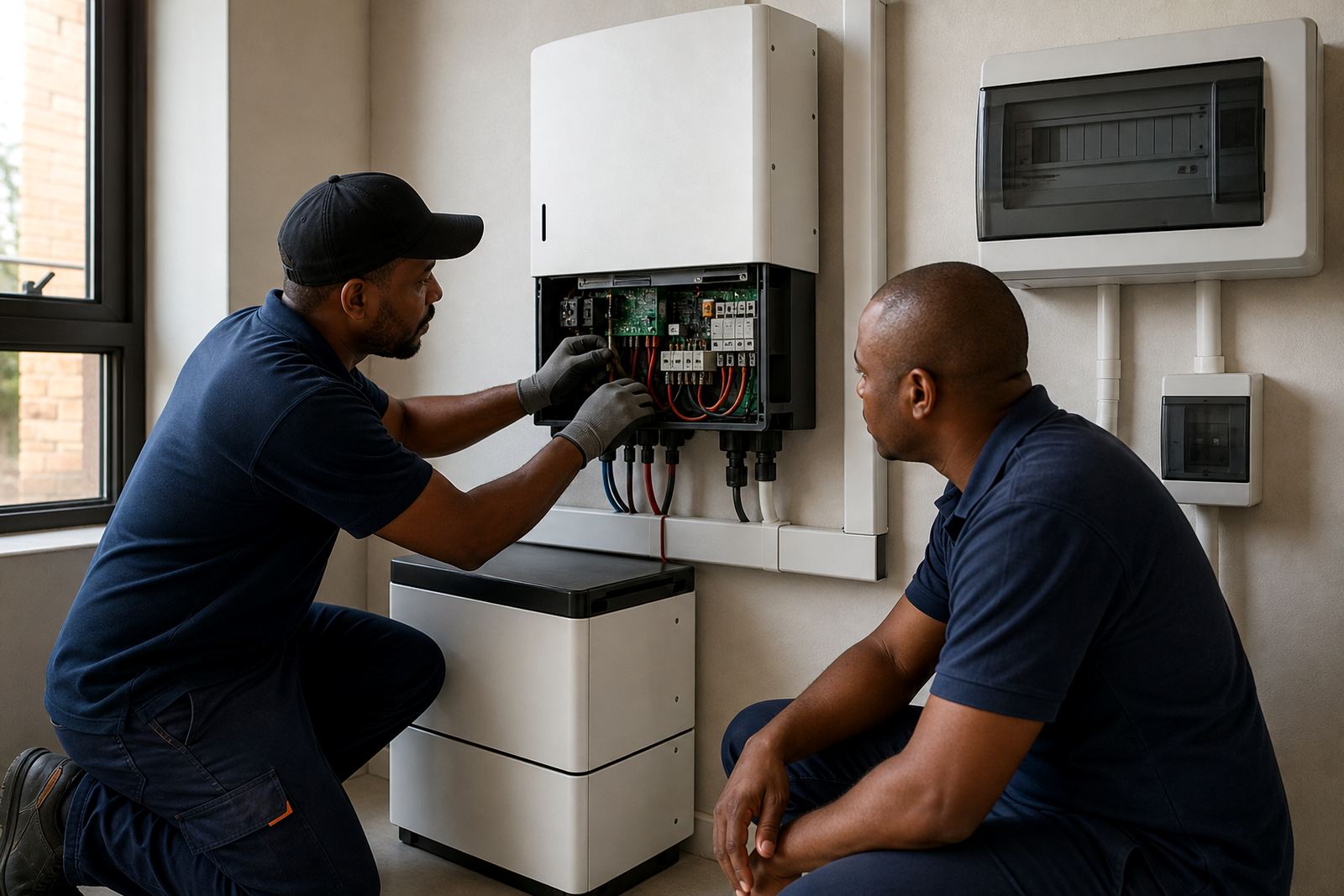
Any inverter or battery installation must be done by a registered electrician. After installation, the electrical work must be supported by a certificate of compliance where required. If the system is grid-tied or connected in a way that exports or interacts with municipal supply, municipal registration may also be required before the system is energised. We make sure this is considered from the beginning, not after the work is already finished.
Safe installation also means checking earthing, isolators, circuit protection and changeover arrangements. A site assessment helps avoid placing equipment in a spot where the cables are too long, ventilation is poor or the board cannot be adapted cleanly. This is especially important in older homes and mixed-use properties around Johannesburg and Roodepoort where previous alterations may have been made over time.
- Registered electrician required for installation
- Certificate of compliance required where applicable
- Municipal registration needed for grid-tied systems
- Protection devices and isolators checked during planning
Pricing Approach for Site Assessments and Follow-On Work
We quote according to the size of the property, the complexity of the load schedule and the amount of planning needed for the installation. A simple home assessment is handled differently from a retail site, office block or workshop with several critical circuits. If the property needs a long cable run, structural mounting work or a more involved DB board change, that is included in the scope before anything starts.
There are no guesswork prices. We base the quotation on measured requirements, the equipment selected and the installation method. This makes it easier to compare options properly and avoid surprises later. If you are expanding an existing battery bank, we also check whether the current inverter and protection equipment can support the added capacity.
For many clients in Centurion, Midrand and Pretoria, the best approach is to start with the assessment first, then decide whether the system should cover just the essentials or a broader part of the building. That keeps the project aligned with budget and actual backup needs.
Keeping the System Ready After the Assessment
Once the assessment has led to an installation, maintenance should not be left to chance. Lithium batteries generally need less day-to-day attention than older battery types, but they still benefit from periodic checks on state of charge, firmware settings where applicable, cable tightness and the health of the charging setup. In commercial settings, we recommend scheduled inspections after the first few months, then at least annually or sooner if the site has heavy daily use.
Routine servicing is also useful after repeated load-shedding cycles or after a building change, such as adding new office equipment or refrigeration. If a battery cabinet is in a warm garage or plant room, temperature and airflow should be checked. If the system begins to trip, show warning lights or charge slowly, a fault check should be arranged rather than waiting for a total failure.
- Post-installation check after the first few weeks of use
- Periodic inspection every 6 to 12 months for most sites
- Earlier service if loads change or faults appear
- Battery expansion review before adding extra capacity
System at a glance
| Assessment type | On-site review for homes, offices, retail spaces and light commercial properties |
|---|---|
| Areas covered | Randburg, Johannesburg, Sandton, Fourways, Pretoria, Centurion, Midrand and Roodepoort |
| What is checked | Loads, cable routes, DB board condition, mounting space, ventilation and changeover layout |
| System types | Inverter and lithium battery backup for essential circuits or broader property coverage |
| Compliance note | Registered electrician required, with CoC where applicable and municipal registration for grid-tied systems |
| Follow-up | Sizing recommendation, quotation, installation planning and maintenance guidance |