How supply is arranged for Gauteng orders
Most supply starts once the site requirements are confirmed, including the backup size, the space available for installation, and whether the system is for essential household circuits or a business load. For clients in Johannesburg, Randburg, Sandton, Fourways, Roodepoort, Midrand, Centurion and Pretoria, equipment is arranged according to stock on hand and the complexity of the job. Some orders move quickly, while others need a few extra steps if battery racks, cabling, protection gear or changeover equipment must be matched to the site.
During load-shedding season, demand can move fast and certain items may take longer to set aside, especially when several batteries are needed for a larger system. We keep the process practical: first the sizing, then the equipment match, then the delivery or collection plan. If your property has limited access, a body corporate, or strict loading bay times, mention that early so the handover does not get delayed.
What affects delivery timing
Delivery timing depends on a few real-world factors. The main ones are stock availability, the number of components on the order, the distance from Randburg, and whether any item must be checked against the planned installation. If you are in a townhouse complex in Centurion or a commercial building in Sandton, access control can add time. In older homes in Johannesburg or Roodepoort, there may also be extra questions about where the inverter and batteries will be mounted, and whether the wall can take the load.
- Availability of the inverter and lithium batteries needed for the system
- Whether the order includes cabling, protection devices or mounting gear
- Site access, parking and offloading conditions
- Need for a site assessment before the final supply is released
- Municipal requirements where grid-tied connection is involved
We do our best to give clear guidance upfront so there are no surprises on the day. If your premises has guardhouse rules, freight lift bookings or off-peak receiving times, please include that in the enquiry.
Share what must stay on during an outage and the size of the property, and a backup planner will phone or message you.
Contact formReceiving equipment at home or at the business
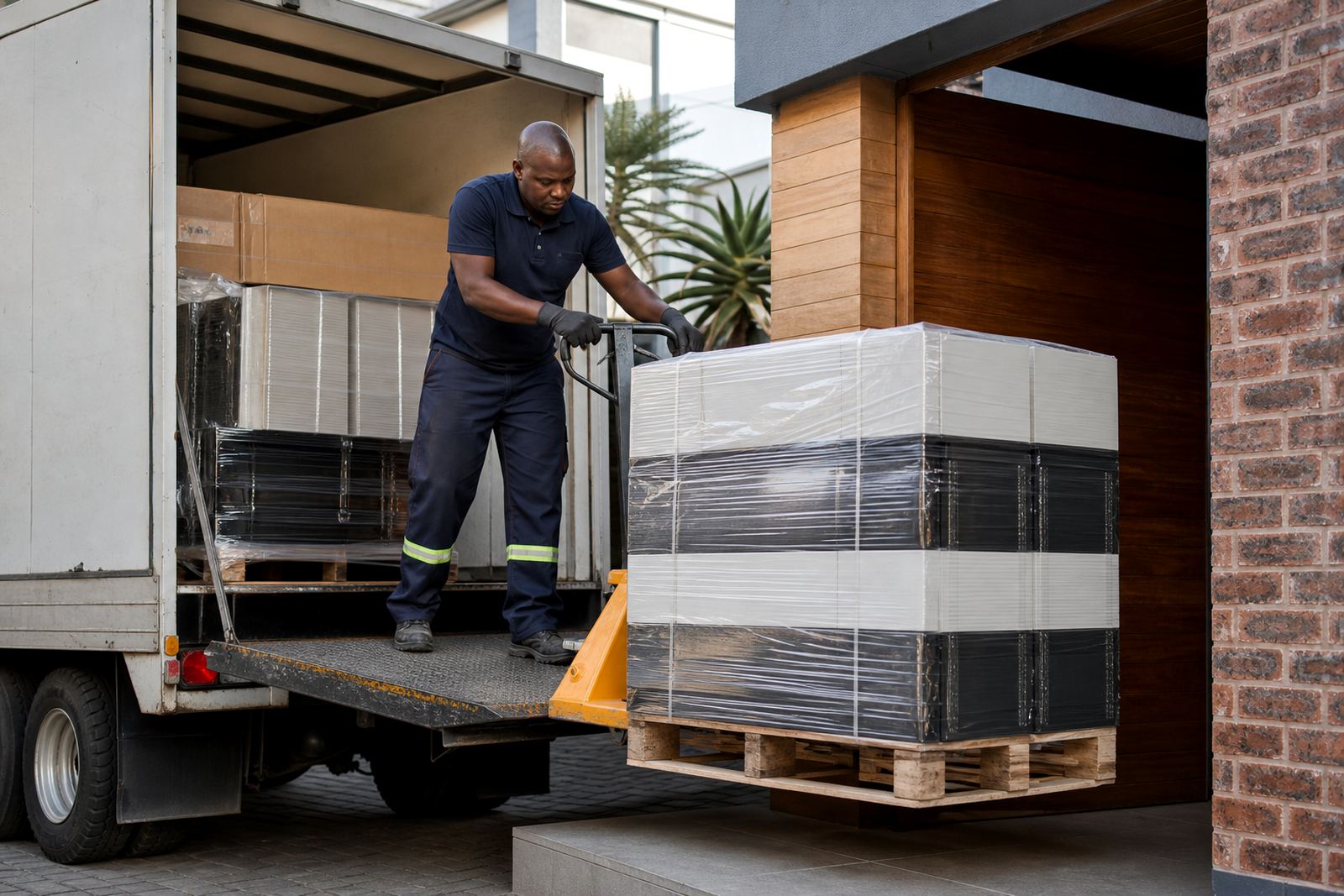
When equipment arrives, someone should be available to receive and inspect it. Batteries and inverters should be checked for visible damage before anything is signed off. If the delivery is to a home in Midrand or a business park in Pretoria, please make sure the receiving person knows where the order must go and who will sign for it. Boxes should not be left in direct sun or where rain may reach them, especially along coastal routes travelling inland or during wet Gauteng weather.
Keep the area clear for offloading. Lithium batteries are heavy and should be handled carefully, so do not expect one person to carry a full set across a long distance. If the equipment is going straight to installation, it should be stored indoors in a dry place until the electrician is ready. A concrete floor is fine, but the area should be clean and free of loose water, dust and building rubble.
- Have a responsible person on site during the delivery window
- Check packaging before signing the delivery note
- Store equipment indoors, dry and secure
- Keep children, pets and general visitors away from the offloading area
Access, parking and loading bay notes
Access matters more than many people expect. In apartment blocks around Randburg or Sandton, there may be tight stairways, no lift access, or restrictions on delivery vehicles. In commercial sites, loading bay times may be limited, and security teams often need vehicle details in advance. If the delivery vehicle cannot park close to the entrance, extra handling time may be required, so it helps to plan ahead.
For properties with narrow driveways, low trees or steep entrances, mention those details when placing the order. If your premises is in an area with guard patrols or controlled access, we may ask for the name of the receiving person and any access instructions. This avoids delays and keeps the equipment safe while it is being moved. A little planning saves a lot of standing around.
After delivery: installation and compliance steps
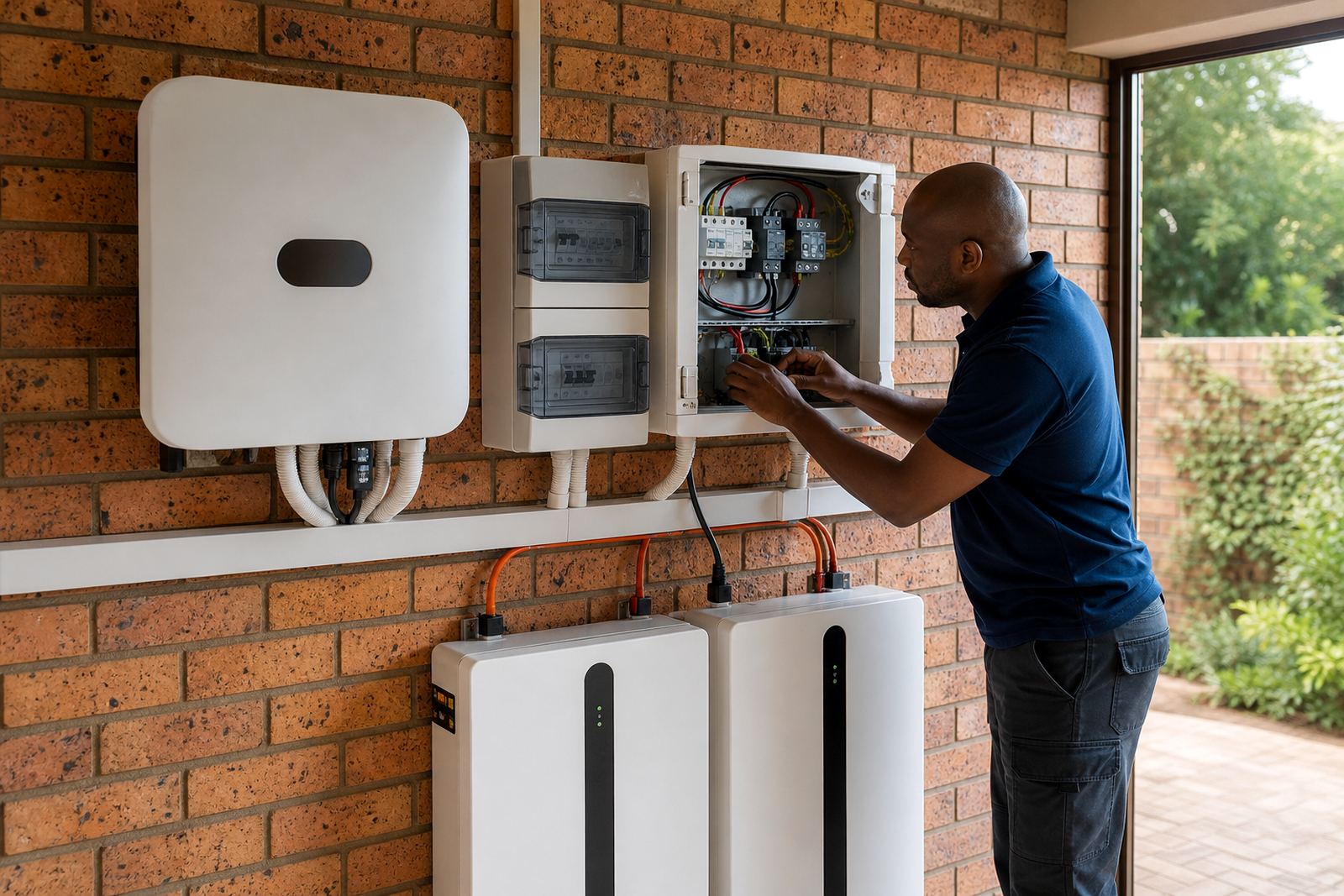
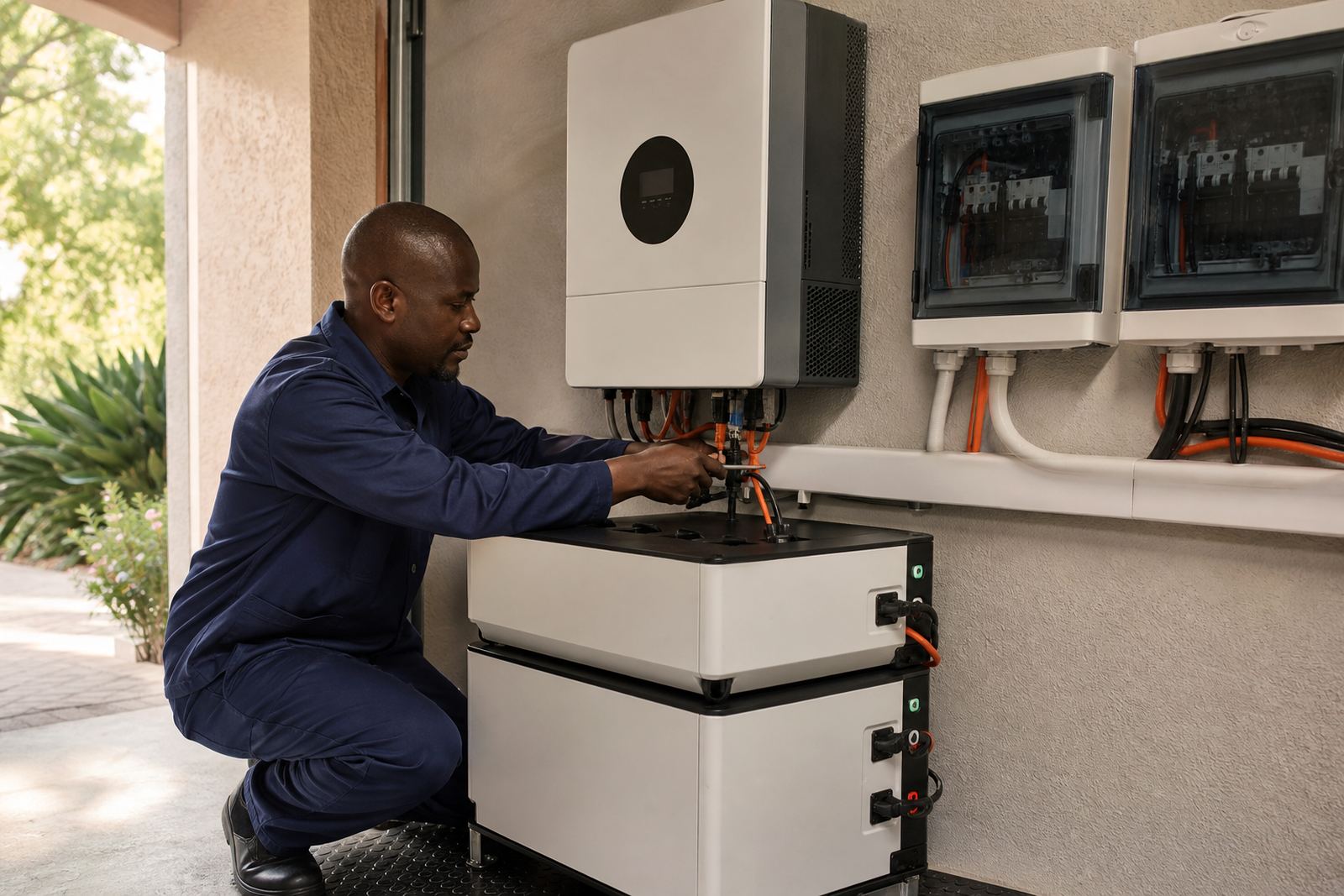
Delivery is only one part of the process. Inverter and battery installations must be done by a registered electrician, and the installation must be issued with a Certificate of Compliance where required. If the system connects to the grid, the installation must also be registered with the relevant municipality before use, so that the property remains properly declared and compliant. This is important for homes, offices, shops and sectional title sites alike.
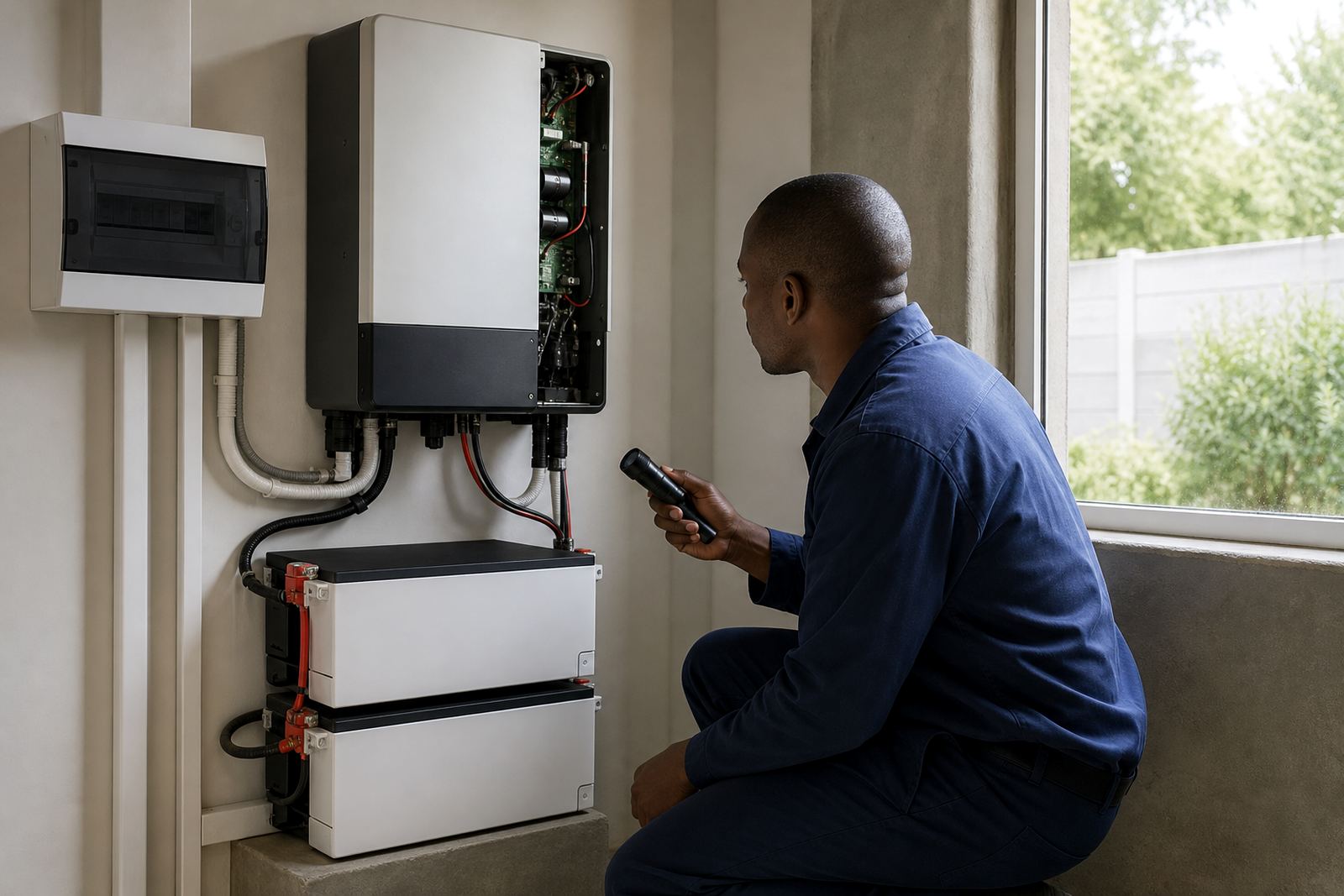
Once the equipment is on site, the electrician can confirm the final mounting position, cable runs, protection devices and essential circuit wiring. System commissioning, monitoring setup and battery expansion work should only happen once the installation is complete and safe. If there is any question about the DB board, earthing, changeover arrangement or municipal approval, it is better to sort that out before the system is switched on. It saves hassle later.
How to prepare your enquiry
To help us organise supply properly, include a few key details in your enquiry form. The more accurate the site information, the easier it is to plan the right equipment and handover arrangement. This is especially useful for businesses that cannot stop operations during office hours, or for homes that need backup set up around family routines and load-shedding times.
- Your suburb and town, such as Randburg, Pretoria, Midrand or Roodepoort
- Whether the system is for a house, office, retail space or workshop
- Any access limits, parking restrictions or receiving hours
- Whether the installation will need monitoring setup or future battery expansion
- Any municipal or body corporate rules that may affect the work
With that information in hand, the supply process becomes far easier to manage. If anything changes before delivery, tell us as soon as possible so the team can adjust the plan and keep the order moving.