What wall mount brackets do in a backup installation
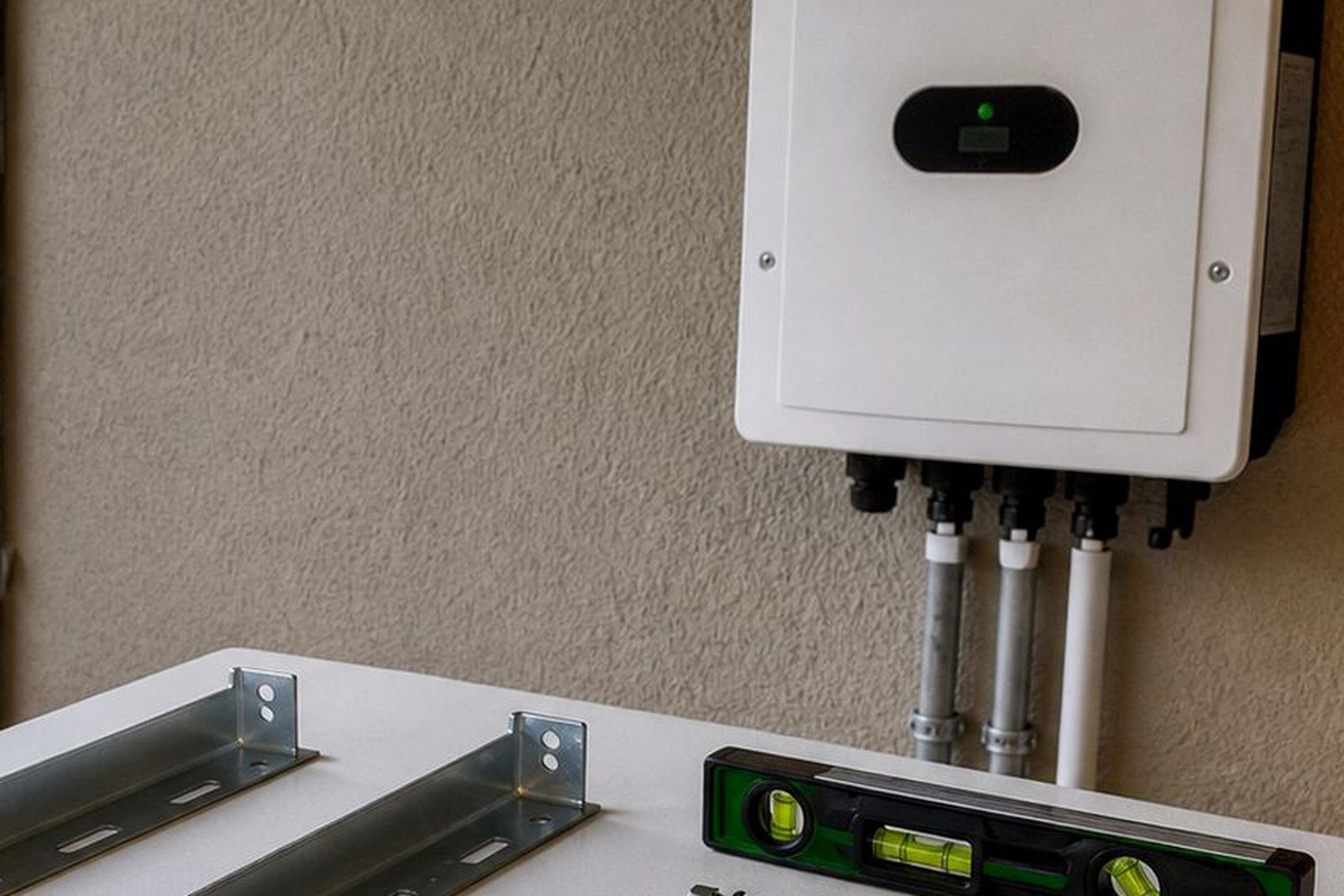
Wall mount brackets are used to support inverter and battery components against a solid wall or other approved structure, keeping the equipment clear of damp floors, cleaning splash and accidental knocks. In a home garage, townhouse storeroom, shop back area or small office plant room, that matters because backup systems often sit in places where space is tight and movement is frequent.
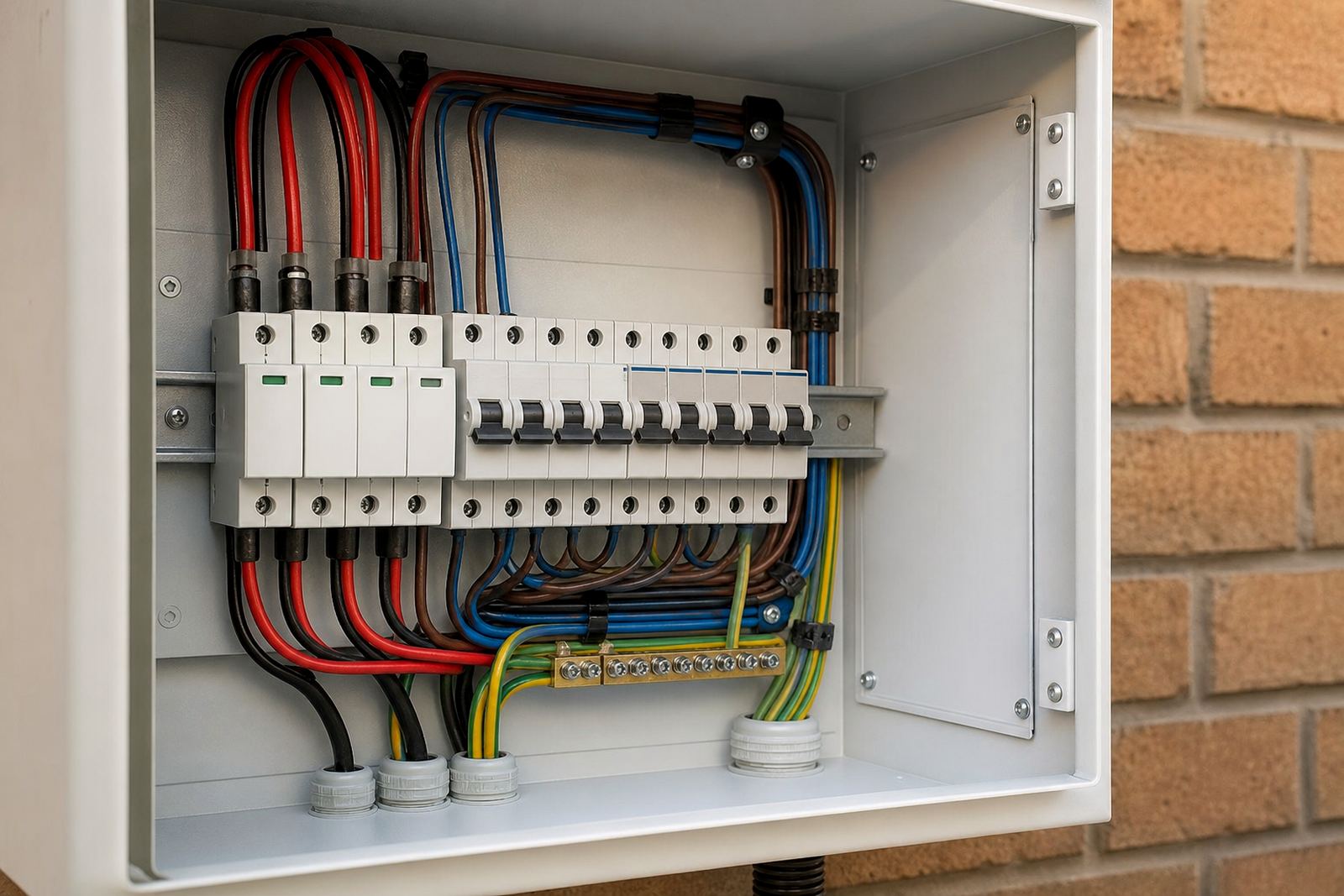
These brackets are not a substitute for correct electrical work. The equipment still needs proper cabling, protection devices, ventilation and a correct earthing arrangement. A registered electrician must do the installation, and a certificate of compliance is required once the work is complete. If the system is grid-tied, municipal registration is also needed in line with local rules.
- Supports neat wall-mounted inverter and battery layouts
- Helps keep equipment above floor moisture in coastal and inland areas
- Useful where floor space is limited or shared with other plant
- Should be matched to the weight and footprint of the equipment
Sizes and bracket options for common inverter and battery layouts
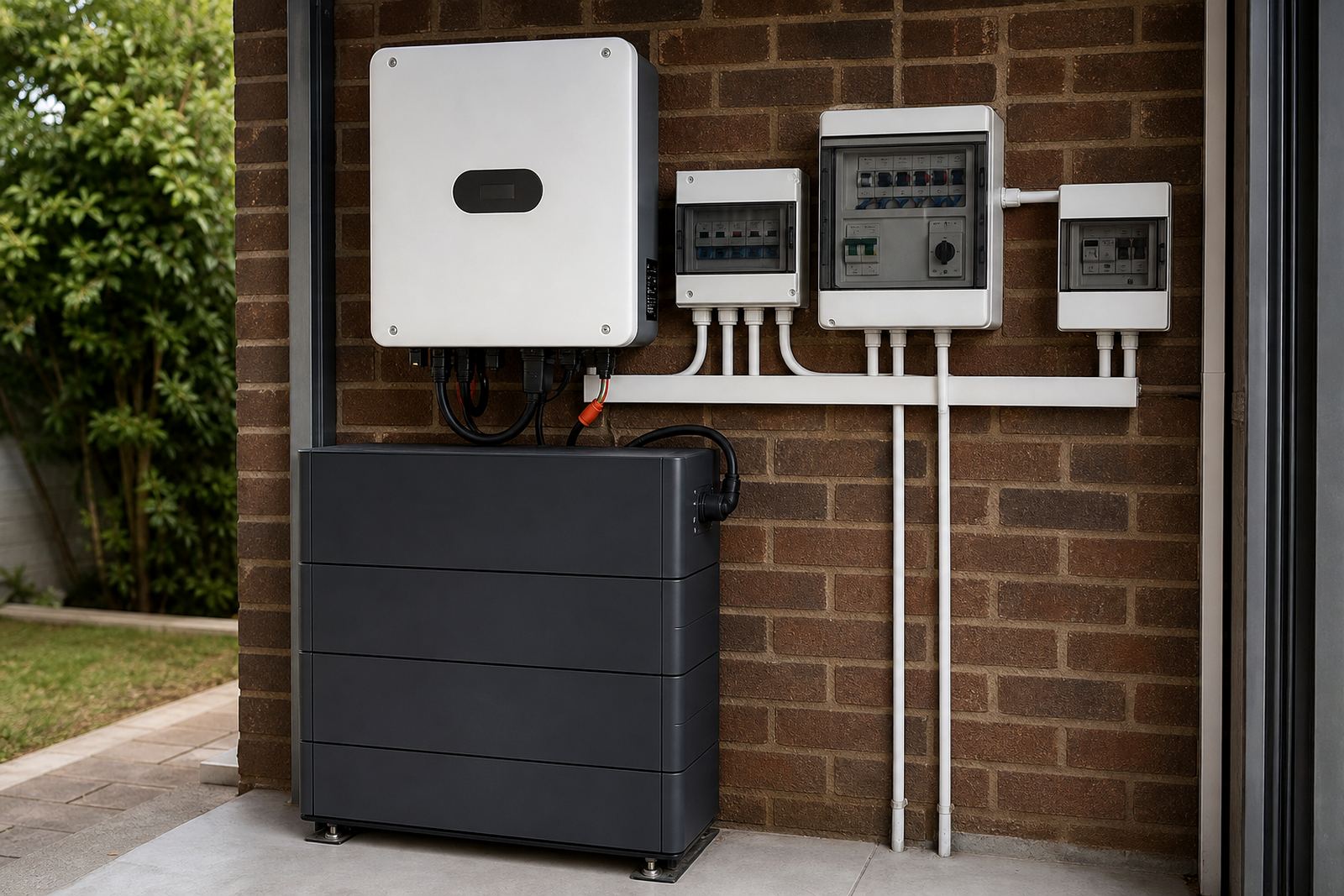
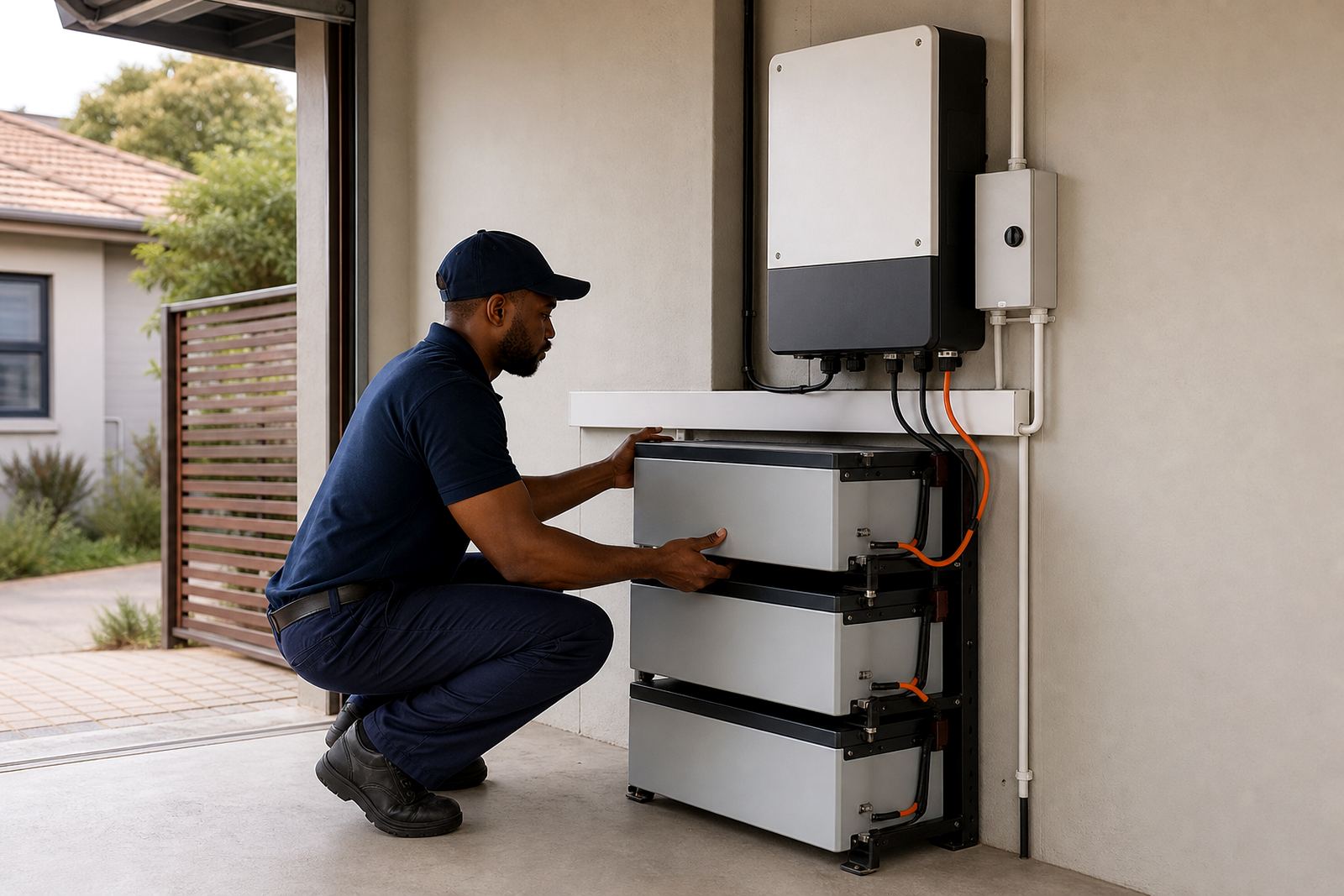
Bracket choice depends on the equipment mass, wall material and whether the system is a single inverter with one battery or a larger bank with multiple modules. For lithium batteries, the bracket or mounting frame must allow for the battery case dimensions, terminal access and cable bend radius. Inverter brackets must give enough clearance for airflow around the unit and service access at the front and sides where needed.
Typical options include compact single-unit brackets for small residential systems, wider support frames for paired battery modules, and heavier duty wall rails for larger commercial backup rooms. Some setups need a combined arrangement where the inverter sits above or beside the battery bank. In other cases, floor standing cabinets are better, especially where wall strength is limited or where the installation area is subject to vibration.
- Single inverter mounts for compact backup systems
- Battery support brackets for one or more lithium modules
- Wall rails and frame systems for heavier equipment
- Options suited to brick, block or concrete walls, subject to site checks
Share what must stay on during an outage and the size of the property, and a backup planner will phone or message you.
Contact formWhere wall mounted backup equipment works best
Wall mounted backup hardware suits places where dust, moisture or foot traffic can cause problems for floor level equipment. In homes, that often means a garage wall, scullery, utility room or enclosed passage area. In businesses, it may be a server room, security control room, office plant space or a stock room with enough free wall area.
In Gauteng, many clients ask for installations in Johannesburg, Sandton, Fourways, Pretoria, Centurion, Midrand and Roodepoort. The right mounting position should take account of heat build-up, ventilation and how often the area gets cleaned. In older buildings, the wall may need reinforcement before anything is mounted. On new or upgraded sites, the bracket plan is often set together with backup sizing so the full system fits properly from day one.
- Homes with limited floor area or a busy garage
- Businesses that need clear access around the equipment
- Rooms with a raised risk of dust, damp or minor washdown
- Sites where cable runs are shorter with wall mounting
Installation needs, electrical connections and compliance
Good mounting starts with the wall itself. A registered electrician or qualified installer must confirm that the surface can carry the load and that fixings are suitable for the substrate. On lightweight walls, hollow partitions or cracked brick, extra support may be needed. The installer must also consider the route for DC and AC cabling, the position of isolators, and whether the battery area can be kept within the temperature range recommended for the equipment.
Where the system is tied to the grid, the installation needs municipal registration and the paperwork must be kept in order. This is especially important in urban areas where compliance checks are more common. Backup systems should also be commissioned properly, with protection devices tested and the client shown how to isolate the supply in an emergency. A tidy bracket installation makes that easier and reduces the chance of strain on cables over time.
- Use a registered electrician for all installation work
- Obtain a certificate of compliance after completion
- Register grid-tied systems with the municipality where required
- Check wall strength before drilling and fixing
Care, servicing and signs that the mounting needs attention
Wall mount brackets need little day-to-day attention, but they should be inspected during routine servicing. Check for rust, loose fasteners, cracked anchors and signs of movement after a vibration event or building work nearby. In humid areas, especially where garages are open to sea air or where the room gets damp in summer, metal fittings can corrode faster if the finish is poor or if the space is not kept dry.
If the inverter or batteries have changed, the brackets should be checked again for load rating and alignment. A system that started as a small backup can grow over time, so battery expansions may require stronger support or a reworked layout. If there is any rattle, flex or visible sag, switch the system off and have it checked before using it again. Small issues can become bigger if left for months, and the fixing points can pull out under repeated load.
- Inspect fixings during planned maintenance visits
- Look for rust, movement or wall cracks around anchors
- Recheck support after adding more batteries
- Keep the area dry and clear of stored items
What to confirm before ordering brackets from PowerCut
Before ordering, measure the available wall space, note the wall material and confirm the exact equipment you want to mount. The bracket must match the inverter size, battery case format and total load. If the installation includes changeover gear, communication modules or monitoring equipment, allow extra space for cabling and access. It helps to confirm whether the room has enough ventilation and whether there is an existing socket or dedicated supply point nearby.
Our team in Randburg works with homes and businesses across Gauteng on site assessments, backup sizing and installation planning. If you are not sure which bracket type suits your setup, start with the equipment dimensions and the intended position in the building. That makes it easier to plan the wiring, avoid unnecessary alterations and keep the final installation straightfoward.
- Equipment make-up and number of batteries
- Wall type and available fixing depth
- Available clearance for airflow and cable access
- Whether the system is off-grid or grid-tied
System at a glance
| Product type | Wall mount brackets for inverter and lithium battery installations |
|---|---|
| Typical use | Residential and commercial backup systems |
| Mounting style | Wall fixed support for selected inverter and battery layouts |
| Material options | Powder-coated steel or reinforced metal bracket systems |
| Capacity | Selected to suit the weight and footprint of the equipment |
| Compliance | Installed by a registered electrician with COC and municipal registration where applicable |