What a Surge Protection Kit Does in a Backup System
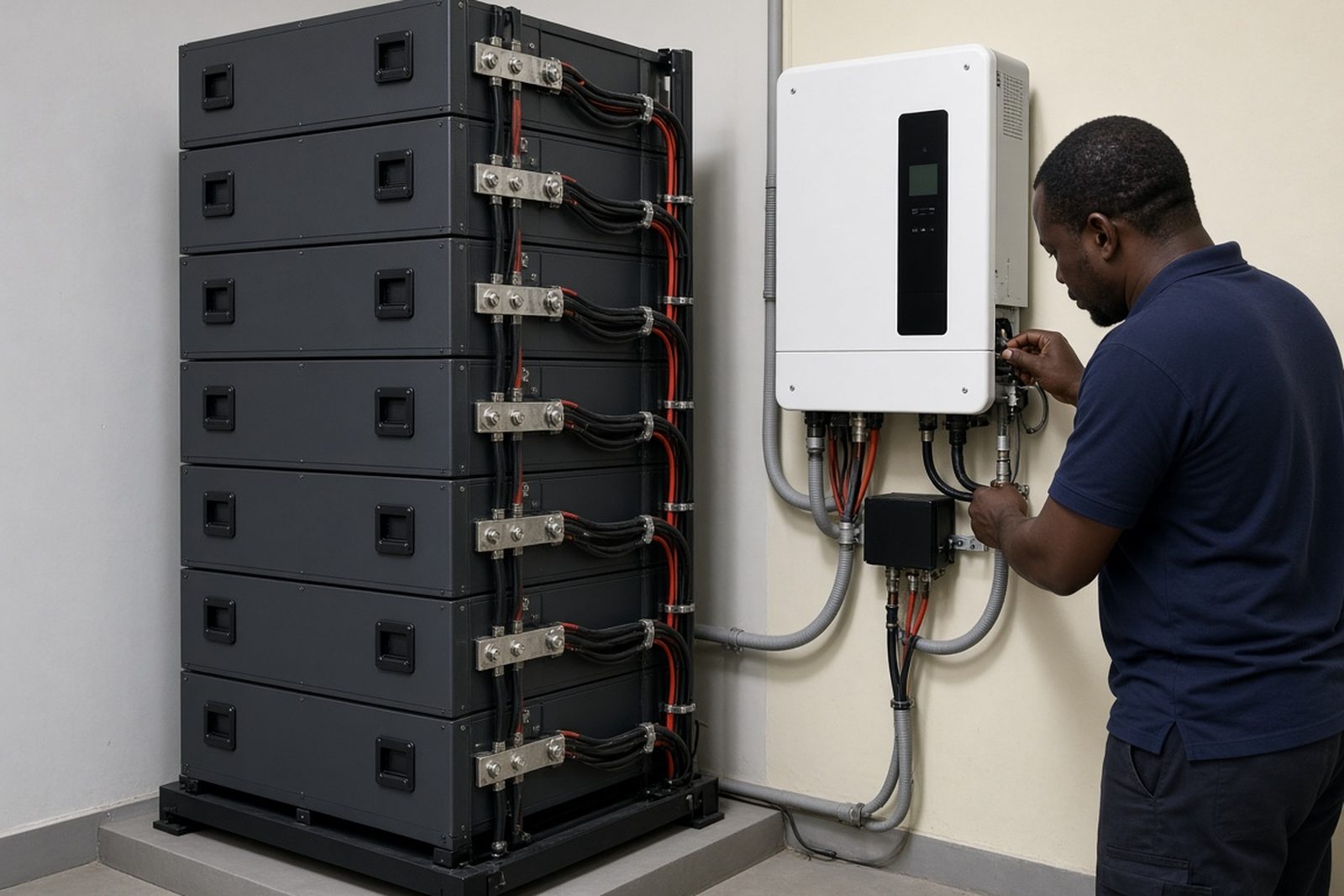
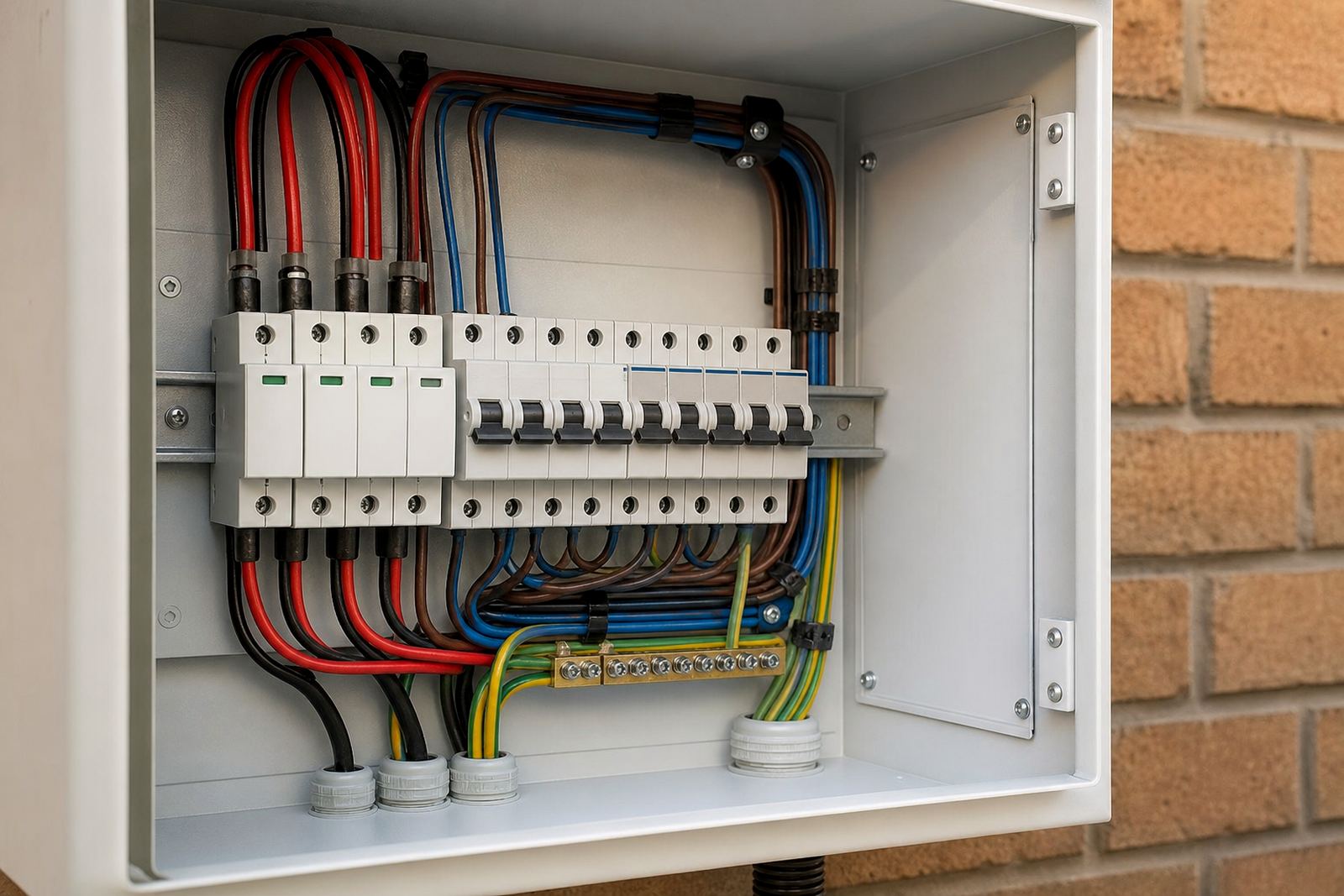
A surge protection kit is fitted to reduce the impact of sudden electrical disturbances before they reach sensitive backup components. In a load-shedding setup, that matters because inverters, lithium batteries, monitoring modules and changeover gear all depend on clean input and stable switching. If the incoming supply is erratic or a nearby strike causes a spike, protection devices can help divert excess energy away from the system.
For Randburg and the wider Johannesburg area, this is especially useful in mixed residential and commercial networks where short interruptions, restores and voltage fluctuations are common. It is not a cure-all and it will not stop every fault, but it does add a useful layer of defence for equipment that costs more to replace than a basic protection kit.
Where This Kit Suits Homes, Offices and Light Commercial Sites
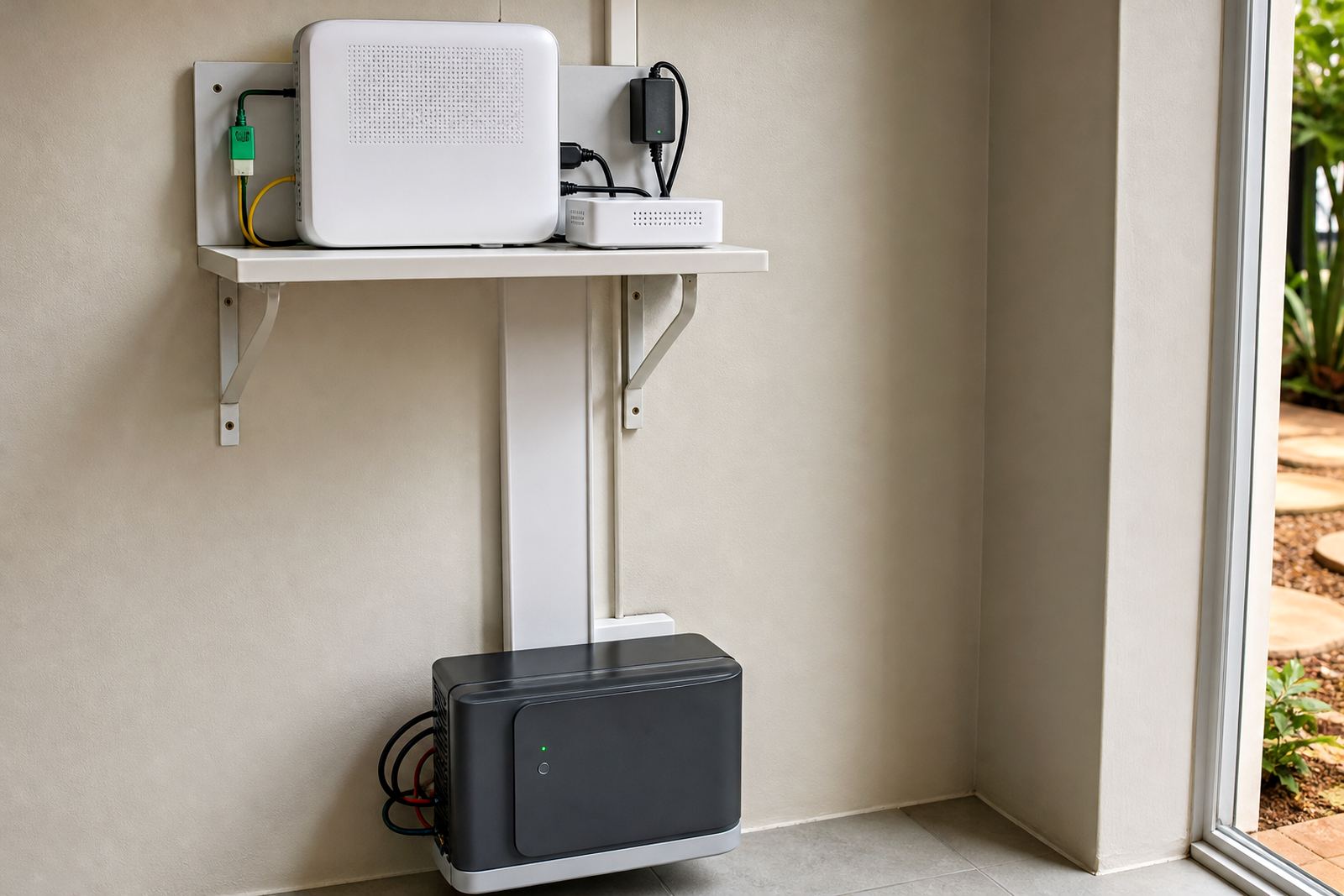
This kit suits properties using inverter backup for essential loads such as lights, Wi-Fi, gates, alarm panels, point-of-sale units and selected plugs. It is also suitable where lithium battery banks are used for longer runtime and the owner wants better protection around the inverter input, output and related circuits.
Typical applications include:
- Homes in Sandton, Fourways, Roodepoort and Midrand with frequent outages
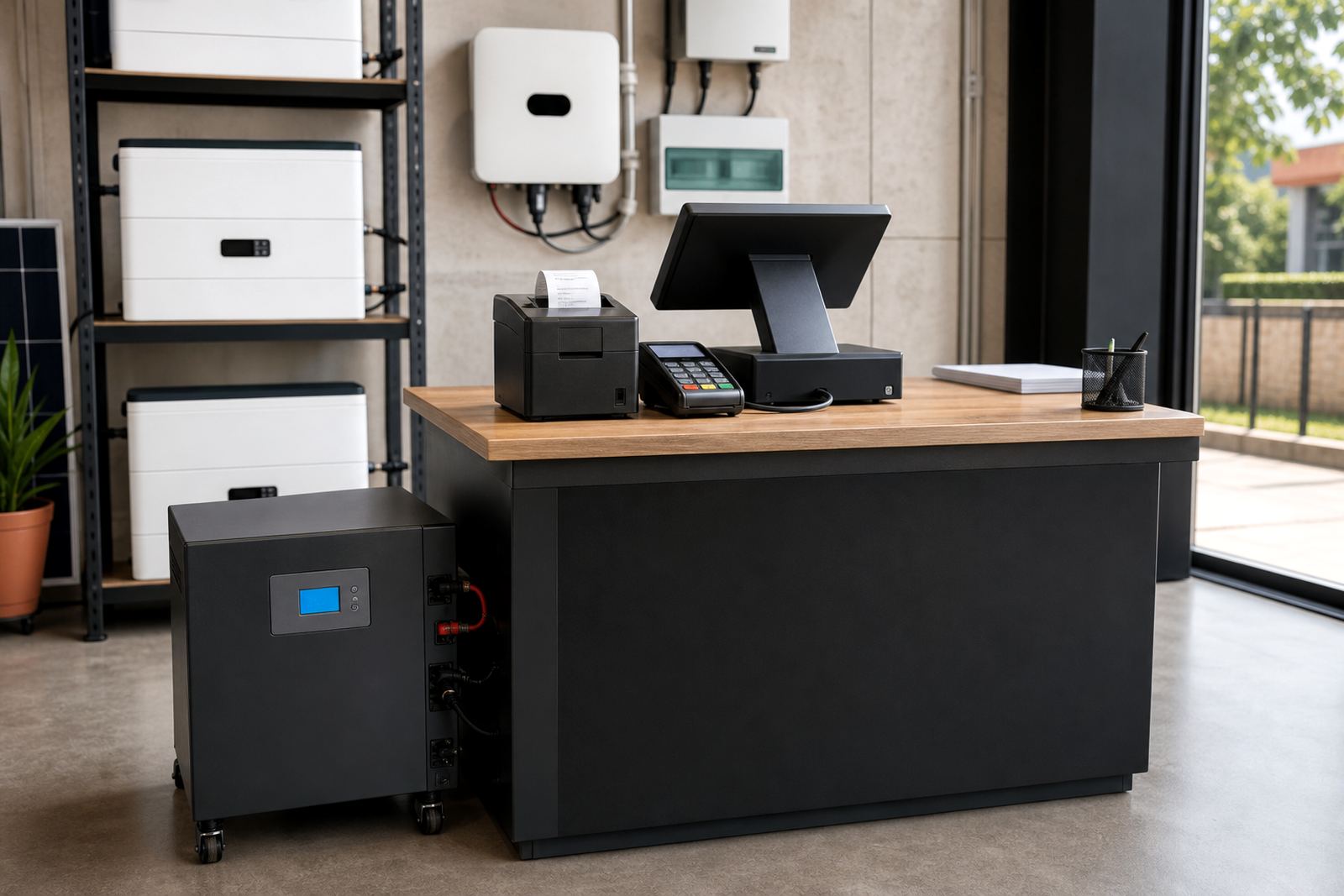
- Offices and shops that need backup for routers, computers and security systems
- Body corporates and sectional title properties with shared electrical rooms
- Light commercial sites that have switching between grid and backup sources
In coastal humidity this sort of protection can also help reduce stress on exposed terminals and fittings, though proper enclosure and maintenance still matter. The kit is only one part of a good installation, so cable routing, earthing and correct breaker selection need attention too.
Share what must stay on during an outage and the size of the property, and a backup planner will phone or message you.
Contact formSizes, Options and Common Protection Points
Surge protection is usually selected around the size and layout of the backup system, not just the inverter rating. Smaller homes may only need protection at the main backup distribution point, while larger systems may need separate devices on the incoming supply, inverter output and any sensitive communication lines. For three-phase premises, protection may be specified differently again, depending on the board layout and load mix.
Common options include:
- Single-phase protection for standard home and small office systems
- Three-phase protection for larger commercial or multi-unit sites
- Protection for AC input and AC output circuits
- DC-side protection where the installation design calls for it
- Auxiliary protection for monitoring equipment and comms lines
A good site assessment will confirm what is needed. A one-size-fits-all approach is seldom right, especially where the system has battery expansions, non-essential loads and separate essential circuits. In practice, the right choice depends on cable runs, board type and how the property is supplied.
Installation Requirements and Compliance in South Africa
Surge protection should be installed by a registered electrician who understands inverter backup systems and the relevant wiring rules. After installation, the work must be covered by a valid Certificate of Compliance where required. If the system is grid-tied or can export to the municipal supply, registration with the local municipality is also needed, so the paperwork should be handled properly from the start.
That process matters in Johannesburg, Pretoria, Centurion and surrounding areas where supply authorities may ask for clear drawings or proof of compliant installation. A neat installation also helps with future servicing because the electrician can test the protection points, confirm earthing and check that the devices are still doing their job.
Power supply conditions vary from suburb to suburb, and municipal rules can differ a bit between areas. A proper installation plan should take account of the existing distribution board, load-shedding schedule, and whether the site has a generator, gas cooking or other backup arrangements already in place.
Care, Servicing and When to Replace Protection Devices
Surge protection devices do not last forever. They work by absorbing or diverting excess energy, so over time their protective elements can wear down. After a major electrical event or repeated switching disturbances, the device may still look fine but no longer offer full protection. That is why routine checks are worth doing, especially on sites that have frequent power interruptions.
During servicing, look for:
- Indicator lights or status flags that show the device is active
- Signs of heat damage, cracking or discolouration
- Loose terminations or corroded lugs
- Water ingress in outdoor or poorly sealed enclosures
- Persistent nuisance trips after storms or grid changeovers
If a property is close to the coast, corrosion can shorten the life of fittings and enclosures, so maintenance intervals may need to be tighter. On commercial sites it is also sensible to include surge devices in the normal service schedule along with battery checks and inverter inspections.
What to Check Before You Order a Surge Protection Kit
Before ordering, it helps to know the system size, the inverter type, the number of phases and where the backup circuits are housed. You should also check whether the property has a municipal-approved grid-tied arrangement, whether the installation will support future battery expansions and whether there are any extra sensitive loads that need added protection. A quick site assessment can prevent buying the wrong unit or missing a key protection point.
Useful details to have ready:
- Inverter rating in kilovolt-amps or watts
- Battery bank type and whether it is lithium based
- Single-phase or three-phase supply
- Board location and cable route length
- Whether the site needs protection for communication lines
Clients across Gauteng often contact us through the enquiry form on our contact page for this kind of guidance. That is the easiest way to arrange sizing, installation support, fault checks or a review of an existing setup. If the system is already in place and giving trouble, we can also look at the protection stage as part of a broader backup assessment.
System at a glance
| Product type | Surge protection kit for inverter backup systems |
|---|---|
| Use case | Protection for backup equipment against spikes and switching disturbance |
| Suitable for | Homes, offices, shops and light commercial premises |
| Supply type | Single-phase and three-phase options depending on site |
| Installation | Must be installed by a registered electrician |
| Compliance | Certificate of Compliance required, municipal registration needed for grid-tied systems |