
What a 3kW inverter kit does in a home or small office
A 3kW inverter kit is used to supply backup power to selected circuits when the grid goes off. In simple terms, the inverter changes battery power into usable AC power for lights, plugs, WiFi, a TV, laptops and other modest everyday loads. It is not meant to run heavy heating equipment, large pumps, geysers or multiple high draw appliances at once. For many homes in Randburg, Sandton, Fourways and nearby areas, it is a sensible middle ground between a small emergency system and a larger whole home setup.
Most clients use this size to keep the essentials going through stage based load-shedding and short outages. It suits homes that want practical coverage without oversizing the system. In offices, consulting rooms, salons and small retail spaces, a 3kW kit can support point of sale, routers, a few lights and workstations, provided the load is planned properly.
Because conditions differ from house to house, backup sizing should always be done around the actual circuits you want to carry. Ceiling fans, microwave ovens, kettles, fridges and security gates all affect the final design. In Gauteng, where outages can come with hot afternoons and load spikes, careful sizing matters more than guesswork.
Typical kit sizes, battery options and useful add-ons
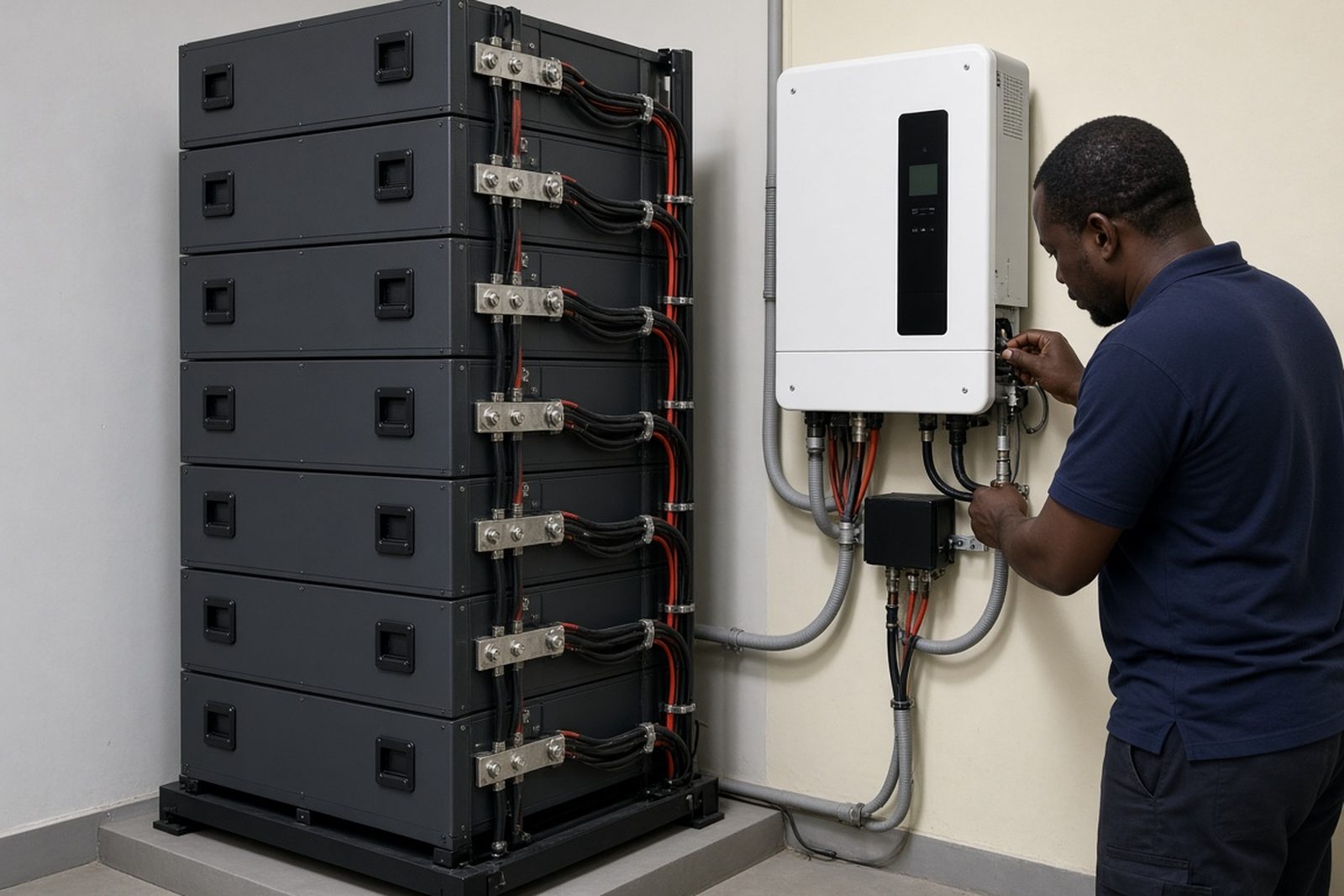
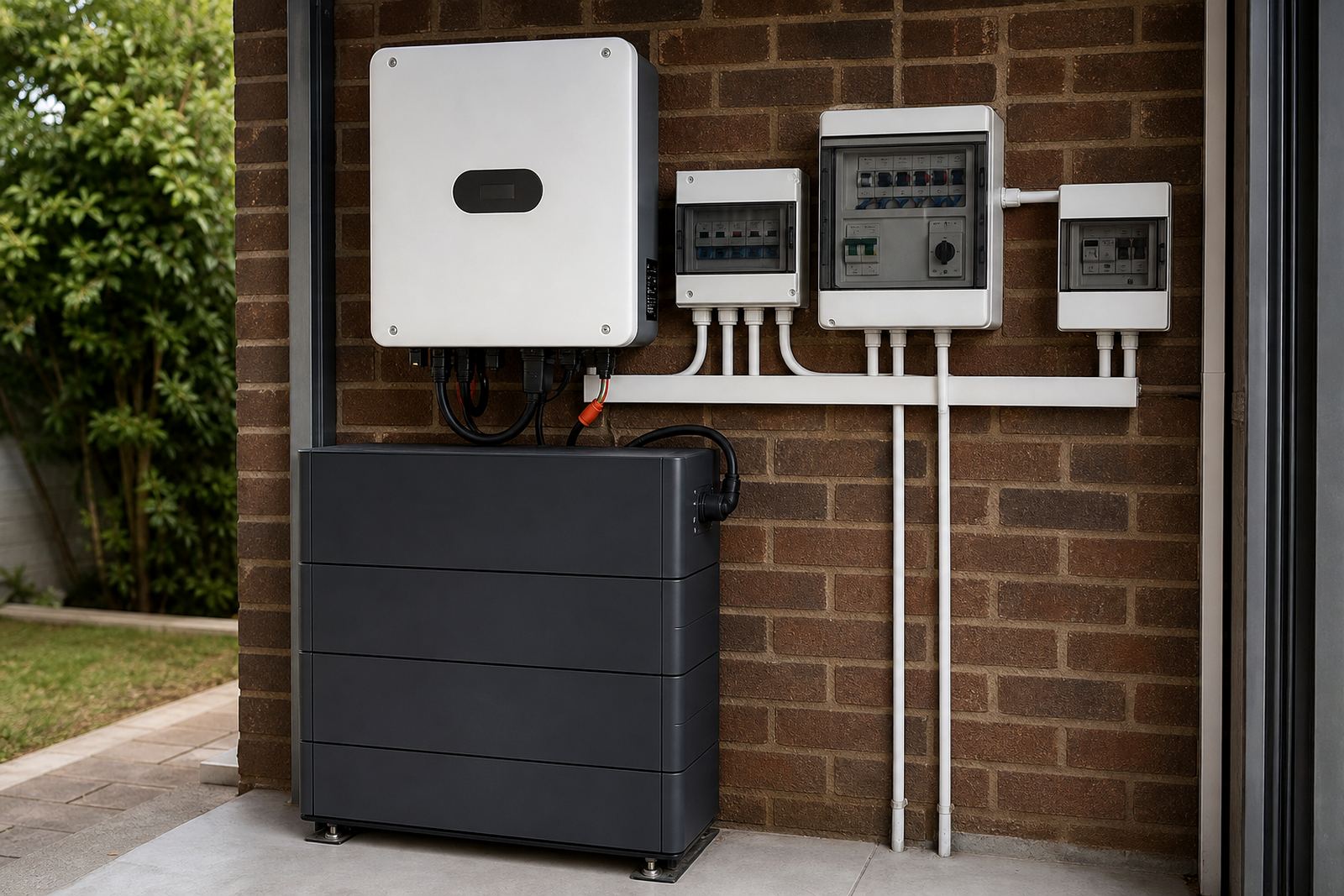
A 3kW inverter kit is usually paired with one or more lithium batteries, selected according to how long you need to stay powered and what your load looks like. The inverter itself is rated to handle around 3 kilowatts of output, but battery capacity determines how long that power lasts. A larger battery bank gives longer runtime, while a smaller one gives shorter backup for lighter loads.
- Inverter rating: 3kW continuous output, with surge capacity depending on the unit type
- Battery type: lithium battery bank, commonly lithium iron phosphate for backup use
- Battery capacity options: often built from one or more batteries depending on runtime needs
- Switching: manual or automatic changeover, depending on the installation design
- Monitoring: basic display or app based monitoring where supported
- Protection: DC and AC isolators, circuit protection and proper earthing
For homes in coastal humidity or dusty suburban garages, equipment placement matters as much as the product choice. Batteries should be kept in a clean, dry, ventilated space away from direct sun and water ingress. Inverter cupboards or utility areas should allow airflow and easy access for future servicing. If the system is to be expanded later, leave space for that from the start.
Share what must stay on during an outage and the size of the property, and a backup planner will phone or message you.
Contact formWhere a 3kW kit suits best
This size is well suited to a standard family home that wants backup for essential circuits only. It is also a practical fit for smaller offices, home based businesses and shared work areas that cannot stop completely during outages. If your load is mainly lights, WiFi, security, televisions, laptops and a small number of plug points, a 3kW kit is often enough when the wiring is planned carefully.
It is less suitable for homes that expect to run heavy appliances at the same time. A geyser, stove plate, kettle, hairdryer or air conditioner can push the system beyond what it is intended to do. If you have borehole pumps, workshop tools or a busy kitchen, a larger system may be needed.
As a rule, the following signs suggest that a 3kW kit may be a good match:
- You want essential backup only, not full house coverage
- Your loads are mostly low to medium demand
- You need a compact setup for a townhouse, cluster home or small office
- You want to reduce nuisance during rolling outages without overcomplicating the system
- You may expand later with additional battery capacity if usage changes
Installation, registration and compliance requirements
A 3kW inverter kit must be installed by a registered electrician. That is not only a safety matter, it is also part of proper compliance. The electrician should issue a certificate of compliance for the work done, and the installation should follow the relevant wiring rules. If the system is grid tied or able to feed back to the municipal supply, it also needs to be registered with the local municipality before use. This is especially important in Johannesburg, Pretoria and surrounding metro areas where connection rules are taken seriously.
For safety and long term reliability, the installer should check the existing distribution board, earthing, essential circuits and cable sizes before fitting the kit. Poorly planned changeover wiring can cause nuisance tripping, battery stress or unsafe backfeed conditions. Essential circuit wiring should be neat, labelled and easy to isolate if future fault checks are needed.
At PowerCut, the right starting point is a site assessment and backup sizing discussion. That helps determine whether your home in Midrand or Roodepoort needs only lighting and WiFi backed up, or whether selected plug circuits should be included as well. It also helps with practical details like cable runs, wall mounting space and whether the system should go in a garage, store room or utility area.
How to use and care for the system day to day
A lithium battery based backup system is low maintenance, but it still needs sensible care. Keep the area around the equipment clean and dry, and avoid stacking items against the inverter or blocking vents. If the system is fitted in a garage or outside storeroom, check for heat build up in summer and damp during the rainy season. In busy commercial sites, routine inspection helps catch loose connections or warning lights early before they become a bigger fault.
Most systems benefit from occasional checks on battery state of charge, visible cable condition and any alerts on the display. If the inverter trips repeatedly, shuts down early or does not switch correctly during outages, it may need fault checks or a settings review. Battery expansions should be planned carefully so that added capacity matches the existing battery chemistry and inverter limits.
Good care is simple:
- Keep the inverter area ventilated and dust free
- Do not overload the backup circuits with kettles or heaters
- Check battery status after long outages
- Book routine servicing if the system is used daily
- Ask for monitoring setup if you want clearer usage information
Before you buy a backup system
Before ordering a 3kW inverter kit, confirm the exact loads you want to run and how long you want them backed up for. This is the main step that prevents under sizing or over sizing. It also helps determine the battery capacity, mounting arrangement and whether a changeover switch or full essential circuit board is needed. If you are unsure, list the appliances you want to keep on during load-shedding and note their wattage where possible.
It also helps to know whether your property has single phase supply, where the distribution board is located, and whether the installation space is indoors or outdoors. In Randburg and Sandton, compact indoor installations are common. In some Centurion and Midrand properties, garages and outbuildings are used instead, so moisture protection and cable routing become part of the job. If the property already has solar or another backup system, mention that as well so the design can be matched properly.
- Confirm which circuits must stay on
- Check whether you need short backup or longer runtime
- Note if the property is residential or commercial
- Share any existing solar, generator or backup equipment
- Ask for compliance support and commissioning after installation
If you are buying for a home or small business across Gauteng, a 3kW inverter kit is often a practical starting point. It gives useful coverage for essential loads, but only when the sizing, installation and compliance are handled properly. That is the difference between a system that simply switches on and one that works the way it should through repeated outages.
System at a glance
| Inverter size | 3kW continuous output |
|---|---|
| Battery type | Lithium battery backup system |
| Typical use | Essential household circuits |
| Supply area | Gauteng, including Johannesburg and Pretoria |
| Installation | Registered electrician required |
| Compliance | Certificate of compliance and municipal registration if grid tied |