What a battery expansion pack does in a backup system
An expansion pack is an additional lithium battery module linked to an existing inverter system to increase usable storage. In simple terms, it gives you more hours before the battery reaches its low cutoff, which matters when outages run longer than expected or when your evening load is higher than usual. This is useful for a Randburg home that wants better coverage for lights and internet, or a small office in Midrand that needs the point-of-sale unit, router and a few workstations to stay on through stage changes.
These packs are normally used where the inverter is still suitable, but the battery bank no longer matches the household or business demand. Rather than replacing the inverter, the system can be expanded with matching battery modules where the inverter and battery management settings allow it. The key is correct compatibility, proper cable sizing, and setup that suits your daily load. If the system is pushed too hard, you get unnecessary strain, shorter battery life, and less reliable runtime.
Expansion packs are commonly chosen when load-shedding becomes more frequent, when a family works from home, or when a business wants a little more protection for essential circuits. They are also helpful for places with coastal humidity travelling inland through the seasons, or for properties where power cuts hit at busy times and charging devices, security systems and gate motors all need coverage.
Sizes and battery options for longer runtime
Battery expansion packs are usually specified by battery capacity, usually measured in kilowatt-hours. The right size depends on your inverter capacity, the type of battery already installed, and what you want to keep running. A single module may be enough for a modest uplift, while larger homes or offices often need multiple modules arranged as a matched bank. The inverter must be able to handle the battery voltage and charging profile, otherwise the extra storage will not be used properly.
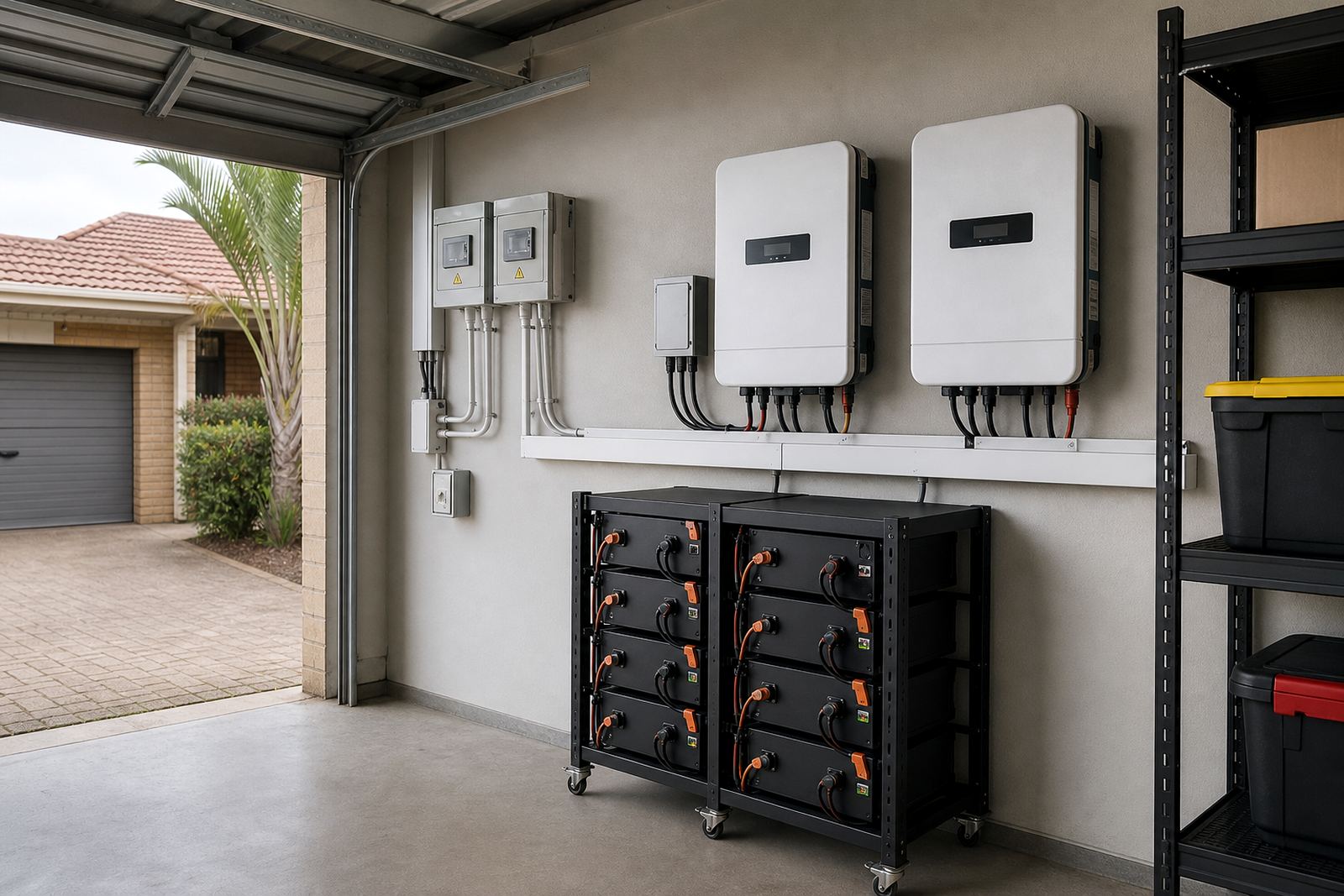
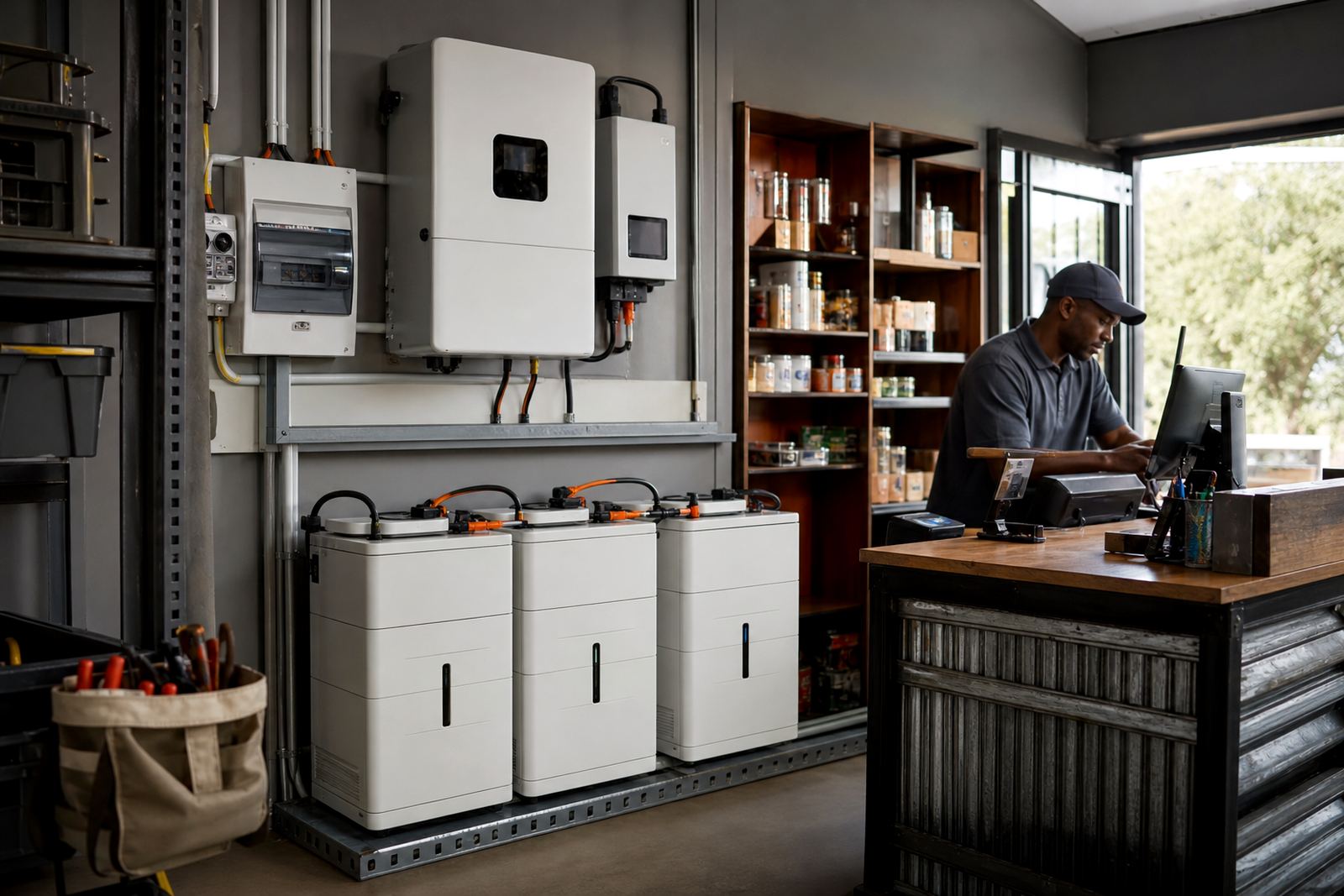
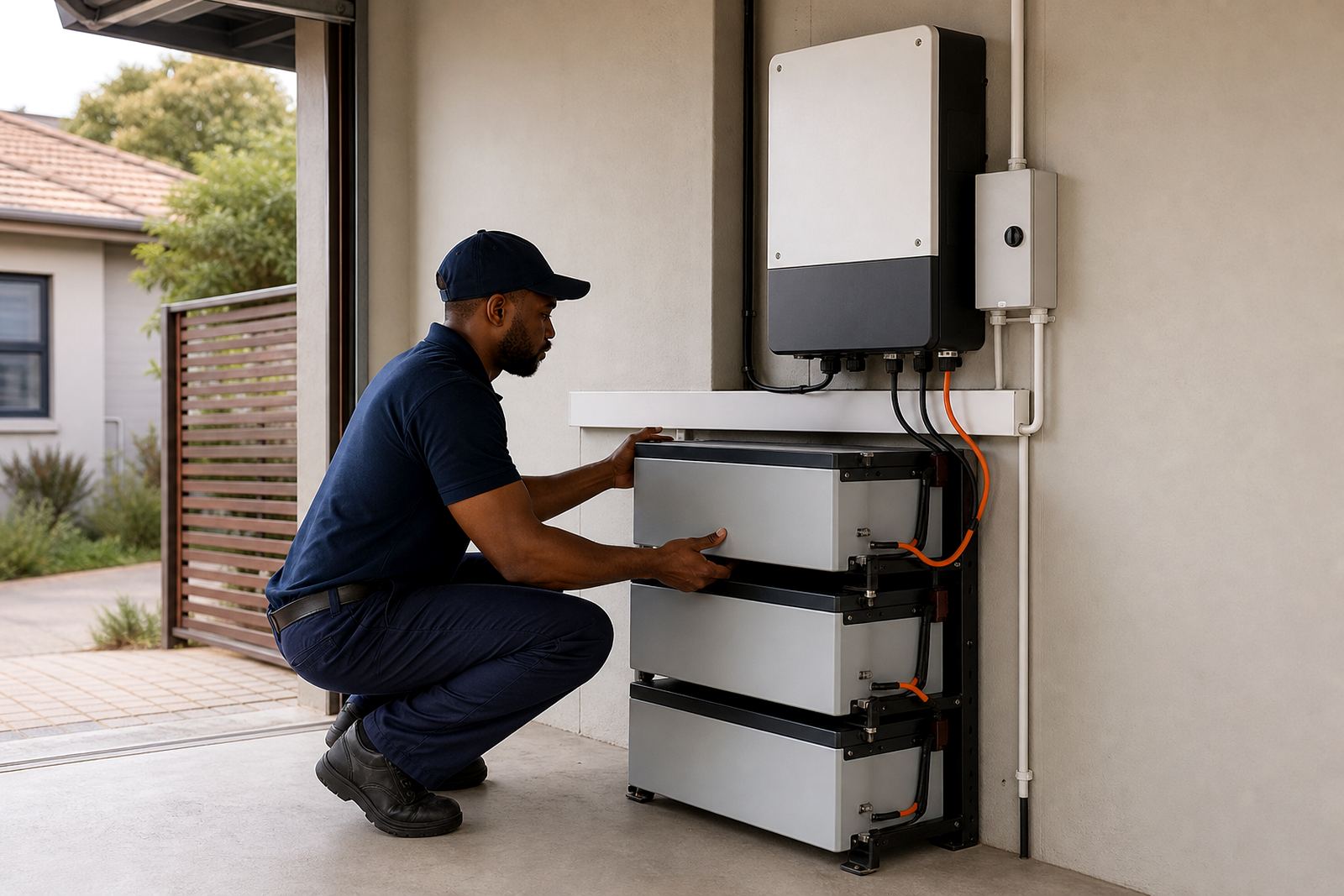
Common options include wall-mounted lithium modules, rack-mounted modules, and stackable battery banks. Lithium batteries are preferred for most expansion work because they charge faster, tolerate regular cycling better, and take up less space than older battery types. In a garage or storeroom in Roodepoort or Centurion, that neat footprint matters. For clients with limited space, a compact wall-mounted unit can be easier to place near the inverter, while a rack setup can suit a larger plant room or back office.
- Entry-level expansion for longer evening runtime on essentials only
- Mid-size add-on for homes with lights, Wi-Fi, TVs and security loads
- Larger modular banks for small businesses with longer operating hours
- Parallel battery groups for systems designed to scale over time
- Matching modules where the existing inverter already supports expansion
Share what must stay on during an outage and the size of the property, and a backup planner will phone or message you.
Contact formWhere a battery expansion makes the most sense
This product suits clients who already have a working inverter and want longer backup without starting from scratch. It is a sensible choice for homes in Pretoria, Sandton and Fourways where the family wants the evening routine to continue through load-shedding, and for businesses in Sandton, Johannesburg CBD edge areas or Pretoria that need essential equipment to stay live a bit longer. It is also useful for properties where the backup system was sized for basic loads at first, but usage has increased over time.
Expansion packs are often installed to cover one or more of these needs: more hours for lighting and internet, better support for a fridge or freezer, longer office uptime, and reduced pressure on the inverter during repeated outages. They also suit sites where the owner wants to avoid replacing the inverter just to gain extra storage. If the inverter is undersized, though, adding battery alone will not solve the problem. The whole setup still has to be checked against the current load and future use.
- Homes with longer evening power cuts and family routines that cannot pause
- Small offices that need more than a short bridge to keep essential systems alive
- Retail counters, pharmacies and consultation rooms with priority circuits
- Properties where battery runtime has dropped and the inverter is still serviceable
Installation, wiring and compliance for added battery storage
Battery expansion work must be done by a registered electrician, and the finished installation needs a certificate of compliance. If the system is grid-tied or can feed back to the municipal supply, it also needs the correct municipal registration and approval process followed. This matters in Gauteng and in municipal supply areas around Johannesburg and Pretoria where rules around embedded generation and backup systems are taken seriously.
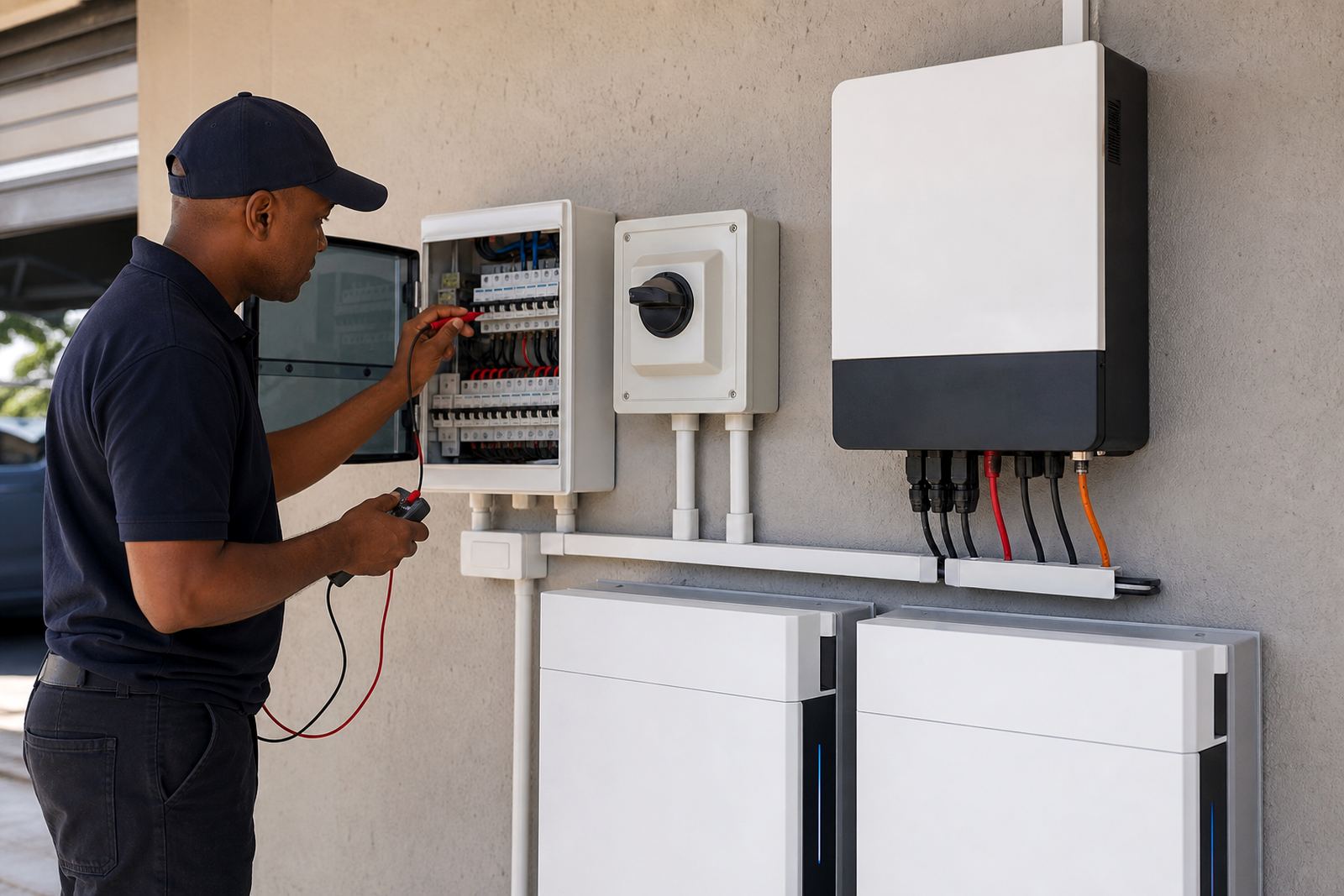
During installation, the technician checks battery compatibility, cable size, DC protection, ventilation, isolation, and the inverter settings for charging and discharge limits. The batteries should be placed where the floor is level, dry and well ventilated, with enough clearance for service access. In many homes a garage or utility room works well, but in commercial properties a dedicated plant area is better. Where extra circuits are added, essential circuit wiring may be needed so the backup only supports what truly matters during outages.
Good installation also means neat labelling, correct earthing, and the right breakers or isolators. If the expansion pack is being added to a system that already handles changeover or monitoring, the commissioning stage should confirm that the display, app or monitor reads the battery bank correctly. A rushed add-on can create nuisance trips, poor charging, or uneven battery wear, which is why proper setup is worth doing right the first time.
Care, servicing and everyday use
Lithium batteries are low-maintenance, but they are not no-maintenance. They should be kept clean, dry and within the temperature range recommended for the system. Dust build-up around vents and terminals can cause problems over time, especially in garages, storerooms or back rooms that also carry general household clutter. If the site is coastal, humid air and salt exposure can affect fittings and enclosures if the area is left open to the weather.
Routine servicing helps catch loose terminals, cable wear, unbalanced modules and settings that no longer match the load. It also helps when a household adds a new appliance or a business changes trading hours and the battery bank suddenly works harder than before. For best results, do not leave the expansion pack in a hot enclosed space, do not block airflow, and do not ignore warning lights or repeated low-voltage cutoffs. Small issues tend to show up as reduced runtime first, then as shutdowns.
- Keep the area clean and dry with clear access for inspection
- Watch for warning lights, alarms or unexpected shutdowns
- Book routine checks after load changes or new appliance additions
- Let a technician confirm settings after any battery bank expansion
What to check before ordering your expansion pack
Before ordering, check the inverter model, battery voltage, current battery type, and whether the present system can accept additional modules. You should also know which loads you want to keep on during an outage, because this affects the size of the pack and whether a larger battery bank or a change to the essential circuits is needed. A clear list of loads helps avoid over-ordering or under-sizing.
It also helps to note where the equipment will be installed, how much wall or floor space is available, and whether the room is dry, secure and easy to reach for servicing. If the site has frequent load-shedding, short outages are one thing, but extended outages are another and the battery size should reflect that. For businesses, think about opening and closing times, security equipment, network equipment and any machinery that must stay online long enough to shut down properly. The right battery expansion pack should fit the real use case, not just the label on the box.
When clients contact PowerCut through the enquiry form on our contact page, we can help assess the present system and advise whether a battery expansion is the right step or whether a broader backup adjustment is needed. That may include site assessments, backup sizing, installation support, commissioning and routine servicing across Randburg, Johannesburg, Pretoria, Centurion, Midrand, Roodepoort, Sandton and Fourways.
System at a glance
| Product type | Add-on lithium battery module for existing inverter systems |
|---|---|
| Typical use | Extending backup runtime without replacing the inverter |
| Compatible setups | Selected single-phase and hybrid systems, subject to assessment |
| Storage format | Wall-mounted, rack-mounted or stackable modular options |
| Installation requirement | Registered electrician and certificate of compliance required |
| Compliance note | Grid-tied systems must be registered with the municipality where required |