
What a 15kWh lithium bank does in a backup system
A 15kWh lithium bank stores electrical energy for use when the supply goes off, then feeds that energy to an inverter which converts it into usable power for lights, plugs, routers, gate motors and other chosen circuits. In practice, it suits households with higher daytime use and businesses that need stable backup for stock rooms, small offices, point of sale equipment or communications. It is not a one-size-fits-all answer, because the right setup depends on your load, how long you need backup for and whether you are running single-phase or three-phase supply.
For many properties in Randburg, Sandton, Fourways and nearby areas, the 15kWh class works well when the goal is to keep the essentials going through repeated load-shedding slots. It can also be paired with solar input where the property has suitable roof space and the municipal rules allow the system configuration. A proper backup plan should always start with the loads, not the battery size.
- Stores 15kWh of usable energy in a lithium battery bank setup
- Works with compatible inverters and protection equipment
- Best for essential circuits, not whole-building heating or heavy motors
Typical sizes, module options and system pairing
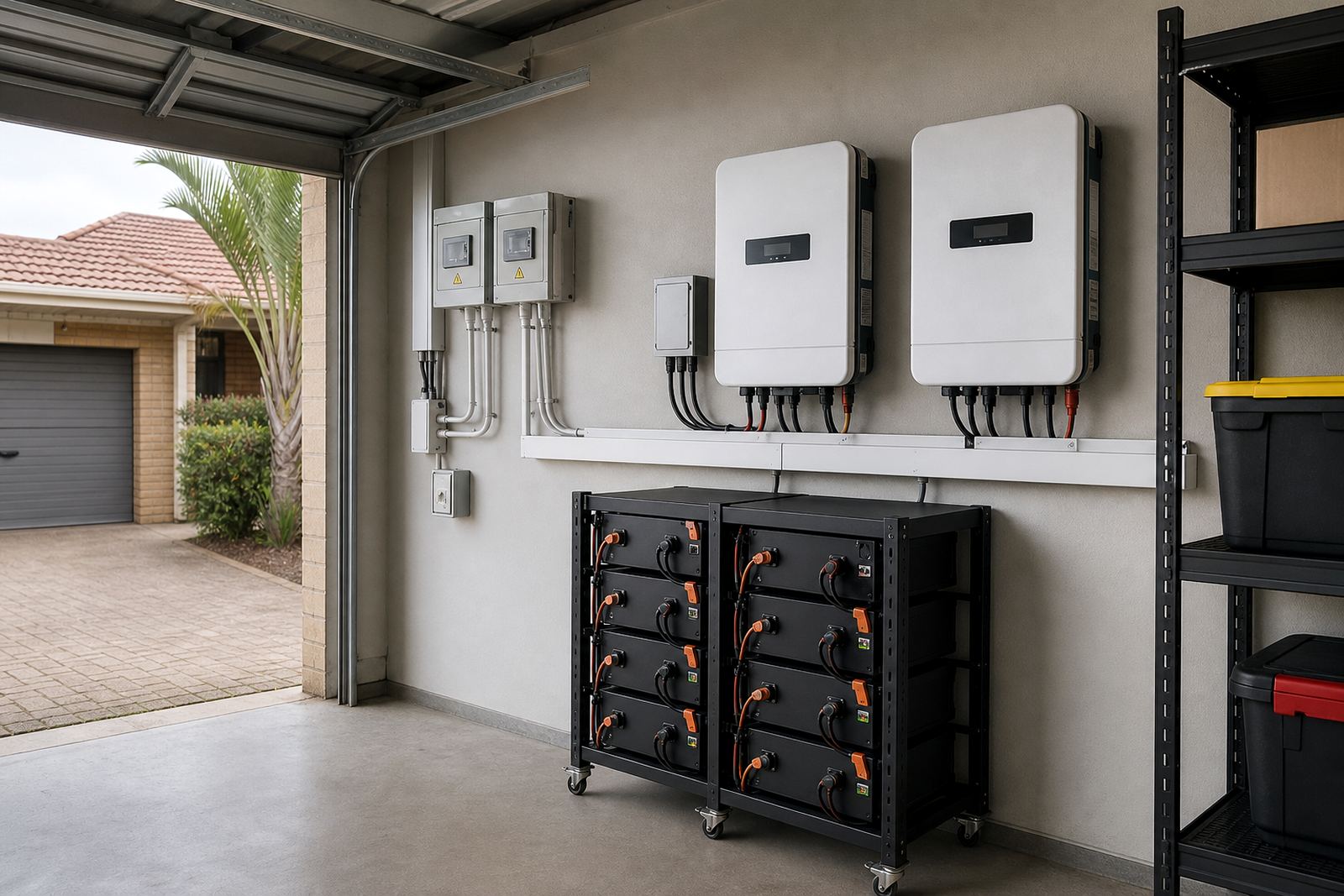
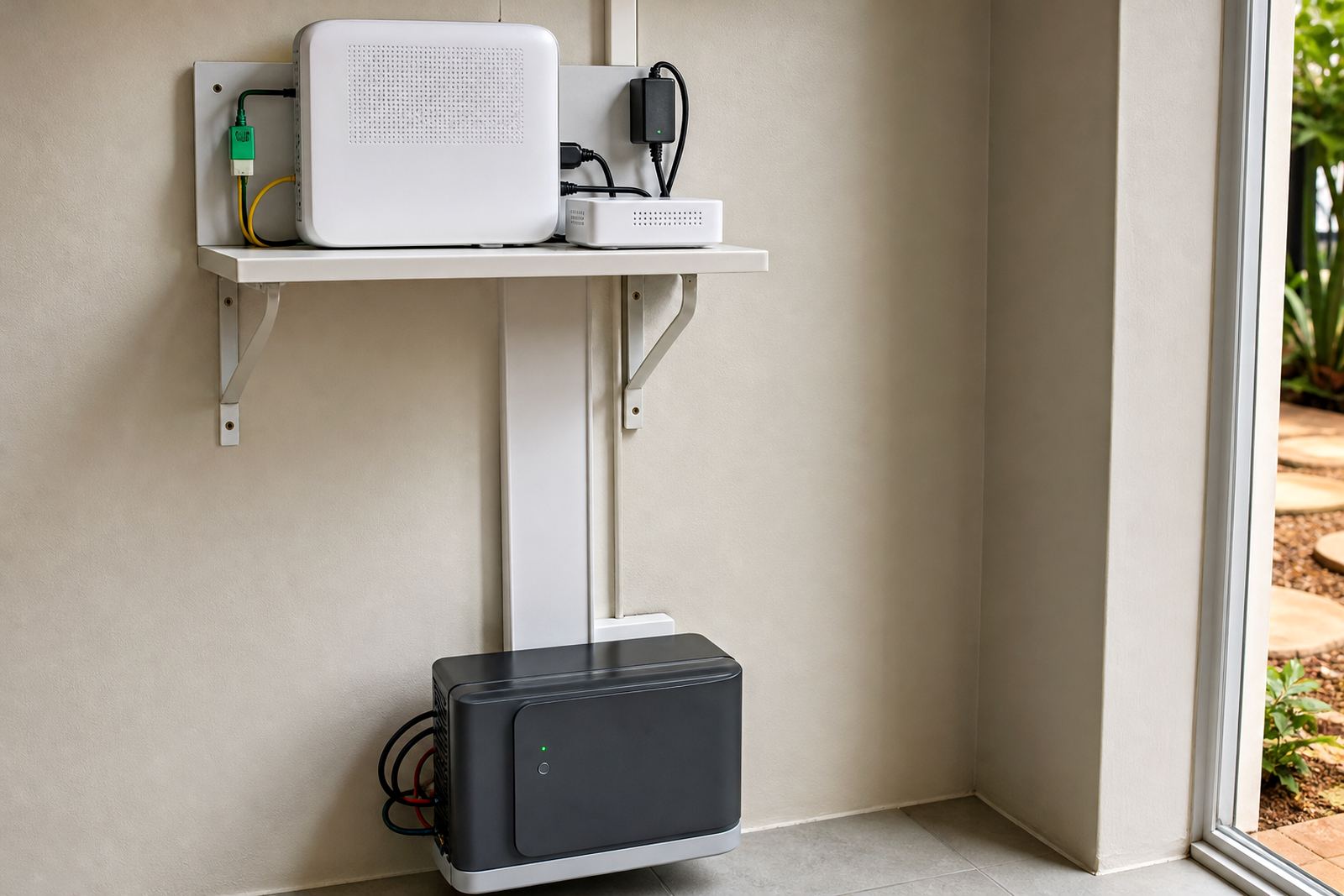
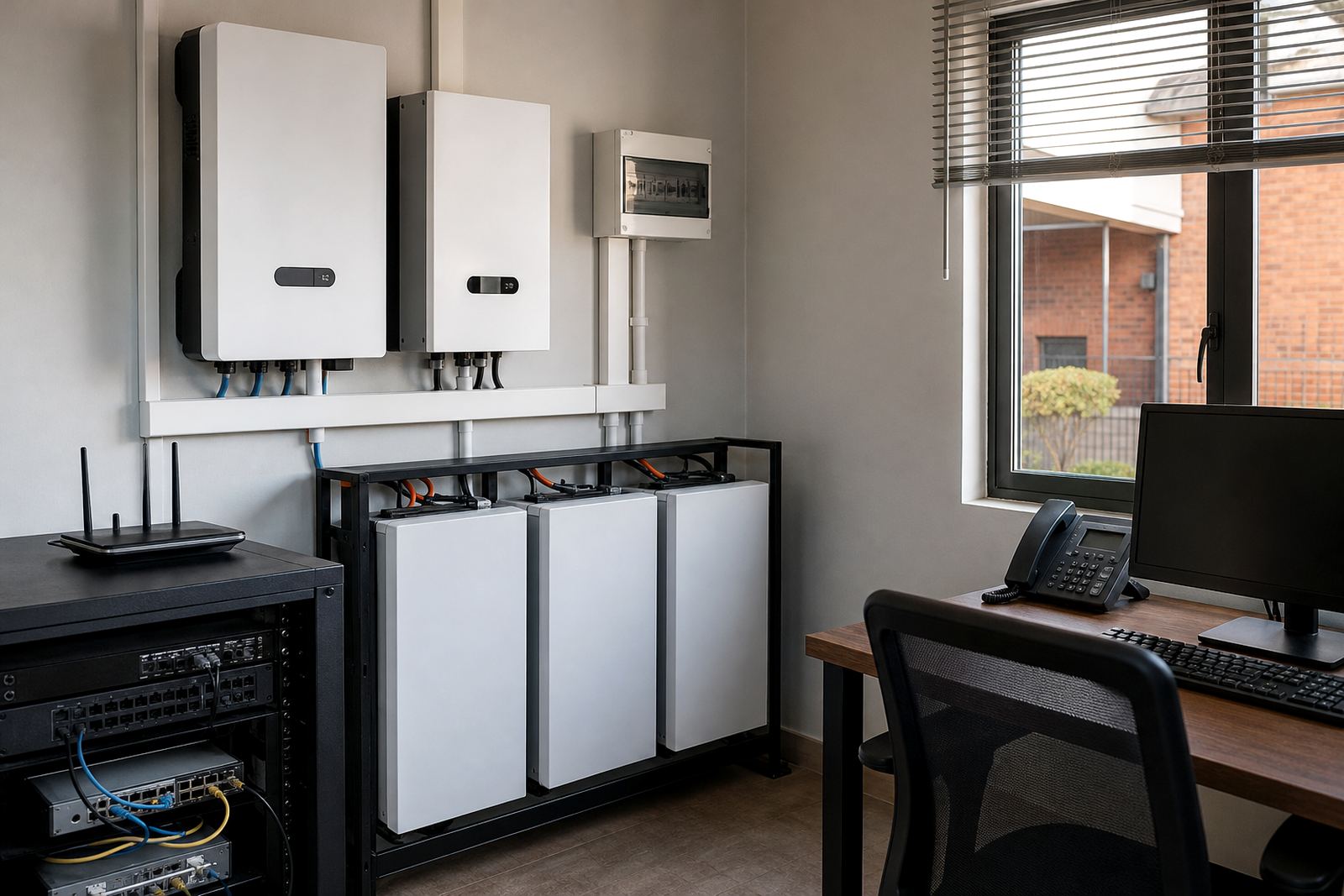
A 15kWh bank is often made up of one large battery unit or more than one module connected together, depending on the equipment chosen and the installer’s design. The exact arrangement will vary by voltage, inverter brand compatibility and whether the property needs a wall-mounted or rack-based layout. In many installations the battery bank is paired with a 5kW, 8kW or 12kW inverter, but the correct match must be confirmed from the actual load list. Bigger is not always better, and an oversized battery can leave other parts of the system poorly matched.
For homes and businesses in Gauteng, common options include systems designed for moderate daily cycling, faster recharge after an outage, and installations that can be expanded later. If you already have backup equipment in place, the existing charger, cabling and protection devices need checking before adding capacity. That avoids nuisance trips and poor performance when the grid goes off again.
- Single module or multi-module battery bank configurations
- Common system voltages depend on the inverter design and battery management setup
- Expansion planning should allow for future battery additions if needed
Share what must stay on during an outage and the size of the property, and a backup planner will phone or message you.
Contact formWhere a 15kWh bank suits best in Gauteng
This size is a strong fit for larger homes with fridges, freezers, internet equipment, TVs, security systems and a few plugs that must stay live during load-shedding. It also suits active businesses such as small offices, consulting rooms, studios and retail spaces where short outages can disrupt work, phone charging and network equipment. In coastal humidity is not the main concern in Gauteng, but heat, dust and poor ventilation still matter because batteries should not be installed in cramped cupboards with no airflow.
In areas like Pretoria, Midrand, Roodepoort and Centurion, the most useful installations are usually the ones designed around essential circuits only. That means lights, Wi-Fi, alarms, routers, office PCs and a few selected sockets rather than geysers, stoves or heavy workshop machines. If you need backup for lifts, pumps or commercial refrigeration, the design becomes more specialised and needs a careful site assessment. A quick guess is not enough.
- Larger homes with essential load-only backup requirements
- Offices, consulting practices and light commercial premises
- Properties wanting longer runtime through repeated outages
Installation requirements, wiring and compliance
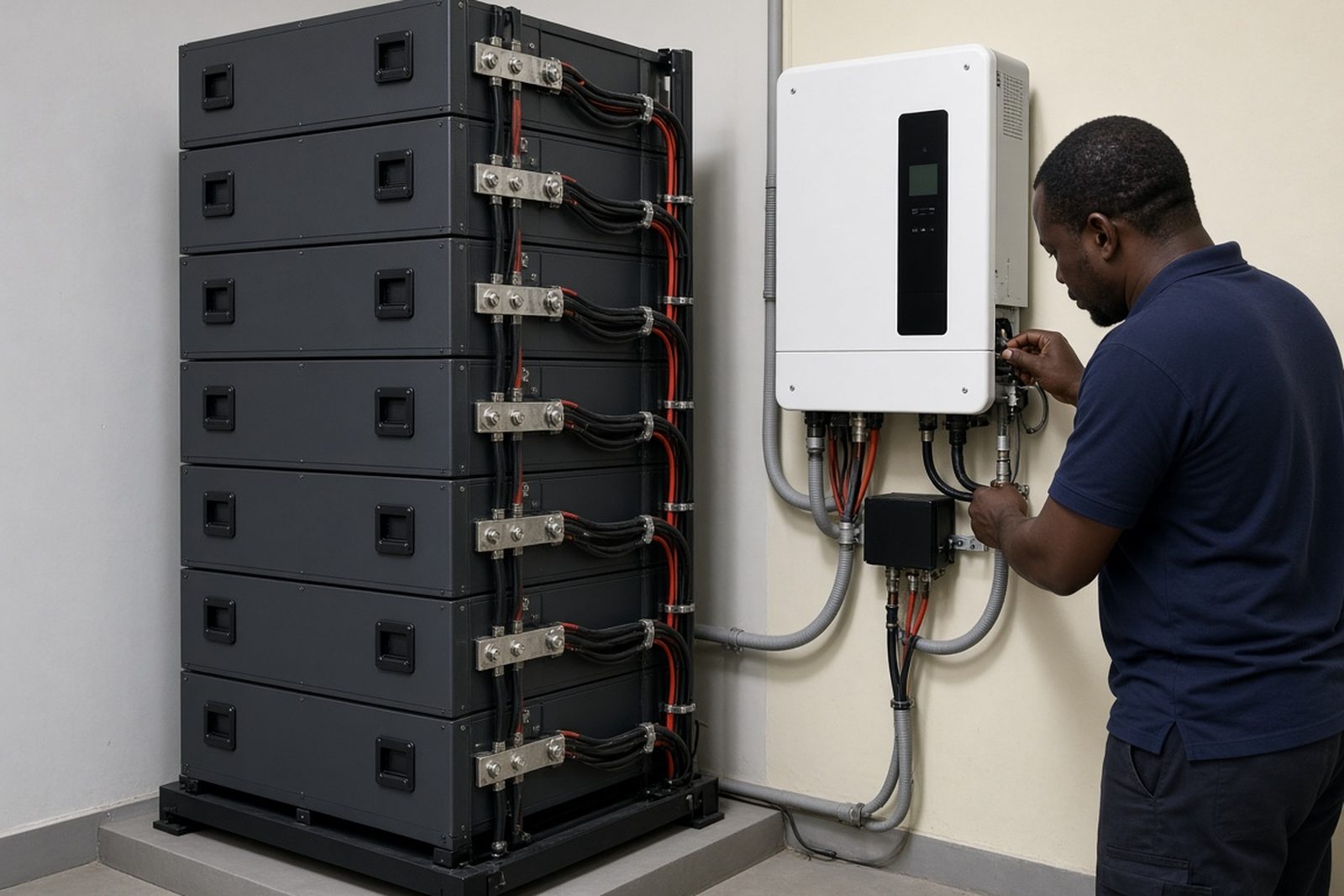
Battery banks must be installed by a registered electrician, and the installation must be supported by a valid certificate of compliance. Where the system is grid-tied, or any part of the installation can feed back into the municipal network, registration with the local municipality is required. This is not optional. A correct installation protects the inverter, battery bank and the property wiring, and it also helps with insurance and later maintenance.
The battery bank should sit in a dry, secure and well-ventilated area with enough space for inspection and safe access to isolators, breakers and cabling. The installer must check cable sizing, DC protection, earthing, enclosure type and the layout of the essential loads board. Poor terminations are a common cause of faults and heat build-up. In our work, we also check whether the property has adequate room for future battery expansion and whether the changeover method suits the way the building is used.
- Registered electrician required for all installations
- Certificate of compliance needed after installation
- Municipal registration applies to grid-tied systems
How to look after lithium batteries over time
Lithium batteries need less day-to-day attention than older battery types, but they are still equipment that benefits from proper care. Keep the area cool, clean and free of damp, and do not block airflow around the unit. If the system is used daily during load-shedding, regular checking of connection points, firmware or monitoring settings and charger behaviour helps keep things in order. The battery management system handles safety functions, but it still relies on a clean installation and correct charging settings.
Routine servicing should include a look at cable tightness, signs of heating, dust build-up and whether the inverter is charging the bank as expected after an outage. In business settings, it is worth checking that the battery still covers the right essential circuits after any office changes. A printer added here or a second fridge there can alter the run time more than people expect, so it pays to review the setup now and then.
- Keep the battery area cool, dry and well ventilated
- Check monitoring readings and charger behaviour regularly
- Reassess the load after adding new appliances or equipment
What to check before you order a 15kWh bank
Before choosing this size, list every essential appliance you want backed up and note which items must stay on during a four-hour or longer outage. Then check whether the current inverter can support the battery voltage, battery communication protocol and charging current. If the present inverter is too small, the battery bank will not solve the problem on its own. The full system has to be designed as one unit, not assembled by guesswork.
You should also check the site conditions and the practical details. Is there a safe wall or floor position? Is the building in a complex with rules about equipment placement? Does the supply need a changeover switch or a full essential load board? If the property is in Johannesburg, Sandton or Fourways and already has backup equipment, we can also check whether a battery expansion is possible without replacing everything. Good planning avoids wasted cable runs and helps the system work as intended from day one.
- Load list and required runtime
- Existing inverter compatibility and charger settings
- Space, ventilation, access and compliance requirements
System at a glance
| Capacity | 15kWh lithium battery bank |
|---|---|
| Use case | Extended backup for larger homes and active businesses |
| System type | Compatible with selected inverter and changeover setups |
| Installation | Registered electrician required, with CoC |
| Compliance | Municipal registration needed for grid-tied systems |
| Service area | Randburg, Johannesburg, Pretoria, Centurion, Midrand, Roodepoort, Sandton and Fourways |