
Server room backup for critical running time
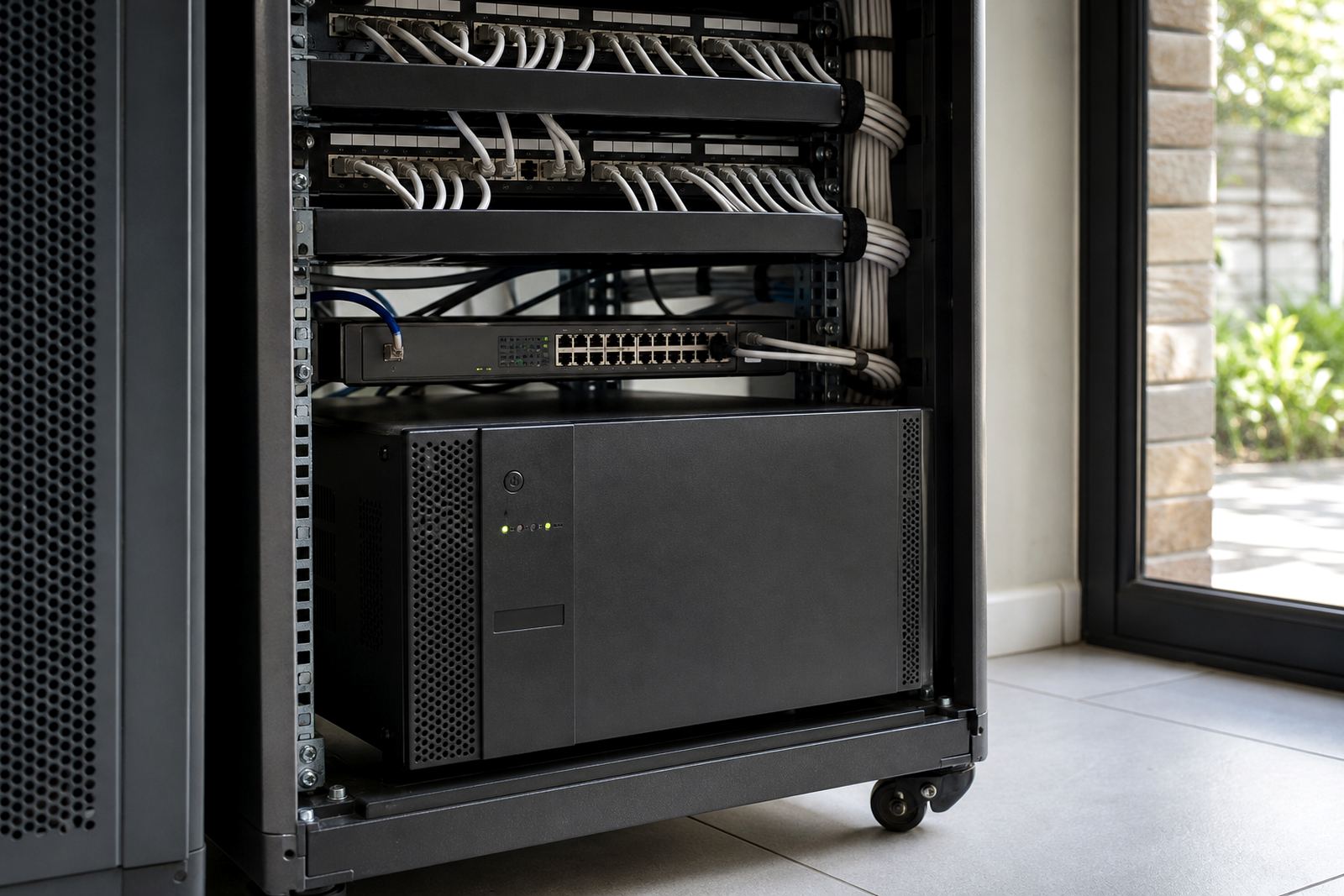
A server room backup system is set up to keep essential equipment going when the grid drops out. It is normally sized for networking gear, routers, switches, fibre termination boxes, CCTV recorders, access control panels and selected server equipment that can be supported without overloading the system. The aim is not to power every item in the room, but to keep the critical loads alive long enough for staff to stay connected and for systems to shut down properly if needed.
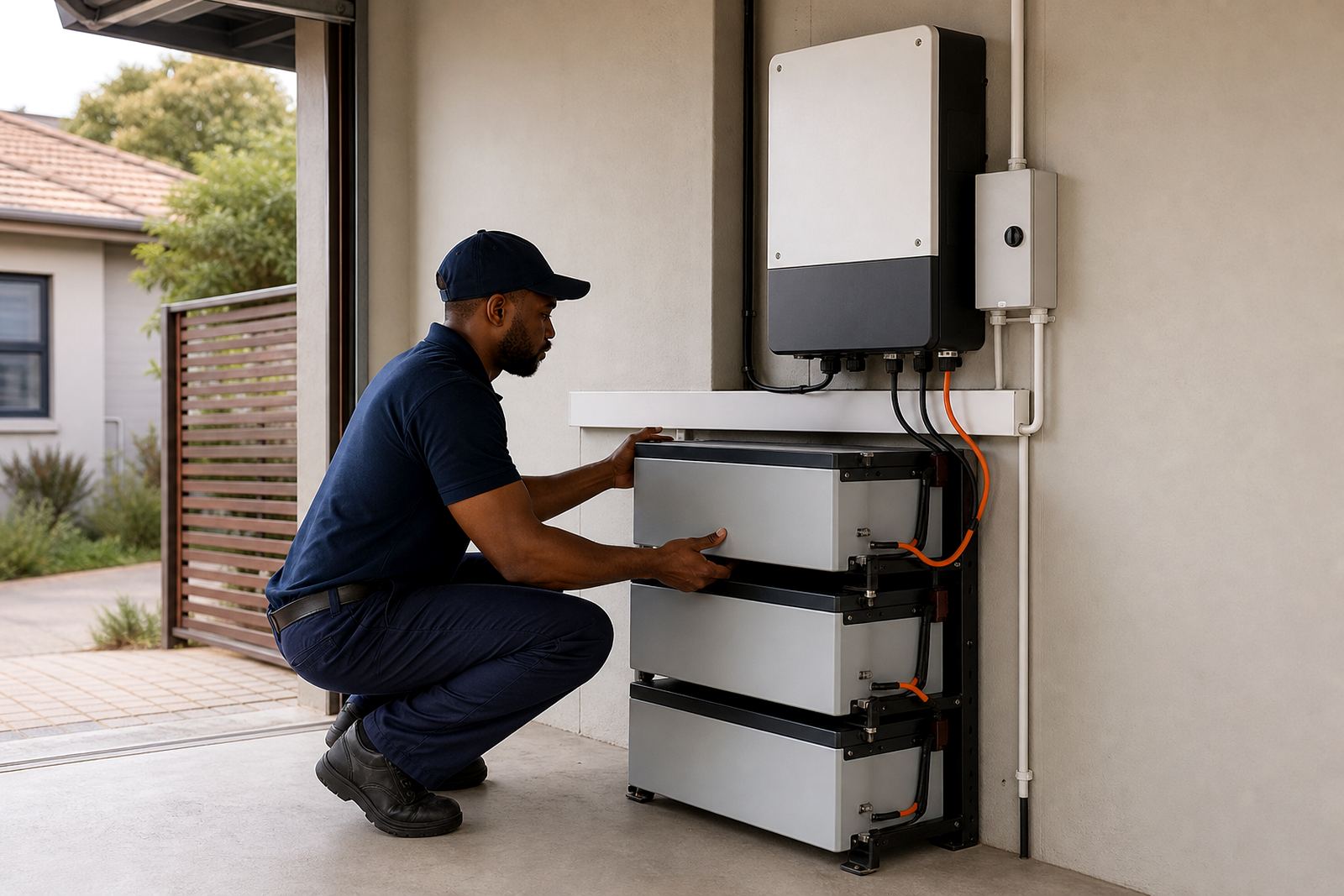
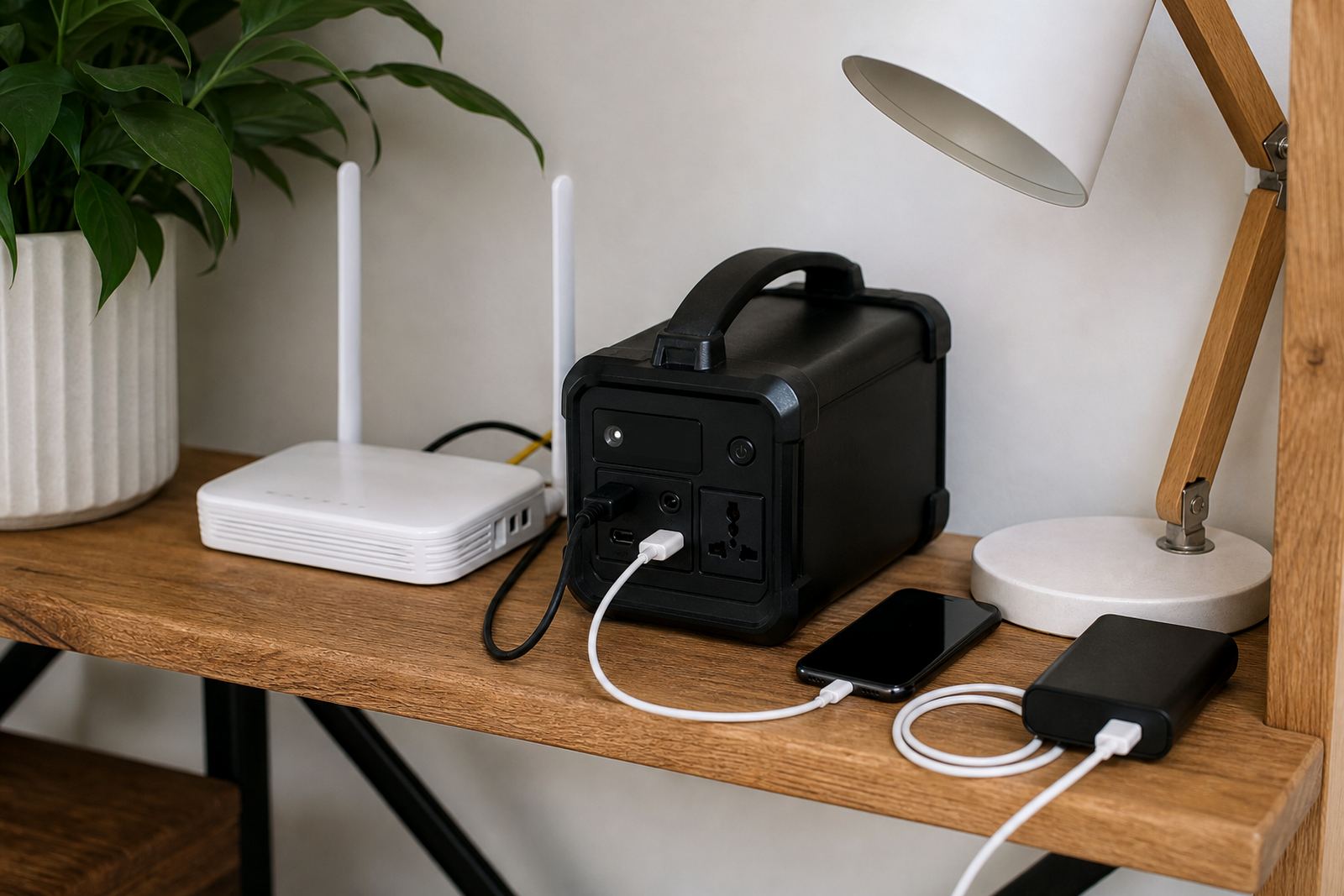
For many sites in Johannesburg, Randburg, Sandton and Midrand, the biggest issue is not just load-shedding. Voltage dips, repeated switching and long outages can cause failures on sensitive equipment. A correctly sized inverter and lithium battery setup gives cleaner backup than a small portable unit, and it can be tailored to the real load profile of the room.
Sizes and options for different server loads
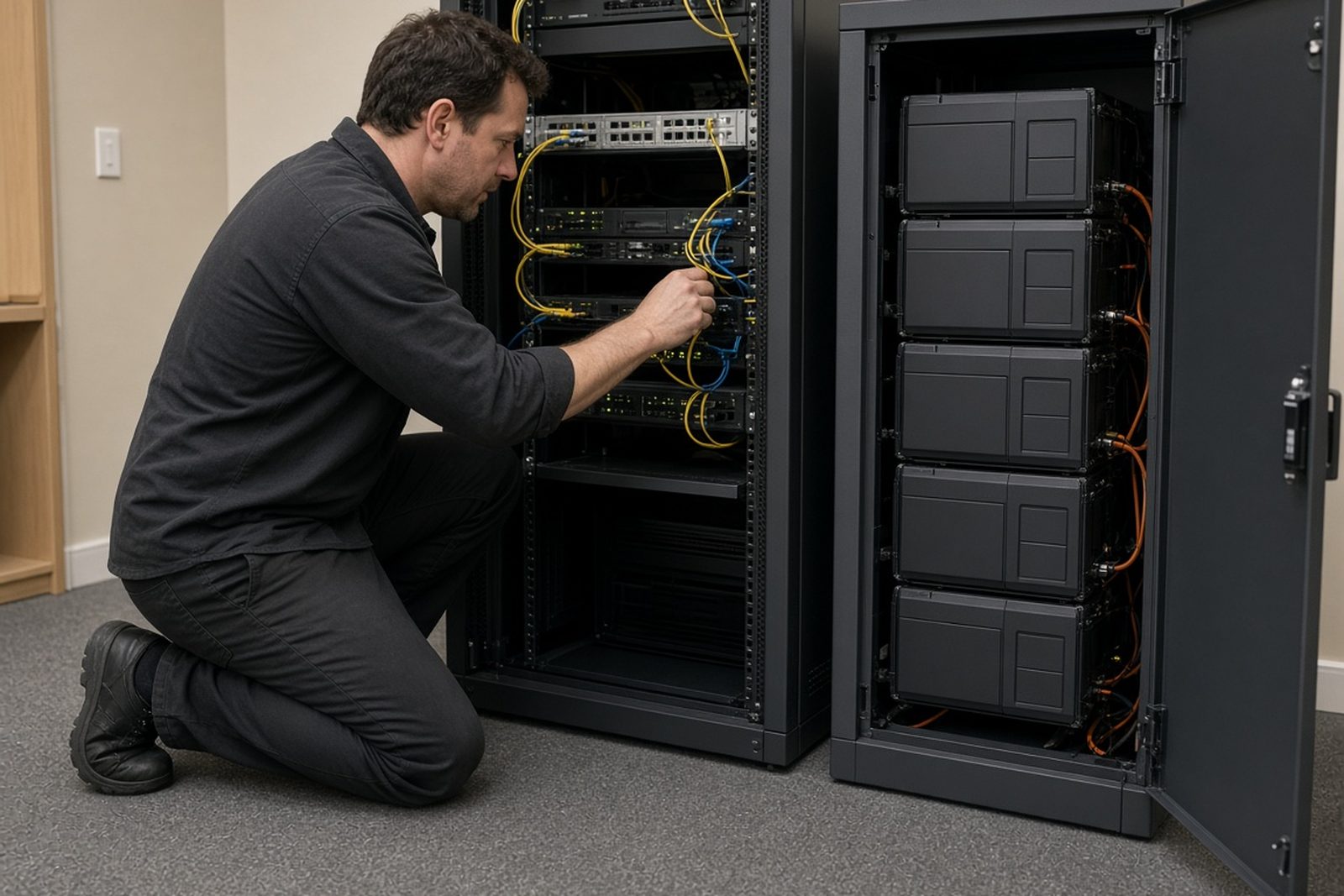
The right setup depends on the total wattage you need to support and the runtime required. Smaller rooms may only need a compact inverter with one lithium battery for routers, switches and a few low-draw devices. Larger rooms may need a higher-capacity inverter with multiple batteries and a dedicated essential circuits board. In some cases, a step-up can be made later by adding battery storage, provided the inverter and cabling were planned for expansion from the start.
- Small office network support: suitable for communications gear, a single rack and short outage bridging.
- Medium server room support: better for mixed IT loads, more switchgear and longer runtime.
- Expanded backup bank: for sites that need extended runtime or staged shutdown protection.
- Hybrid arrangements: useful where part of the room must stay online while non-essential loads are separated out.
Where the site has frequent load-shedding or unstable supply, lithium batteries are generally preferred for their usable capacity and charge efficiency. They also suit busy commercial spaces in Pretoria, Centurion and Roodepoort where backup equipment may cycle often during the week.
Share what must stay on during an outage and the size of the property, and a backup planner will phone or message you.
Contact formWhere this backup setup works best
This product suits offices, medical rooms, small data spaces, security control rooms, retail back offices and business premises with essential connectivity requirements. It is a practical choice where internet uptime, communications and controlled shutdowns matter more than full-building backup. If the room contains sensitive equipment that cannot handle sudden power loss, backup should be planned around those loads first.
Coastal humidity is less of a concern inland, but heat and dust still matter. In server rooms around Gauteng, good ventilation and clean installation work are important because batteries and inverters perform better in a cool, stable space. If the site is in a shared building or small business park, the backup layout also needs to respect landlord rules, municipal requirements and any fire or access restrictions.
- Suitable for essential IT and communications loads
- Can be arranged for single phase or split essential circuits
- Useful where downtime has to be reduced without powering the full premises
- Can be planned around existing distribution boards and changeover arrangements
Installation, compliance and municipal registration
Any permanent inverter and battery installation must be done by a registered electrician. A certificate of compliance is needed for the work, and grid-tied systems must be registered with the local municipality where that is required. That process matters whether the system is in Randburg, Sandton, Johannesburg or elsewhere in Gauteng, because the electrical work must match the site rules and the network rules for the area.
Depending on the installation, the system may include essential circuit wiring, a changeover arrangement, battery isolators, surge protection and proper earthing. For server rooms, it is also important to label the circuits clearly so maintenance staff know exactly what is backed up and what is not. A clean handover reduces confusion later, especially when the room has more than one cabinet or multiple power feeds.
Power needs are straightforward here: the backup system runs from the electrical supply and the battery bank. If the site already has an alternative backup source, such as a generator, the controls should be checked carefully so the systems do not interfere with each other.
Care, monitoring and routine servicing
Lithium batteries need far less day to day attention than older battery types, but they still benefit from periodic checks. That includes battery health, cable tightness, inverter status, temperature, ventilation and whether the backup runtime still matches the actual load. Dust build-up, loose terminations and a failing battery module can all show up first during a load-shedding event, when you least want a surprise.
Routine servicing is especially useful for sites that run business systems after hours or have staff who rely on network access early in the morning. Monitoring setup can help with basic visibility, so faults are picked up before they become an outage. If the room sits in a shared office or retail environment, it is also worth checking whether cleaning staff or contractors have disturbed ventilation, power leads or labels.
- Check battery capacity against current equipment draw
- Inspect connections, protection devices and changeover settings
- Test runtime under realistic load
- Confirm the room stays cool and dust-controlled
- Review alarms, indicators and monitoring access
What to check before you order a backup system
Before ordering, list the exact equipment that must stay on, how long it needs to run and whether anything can be shut down in stages. A backup system that is too small may trip early, while one that is oversized can add unnecessary cost and complexity. The best starting point is a site assessment with measured loads, not a guess from the nameplates alone.
It helps to know whether the room is on single phase supply, whether there is an existing generator, and whether the load should be backed up through one circuit or several. Also check the room location, cable route, available wall space and ventilation. In older buildings around Johannesburg and Roodepoort, there may be limitations on board space or earthing that affect the final design.
- What equipment must stay online during outages
- Desired runtime during load-shedding or short blackouts
- Single phase or three phase supply arrangement
- Space available for inverter, batteries and cabling
- Whether the site needs municipal registration or compliance support
- Plans for future battery expansion
PowerCut supports enquiries from businesses and homes across Gauteng through the contact form on our website. Our team can help you match the backup system to the real load, then plan the installation path so the room stays practical to use and simple to maintain.
System at a glance
| Use case | Networking, communications and selected server room support loads |
|---|---|
| Power options | Inverter and lithium battery backup with essential circuit wiring |
| Typical supply | Single phase systems commonly used, with site-specific sizing |
| Runtime | Sized to the connected load and required outage duration |
| Installation | Registered electrician required, with certificate of compliance |
| Compliance | Grid-tied systems must be registered with the local municipality where required |