What the security backup pack does for your property
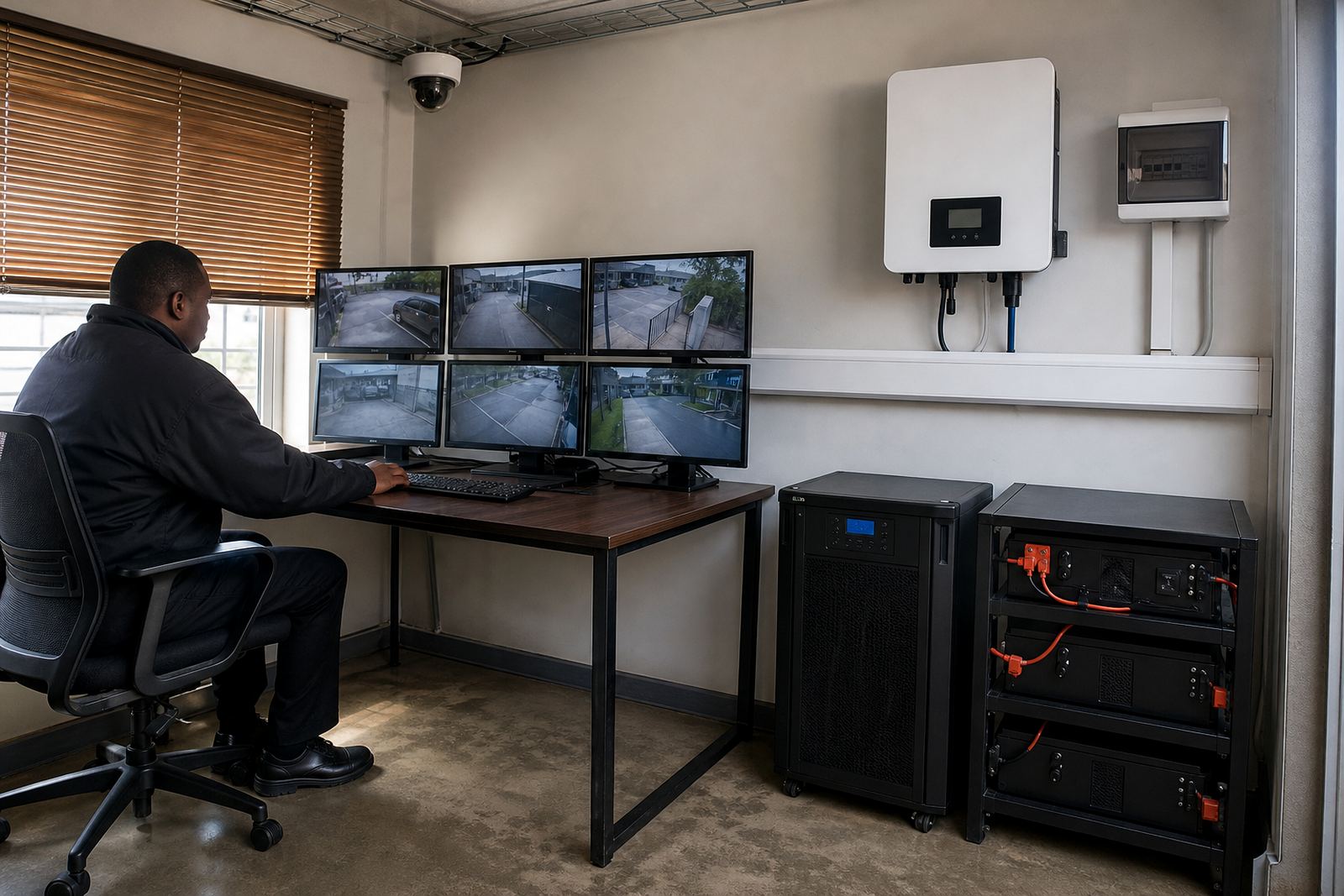
This pack is set up for the parts of a property that matter most when load-shedding or an unplanned outage hits. It supports low to medium draw security equipment such as alarm panels, perimeter beams, electric gate motors used occasionally, and camera recorders with a small network switch or router. The aim is to keep the site protected, not to run the whole house or office for long periods.
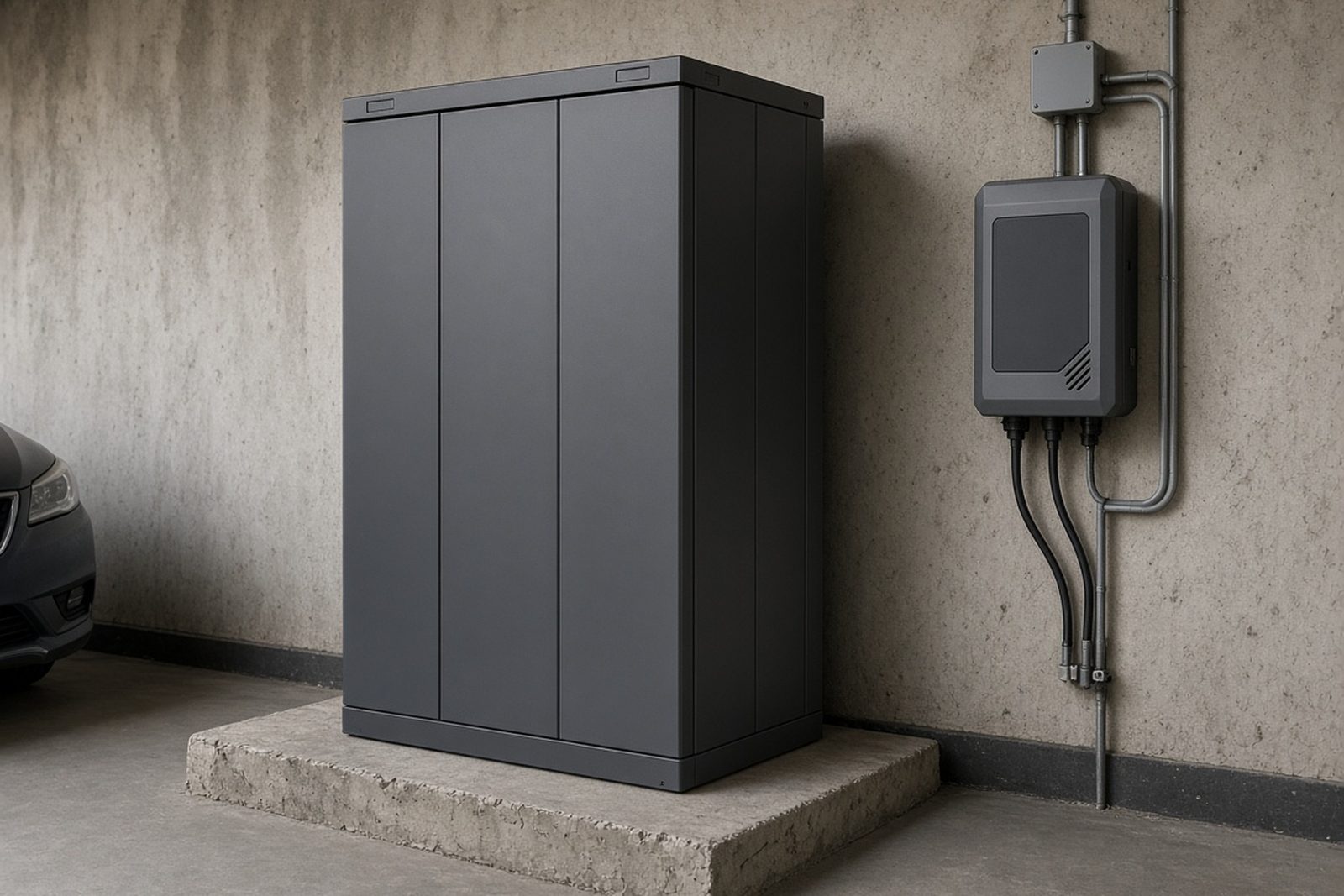
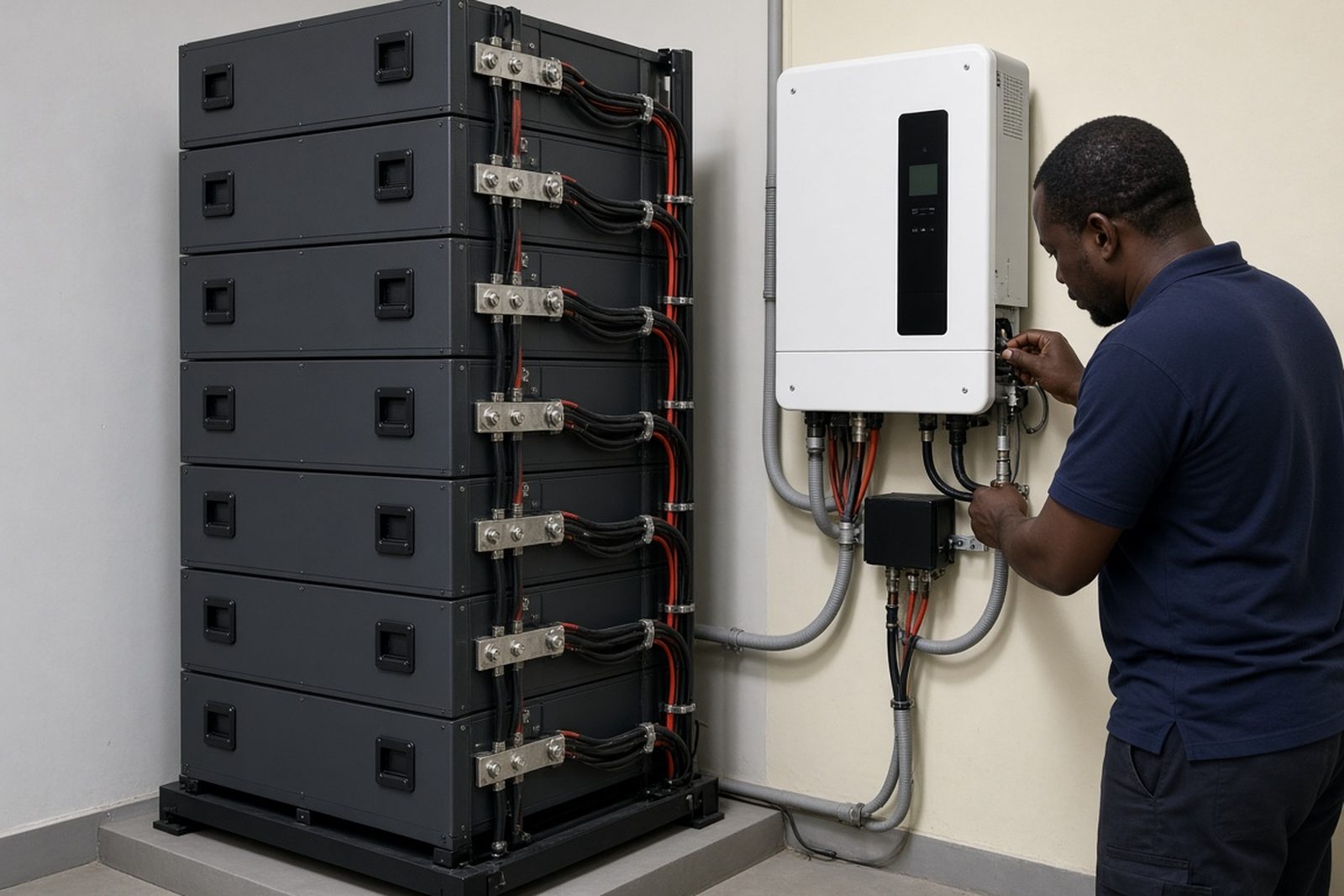
A proper security backup pack normally uses an inverter with a lithium battery, plus the right changeover and protection equipment. That gives cleaner supply to sensitive electronics and quicker switchover when the grid fails. For most homes and small commercial sites in Randburg, Sandton, Fourways, Midrand or Roodepoort, this is a practical way to keep security systems on during evening outages and overnight load-shedding.
- Ideal for alarm panels, beams, intercoms and gate control
- Supports CCTV recorders, small routers and network gear
- Can be expanded later if extra circuits are added
Common sizes and how they are chosen
The right size depends on what must stay on, how long it must stay on and how often the gate motor is used during an outage. A small pack may cover an alarm panel, beams and a recorder for basic overnight backup. A larger pack can handle longer runtime, more cameras, and additional low power circuits. In some cases a small solar input can be added later, but the main design starts with your load and desired runtime.
When we size a security backup pack, we look at the total wattage of the connected equipment, the start-up surge of the gate motor and the battery runtime needed between outages. This is important in Gauteng where load-shedding can happen several times in a day and some sites need the security system to carry on after hours. Correct sizing also helps avoid unnecessary stress on the battery, which is important in humid parts of Johannesburg and Pretoria where equipment rooms can warm up quickly.
- Small sites: alarm, beams and recorder only
- Medium sites: security load plus router and small access control
- Larger sites: multiple camera channels and longer runtime needs
Share what must stay on during an outage and the size of the property, and a backup planner will phone or message you.
Contact formWhere this setup suits best
This product suits homes, sectional title complexes, offices, warehouses, small retail sites and access control points that must stay active through outages. It is especially useful where people rely on recorded footage, remote notifications or automatic gate operation after dark. In many Pretoria and Centurion suburbs, it is also used to keep the security layer running while the rest of the property is on backup only.
For businesses, the pack can be tied into essential circuit wiring so the security system stays separate from heavier loads. That matters where there are fridges, workstations or pumps on the property, because those items can drain backup power fast. For homes, the pack is often installed in a garage, storeroom or utility area with enough ventilation and safe cable access.
- Homes with perimeter beams and a gate motor
- Businesses needing camera recording through outages
- Complexes and offices that need security continuity after load-shedding starts
Installation, compliance and grid connection rules
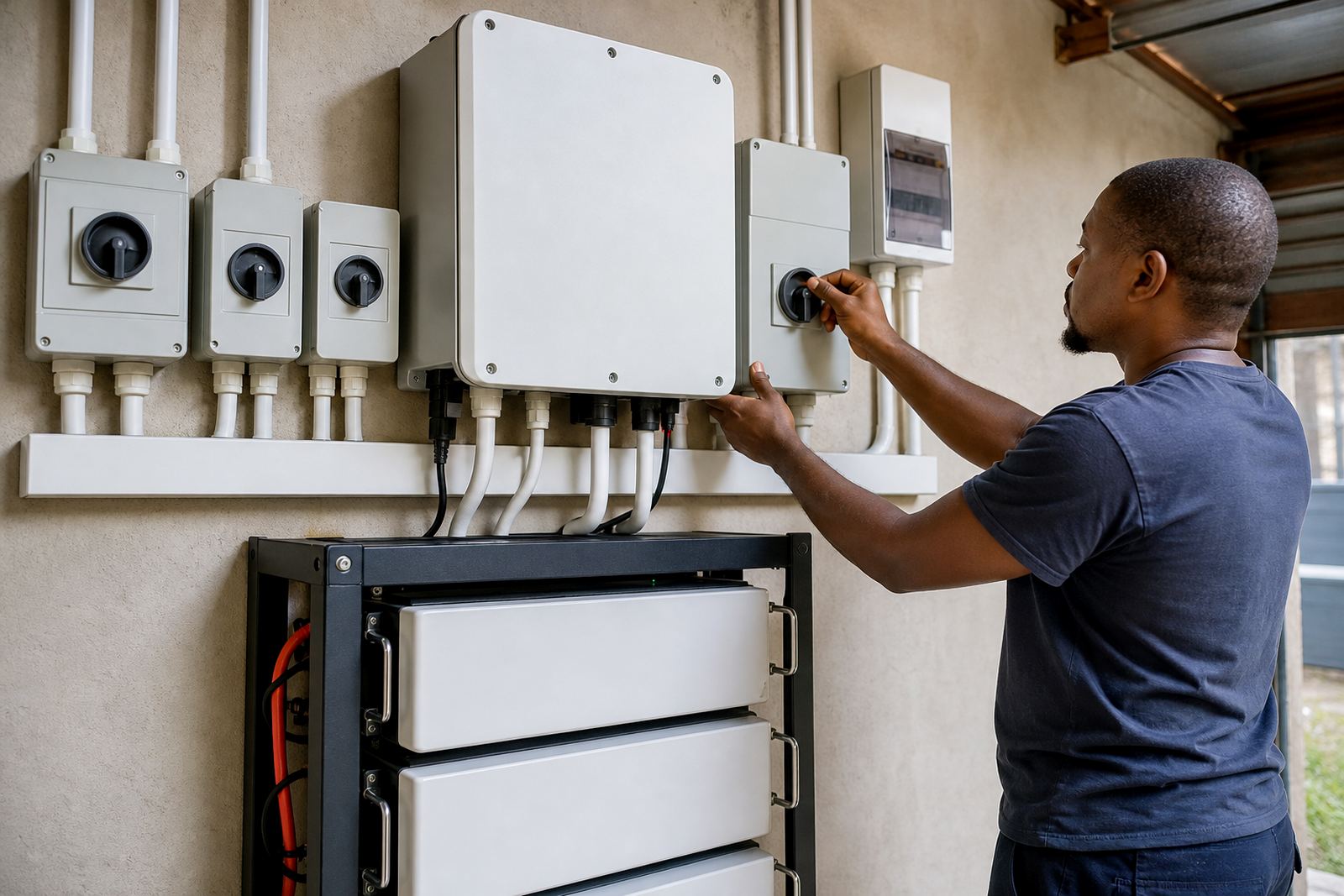
Installation must be done by a registered electrician. A certificate of compliance is required for the work, and if the system is grid-tied or able to feed into the municipal supply arrangement, it must also be registered with the municipality. That includes the right changeover arrangement, labels and protection devices. This is not just paperwork, it is part of making sure the system is safe for the property and for anyone working on it later.
We can assist with the practical side of the setup, including site assessment, backup sizing, inverter installation, battery installation, essential circuit wiring, changeover solutions and system commissioning. If the site already has some security wiring in place, we check how it is currently powered and whether it needs to be split off from heavier circuits. On a busy site in Midrand or Roodepoort, that planning can save a lot of trouble later.
- Registered electrician required for installation
- Certificate of compliance needed after the work
- Municipal registration required where the system connects to the grid in a way that triggers that rule
Battery care, servicing and day to day use
Lithium batteries need proper charge settings, clean connections and sensible loading. They should not be pushed below their designed limits, and they need to be installed in a place with basic airflow and protection from heat, damp and dust. In Randburg and the northern suburbs, garages and service rooms can get warm, so the battery location should be chosen with care.
Routine servicing helps catch loose terminations, dust build-up, alarm failures and low-voltage issues before they become a bigger problem. If your site experiences frequent outages, it is worth checking the system after major load-shedding events or after a storm. Camera recorders and gate motors can also show signs of strain if the battery is under-sized or if the inverter settings are not matched to the load.
- Keep vents clear and the area dry
- Check battery status after long outages or storms
- Arrange routine servicing if the site depends on constant security coverage
Before you buy a backup system
Before placing an order, list the exact equipment you want to keep running. Include the number of cameras, the recorder type, the alarm panel, beams, gate motor use and any router or access control device. If the gate opens many times a day, say so, because that changes the battery size and inverter rating. It also helps to know whether the property is a home, office, retail site or complex, since the wiring layout and runtime needs are different.
You should also check where the unit will be installed, whether the area has good ventilation, and whether there is already an existing inverter or backup battery on the premises. If the site is in Sandton, Fourways or a similar busy area, access for installation may need to be arranged around trading hours. The more accurate the information, the better the backup pack can be matched to the job, and the less likely you are to end up with a system that is too small.
- List all security loads that must stay on
- Note how long backup is needed during outages
- Confirm space, ventilation and access for installation
System at a glance
| Product type | Dedicated security backup pack for essential alarm and access control loads |
|---|---|
| Typical output | Inverter-based backup supply for low to medium security circuits |
| Battery type | Lithium battery storage |
| Best use | Alarms, beams, gate motors, CCTV recorders, routers and similar loads |
| Install requirements | Registered electrician and certificate of compliance |
| Compliance note | Municipal registration may be required for grid-tied systems |