What a DC isolator kit does in a backup system
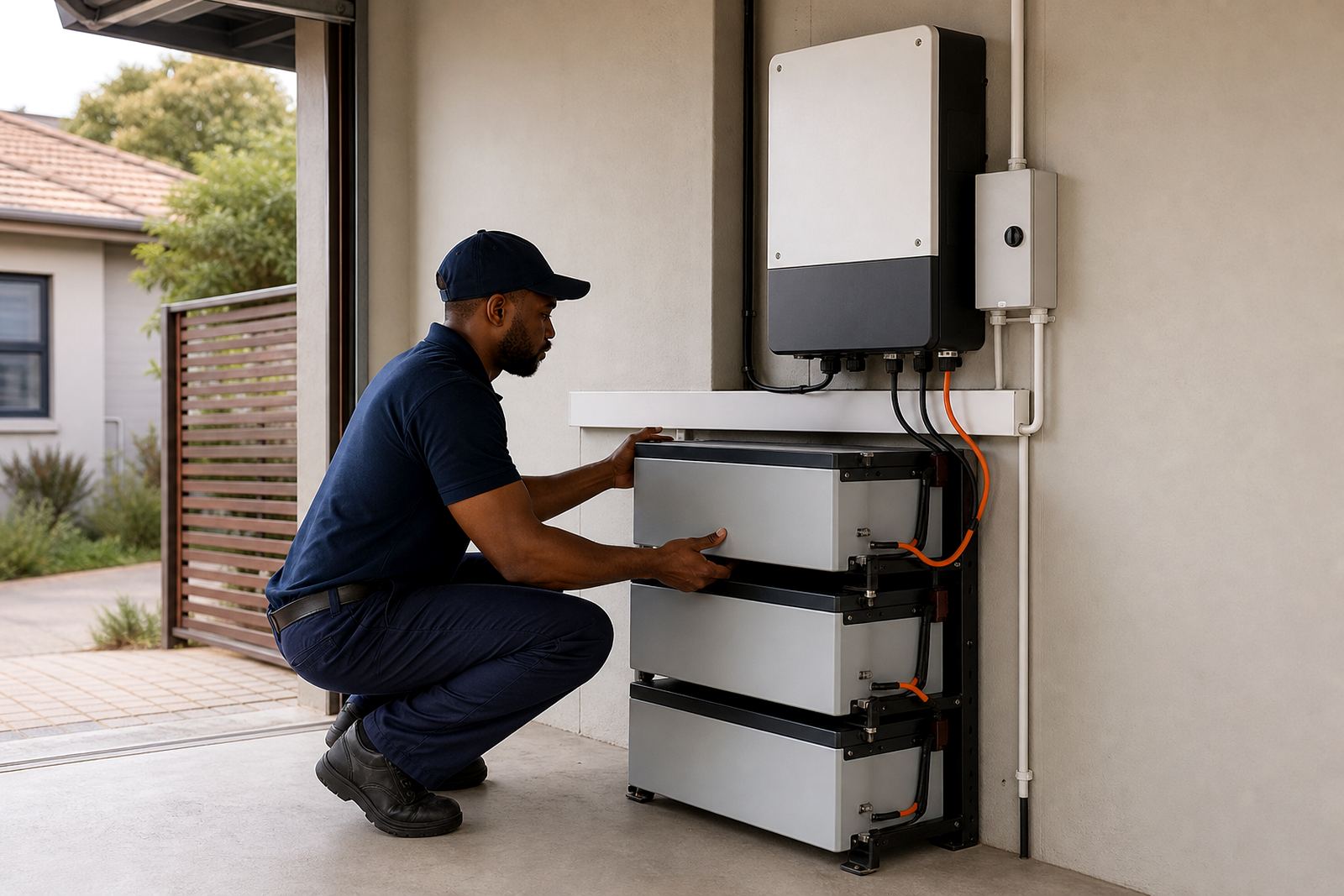
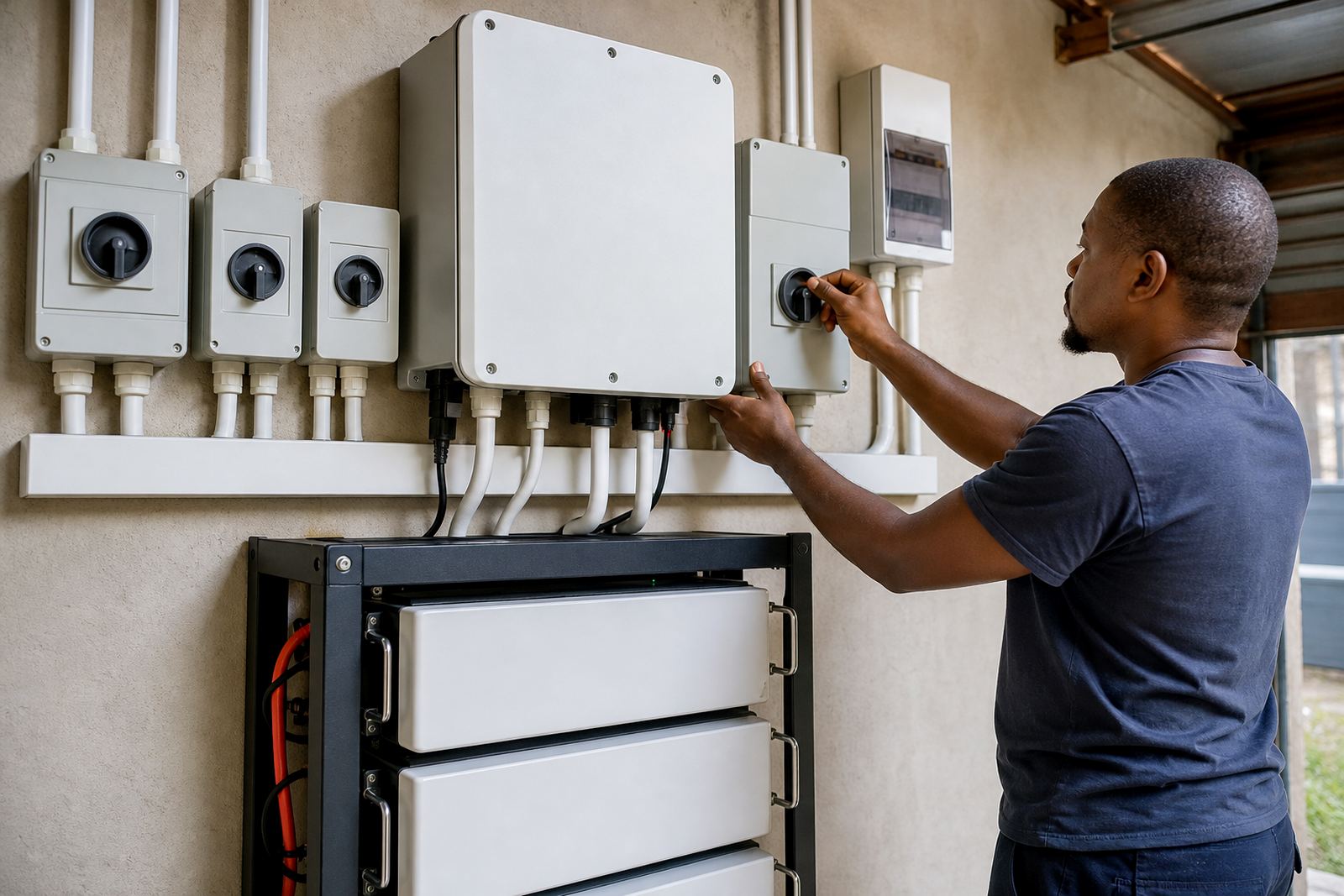
A DC isolator kit is fitted on the direct-current side of a battery backup system so the battery can be disconnected safely when work needs to be done. In practical terms, it gives the installer a proper point to isolate the battery bank before inspection, servicing or fault finding. That matters in load-shedding setups because lithium batteries can deliver high current and the cables must be protected and correctly arranged.
In a typical inverter and lithium battery system, the kit sits between the battery and the inverter DC input, or on the battery side of a fused protection arrangement depending on the system design. It is not there for daily switching, it is there for controlled isolation when the system is being maintained or tested. For homes in Randburg, Sandton and Fourways, and for offices in Johannesburg or Midrand, this small item often makes the whole setup easier to service later on.
Sizes and options to match the inverter and battery bank
DC isolator kits are selected according to the system voltage, expected current draw and the cable size being used. For many residential backup systems, the common options are suited to 24V, 48V and larger battery banks, but the final choice must match the inverter specification and the battery manufacturer’s allowable discharge current. If the isolator is undersized, it becomes a weak point in the system and may run hot under load.
- Voltage matched options for 24V and 48V systems
- Current ratings selected for the inverter and battery bank
- Single pole or double pole arrangements where required by the layout
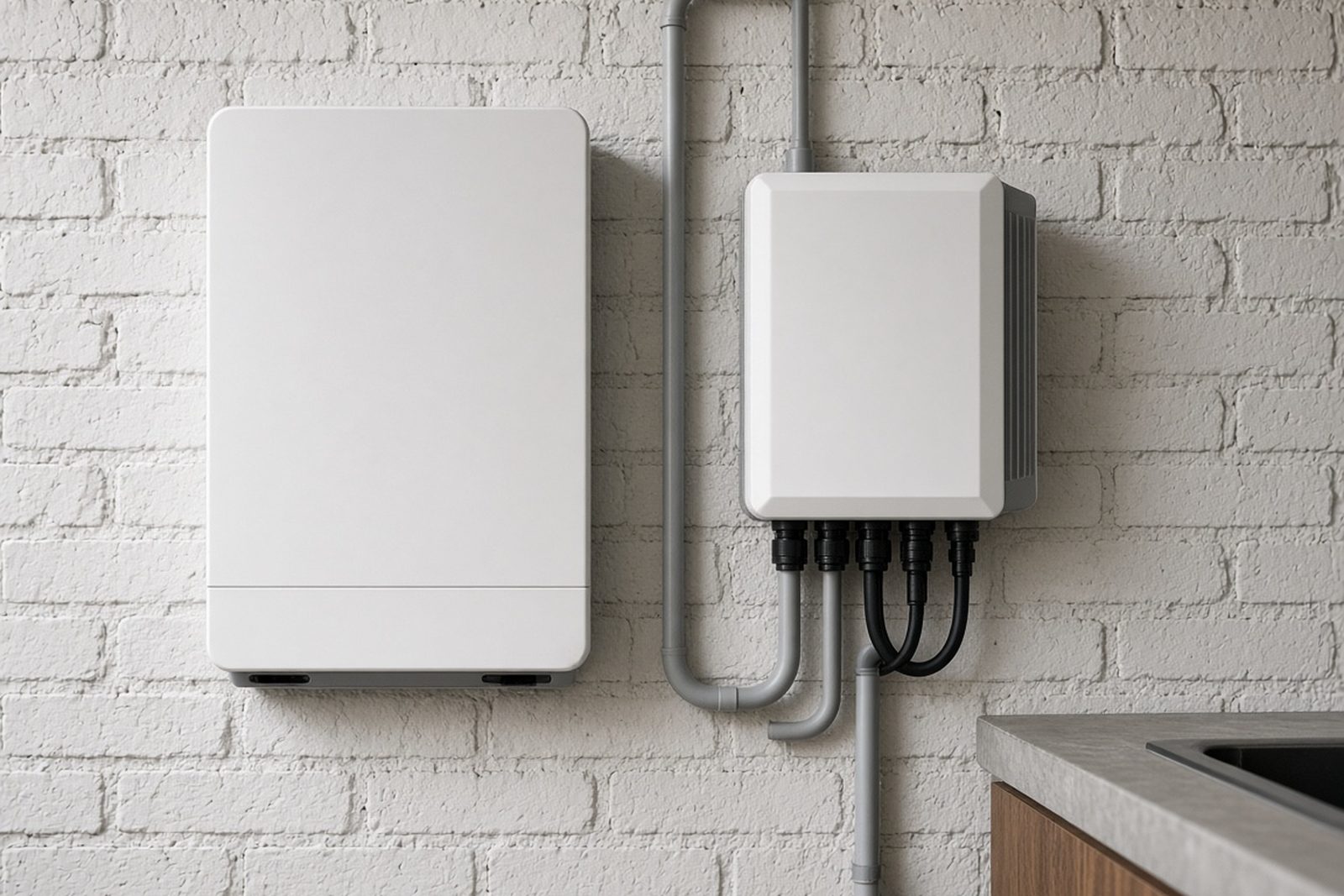
- Wall mounted or enclosure mounted formats for tidy installation
- Compatible with single battery units and expanded battery banks
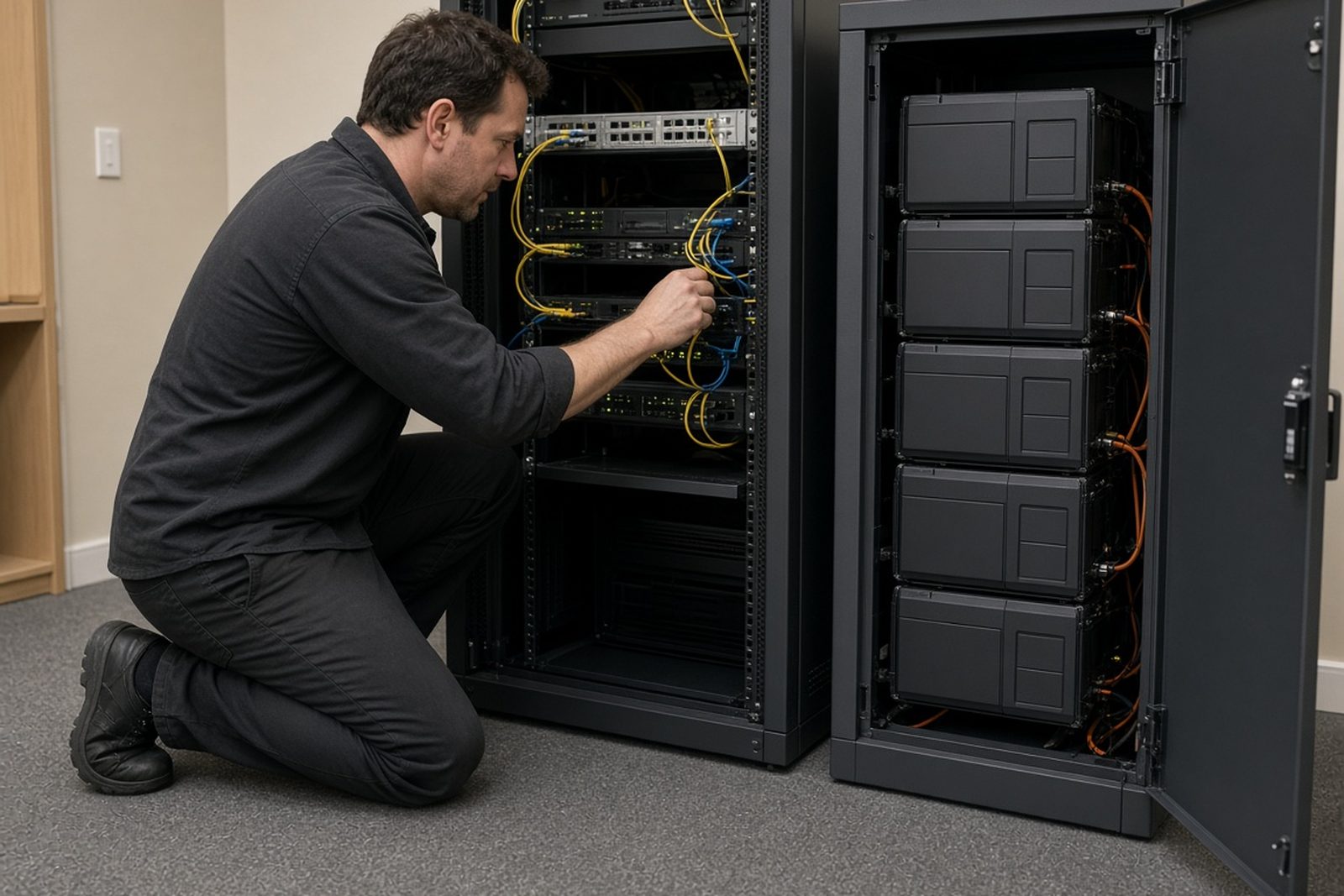
For larger commercial systems in Pretoria, Centurion or Roodepoort, the isolator may form part of a more complete DC protection layout that includes fusing, clear labelling and suitable cable management. The aim is to keep the battery side safe, serviceable and easy to inspect. A proper fit matters, because even a neat battery room can become difficult to work on if the protection gear has been chosen badly.
Share what must stay on during an outage and the size of the property, and a backup planner will phone or message you.
Contact formWhere a DC isolator kit suits best
This product suits any backup installation where access to the battery side must be controlled and maintenance must be straightforward. It is useful in inverter rooms, wall mounted battery installations, compact plant rooms and protected utility areas. In coastal or humid conditions, a well planned enclosure and correct termination points help reduce corrosion risk and keep the system looking orderly over time.
Homes that run fridges, lights, routers and a few plug points during outages often benefit from a simple but well protected DC layout. Businesses that need tills, security equipment, small servers or office essentials running during load-shedding will also need isolation that is clearly marked and easy to reach. In both cases, the kit supports safe shutdown when the electrician or technician needs to work on the system.
- Residential backup systems with one inverter and one or more lithium batteries
- Office, retail and light industrial backup installations
- Utility areas where clear isolation points are needed
- Battery banks that may be expanded later
Installation requirements, compliance and municipal registration
A DC isolator kit must be installed by a registered electrician, and the completed system must be certified with a certificate of compliance. That is not just paperwork, it is part of making sure the wiring, protection and isolation points are correct for the actual equipment on site. If the system is grid-tied or can export to the municipal network, it also needs municipal registration where required by local rules.
For backup systems in Gauteng, this usually means checking the inverter type, the changeover arrangement, the battery location and the route of the DC cables before the work starts. Load-shedding has made many systems look simple on paper but the practical details still matter, especially where essential circuit wiring is involved. A rushed install can leave future servicing awkward and can create avoidable faults.
PowerCut supports site assessments, backup sizing, inverter installation, battery installation, essential circuit wiring, changeover solutions, system commissioning and compliance support across Randburg, Johannesburg, Pretoria, Centurion, Midrand and Roodepoort. The work needs to be planned as a complete system, not as loose parts added one by one.
Care, servicing and what to check over time
A DC isolator kit should be checked during routine servicing so that terminals stay tight and the enclosure remains clean and dry. Dust, moisture and vibration can affect the condition of the connections over time, especially in garages, back rooms and light industrial areas. If the isolator becomes stiff, discoloured or warm in use, it should be inspected by a qualified technician.
Good servicing includes looking at the label clarity, cable entry points, fixings and the condition of nearby fuses or breakers. The battery bank should also be reviewed when the system is expanded, because a larger bank may require a different protection arrangement. It is better to check that early than discover the issue when the load-shedding cycle is already under way and the system needs to carry the house.
- Check cable lugs and terminals for tightness
- Confirm the isolator rating still suits the inverter and battery bank
- Inspect for heat marks, corrosion or cracked housing
- Keep the area clean, dry and accessible
- Review the setup after battery expansion or system changes
What to confirm before ordering a DC isolator kit
Before placing an order, check the inverter model, battery voltage, maximum expected current and whether the system is being installed as a simple backup or as a grid tied arrangement. You should also confirm the cable size, enclosure space and where the disconnect point will be mounted. Those details decide whether the kit is suited to the job or whether another rating is needed.
If you are working from a new site assessment, it helps to know what the backup must support during an outage. A small home system in Sandton may only need a modest layout for lighting and essential plugs, while a business in Midrand may need a more carefully split essential load arrangement. The right isolator kit fits into that plan without making future servicing difficult.
When in doubt, ask for the system to be checked as part of the full backup sizing process. That reduces the chance of ordering parts that do not suit the wiring layout or the current demand. It also helps keep the installation neat and straightforward to maintain, which is what most property owners actually need.
System at a glance
| Product type | DC isolation kit for inverter and lithium battery systems |
|---|---|
| Typical use | Safe battery disconnection for maintenance and system layout |
| System fit | 24V, 48V and larger backup systems subject to specification |
| Mounting | Wall mounted or enclosure mounted depending on setup |
| Compliance | Installed by a registered electrician with CoC |
| Service area | Randburg, Johannesburg, Pretoria, Centurion, Midrand, Roodepoort and wider Gauteng |