What a 5kWh lithium battery does in a backup system
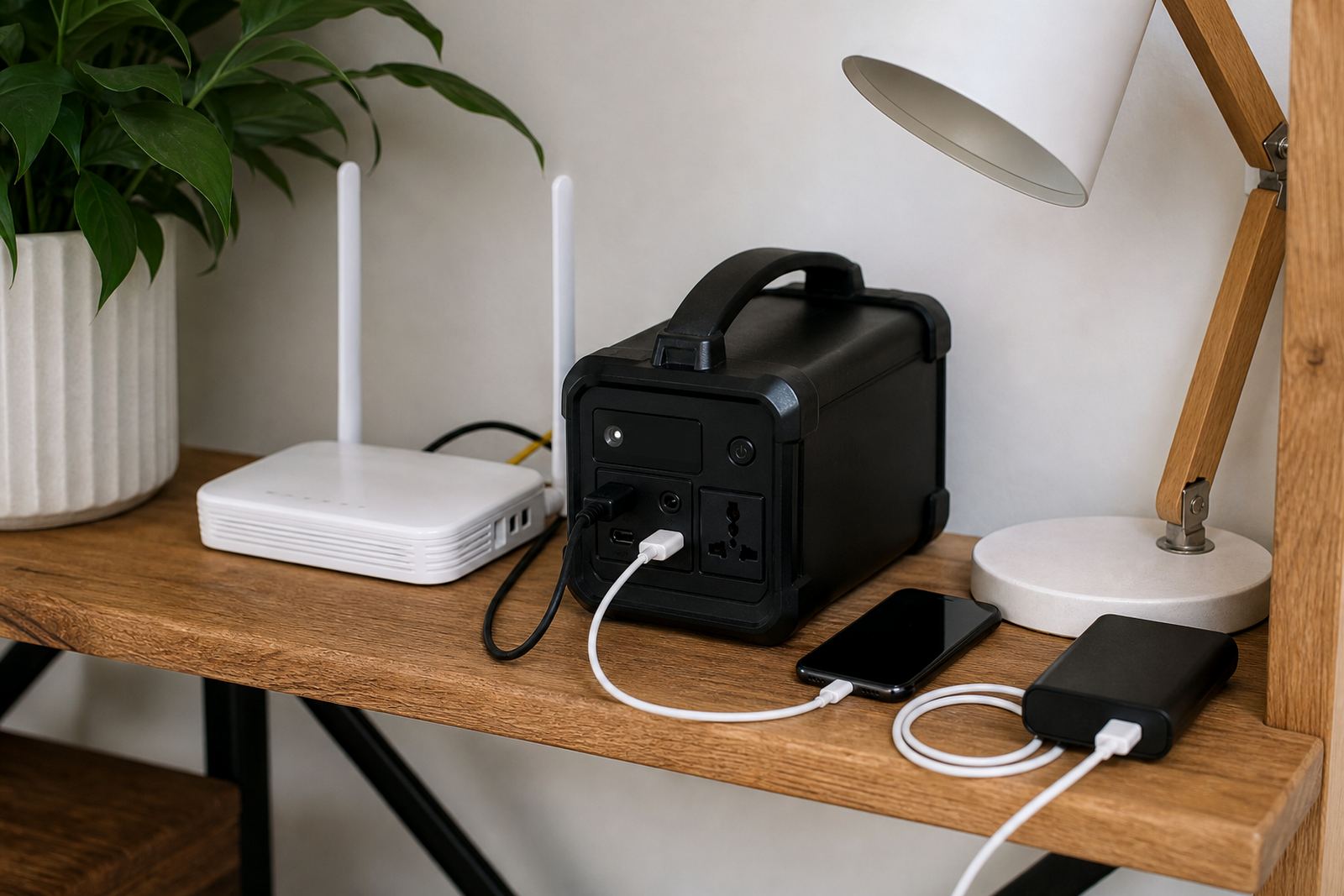
A 5kWh lithium battery stores electrical energy for use during load-shedding, outages and power quality issues. In simple terms, your inverter draws from the battery when the grid drops, then recharges it when supply returns. This makes it useful for keeping key circuits running such as lights, Wi-Fi, TV points, a gate motor, alarm, laptop charging and selected kitchen loads if the rest of the system is sized correctly.
For many households in Randburg, Sandton, Fourways and across Gauteng, 5kWh is a sensible entry point because it offers a balance between runtime, footprint and cost of installation. It is also a common choice for businesses that need to keep essential equipment on during outages without moving straight to a large multi-battery setup.
Most 5kWh batteries are lithium iron phosphate units, valued for good cycle life, steady discharge performance and low maintenance. They are designed to work with a compatible inverter and proper protection equipment, so the full system needs to be matched correctly, not just the battery on its own.
Typical sizes, form factors and system compatibility
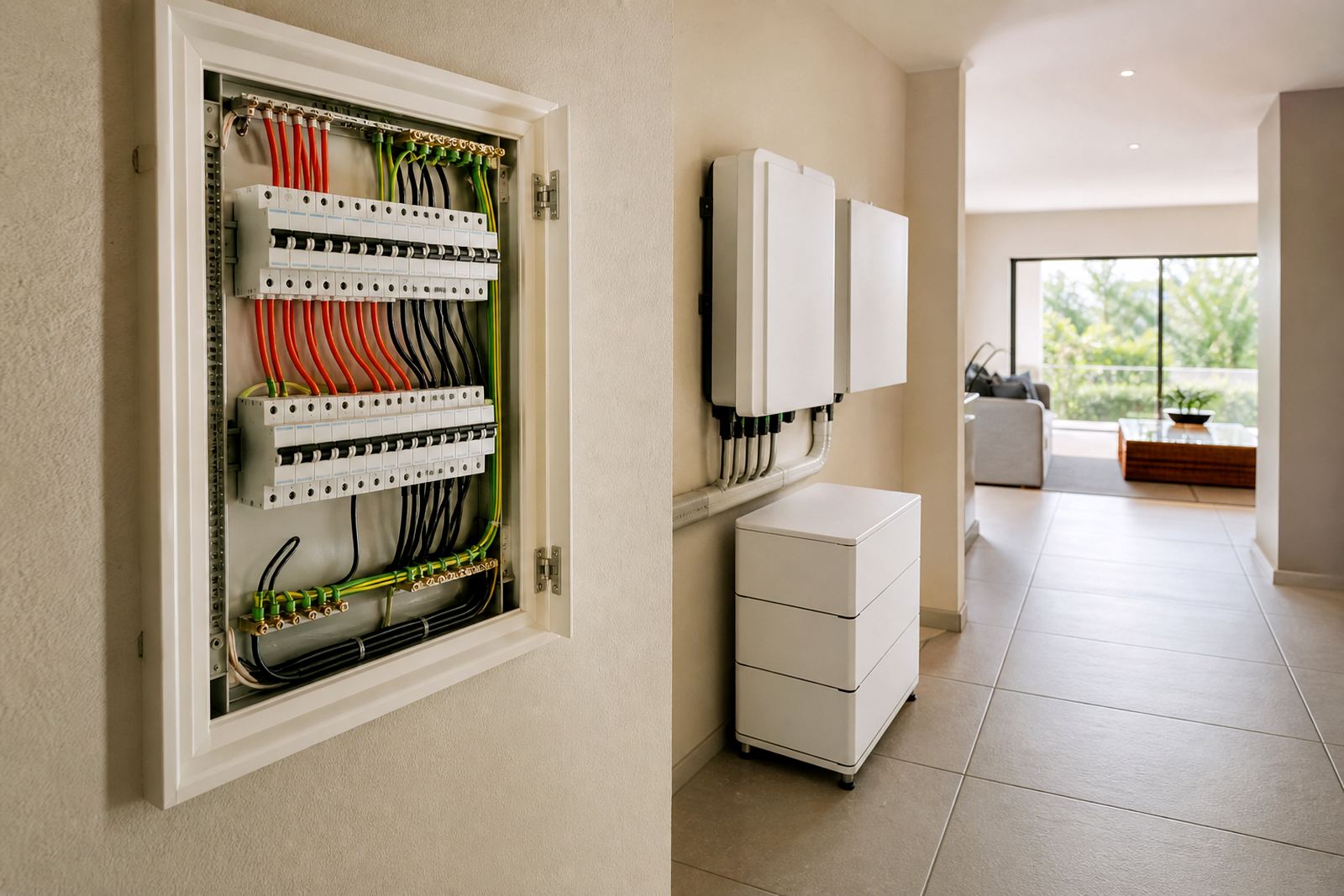
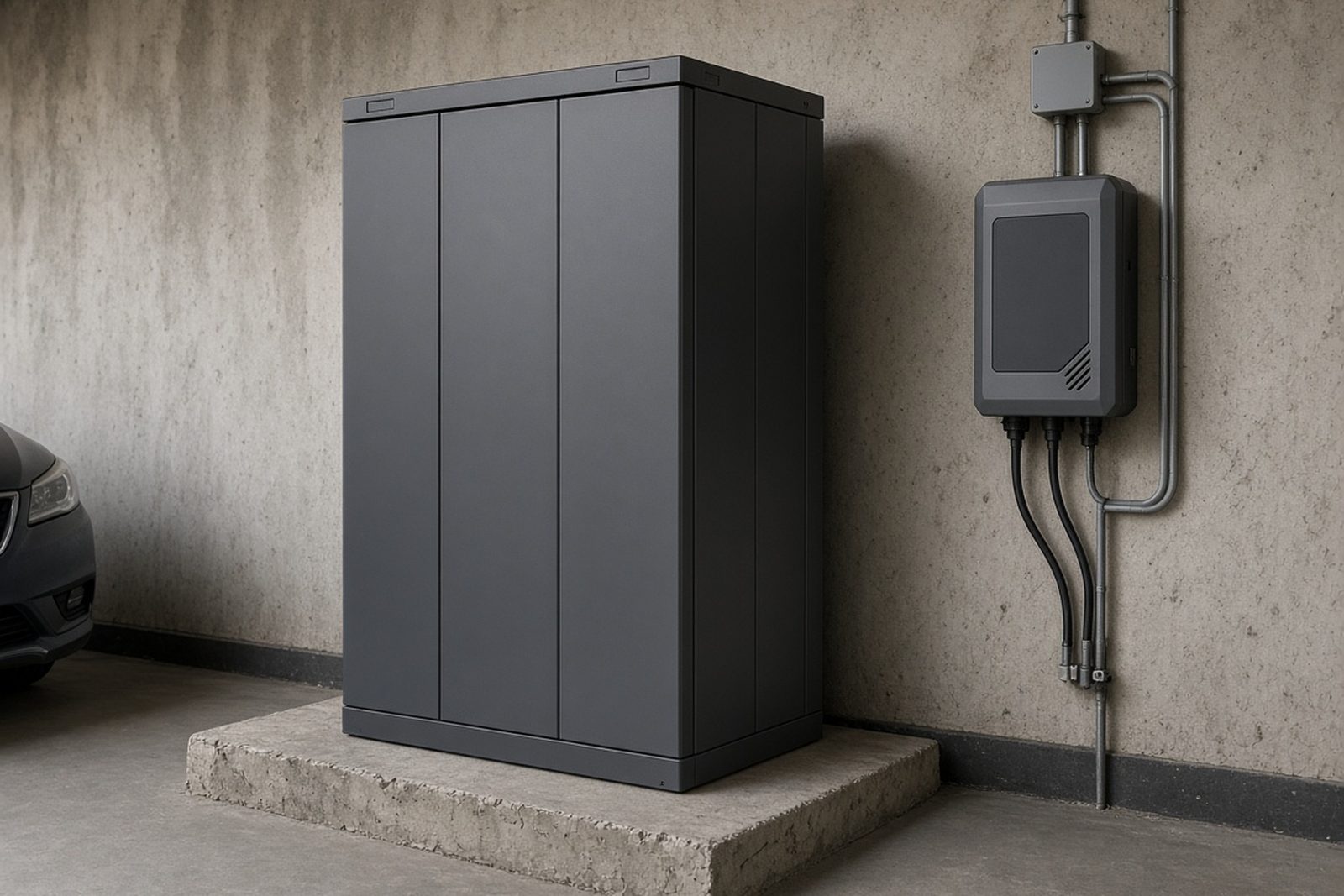
Although the storage capacity is usually around 5 kilowatt-hours, batteries in this class can differ in voltage, physical size and communication compatibility. Many are wall-mounted or rack-mounted, while others are freestanding units for compact plant rooms, garages or store rooms. The right choice depends on the inverter, the space available and whether the battery will be added to an existing system or fitted as part of a new installation.
Compatibility matters. A battery must match the inverter’s operating voltage, charge limits and communication protocol if the system uses battery management communication. Without the right match, performance can suffer and the system may not charge or discharge properly. That is why backup sizing should always be checked before ordering, especially where clients want to expand later.
- Common use case: one battery with a small to medium inverter for essential circuits
- Expandable use case: start with one unit now and add more later if the inverter supports it
- Space needs: keep enough wall or floor clearance for cabling, ventilation and service access
- Protection: use correct isolators, fusing and surge protection as part of the full install
Share what must stay on during an outage and the size of the property, and a backup planner will phone or message you.
Contact formWhere a 5kWh battery suits homes and businesses
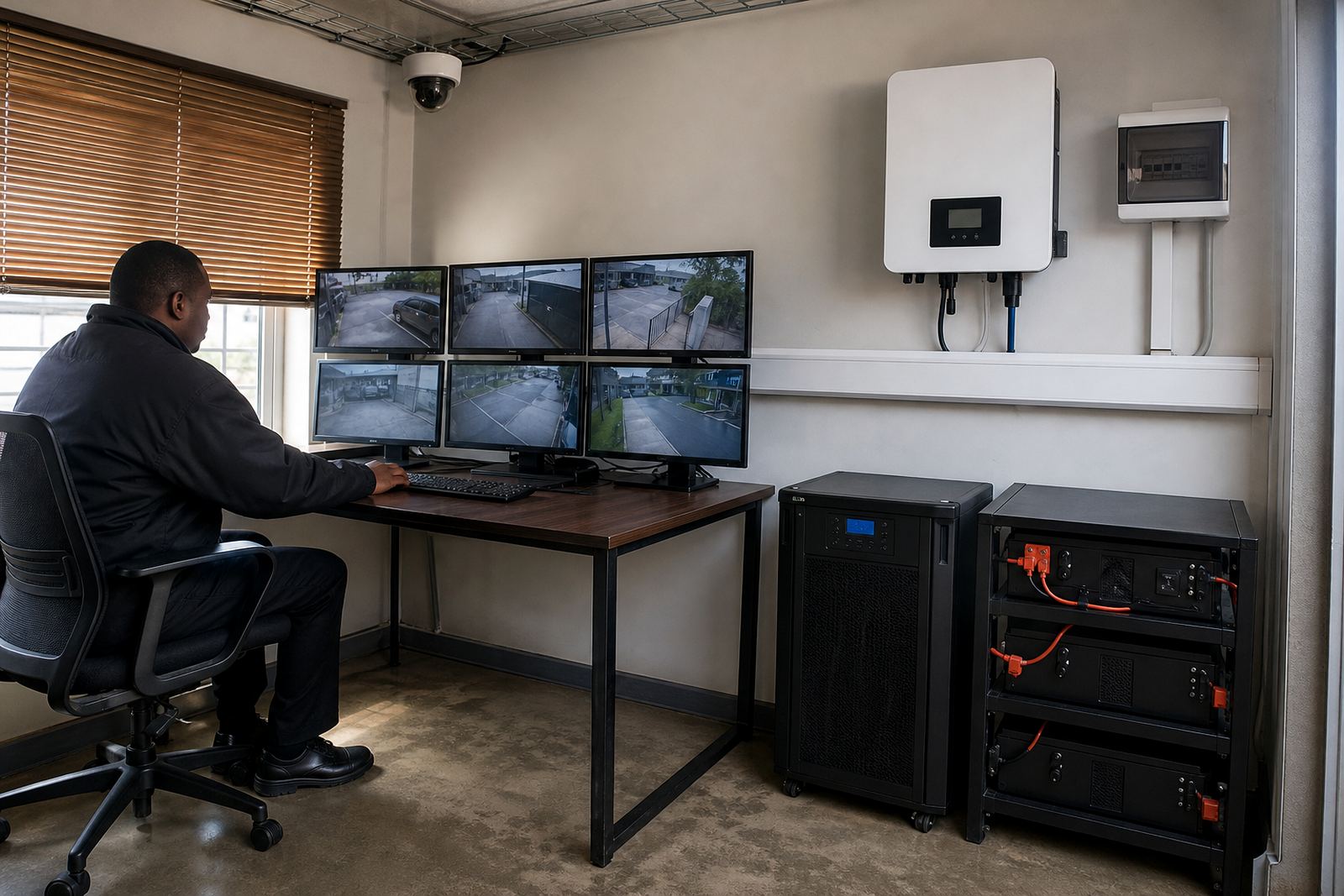
This battery size suits many ordinary backup needs rather than full-house or heavy commercial support. In a home, it works well where the goal is to keep the essentials going through the evening and night stages of load-shedding. In a small office, clinic, studio or retail space, it can support critical items like routers, a point-of-sale system, selected lights and a few workstations.
In Johannesburg and Pretoria, where load-shedding can affect business hours and home routines alike, the 5kWh class is often chosen because it is manageable and practical. It also works well in Midrand, Centurion and Roodepoort where some clients want backup for a townhouse, cluster home, family house or small commercial premises with limited plant room space.
- Good for essential loads, not for running everything at once
- Useful where space is tight and a neat installation matters
- Suitable for systems that may grow in stages over time
- Helpful in areas with frequent outages and voltage fluctuations
Installation requirements and compliance in South Africa
A lithium battery must be installed by a registered electrician, and the full installation should be accompanied by a certificate of compliance. That is not just paperwork, it is part of safe, legal operation. The electrician must confirm correct cabling, earthing, isolators, protection and compatibility between the inverter, battery and household or business distribution board.
If the system is grid-tied or can feed power back into the premises electrical system, municipal registration may also be required. Different municipalities can have different rules, so this should be checked before commissioning. In Gauteng, especially where systems are being installed in townhouses, sectional title properties or business premises, it is worth confirming any estate or body corporate rules too.
We recommend a proper site assessment before installation. That helps identify where the battery will sit, whether the inverter needs to be close by, what essential circuits should be backed up and whether extra work is needed for changeover solutions or a dedicated essential loads board.
Sizing backup properly before you order
Ordering a battery without sizing the system first can lead to disappointment. A 5kWh unit may be ideal for one customer and too small for another. The difference usually comes down to what you want to run, for how long and whether the inverter can support the starting surge of certain appliances. Fridges, pumps, motors and some office equipment can draw more at switch-on than people expect.
When sizing, look at the total load in watts, the expected runtime in hours, and the number of load-shedding stages you want to cover. A battery alone does not define the backup result. You need the inverter size, battery discharge limits and the amount of usable energy all working together. Many homes only need essentials, while businesses may want enough reserve to stay operational through part of the workday.
- List the items you want to keep on during outages
- Check the inverter size and whether it can handle surge loads
- Confirm if you want one battery now with room to expand later
- Consider charging time after each outage, especially during repeated load-shedding
What to confirm before you book a backup system
Lithium batteries need less day-to-day attention than older battery types, but they still benefit from correct installation and routine checks. Keep the unit in a dry, clean area with reasonable ventilation, away from direct sun, coastal damp, dust and corrosive fumes. In places with high humidity or salty air, good enclosure placement and tidy cabling are especially important.
Routine servicing can include checking terminals, cable condition, mounting, battery status, communication settings and inverter fault logs. If the system trips often, does not charge fully, or shows unusual warning lights, it should be checked early rather than left to worsen. A small issue can become a bigger one if the battery and inverter are not talking to each other properly.
Before you order, confirm the battery voltage, usable capacity, physical dimensions, weight, expansion compatibility and whether your inverter firmware and settings match. Also check the warranty terms, support process and whether the supplier can assist with system commissioning and later battery expansions. A little checking up front saves trouble later.
- Battery voltage and usable capacity
- Inverter compatibility and communication support
- Mounting method and space requirements
- Installation by a registered electrician with CoC
- Municipal registration if the system is grid-tied
Backup support for Randburg and the wider Gauteng area
PowerCut supplies 5kWh lithium batteries for homes and businesses in Randburg, Johannesburg, Pretoria, Centurion, Midrand, Roodepoort, Sandton and Fourways. We also assist with site assessments, backup sizing, inverter installation, battery installation, essential circuit wiring, changeover solutions, system commissioning, monitoring setup, battery expansions, fault checks and routine servicing. The aim is to match the battery to the way you actually use power, not just sell a unit and leave you to figure out the rest.
Whether you are backing up a family home, a small office or a retail space, the right 5kWh battery can make load-shedding easier to manage. If you need more runtime later, a properly planned system can often be expanded. The important part is getting the first step right, with proper sizing and compliant installation from the start.
System at a glance
| Battery type | Lithium iron phosphate, typically used for inverter backup |
|---|---|
| Nominal capacity | 5kWh class unit |
| Common system voltage | Usually 48V class, subject to inverter compatibility |
| Typical use | Essential loads, small homes, offices and light commercial backup |
| Installation | Registered electrician required, with certificate of compliance |
| Compliance note | Grid-tied systems may require municipal registration |