
What the retail backup pack is for
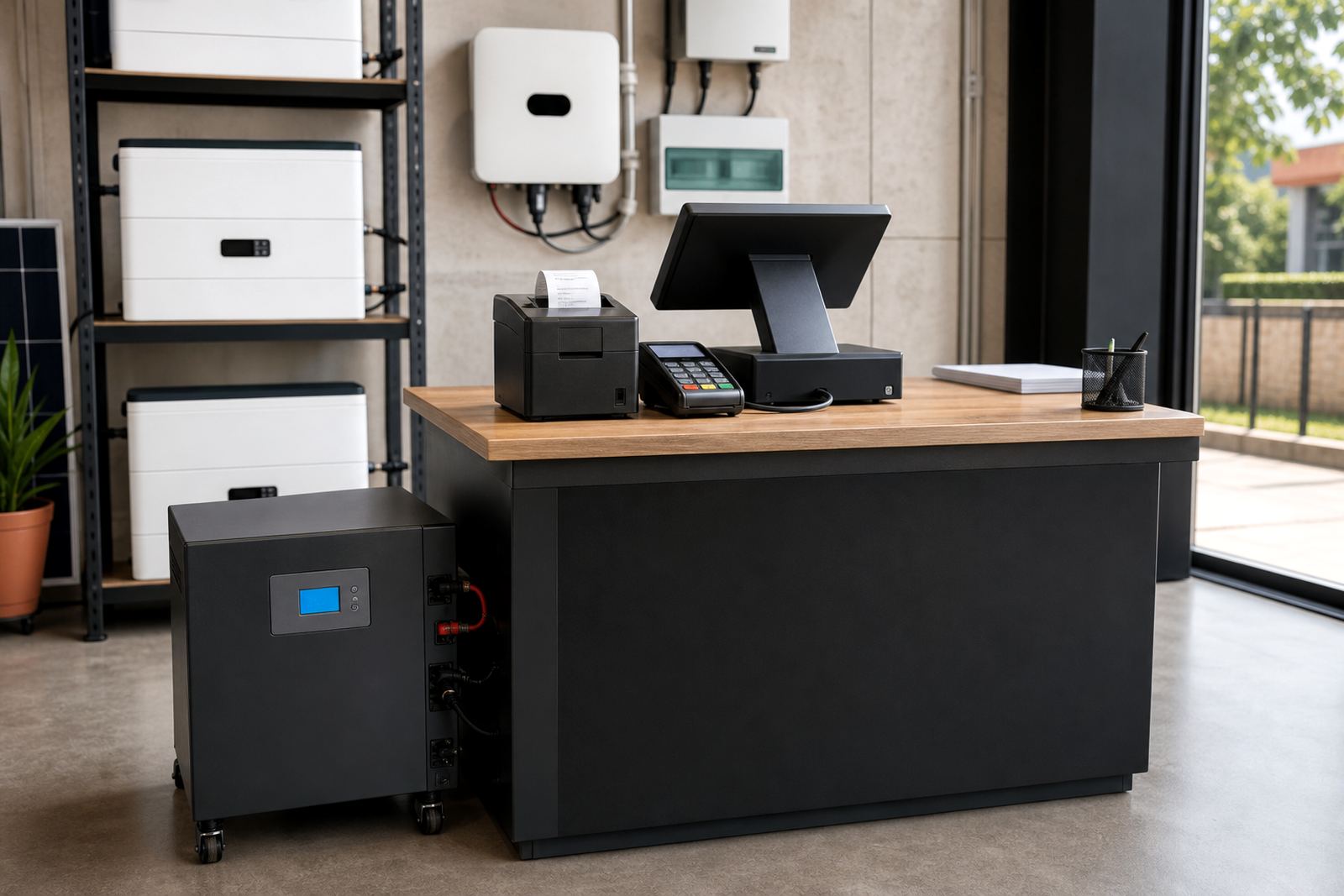
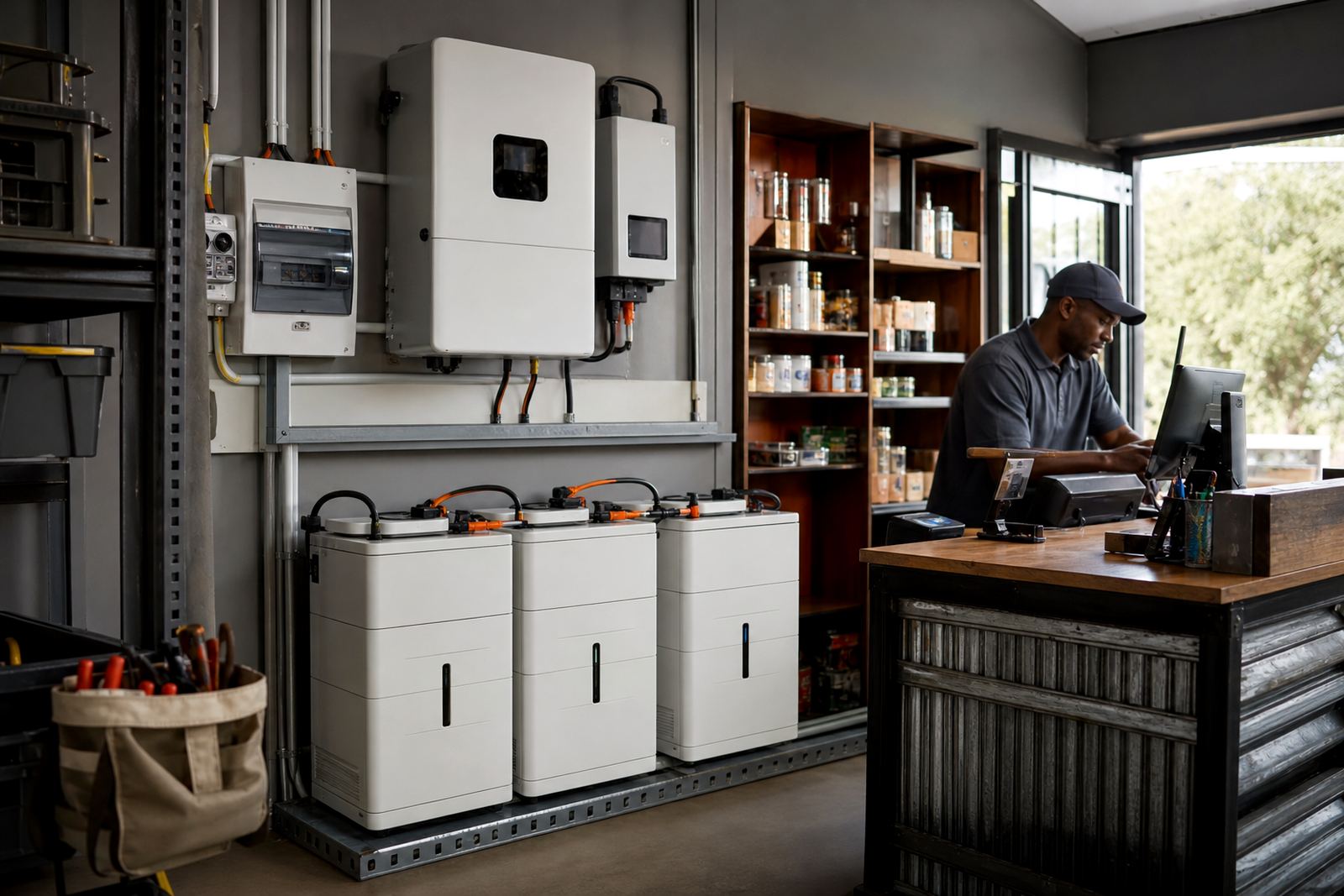
This pack is put together for the parts of a shop that cannot simply stop when the grid fails. It supports the point-of-sale till, card machine, router, a few LED lights and selected security equipment such as cameras or an alarm panel. The aim is to keep trading conditions workable and to avoid the rush and confusion that comes with darkness at the counter.
It is not a whole-shop generator replacement. Instead, it gives you a focused backup setup that is quieter, cleaner and easier to manage for everyday load-shedding. For many stores in Johannesburg, Pretoria, Centurion, Midrand and Roodepoort, that makes more sense than backing up fridges, ovens or every circuit in the premises.
The pack can be adapted for a small convenience store, pharmacy, clothing shop, salon, hardware outlet or office-style retail space. If your business has sensitive equipment or a busy trading floor, the load can be split so the essentials stay up while non-essential appliances remain off.
Typical sizes and equipment options
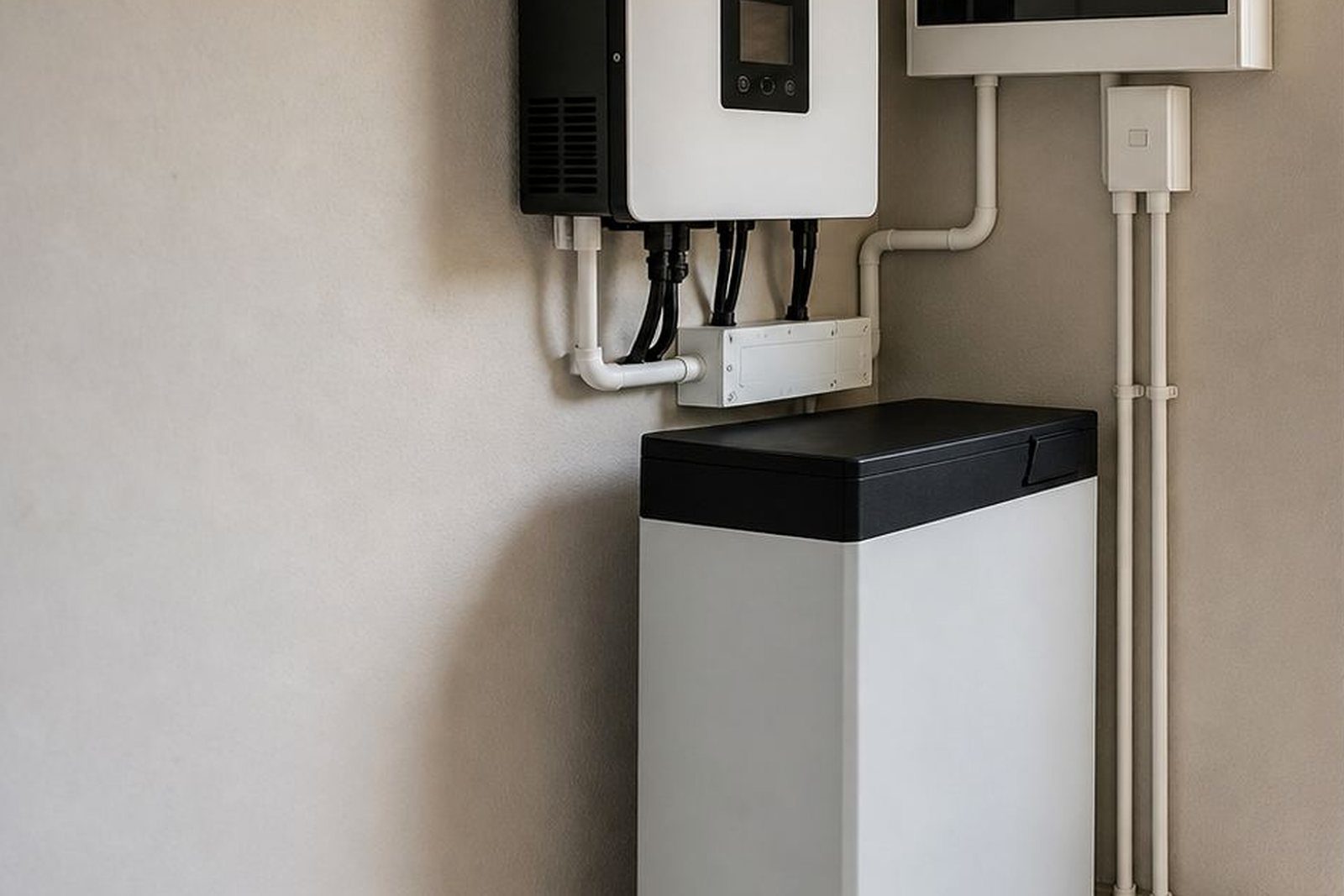
Retail backup packs are usually built around an inverter and lithium battery combination. The inverter changes stored battery power into usable AC power, while the lithium battery stores energy for the outage period. Lithium batteries are favoured for retail backup because they charge efficiently, handle frequent cycling well and take up less space than many older battery types.
Common options include smaller packs for tills and connectivity, mid-range packs for tills plus lighting, and larger packs for stores that also need more cameras or a longer runtime. The correct size depends on what you want to keep on, how many lights are included and how long you need the system to last before the grid returns.
- Smaller packs suit a single till point, router, a few lights and a basic alarm panel
- Mid-range packs suit a small trading floor with multiple lights, a till counter and CCTV
- Larger packs suit busier shops that need longer runtime or more circuits supported
- Battery capacity, inverter size and charging rate must be matched to the load
- If the store has refrigerators or specialised equipment, those loads should be checked separately
Share what must stay on during an outage and the size of the property, and a backup planner will phone or message you.
Contact formWhere the pack suits retail operations
This type of setup suits stores that need continuity for sales and security rather than full production power. It works well in neighbourhood retail centres, stand-alone shops and mixed-use premises where outages affect trading from the till point first. In areas like Sandton and Fourways, where customer flow can be sensitive to downtime, the backup pack helps keep the front of house orderly and usable.
It is also useful where a business wants a controlled backup scope. For example, a shop may choose to power only the counter, main aisle lighting and communications equipment while leaving stockroom loads off. That keeps battery use tighter and makes the system easier to maintain. In some cases, the pack is also paired with basic changeover control so staff know exactly which circuits are covered when load-shedding starts.
If your business sits near the coast or in a humid area of Gauteng style weather exposure, good enclosure placement matters. Moisture, dust and heat can shorten component life, so the installation area should be dry, ventilated and easy to reach for servicing.
Installation, wiring and compliance
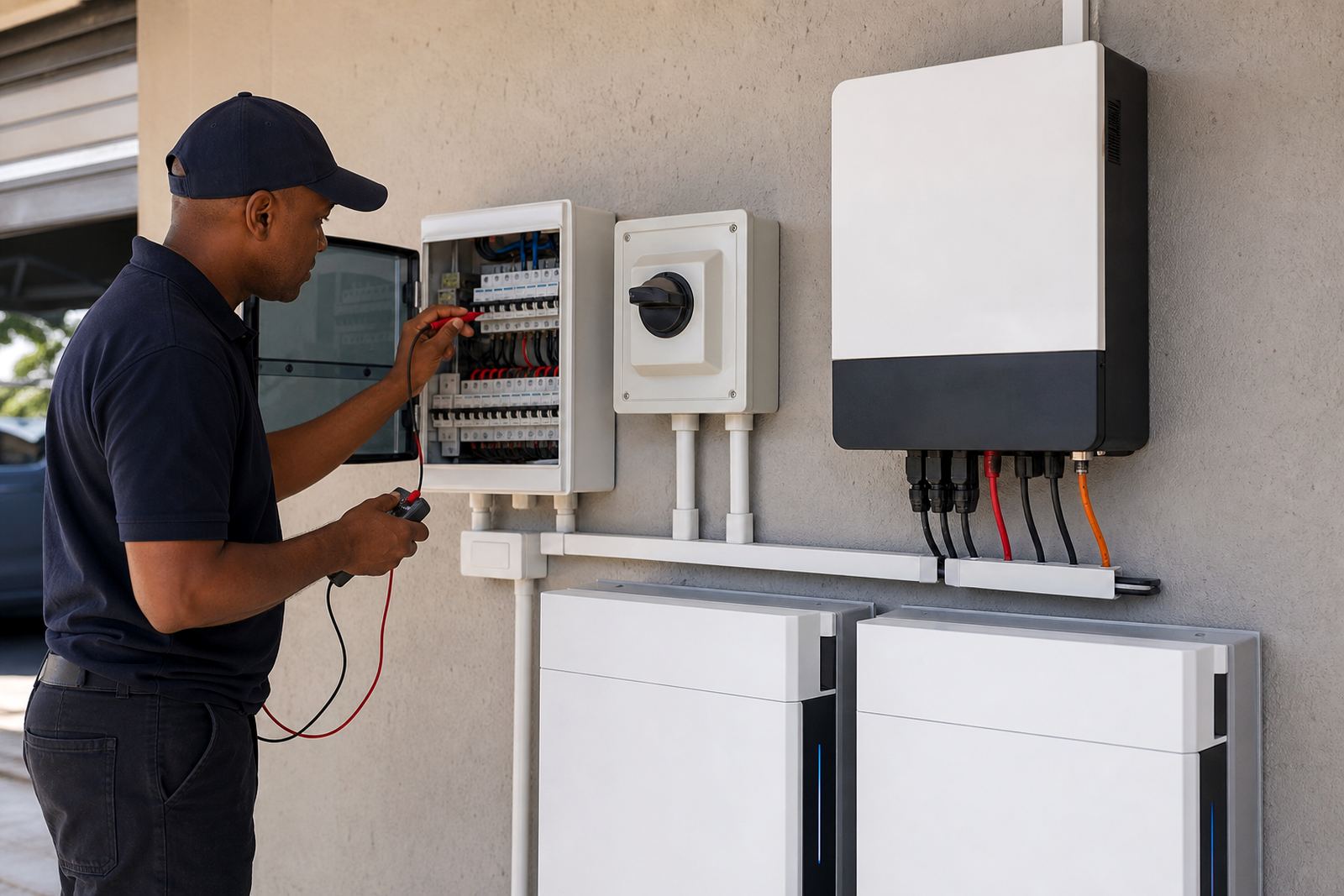
All installations must be done by a registered electrician, and a certificate of compliance is required for the electrical work. That applies whether the system is installed in a single shop or across a small business unit in a centre. If the backup system is grid-tied, municipal registration is needed as well, and the registration requirements should be checked before commissioning.
The installation usually includes inverter mounting, battery placement, essential circuit wiring, changeover solutions and final commissioning. If the store needs monitoring setup, that can be added so the battery status and load are easier to check during trading hours. Wiring should be neat and clearly labelled, with the backed-up circuits identified for staff use.
Power needs should be reviewed before any equipment is selected. Shops with tills and routers only need a different arrangement from shops with lighting, security and several workstations. Backup is handled through electrical storage and inverter supply rather than fuel-based generation.
- Confirm which circuits must stay live during load-shedding
- Check the combined load of till equipment, lights and networking gear
- Allow space for safe battery ventilation and access
- Ask whether the site needs municipal registration for a grid-tied arrangement
- Keep the CoC and commissioning records with the store compliance file
Care, servicing and battery life
Once installed, the pack should be checked regularly so it keeps performing properly. Batteries should not be left at unhealthy charge levels for long periods, and the inverter should be kept free of dust and blocked airflow. A retail setting can collect paper dust, packaging debris and airborne grime faster than people expect, so a bit of routine care helps a lot.
Routine servicing can include fault checks, battery health checks, cable inspections and a review of whether the load has changed since installation. If your shop adds more lights, another till point or extra security equipment, the backup sizing may need to be adjusted. That is often cheaper and easier than pushing an undersized system too hard.
If the store is closed for periods, the system still needs attention. Batteries self-manage quite well, but they are not fit-and-forget items. A simple service schedule helps catch loose connections, abnormal alarms and charging issues before they become a trading problem.
Before you buy a backup system
Before ordering, it helps to know exactly what the pack must support. A clear equipment list makes the size easier to match and avoids paying for capacity you do not need. It also reduces the chance of overloading the inverter when the first outage arrives.
Good order details include the number of tills, the lighting type, the router and network equipment, the security devices and the expected outage duration you want to cover. If the shop has a fridge, freezer or any motor load, mention it separately because those items can change the design entirely. If you are not sure, a site assessment is the right starting point.
- Number of backed-up lights and their wattage
- Type of till, card machine and internet equipment in use
- Any cameras, alarm panels or access control that must stay on
- Whether the site needs a changeover switch or dedicated essential circuits
- Available wall space, ventilation and cable route for the equipment
- Whether the premises are owner-occupied or part of a landlord-controlled centre
How PowerCut supports retail sites across Gauteng
PowerCut works with residential and commercial clients from Randburg, Johannesburg, Pretoria, Centurion, Midrand, Roodepoort, Sandton and Fourways. The team handles site assessments, backup sizing, inverter installation, battery installation, essential circuit wiring, system commissioning, compliance support, monitoring setup, battery expansions, fault checks and routine servicing. That makes it easier for a shop owner to deal with one supplier from the first check to the final handover.
The retail backup pack is set up to be practical for daily use. It is sized around the actual trading load, not guesswork, and can be adjusted if the business grows or the load pattern changes. If you need help working out what should be included, write to PowerCut through the contact page form and a member of the team can review the site requirements with you.
System at a glance
| Product type | Retail backup pack for essential shop loads |
|---|---|
| Core components | Inverter, lithium battery, changeover arrangement, essential circuit wiring |
| Typical loads | Tills, lights, router, card machine, cameras and alarm panel |
| Installation requirement | Registered electrician with certificate of compliance |
| Grid-tied requirement | Municipal registration required |
| Service area | Randburg, Johannesburg, Pretoria, Centurion, Midrand, Roodepoort, Sandton and Fourways |