What a 1kW inverter kit is designed to do
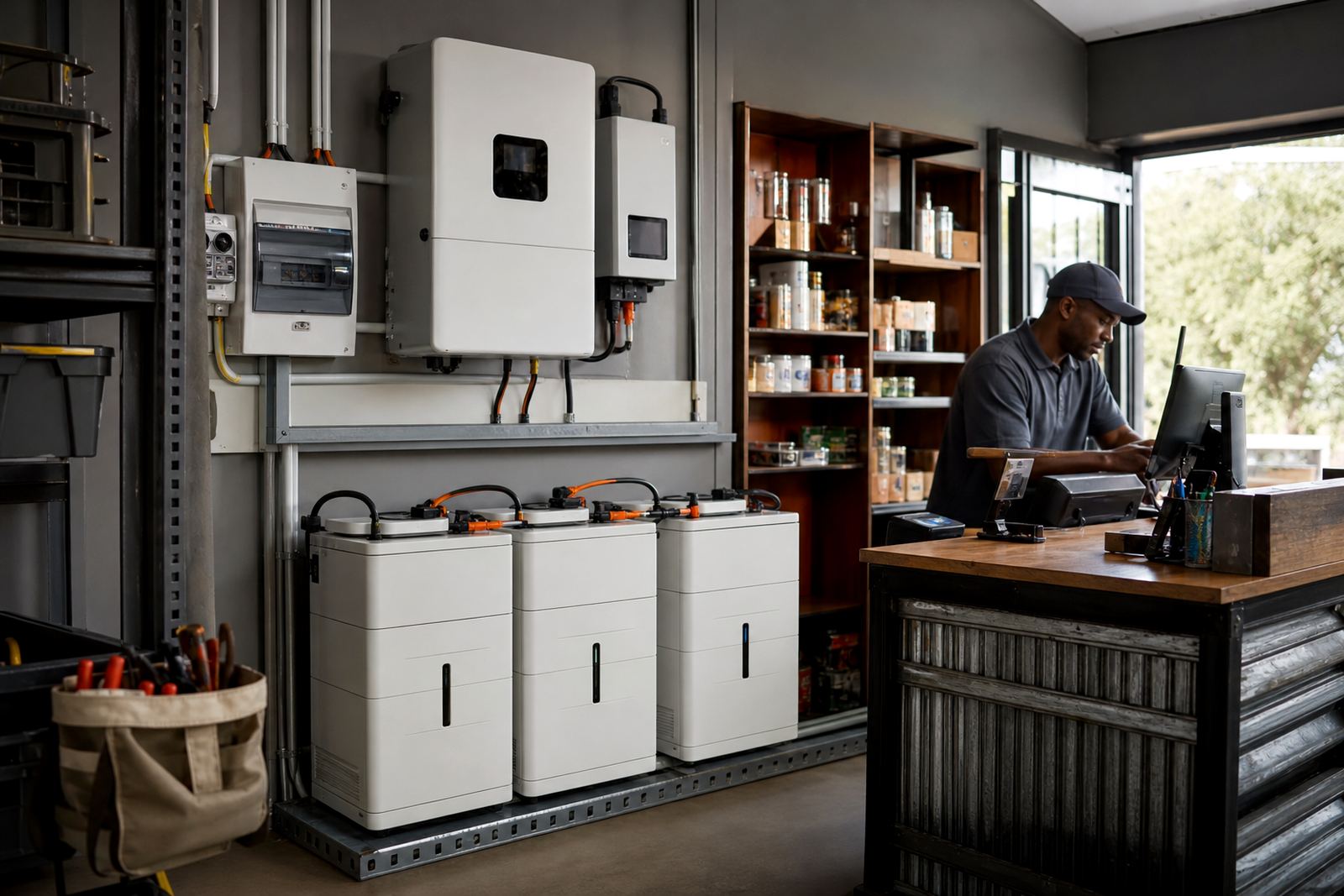
This kit is intended for basic backup during load-shedding and short outages, not for running large appliances. In practical terms, it keeps the important things going such as LED lights, Wi-Fi, TV, a laptop, phone charging and a few low draw plugs. For many flats and smaller homes in Randburg, Sandton, Fourways and the wider Johannesburg area, that is often enough to get through an outage without making the home feel shut down.
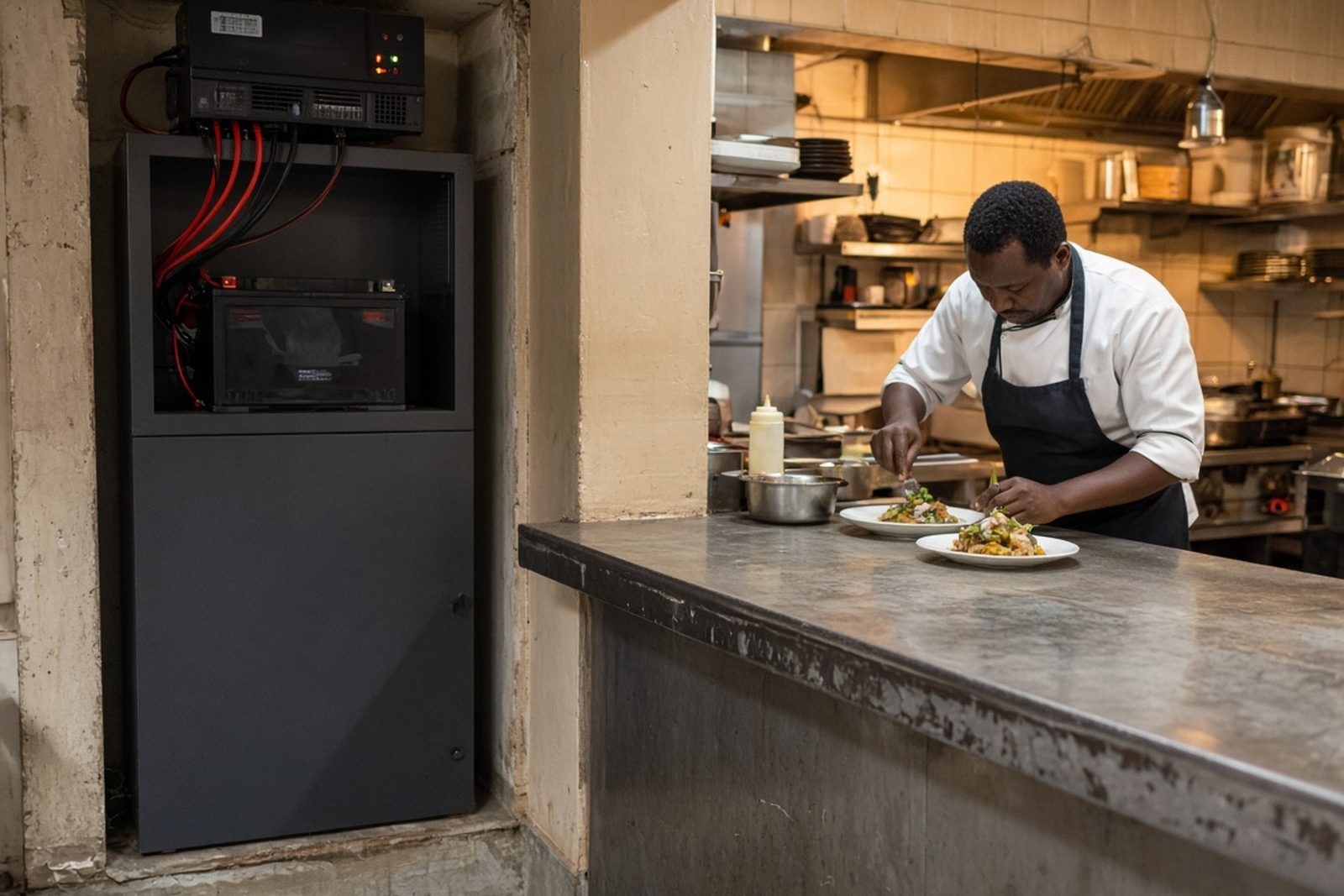
A 1kW inverter is usually paired with one lithium battery, though the exact battery size depends on how long you want backup to last and what you want to power. A smaller setup can cover a few hours of light use, while a larger battery gives more runtime for evening outages. The actual result depends on the load, the battery capacity and how many appliances are switched on at once.
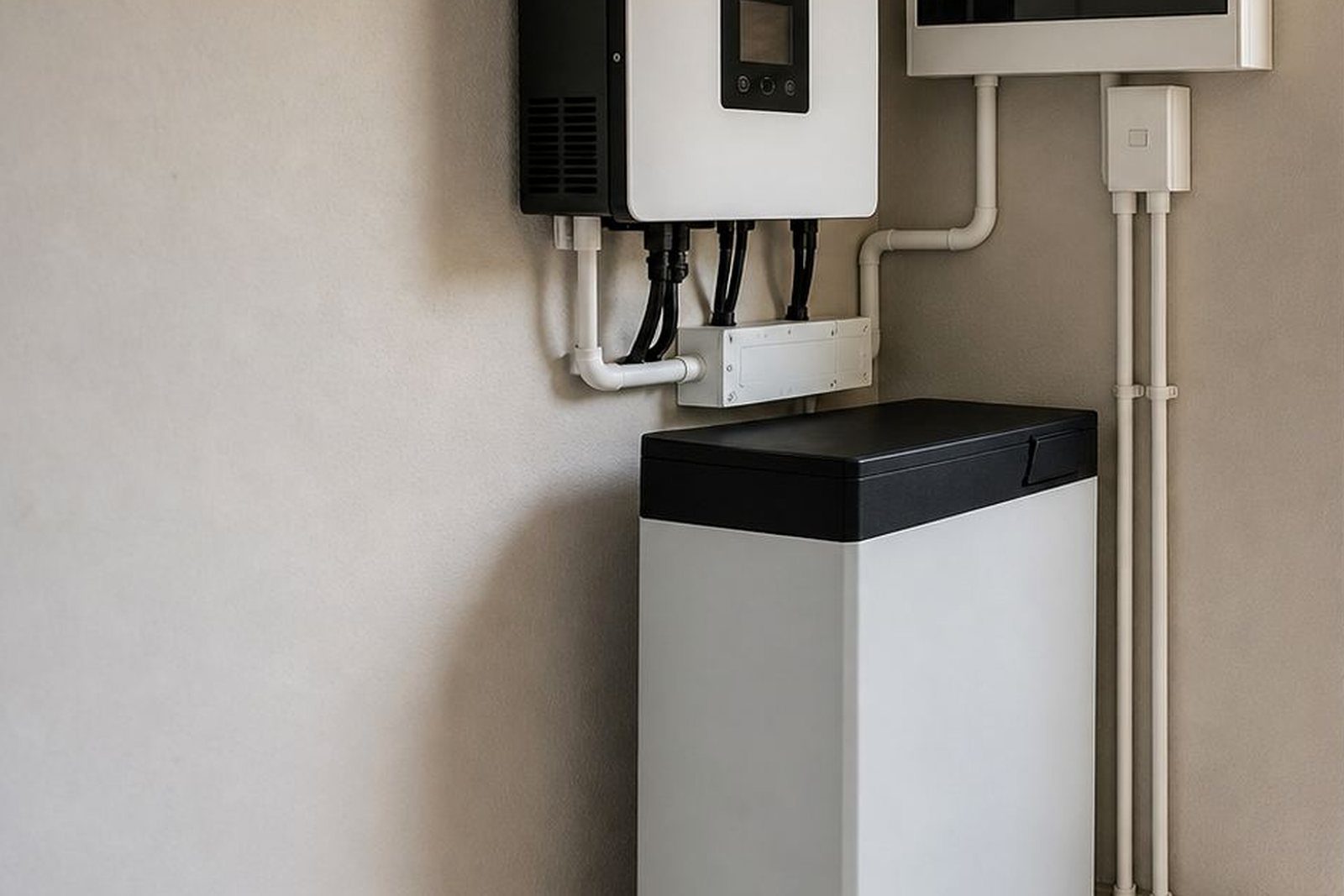
Because this is a compact system, it works best when the backup plan is clear from the start. If you only need the essentials, a small system is often easier to manage and less costly to maintain than a bigger installation that carries unused capacity. It is also a tidy solution for a room or apartment where space is limited and the electrical board must stay organised.
Typical sizes, battery choices and backup options
There is no single setup that suits every home. The right option depends on how much power you need during an outage, whether the installation will support just a few circuits or selected plug points, and how often you experience load-shedding in your area. In Gauteng, many homes need a practical balance between battery runtime and available wall space.
- 1kW inverter with 1 x 12V or 24V lithium battery for basic essential loads
- Compact backup with dedicated lighting and Wi-Fi circuits
- Expanded battery option for longer evening outages
- Changeover solution for selected essential circuits only
Lithium batteries are commonly used for this type of kit because they charge efficiently and give dependable backup in a compact form. They are also better suited to regular cycling than older battery types, which matters when outages happen often. That said, the battery must still be matched properly to the inverter and the expected draw. Overloading a small inverter or expecting one battery to run heavy appliances is where many problems start.
If you are not sure what size to choose, a proper site assessment is the safest starting point. It helps determine which circuits should be backed up, whether the existing wiring is suitable and how much runtime makes sense for your daily routine.
Share what must stay on during an outage and the size of the property, and a backup planner will phone or message you.
Contact formWhere this small backup kit suits best
This product suits flats, smaller homes, townhouse units, garden cottages and small offices that only need the essentials covered. It is also useful where the budget and available space call for a simple system rather than a full-house setup. In places like Midrand, Centurion, Roodepoort and Pretoria, it is common for clients to want power for working from home, router uptime and a few lights during the evening.
It is a good fit when the goal is not to keep every appliance running. Instead, it supports the items that make a load-shedding period manageable. That can include phone charging, a modem or router, a small entertainment setup and kitchen lights. If you need to run kettles, heaters, microwaves or other high draw appliances, a 1kW kit is generally not the right size.
- Suitable for essential lighting and connectivity
- Better for smaller homes than for large family houses
- Useful where space is limited in the utility area
- Works well for offices needing basic continuity
In coastal or humid conditions, battery placement and ventilation matter even more. Inland Gauteng homes still need a clean, dry installation area with enough airflow around equipment. A neat location also helps with future servicing and keeps dust build up under control.
Installation, registered electrician work and compliance
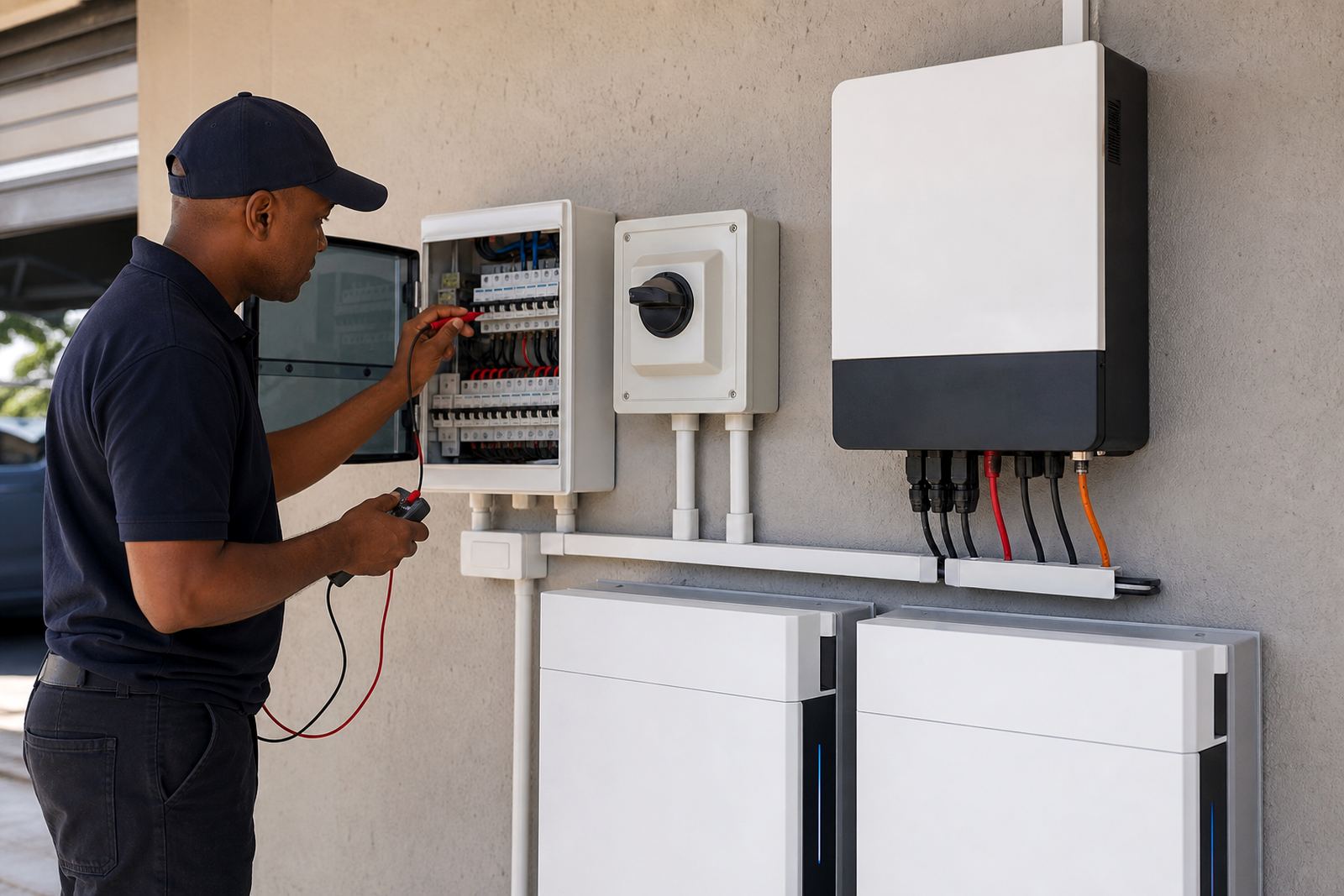
A 1kW inverter kit must be installed by a registered electrician. The installer needs to check the existing board, decide which circuits will be backed up and ensure the wiring is safe for the load being carried. Once the installation is complete, a certificate of compliance is required. This is not optional, and it is important for both safety and insurance purposes.
If the system is grid-tied, it may also need municipal registration depending on the local rules in your area. That is especially relevant where the backup system can interact with the supply network or where the municipality requires a formal declaration. It is best to confirm the rules before installation so there are no delays after the equipment is fitted.
Our team handles site assessments, backup sizing, essential circuit wiring, system commissioning and compliance support. We also assist with monitoring setup where required, so you can keep an eye on how the system is behaving during outages and charging periods. For homes and businesses in Johannesburg, Sandton, Fourways and the surrounding areas, this practical approach avoids guesswork and helps the system work as intended.
Care, servicing and keeping the system reliable
Like any backup system, a 1kW inverter kit performs best when it is looked after. Lithium batteries do not need the same kind of maintenance as older battery types, but the system still benefits from regular checks. Dust, loose connections, ageing cables and poor ventilation can all affect performance over time. A simple service now and then can prevent a small issue from turning into a fault during an outage.
Routine servicing is especially useful if you use the system often or if the home has had electrical changes since the installation was done. If a battery expansion is planned later, it should be added properly and checked against the inverter settings and cabling capacity. Don’t just add hardware and hope for the best, because the whole setup needs to stay balanced.
- Keep the area around the inverter clean and dry
- Do not cover vents or stack items against the unit
- Check for warning lights, alarms or unusual fan noise
- Book fault checks if runtime changes suddenly
- Have the wiring reviewed after renovations or board changes
In a busy household, the main thing is consistency. If the system is used for the same loads every day, it becomes easier to spot a change early. That makes servicing simpler and usually cheaper than waiting for a complete failure.
Before you buy a backup system
Before ordering a 1kW inverter kit, it helps to know exactly what the system must support. Start with the appliances you want backed up, then separate the essentials from the nice-to-have items. A router and a few lights are very different from a fridge or kettle, so the load list matters. If you are unsure, a proper backup sizing check is the best way to avoid undersizing or overspending.
It also helps to confirm where the equipment will be installed, whether there is enough wall space and if the electrical board already has room for the additional work. In some homes, the current wiring must be adjusted before the backup side can be connected safely. That is normal and should be planned from the start.
- What you need to power during outages
- How long you want the backup to last
- Whether the system will be for one room or several circuits
- If your property needs municipal registration for grid-tied use
- Whether a compliance certificate will be required after installation
Clients across Gauteng can reach us through the enquiry form on our contact page. From Randburg to Pretoria, Centurion, Midrand and Roodepoort, we help with site assessments, product selection and the practical details that make a small backup kit work properly from day one.
System at a glance
| System size | 1kW inverter kit for essential backup loads |
|---|---|
| Battery type | Lithium battery compatible |
| Typical use | Lights, Wi-Fi, TV, phone charging and selected plugs |
| Installation | Registered electrician required |
| Compliance | Certificate of compliance required after installation |
| Coverage area | Randburg, Johannesburg, Pretoria, Centurion, Midrand, Roodepoort, Sandton and Fourways |