What a changeover switch does in a backup system
A changeover switch is the component that lets you select which supply is feeding the property. In a backup setup, that usually means choosing between the grid and an inverter backed by lithium batteries, or between grid power and a generator where that is the arrangement. It helps prevent back-feeding and keeps the switching method clear for the person using it.
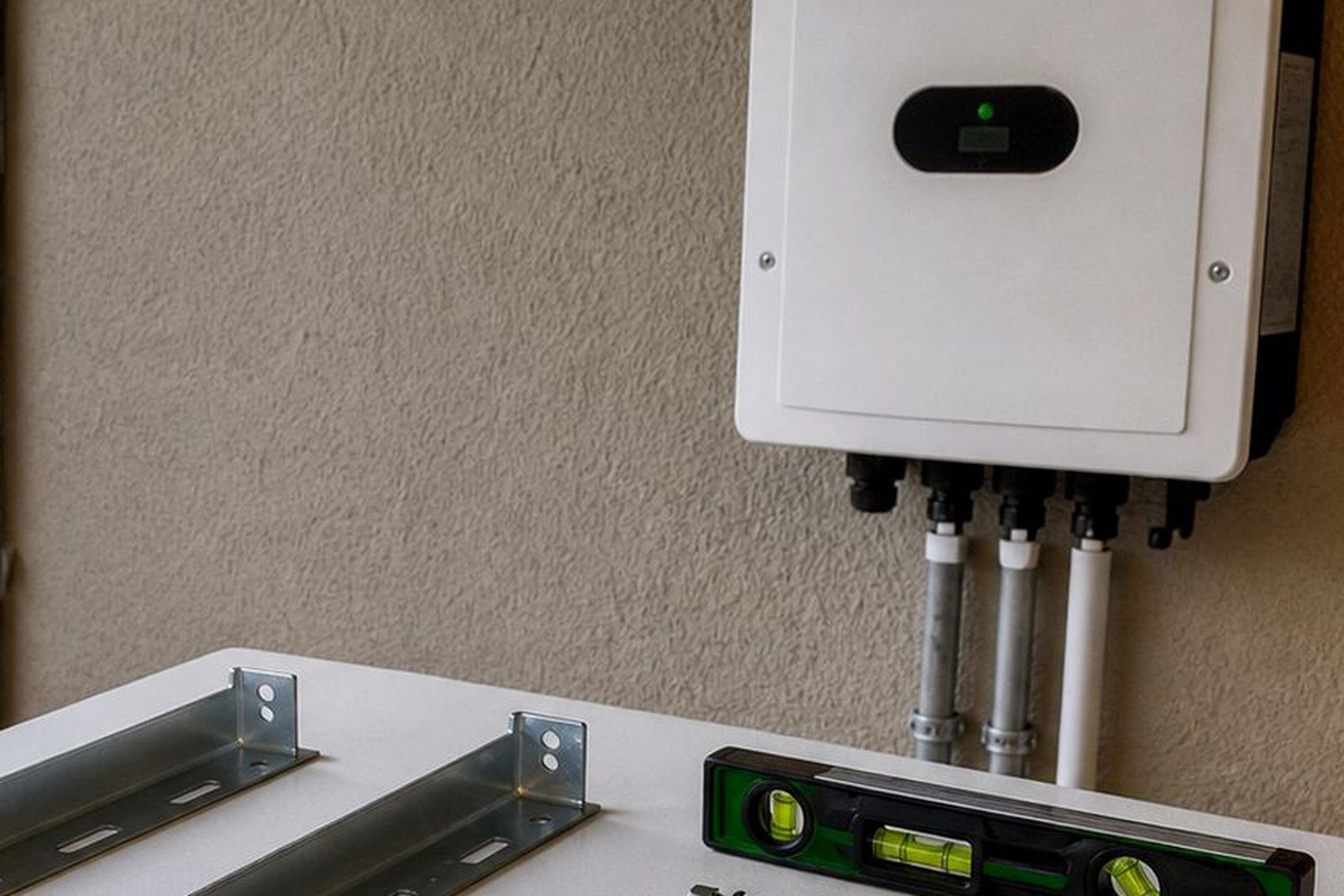
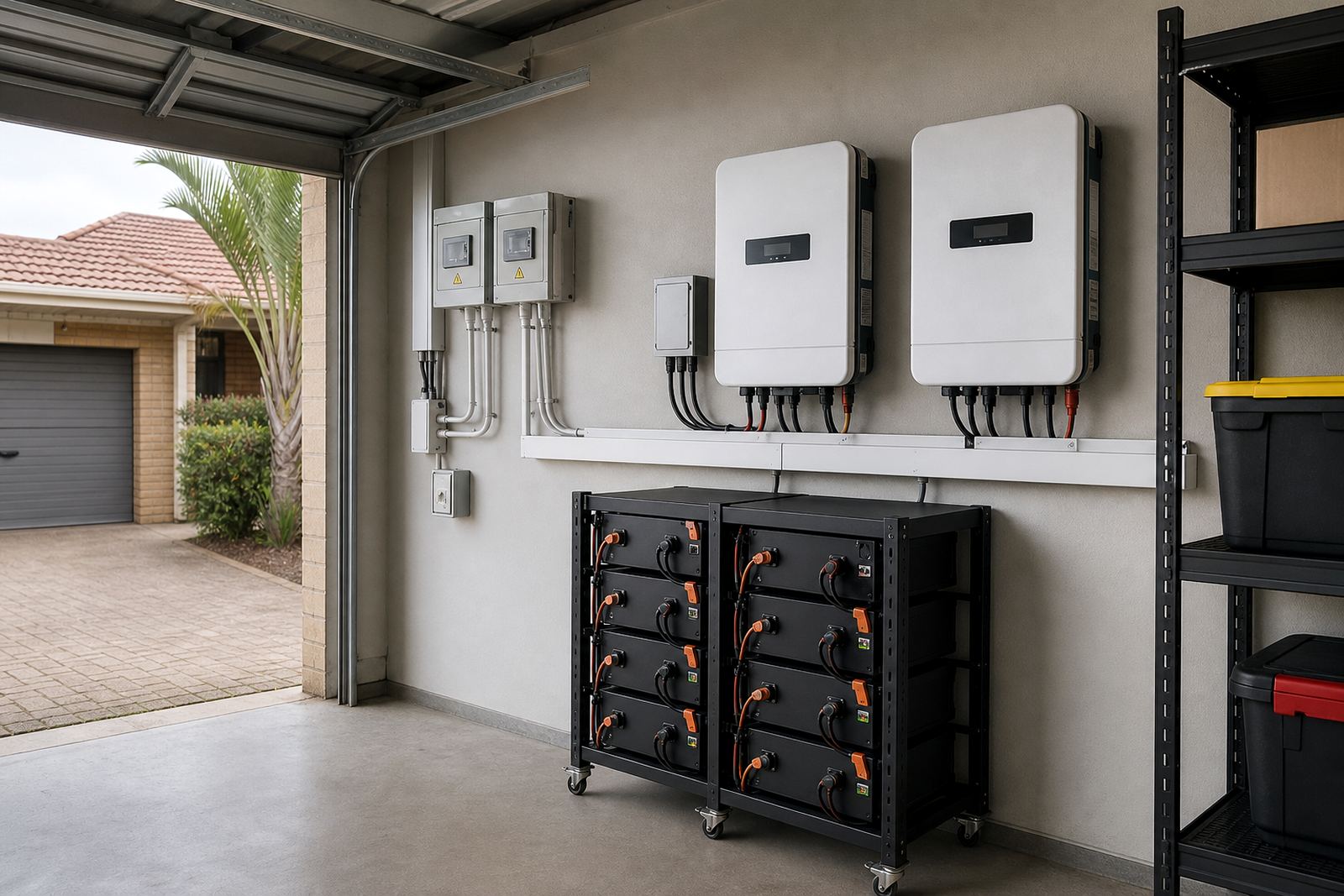
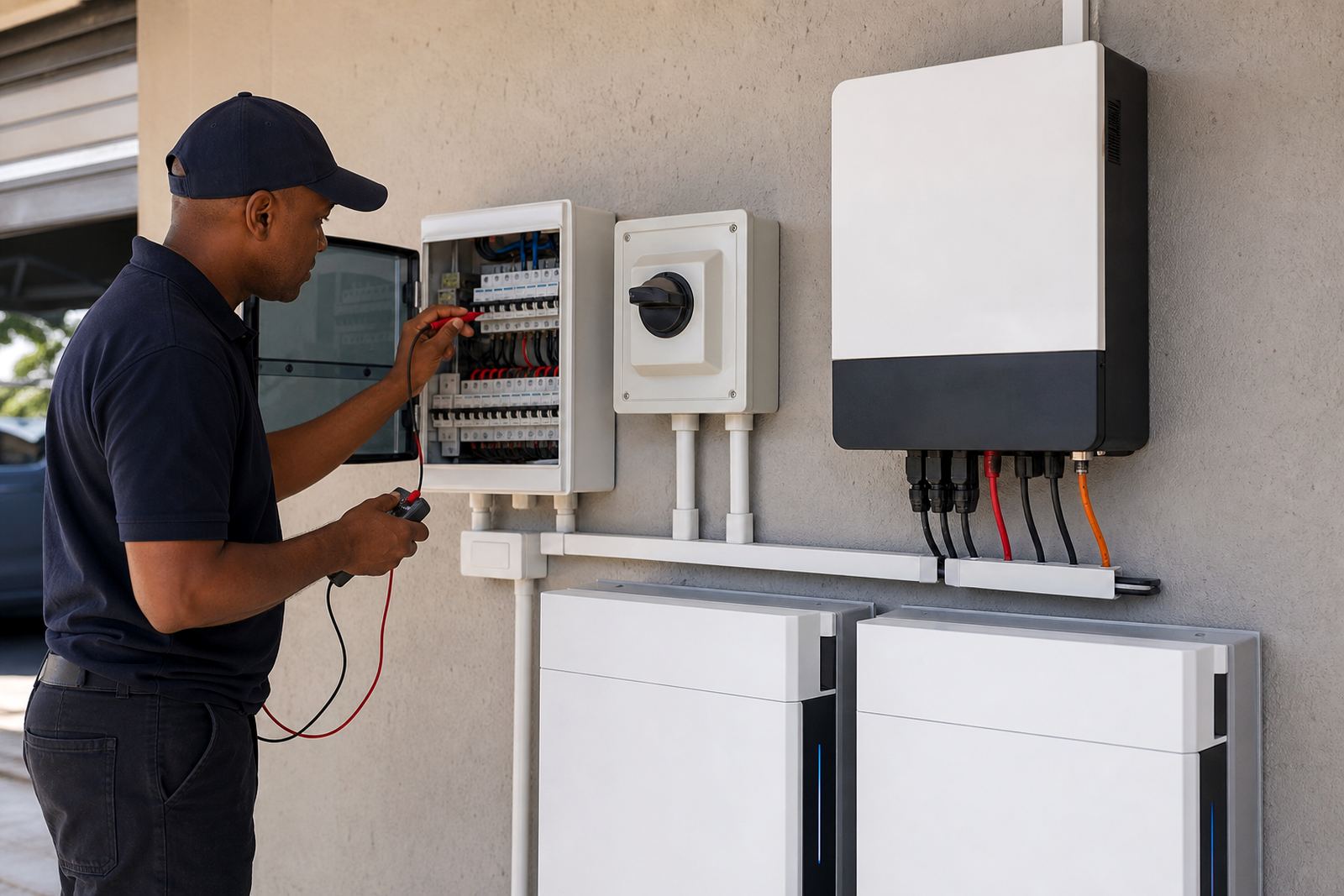
For many Randburg, Sandton and Midrand properties, the changeover is fitted at the distribution board or in a separate enclosure close to it. The exact arrangement depends on the size of the installation, the essential circuits being backed up, and whether the system is single phase or three phase. A small home may only need a simple manual unit, while a business with more than one supply path may need a dedicated multi-pole setup.
It is important to note that the electrical work must be done by a registered electrician, and the finished installation should be issued with a certificate of compliance. Where the inverter is tied to the municipal supply, registration with the local municipality is also required. That applies in Johannesburg and the other Gauteng metros too, so the paperwork should be part of the plan from the start.
Manual, dedicated and multi-pole options
Changeover switches are available in a few practical forms. The right one depends on the source of backup, the amount of load being shifted and how often the system is used. In homes across Roodepoort and Pretoria, a manual switch is common because it is simple and easy to check. In commercial settings, a dedicated isolator or multi-pole arrangement may be better where several phases or supply paths are involved.
- Manual changeover: selected by hand, suitable for straightforward backup use.
- Single-pole or double-pole: common for smaller residential installations, depending on how the circuit is arranged.
- Three-pole or four-pole: used where three phase supply or neutral switching is needed.
- Wall or enclosure mounted: fitted neatly near the board or inside a suitable enclosure.
For inverter installations, the switch must match the system architecture. If the inverter feeds only essential circuits, the changeover may be arranged only for those circuits. If the property uses a full backup board, the component should suit the total load and the way the circuits are separated. A mismatch can cause nuisance tripping, awkward switching, or an installation that is hard to maintain.
Share what must stay on during an outage and the size of the property, and a backup planner will phone or message you.
Contact formHow we size the switching point for your load
Size matters with a changeover switch because the current rating must suit the actual load on the circuit. A switch that is too small can overheat or fail under normal use, while an oversized unit may add unnecessary cost and take up more space. We look at the distribution board, the inverter output, battery backed circuits and the starting load of appliances before selecting a suitable option.
For a house in Fourways with lights, fridge, Wi-Fi and a few plugs on backup, the switching arrangement is usually far simpler than for a small office in Centurion with workstations, network equipment and gate systems. In both cases, the electrician should verify the cable size, breaker ratings and enclosure space before installation. Coastal humidity is less of a factor in Gauteng than on the coast, but dust and heat still matter, so the hardware should be installed in a dry, ventilated place.
- Match the switch rating to the maximum expected current.
- Check whether the system is single phase or three phase.
- Confirm if neutral switching is required.
- Allow space for labels, isolators and future maintenance access.
Where battery backup is part of the system, the changeover should work cleanly with the inverter transfer time. That way the transition is controlled and the critical circuits stay properly isolated from the supply side.
Where it suits homes, offices and light industry
A changeover switch suits any property that needs a clear, safe method of switching between power sources. In homes, it is often used for load-shedding backup on essential circuits only, rather than the whole property. In businesses, it can support reception areas, point of sale, comms gear, lighting and selected office circuits. Light industrial sites may use it for specific machines or control systems where a full site backup is not practical.
Our Gauteng clients often ask for changeover solutions in Johannesburg, Sandton, Midrand, Pretoria and Roodepoort where load-shedding affects daily operations and municipal compliance matters. It is also useful where a site is being phased, so the backup can be expanded later with more batteries or additional circuits. That makes it a practical choice for businesses that want a manageable start and room to grow.
Some sites have a generator point as well as inverter backup. In those cases the switching arrangement should be planned carefully so the different sources cannot be connected in an unsafe way. The electrician should also confirm whether the site requires clear labelling, lockable isolation or additional protection in line with the board layout.
Installation, compliance and power requirements
Installation should always be done by a registered electrician. The electrician will check the supply arrangement, the breaker sizes, the cable route and the earth leakage protection before fitting the changeover. If the installation includes grid tied equipment, municipal registration is needed, and the final certificate of compliance should reflect the completed work.
The main needs are correct electrical sizing, suitable mounting space and a board that can accept the additional component. In some properties, the installer may also need to reroute essential circuits or add a small sub-board so the changeover only controls the loads that must stay on during outages.
- Confirm the supply type and phase arrangement.
- Check compatibility with the inverter and battery system.
- Make sure the enclosure is accessible and labelled.
- Keep switching instructions simple for the people who will use it.
At PowerCut, we work with site assessments, backup sizing, inverter installation, battery installation and compliance support so the changeover fits the rest of the system properly. That is especially important where the backup must be practical for daily use and not just technically correct on paper.
Upkeep, servicing and what to confirm before you buy
A changeover switch needs little day-to-day attention, but it should not be forgotten after installation. During routine servicing, the electrician should check for heat marks, loose terminations, worn labels and any signs of movement in the enclosure. If the switch is used often during load-shedding, a periodic check is sensible because repeated switching can reveal issues that were not obvious at first.
Before ordering, check the following points so the right component is supplied first time. This saves time on site and helps avoid extra work for the electrician.
- The supply type: single phase or three phase.
- The required current rating in amps.
- Whether the switch is for inverter backup, generator backup or both.
- Mounting space in or near the distribution board.
- Whether neutral switching is needed.
- Whether the setup will remain fixed or be expanded later.
If you are unsure, our team can talk through the layout from Randburg, Johannesburg base and help you work out what suits the property. The enquiry form on our contact page is the easiest way to reach us, and it helps us ask the right questions before a visit is arranged.
System at a glance
| Product type | Manual or dedicated electrical changeover component |
|---|---|
| Use case | Switching between municipal supply and backup supply |
| Common ratings | Sized to suit the site load, phase arrangement and circuit design |
| Phase options | Single phase and three phase applications |
| Installation | Registered electrician required with certificate of compliance |
| Compliance | Municipal registration required for grid tied systems |