
What a generator input panel does in a backup setup
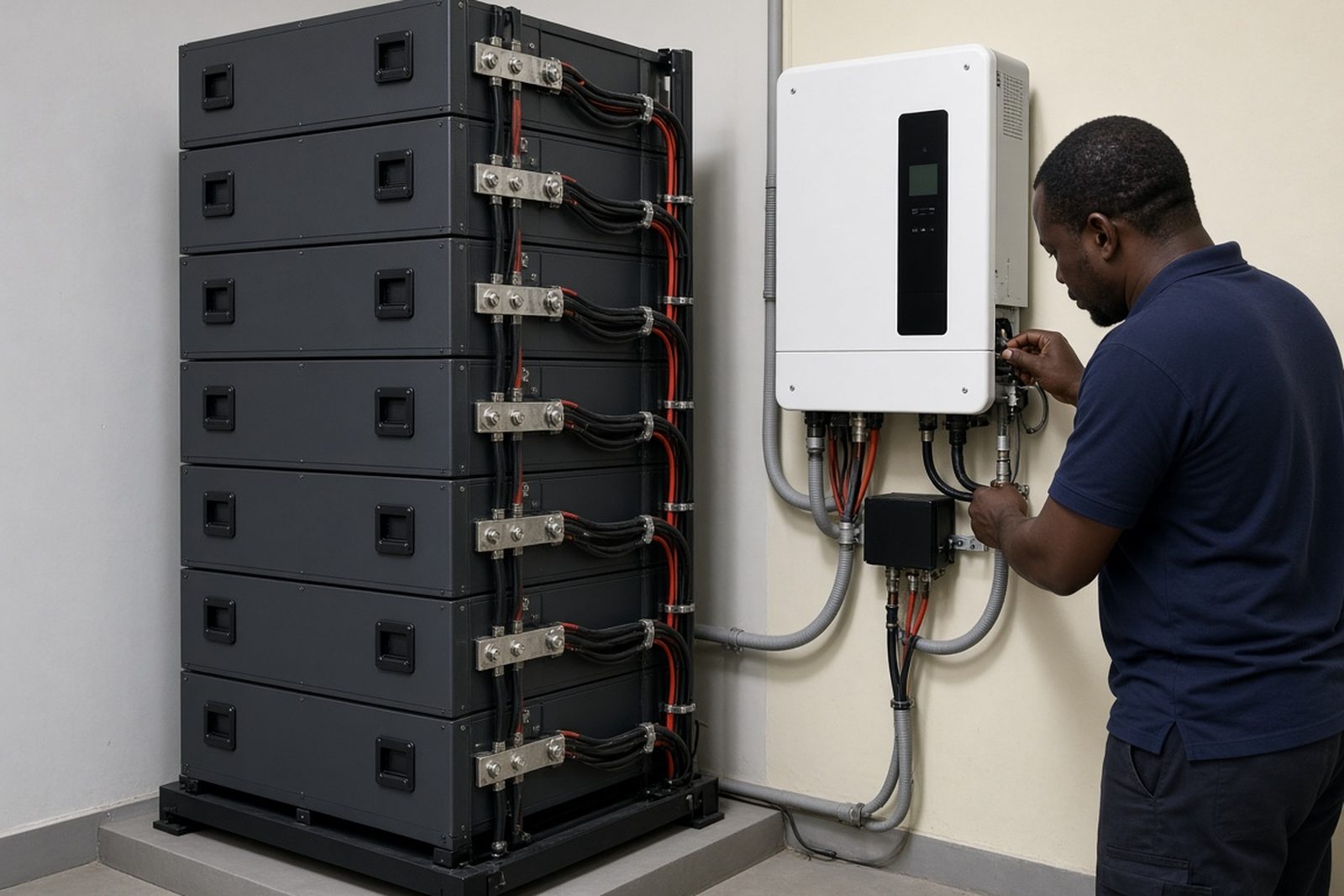
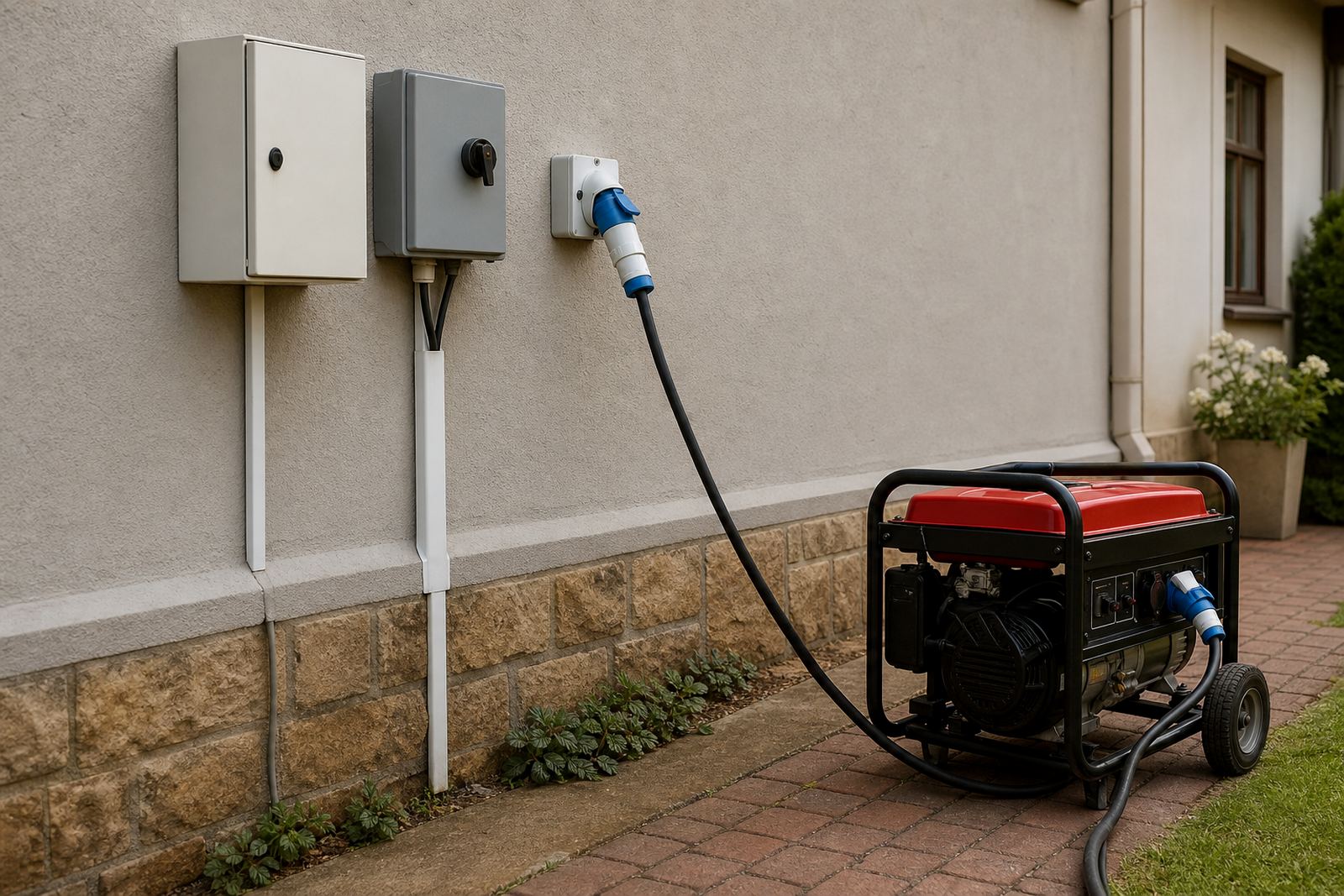
A generator input panel is the fixed point where a generator can be connected to a backup system without running loose extension leads through the property. In practical terms, it gives the electrician a proper changeover route so selected circuits can receive power from the generator when the grid is off. It is commonly used with inverters and lithium battery systems where the owner wants longer runtime for lights, routers, security equipment, tills, gate motors, office IT or refrigeration.
In many Randburg and Johannesburg properties, the panel is fitted as part of a larger backup arrangement rather than as a stand-alone item. That means the electrician can plan the generator feed, isolation, protection and circuit split properly. It is safer, tidier and easier to inspect later if there is a fault or upgrade. For businesses in Gauteng with repeated outages, the panel also helps with planned operation during longer interruptions when battery power alone is not enough.
The key point is that the panel should be matched to the rest of the system, not chosen in isolation. A small home setup and a light commercial setup may both need an input panel, but the number of circuits, current rating and changeover method can differ quite a lot.
Typical sizes, ratings and panel options
Generator input panels are usually specified by the electrician to suit the supply and the backup load. Common options include compact single-phase panels for homes and larger single-phase or three-phase boards for shops, offices, workshops and sectional title sites. The panel may include a generator inlet, isolator, circuit protection and a changeover arrangement, depending on the design of the installation.
- Single-phase options: often used for homes, small offices and medical rooms with essential circuits only.
- Three-phase options: suited to larger properties, motor loads and commercial sites that already use three-phase supply.
- Lower current systems: practical for lighter essential-load backups where the generator is only feeding selected circuits.
- Higher current systems: used where more circuits are supported and cable size, breaker size and inlet rating must all be increased.
Other options can include surface-mounted or flush-mounted housings, weather-resistant enclosures for external areas and clearly marked input points for easy identification. On coastal jobs or damp plant rooms, extra care is needed with corrosion resistance and cable entry sealing. Around Johannesburg and Pretoria, we also see installers choose compact panels where space is limited in garages, passages or outside metre rooms. The aim is not to overload the board but to give a practical, maintainable connection point.
Share what must stay on during an outage and the size of the property, and a backup planner will phone or message you.
Contact formWhere this panel suits best
This product suits properties that already have, or are planning, a generator-supported backup system. It is useful where the owner wants to keep essential loads running during load-shedding, but also wants a proper connection point for occasional generator use. Homes in Sandton, Fourways, Roodepoort and Midrand often use it for the essential loads panel, while small businesses in Centurion, Pretoria and central Johannesburg use it for office continuity, point-of-sale equipment and security systems.
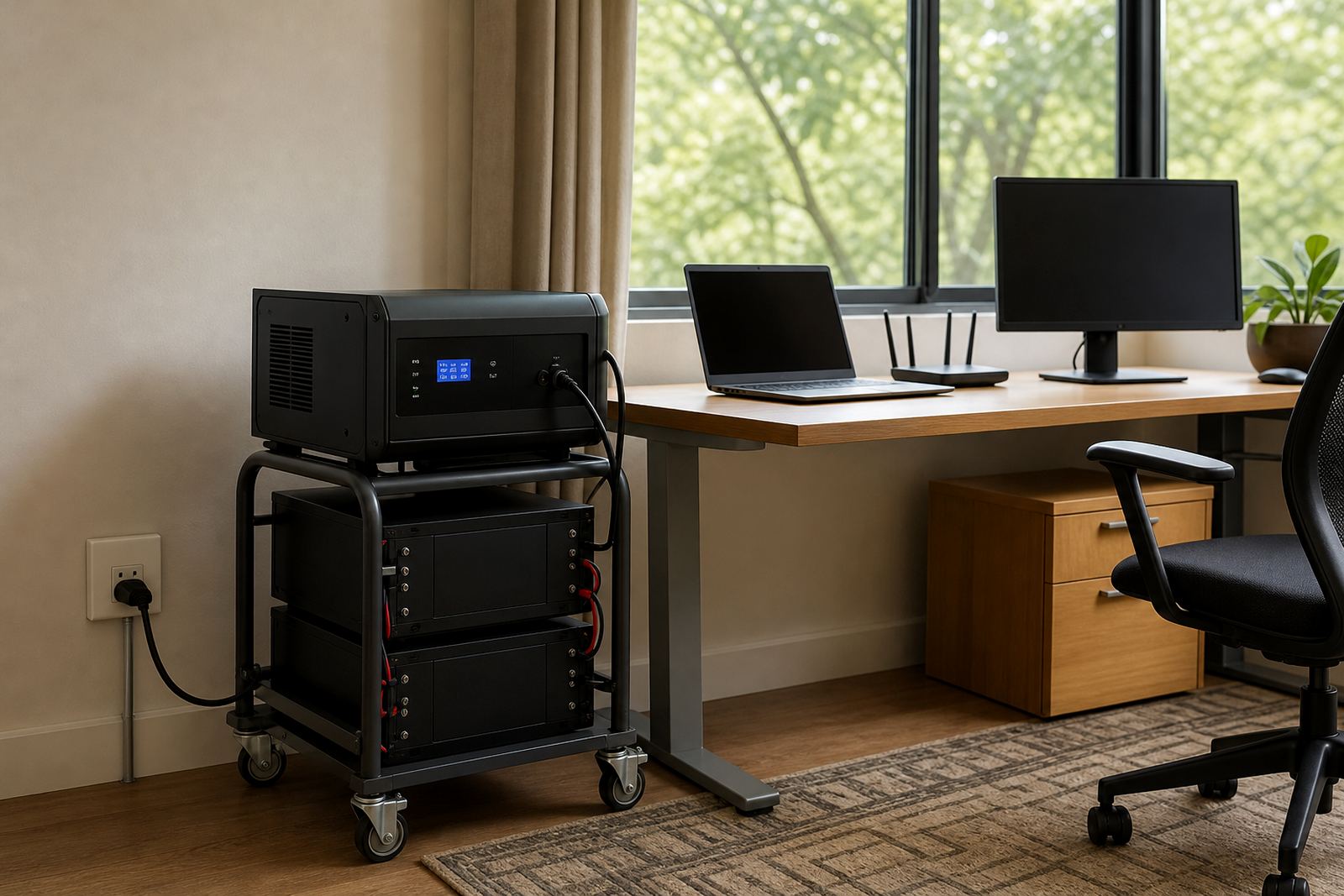
It is especially practical where battery backup covers most outages, but a generator is kept as a longer-duration support option. That approach is common for larger homes, guest houses, medical practices, remote working offices and light commercial spaces. It can also help where battery capacity is limited and the owner needs a fallback for cloudy weather, long outages or repeated municipal interruptions. In these cases the generator input panel becomes part of a layered backup plan, not the only source of power.
If the site has multiple loads, the electrician may separate essential circuits from non-essential circuits so the generator only carries what is needed. That helps keep the system manageable and reduces unnecessary strain on the equipment.
Installation rules, electrical supply and compliance
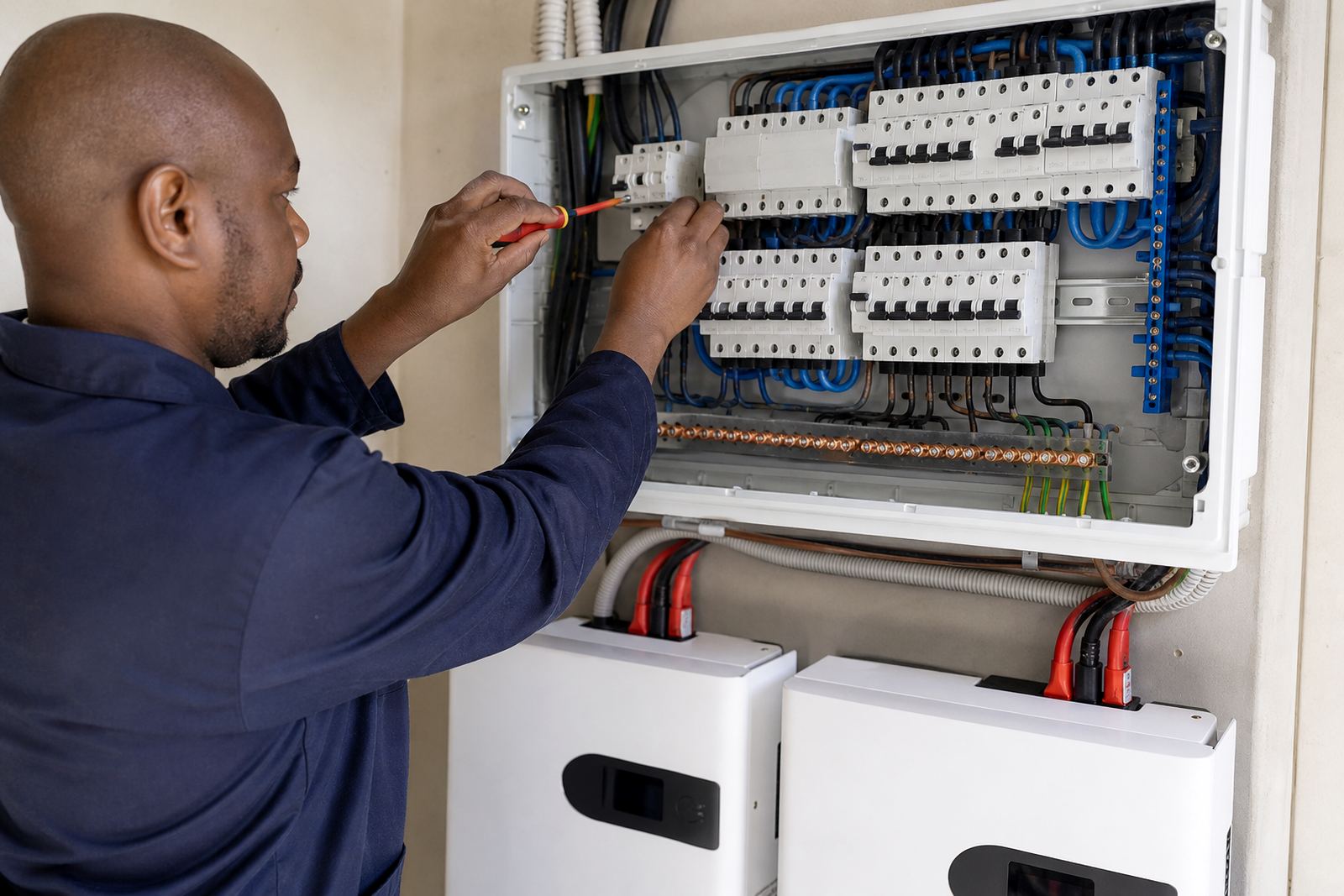
Installation must be done by a registered electrician. That is not optional, because the panel becomes part of the fixed electrical installation and must be wired correctly, tested and signed off. A certificate of compliance is required for the relevant work, and grid-tied systems need municipal registration where applicable. This is especially important in Gauteng, where many properties have mixed backup arrangements and municipal rules can differ by area.
The electrician will normally confirm the supply type, the incoming cable size, the generator rating, the changeover arrangement and the circuits that are to be supported. If the generator is petrol or diesel powered, the installation must also consider outdoor placement, ventilation, noise, safe refuelling and exhaust direction. Never place a running generator in an enclosed garage or under a closed patio. For properties with lithium batteries and inverter systems already in place, the generator input panel must be coordinated with the existing changeover and protection devices so the system does not backfeed or trip unnecessarily.
Good installation also means proper labelling, tested isolation and a clear operating procedure for the owner or site manager. If the panel is fitted near the main distribution board, the electrician should leave enough access for later inspection and servicing. A neat install now saves trouble later, practicaly every time.
Care, servicing and fault prevention
A generator input panel needs less day-to-day attention than the generator itself, but it should still be checked as part of routine backup servicing. Dust, loose terminations, heat discolouration, moisture ingress and worn labels can all create problems over time. In homes and businesses near busy roads or in coastal humidity, regular inspection is worth doing because corrosion and dirt can affect terminals and enclosures faster than many owners expect.
- Check that all labels are clear and the changeover instructions are easy to follow.
- Inspect the enclosure for rust, cracks, moisture or cable damage.
- Confirm that breakers and isolators operate cleanly and are not stiff.
- Have the electrician check terminations after installation and during routine servicing.
- Test the full backup path from source to essential circuits at sensible intervals.
If there are repeated trips, heat marks or a smell of burnt insulation, the system should be inspected straight away. The problem may be at the panel, in the generator feed, or elsewhere in the backup circuit. Routine servicing is also a good time to confirm whether the backup load has changed, because many homes and businesses add more equipment over time and the original sizing may no longer be suitable.
Before you buy a backup systeming
Before ordering a generator input panel, it helps to have a clear list of the site details. The electrician or installer should confirm the supply phase, the size of the essential load, the intended generator rating and the location where the panel will be mounted. On a new site, it is also useful to know whether the generator will be portable or fixed, whether the enclosure needs weather resistance and whether the installation forms part of a grid-tied system that must be registered with the municipality.
- Single-phase or three-phase supply.
- Expected generator size in kVA or current rating.
- Indoor or outdoor mounting location.
- Number of circuits to be supported.
- Whether the panel must work with an inverter and lithium battery setup.
- Need for changeover, inlet protection and clear labelling.
It also helps to know whether the property is a home, shop, office, workshop or mixed-use site. That affects the design and the level of protection needed. For example, a small residential panel may only support lights, Wi-Fi and a few plugs, while a commercial panel may need room for refrigeration, security, computers and access control. Getting those details right at the start keeps the installation straightforward and avoids rework later.
System at a glance
| Product type | Generator input panel for backup power systems |
|---|---|
| Use case | Accepts generator support for selected circuits under electrician control |
| Supply options | Single-phase or three-phase, depending on site requirements |
| Mounting | Indoor or outdoor enclosure options, subject to site conditions |
| Compliance | Registered electrician installation with certificate of compliance; municipal registration where required |
| Typical applications | Homes, offices, shops, workshops and mixed-use properties in Gauteng |