
What a 600W backup unit actually covers
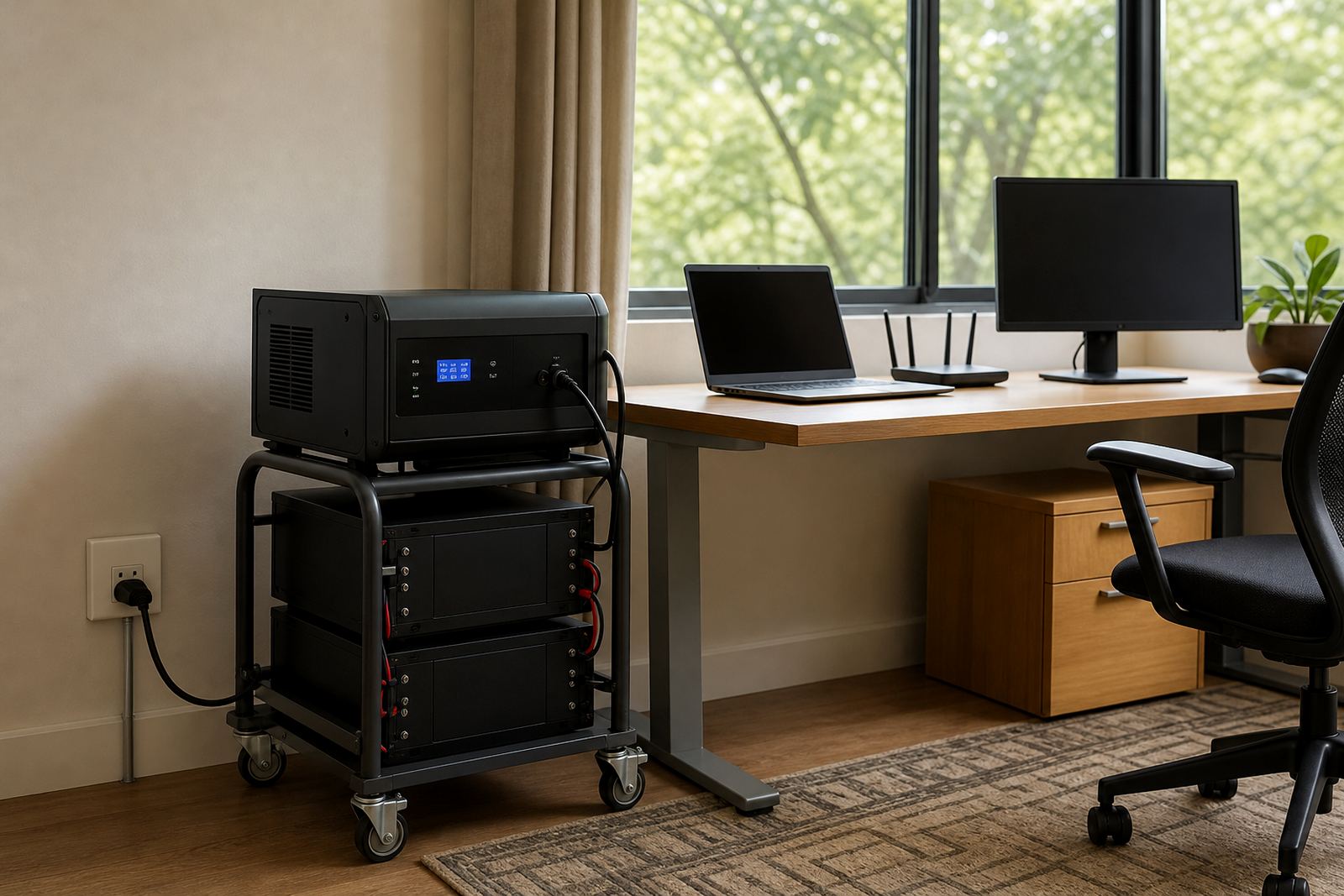
This size is intended for essentials rather than whole-home backup. A 600W setup can usually support items such as a Wi-Fi router, LED lights, a laptop charger, a small TV, a fibre box and a phone charger, provided the total draw stays within the system limit. It is a sensible option when you want enough backup to keep working or stay connected without moving into a larger, more expensive system.
In practical terms, it is best for short outages and careful load control. If you try to run kettles, heaters, microwaves or other high-draw appliances from a unit like this, it will trip or overload. For many households in Randburg, Sandton, Fourways and across Gauteng, 600W is the point where backup becomes useful without taking up too much space or needing a large battery bank.
Typical sizes and setup options
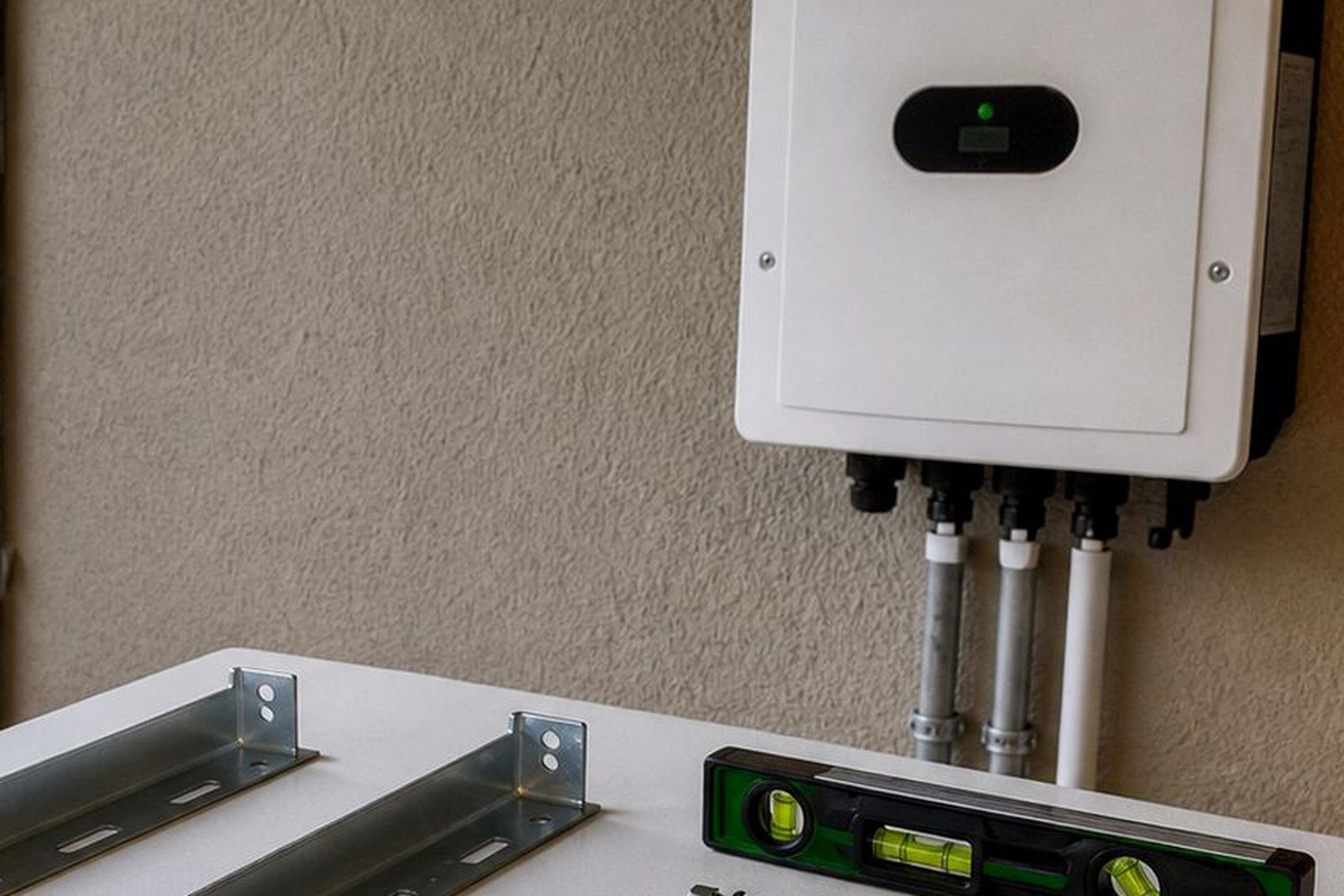
These units are usually built around a compact inverter and a single lithium battery, although the final setup depends on how long you need backup to last and what you want to power. The inverter converts stored battery power into usable AC power for standard household appliances, while the lithium battery stores energy for use during outages. Lithium is commonly chosen because it charges quickly, handles repeated cycles well and takes up less space than older battery types.
When planning a 600W backup unit, the main choices are battery capacity, inverter type and whether you want a simple plug-in arrangement or a more integrated installation. A smaller battery gives shorter runtime but lower upfront cost. A larger battery gives longer backup time, which can be useful if load-shedding hits twice in a day or your area has unplanned outages.
- Compact inverter for light essential loads
- One lithium battery for short to moderate runtime
- Optional battery expansion if your load profile grows
- Wall or floor mounted layout depending on space
Share what must stay on during an outage and the size of the property, and a backup planner will phone or message you.
Contact formWhere this unit suits best
This product suits homes and businesses that only need to keep a few critical items running. In a home office, it can keep your internet connection up, allow laptop charging and support basic lighting so work can continue. In a small business, it may suit reception points, a single workstation, a point-of-sale terminal or basic communications equipment.
It is also a practical fit for flats, townhouses and smaller offices where cupboard space is limited. In parts of Johannesburg and Pretoria where building rules, shared spaces and access control can affect installation, a compact system is easier to place neatly and maintain. In coastal and humid conditions a clean, well ventilated mounting position helps reduce moisture issues over time, even though Gauteng itself is generally less exposed to that than the coast.
- Home offices and study rooms
- Small apartments and townhouses
- Reception areas and small retail counters
- Internet and communication equipment
Installation, wiring and compliance
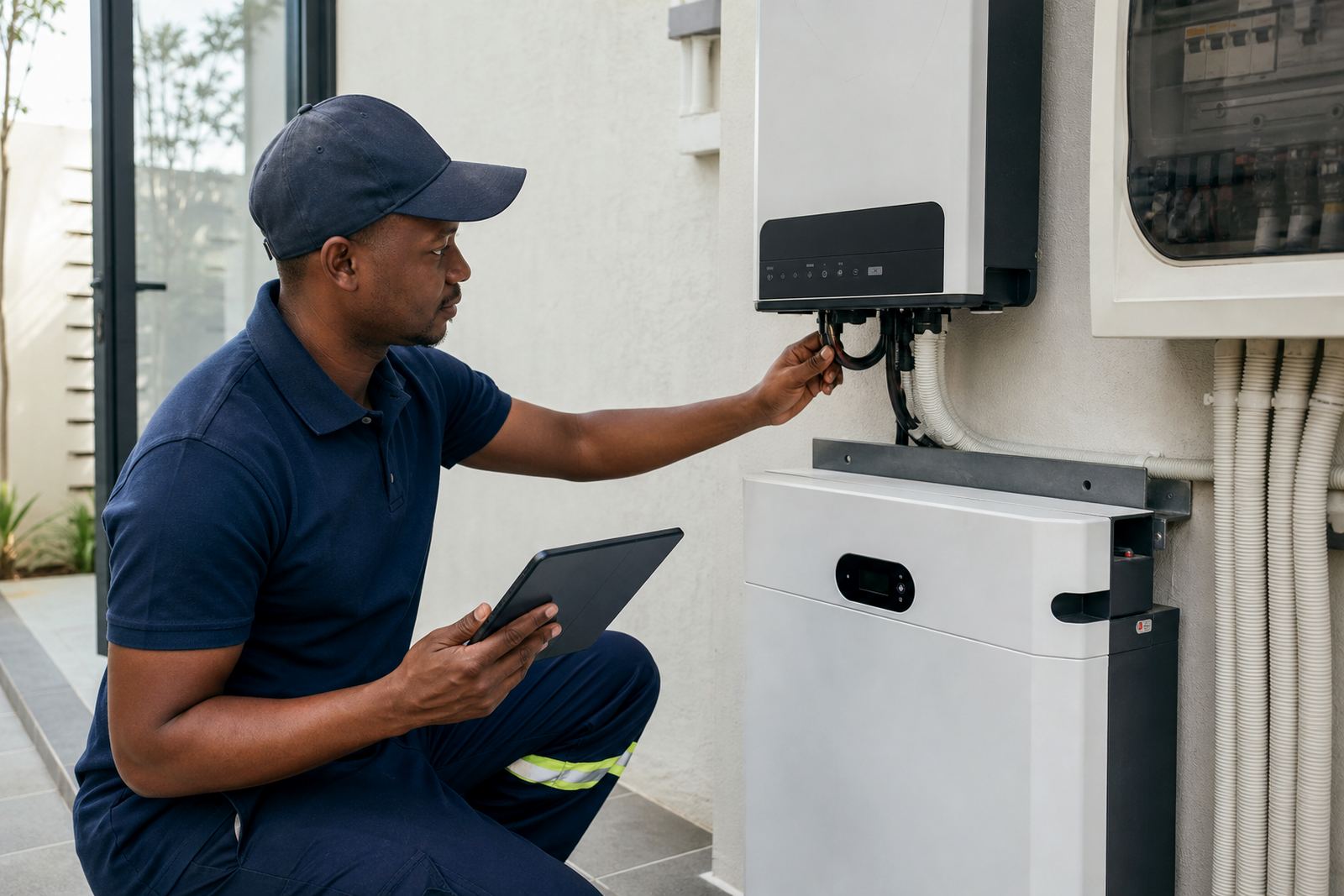
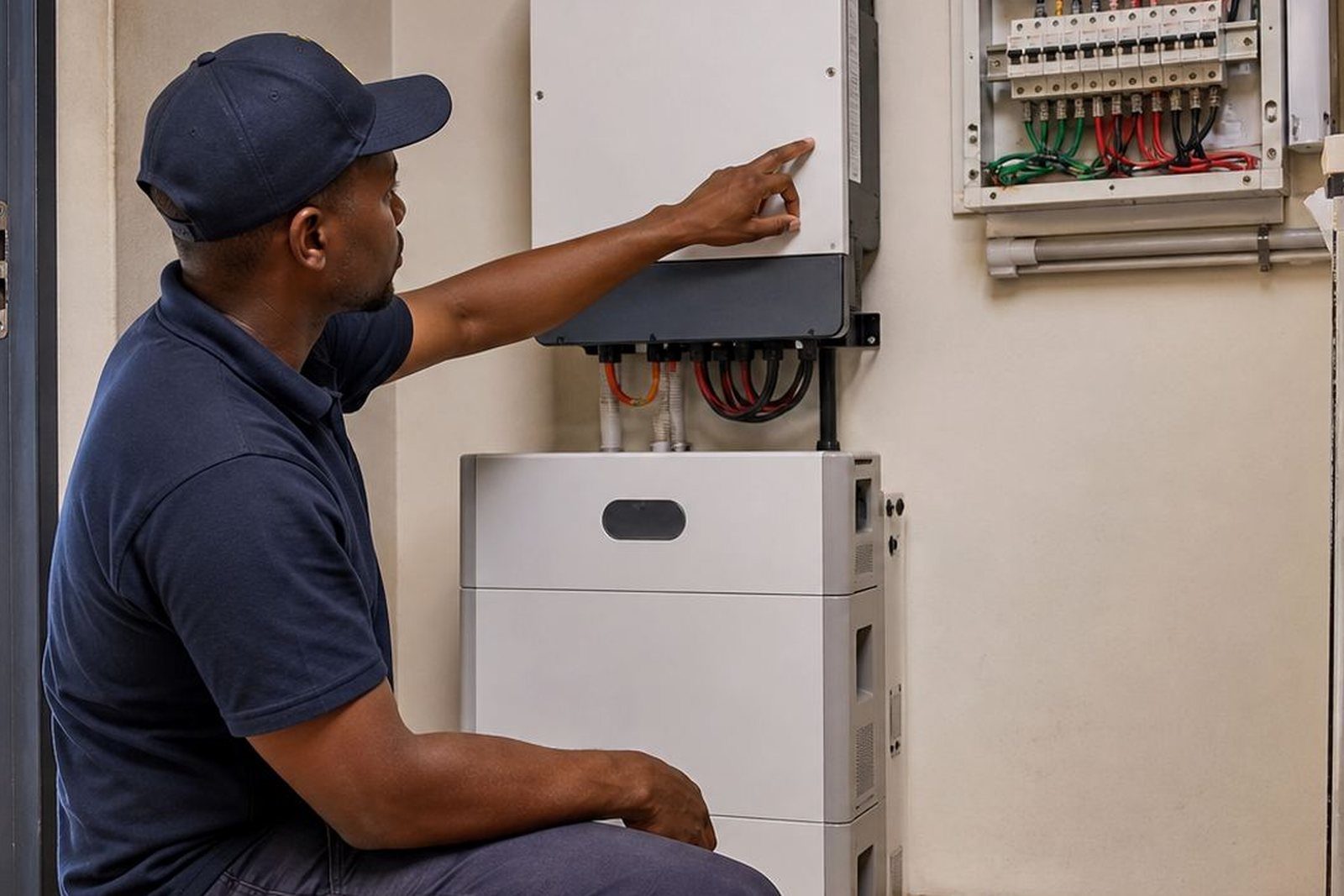
A backup unit must be installed by a registered electrician. The installation should include proper circuit protection, correct cable sizing, safe isolation and a clear changeover arrangement where needed. After installation, a certificate of compliance is required. If the system is grid-tied, it also needs municipal registration where applicable. That is standard practice for safe operation and for keeping your records in order.
For homes and businesses in Randburg, Midrand, Roodepoort, Centurion and the wider Gauteng area, installation needs to take local conditions into account. Older distribution boards may need checking, and some properties need a dedicated essential-load circuit so the backup unit only carries what it is meant to handle. That keeps the system stable and helps avoid nuisance trips during load-shedding.
- Registered electrician required
- Certificate of Compliance needed after installation
- Municipal registration required for grid-tied systems
- Essential circuits may need to be separated from general outlets
Sizing the load before you place an order
Before ordering, check what you want to run and for how long. Start by listing each appliance, its wattage and whether it starts with a surge. A router may use very little power, while some laptops, monitors and small TVs vary more than people expect. Add the loads together and keep some headroom so the unit does not run at full capacity all the time. That gives better day to day performance.
If you are unsure, a site assessment is the safest way to size the system correctly. It helps with backup sizing, battery selection and essential circuit planning. It also avoids the common mistake of buying a unit that is too small for the actual load, or too large for the space and usage pattern.
- Check total wattage and likely surge load
- Confirm how many hours of backup you need
- Decide whether one battery is enough or if expansion may be needed later
- Make sure the board and wiring are suitable
Care, servicing and battery health
A 600W backup unit needs basic care to stay dependable. Keep the inverter and battery in a dry, cool place with enough airflow around the equipment. Dust build-up can affect cooling, and cramped cupboards can shorten service life. Lithium batteries prefer stable temperatures and regular cycling, so leaving a system unused for long periods without checking it is not ideal.
Routine servicing should include a visual inspection, terminal check, cable check and a review of system performance. If the battery is expanding, charging slowly or showing unusual warning lights, it should be checked promptly. In many cases small faults are easier to correct early, before they interrupt power during a load-shedding slot or a weekend outage.
What to confirm when ordering a 600W unit
When you place an order, confirm the exact use case, the space available for installation and whether you need backup for only selected sockets or a full essential-load circuit. It also helps to confirm if the property is a home, office or mixed-use space, since the wiring approach can differ. A clear plan at the start saves time later and helps match the unit to your daily power needs.
For customers across Johannesburg, Pretoria, Centurion, Midrand, Roodepoort, Sandton and Fourways, the most useful order details are the load list, preferred runtime and any upgrade plans for later. If you may add more devices in future, it can make sense to plan the battery and inverter layout with expansion in mind rather than starting again from scratch.
- List the appliances you want backed up
- Confirm the runtime needed during load-shedding
- Check whether battery expansion is likely later
- Note any site access limits, parking or board location issues
System at a glance
| Power rating | 600W continuous output |
|---|---|
| Battery type | Lithium battery compatible |
| Best use | Router, lights, laptop, TV and small office essentials |
| Installation | Registered electrician required |
| Compliance | Certificate of Compliance required; municipal registration for grid-tied systems |
| Service area | Randburg, Johannesburg and Gauteng including Pretoria, Centurion, Midrand and Roodepoort |