What an AC Protection Kit does in a backup system
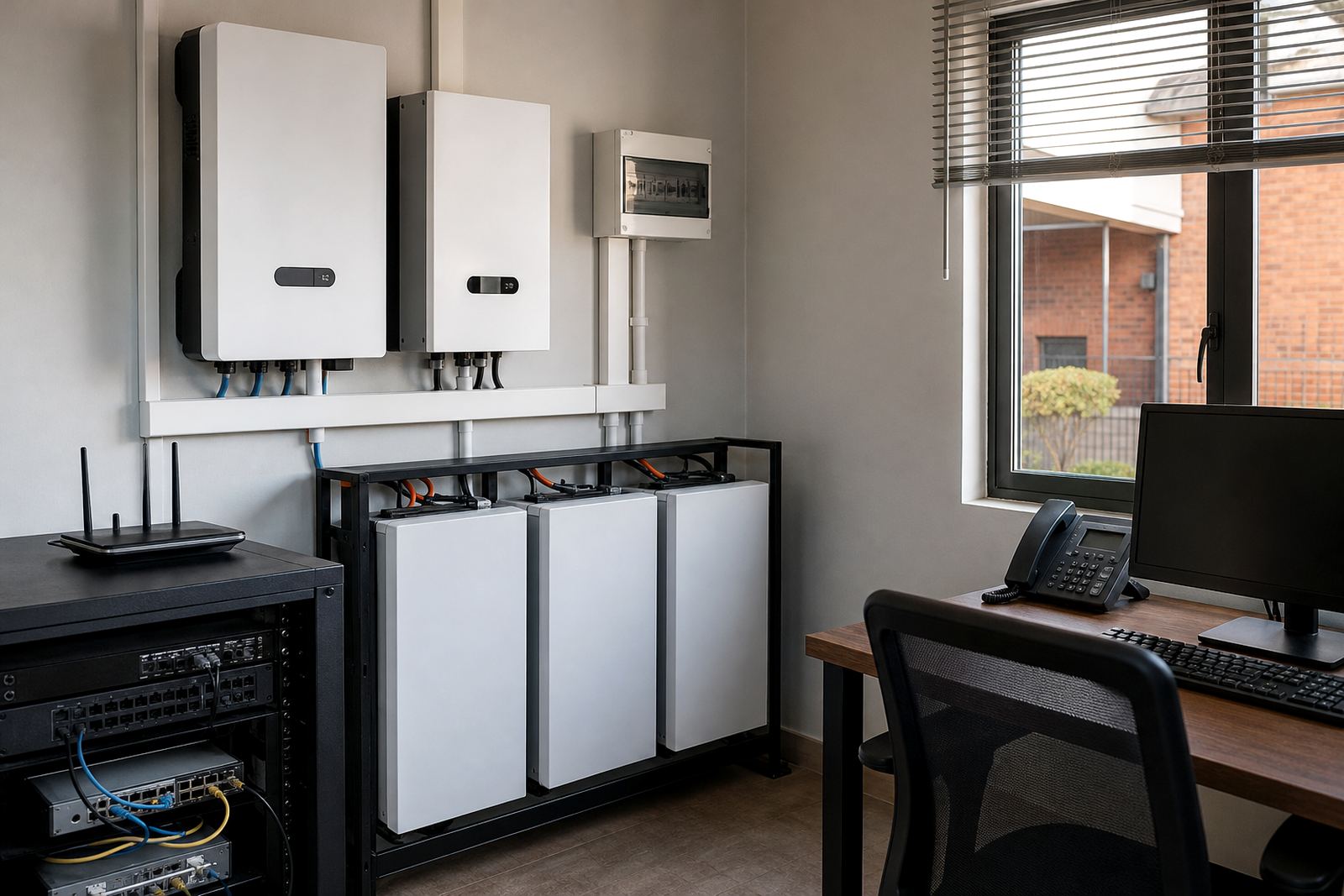
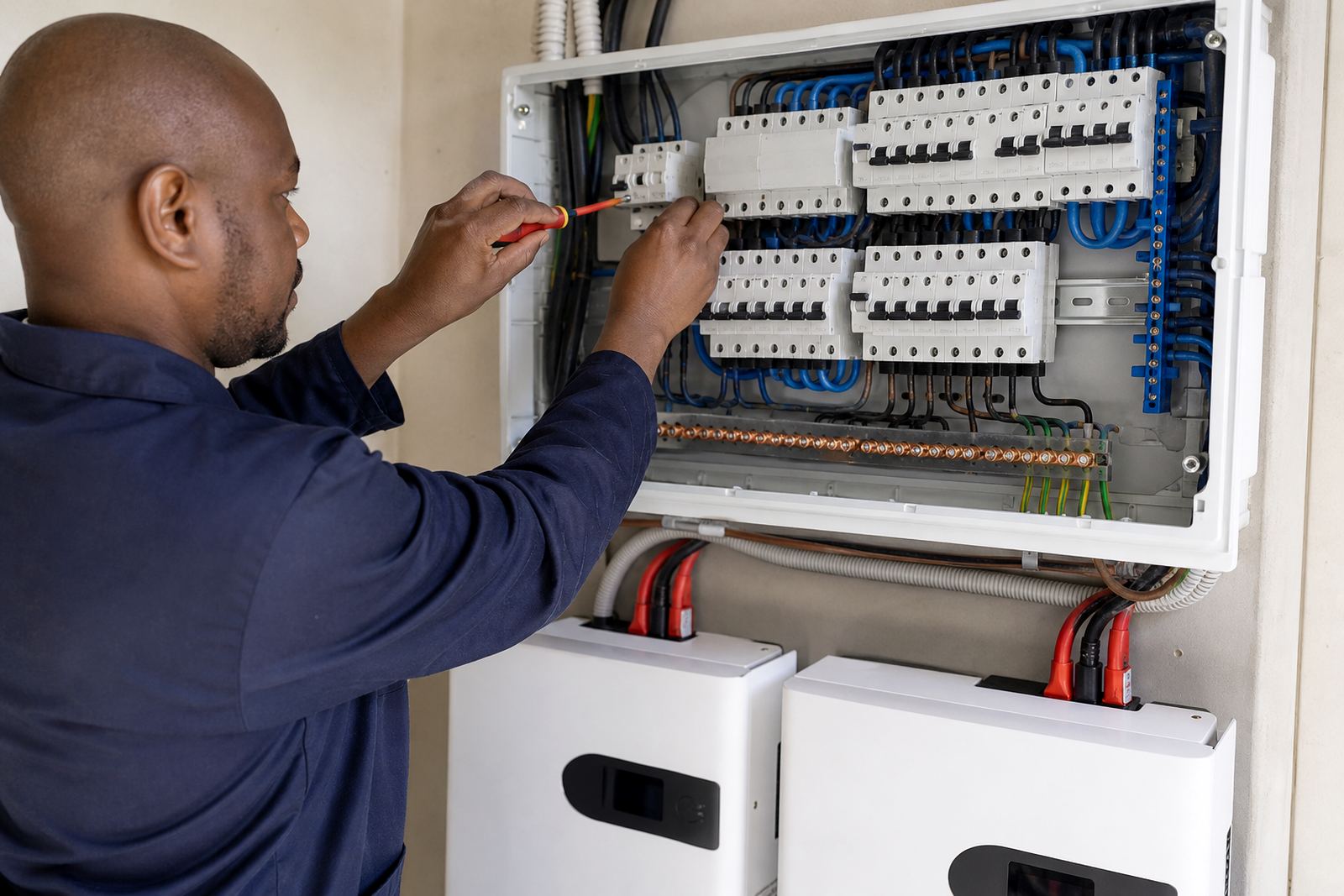
An AC-side protection kit sits between the inverter output and the circuits you want to keep live during outages. In practical terms, it helps separate essential loads from the main supply, manage changeover and protect the backed-up side with the right breakers, isolators and indicators. That makes the installation neater and easier to test later.
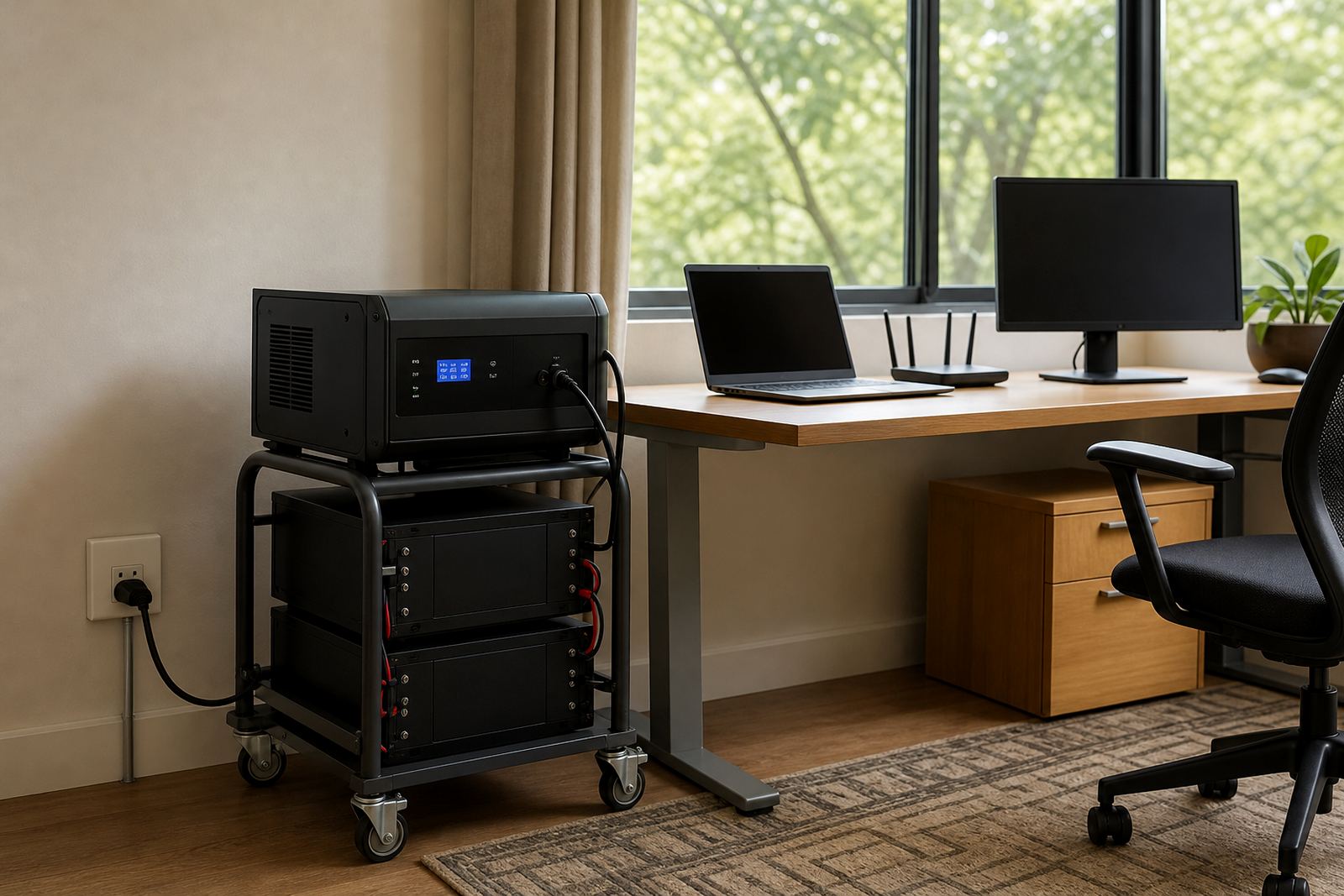
For many properties in Randburg, Sandton and across Gauteng, the kit is used with a small essentials board or with selected circuits only. It is especially useful where lighting, Wi-Fi, a gate motor, garage doors, TV points or office sockets need backup without overloading the inverter. The exact arrangement depends on the inverter size, battery bank and the building layout.
Good AC protection also makes fault-finding simpler. If a circuit trips, the electrician can isolate the issue without disturbing the whole backup system. That matters in homes with mixed loads and in business premises where uptime and clear labelling are important.
Typical sizes, fittings and protection options
AC protection kits are matched to the inverter output current and the number of circuits being backed up. Smaller domestic setups often use a compact arrangement for 1 to 6 essential circuits. Larger homes, offices and sectional title properties may need a bigger enclosure with more ways, stronger switching and additional protection devices.
- Single-phase backup circuits for homes, small shops and offices
- Essential-load boards with labelled breakers for lights, plugs and network equipment
- AC isolators for safe shutdown during servicing
- Changeover switching for grid and inverter supply separation
- Surge and overcurrent protection for the backed-up side
- Indicator lights or status labels for easy checking
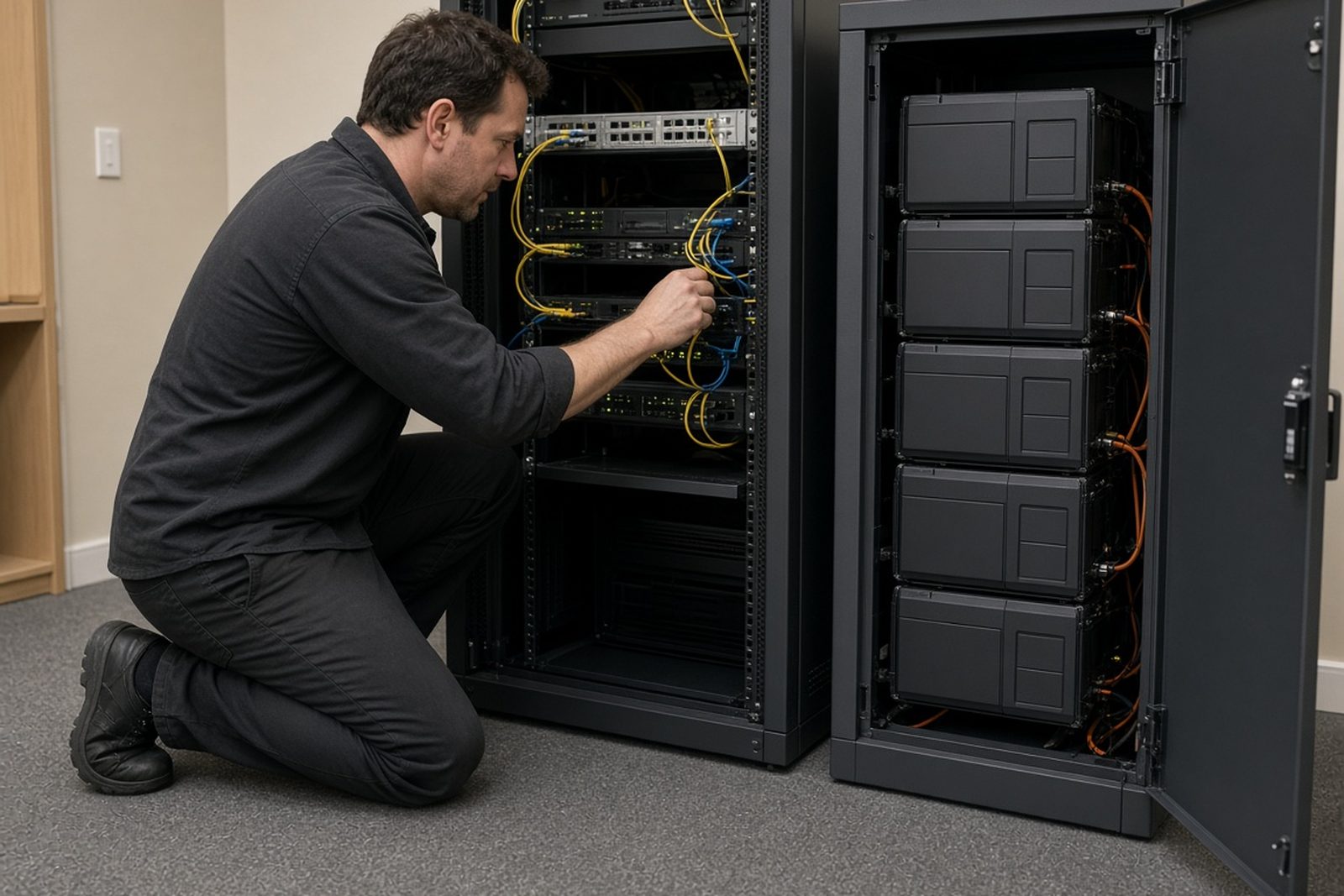
Selection depends on whether the system is pure backup or part of a grid-tied arrangement. In some cases the AC kit is used with monitoring gear, especially where the owner wants to see inverter status, battery state and load levels from a central point. A tidy enclosure and enough space for cable bends are worth planning for, the first time around.
Share what must stay on during an outage and the size of the property, and a backup planner will phone or message you.
Contact formWhere the kit suits best in Gauteng properties
In Gauteng, AC protection kits are commonly installed in homes and businesses that need reliable backup during load-shedding, short outages and occasional supply dips. They suit townhouses, freestanding homes, offices, medical suites, retail spaces, workshops and light commercial premises where only selected circuits must remain on.
They are also useful in properties with long cable runs or more than one distribution point, because the electrician can keep the backup side organised and easy to identify. In areas like Pretoria, Centurion, Midrand and Roodepoort, that can help with neat routing and quicker maintenance when the system needs attention.
For coastal or damp environments, corrosion resistant fittings and proper enclosure placement matter. In Johannesburg and surrounding areas, dust, heat and load-shedding cycling can all affect electrical gear over time, so the kit should be installed where it remains accessible but protected from moisture and mechanical damage.
- Homes with essential circuits only
- Businesses that must keep routers, point-of-sale units or admin sockets running
- Properties with inverter and lithium battery backup
- Sites needing clear separation between normal supply and backed-up circuits
Installation rules, compliance and site power needs
An AC protection kit must be installed by a registered electrician. After installation, the system needs a Certificate of Compliance where applicable, and grid-tied systems must be registered with the local municipality. That is not optional if the inverter connects in a way that interacts with the municipal supply.
The electrician will check the incoming supply, main board capacity, earth leakage arrangement, breaker ratings and the inverter output limits before wiring the kit. If the property has three-phase supply, or if backup needs to cover a larger area, the setup may need a different board layout or additional changeover equipment. Power requirements should be checked before ordering, because an undersized kit can create nuisance trips and an oversized one can be unnecessary expense.
It is an electrical component, so the main concerns are cable size, heat build-up, enclosure space and safe mounting. If the installation is part of a wider backup project, the electrician may also confirm battery location, ventilation and access for servicing.
Care, servicing and what to look for over time
Once installed, the kit should stay clean, clearly labelled and free from loose terminations. A periodic check is sensible, especially after heavy load-shedding periods when systems are switched often. Dust, vibration and heat can loosen fittings over time, so a service visit should include a visual inspection and a test of the isolator and changeover function.
If the property has a lithium battery bank and inverter running most evenings, ask for the AC side to be checked together with the wider system. The electrician should look for heat marks, discoloured terminals, breaker condition and any signs that a circuit is drawing more than expected. In offices, also confirm that new appliances have not been added to backup circuits without updating the load calculation.
- Keep the enclosure clear and accessible
- Check labels after any circuit changes
- Ask for a test after servicing or expansions
- Do not bypass breakers or isolators
What to check before you order an AC protection kit
Before ordering, confirm the inverter type, the number of circuits to be backed up and whether the system is pure backup or grid-tied. You should also know if the property is single-phase or three-phase, where the kit will be mounted and whether the essentials board is already in place. That information helps match the kit to the job and avoids delays on site.
It helps to note the main loads you want to keep on: lights, Wi-Fi, alarm, computer sockets, gate motor, fridges or selected office equipment. Do not guess the load. A proper backup sizing check should be done so the AC protection kit works with the inverter and lithium batteries instead of fighting them.
- Inverter model and output size
- Number of backed-up circuits
- Single-phase or three-phase supply
- Mounting space and cable entry points
- Whether municipal registration is needed
- Any future battery expansion plans
PowerCut serves Randburg, Johannesburg and nearby areas including Sandton, Fourways, Pretoria, Centurion, Midrand and Roodepoort. If you are planning an inverter and lithium battery backup system, an AC protection kit is one of those parts that makes the installation easier to live with long after the first outage.
System at a glance
| Product type | AC-side protection kit for inverter-backed circuits |
|---|---|
| Use case | Isolation, changeover and protection for essential loads |
| System fit | Single-phase and selected three-phase applications, subject to site assessment |
| Typical circuits | 1 to 6 circuits on smaller setups, more on larger boards |
| Installation requirement | Must be installed by a registered electrician |
| Compliance | Certificate of Compliance required where applicable, municipal registration needed for grid-tied systems |