What the essential load board does in a backup system
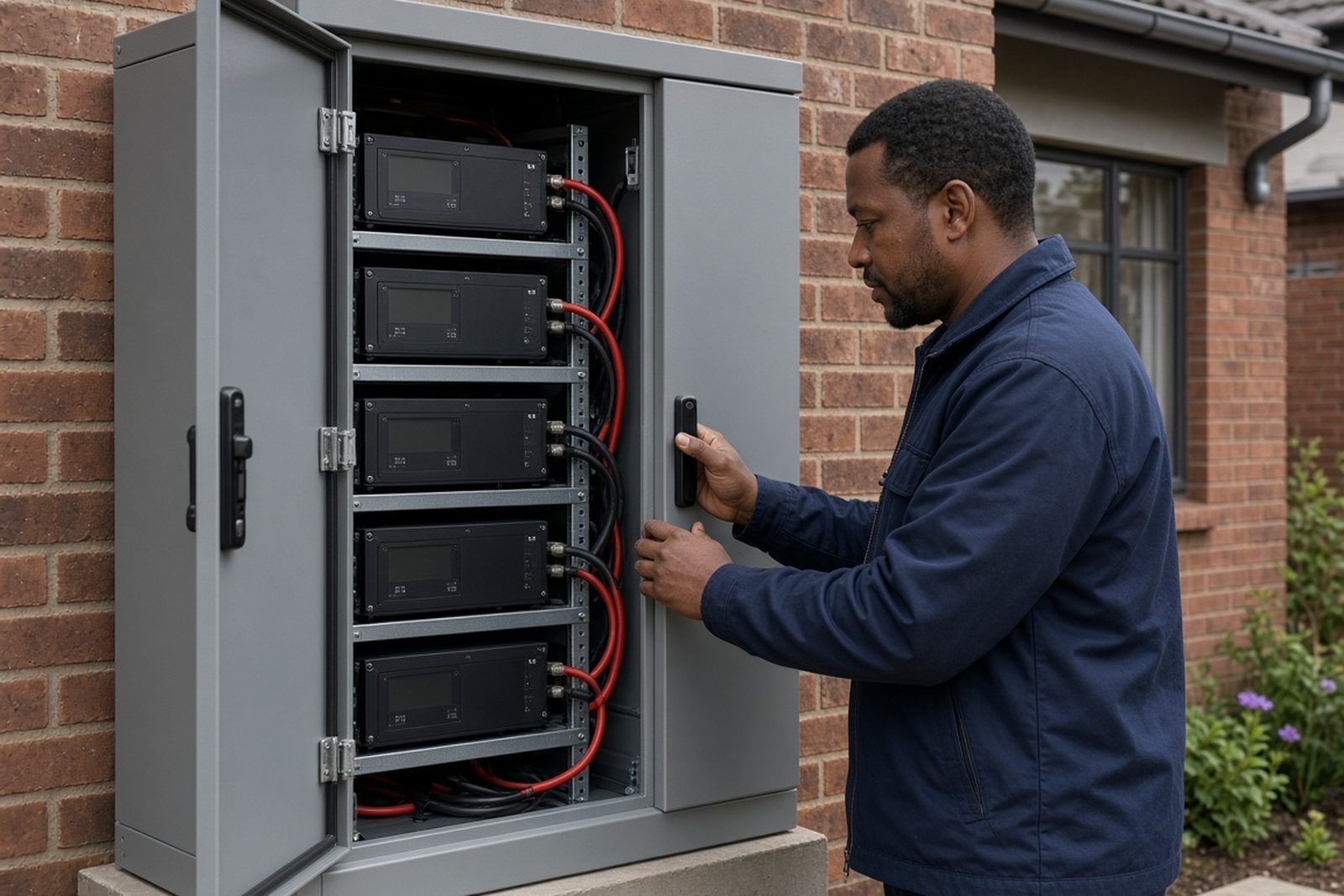
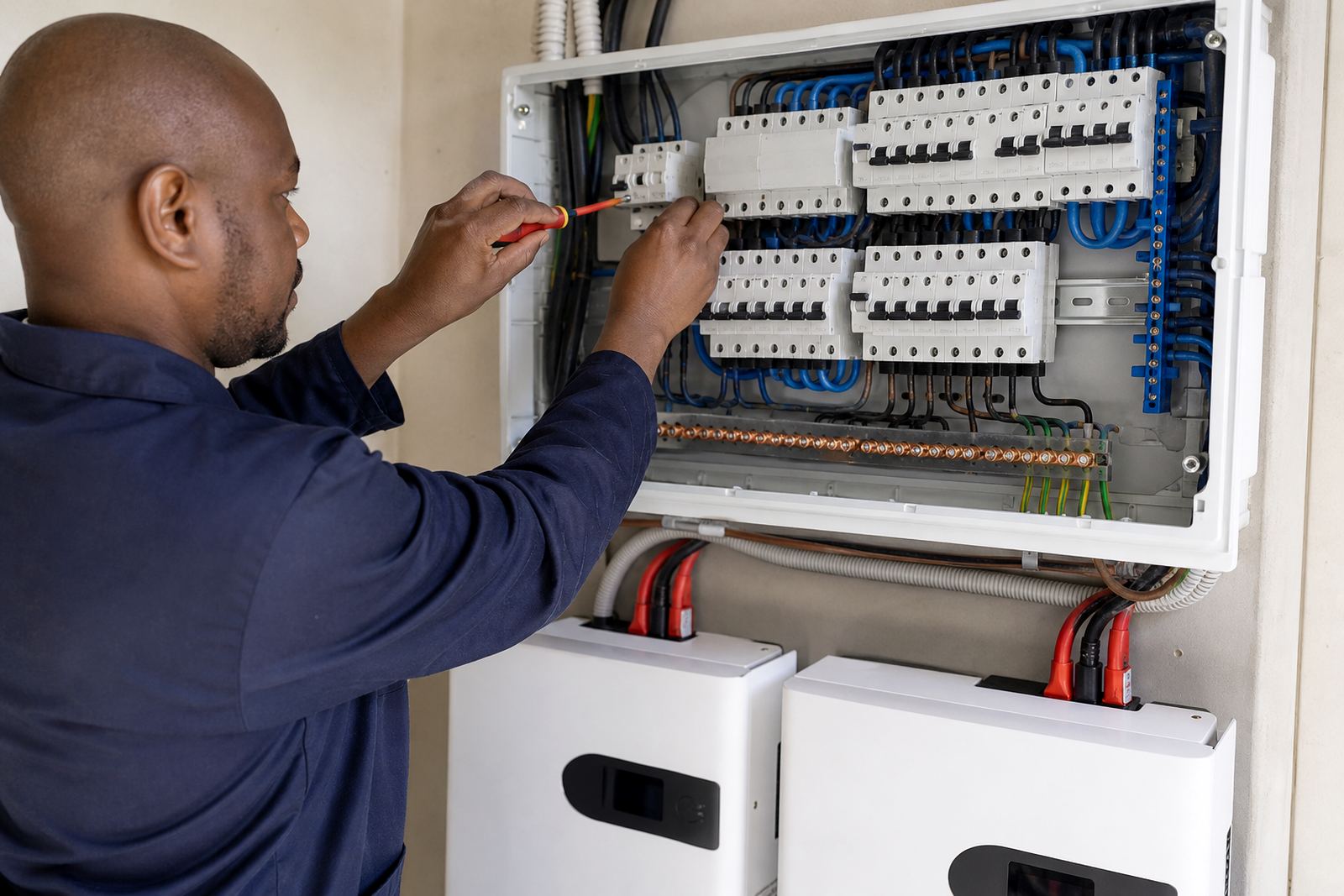
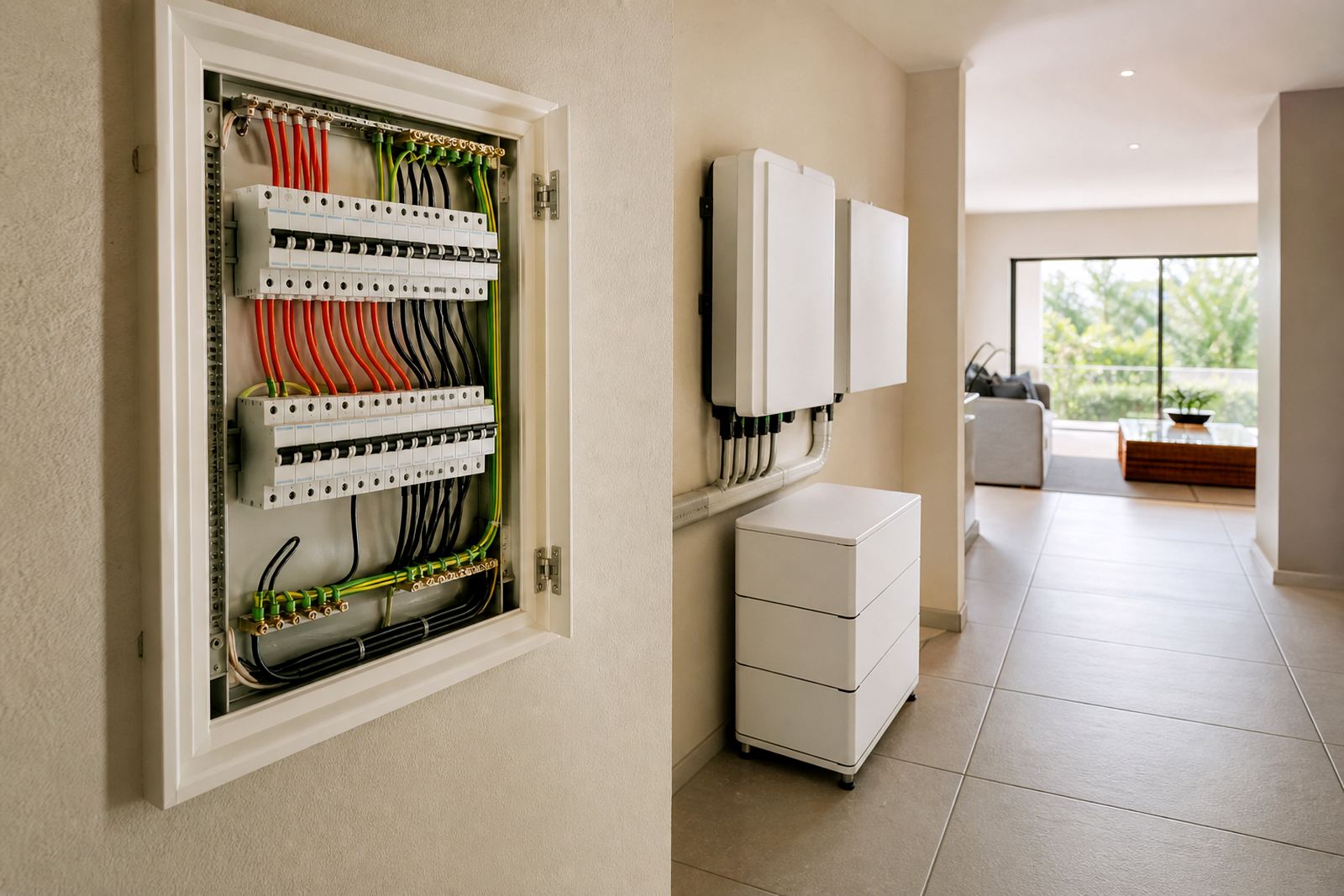
An essential load board is a separate distribution board, or a clearly divided section of the main board, that feeds only the circuits you want backed up. Instead of trying to carry the whole property through load-shedding, the board keeps the important circuits on one side and the non-essential loads on the other. That makes inverter and battery planning easier, and it gives the electrician a proper place to control what stays live when the utility supply drops.
For many properties in Randburg, Sandton and Fourways, this means lights, the fridge, internet, alarm and a few plug points can remain available while geysers, ovens, pool pumps and aircons stay off. In a business setting it may support key workstations, routers, point of sale equipment and security systems. The layout is much safer and simpler to manage than spreading backup circuits across a full board with no clear labelling.
Board sizes and circuit options
The right size depends on how many circuits need to be backed up and how much future growth you want to allow for. A small home may only need a compact board with room for essential lighting, a fridge line and two or three general plug circuits. Larger homes and offices often need more ways, especially where there are separate networks for security, access control or small server racks. Planning for one or two spare ways is usually worth it, because load-shedding habits change and so do the number of devices in use.
- Compact essential board: suitable for a few priority circuits in a townhouse or small flat.
- Mid-size board: practical for most family homes, small offices and consulting rooms.
- Larger board: used where several rooms, work areas or security systems must stay on.
- Single-phase or three-phase layout: matched to the supply and the inverter setup.
- Labelled circuit schedule: important for fault finding and later changes.
A good board also leaves space for surge protection, changeover devices and neat cable routes. If the building has outside lights, gate motors or a borehole pump, those can sometimes be included, but only if the backup system has the capacity. Otherwise the board should keep them separate so the whole system does not trip under load.
Share what must stay on during an outage and the size of the property, and a backup planner will phone or message you.
Contact formWhere an essential load board suits best
This product suits properties that need a tidy, predictable backup arrangement. In homes across Johannesburg, Pretoria, Midrand and Roodepoort it is commonly used for loadshedding support where the family still wants lights, internet and fridge power without running the whole house from batteries. For offices and medical rooms it helps keep critical circuits available during outages and reduces confusion when staff need to know what will still work.
It is also a sensible option in coastal-style humidity is less of a problem inland, but in Gauteng you still want a board installed in a dry, accessible position away from geyser steam, dust build-up and water ingress. For shops and small commercial sites, a labelled essential board helps staff switch off non-essential equipment quickly if the backup supply is under pressure. That matters when outage times run long and there is no room for guesswork.
- Townhouses and family homes with a few priority circuits.
- Home offices that need routers, computers and lighting.
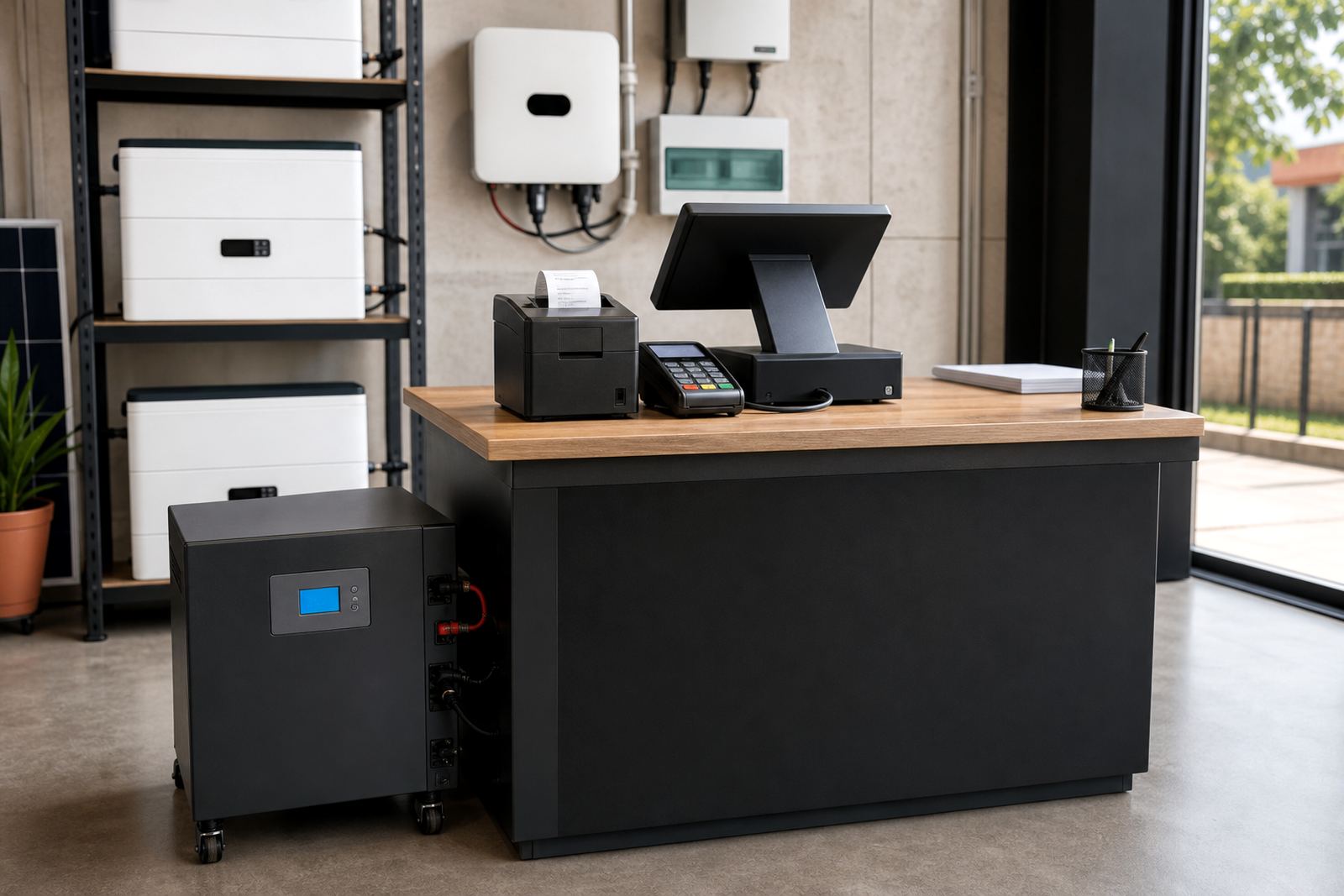
- Small businesses needing backup for security and payment equipment.
- Properties adding a battery system now and more circuits later.
Installation, compliance and municipal requirements
Installation should always be done by a registered electrician. The board must be correctly isolated, labelled and tested, and the work must end with a valid certificate of compliance. If the system is grid-tied, municipal registration is required as well. That applies whether the backup setup uses an inverter with lithium batteries, an automatic changeover, or a more basic manual changeover arrangement.
The electrician will check the incoming supply, main protection, circuit balance and earthing before any wires are moved. In many cases the essential board is mounted close to the main distribution board to keep cable runs short and neat. This matters because long cable runs can create losses and make fault finding harder. A clean install also makes future battery expansions easier if the client later wants to add more circuits or increase backup duration. A messy board looks fine on day one but becomes a headache later, especially during repeated load-shedding stages.
For properties with gas appliances, the board does not deal with the gas side directly, but it can be planned so that electric ignition, extractor fans or controls remain available where needed. If the building has solar, generator or Eskom supply tied into the same system, the changeover method must be matched carefully so backfeed is prevented and the supply stays safe.
Care, servicing and fault checks
An essential load board does not need much daily care, but it does need proper periodic checking. Dust, loose terminations and heat build-up can all cause trouble over time. In commercial spaces, a routine inspection is useful after any layout change, equipment move or overload trip. For homes, it is worth checking the board whenever the inverter or battery setup is serviced, since the board and the backup system work together.
- Keep the board area dry and easy to reach.
- Do not block ventilation around the inverter or battery equipment nearby.
- Check labels after any circuit change.
- Look for warm covers, buzzing, tripping or discoloured breakers.
- Book fault checks if a circuit fails to stay on during an outage.
If the property is in a busy office park or a home with frequent power interruptions, monitoring setup can help track how the backed-up circuits are performing. That makes it easier to spot when a fridge is drawing more than expected, or when extra plug loads have quietly been added. Small changes can make a big difference to battery runtime.
Before you buy a backup system
Before ordering an essential load board, it helps to confirm the supply type, the number of circuits you want backed up and whether the installation must allow for future expansion. You should also know where the board will sit, how the cable entry points work and whether there is enough wall space for a neat finish. If the site already has a distribution board, the existing breaker sizes and labels should be reviewed so the backup circuits are grouped logically. A clear plan saves time and avoids rework.
It is also important to check what loads must stay on during outages and what can switch off. A family may want lights, the fridge and Wi-Fi, while a business may need a server, router and a few workstations. In both cases, the board should be sized for the backup system, not the other way around. If you are unsure, a site assessment and backup sizing review will help match the board to the inverter and lithium battery setup properly, without overloading the circuit list or leaving out something important.
System at a glance
| Product type | Separate essential load board for backed-up circuits |
|---|---|
| Use case | Homes and businesses needing priority power during load-shedding |
| Supply compatibility | Single-phase or three-phase, subject to site design |
| Typical circuits | Lights, fridge, Wi-Fi, security, selected plugs and control circuits |
| Protection | Can include surge protection, breakers and labelled isolation |
| Compliance | Registered electrician required, with certificate of compliance and municipal registration where grid-tied |