What a 3kWh lithium battery does in a backup system
A 3kWh lithium battery stores energy for use when the grid goes off, then releases it through an inverter to keep selected circuits running. In practical terms, it is commonly used for lights, Wi-Fi, TVs, a laptop, a gate motor, small office equipment or a few fridge loads, depending on the inverter size and how the circuits are set up.
Because lithium batteries are compact and efficient, they are often chosen where wall space is limited or where a lighter system is needed for a townhouse, small office or shop in areas such as Sandton, Fourways, Midrand and Roodepoort. They are also a sensible first step if you want to start small and add more storage later.
Sizes, options and how this module is usually specified
When people ask for a 3kWh lithium battery, they are usually looking for a compact module in the 24V or 48V class, depending on the inverter and the total load. Some systems use one battery for light backup, while others use two or more batteries in parallel for longer run time. The right choice depends on how many watts you need to support and for how long.
For Gauteng homes, a 3kWh battery often fits a modest backup setup for load-shedding blocks of 2 to 4 hours, but the actual runtime depends on what is switched on. A router and a few lights use far less power than a freezer or multiple workstations. That is why backup sizing matters before ordering.
- Typical chemistry: lithium iron phosphate for long cycle life and stable performance
- Common nominal voltage: 25.6V or 51.2V, depending on system design
- Charge and discharge rates vary by model and should match the inverter
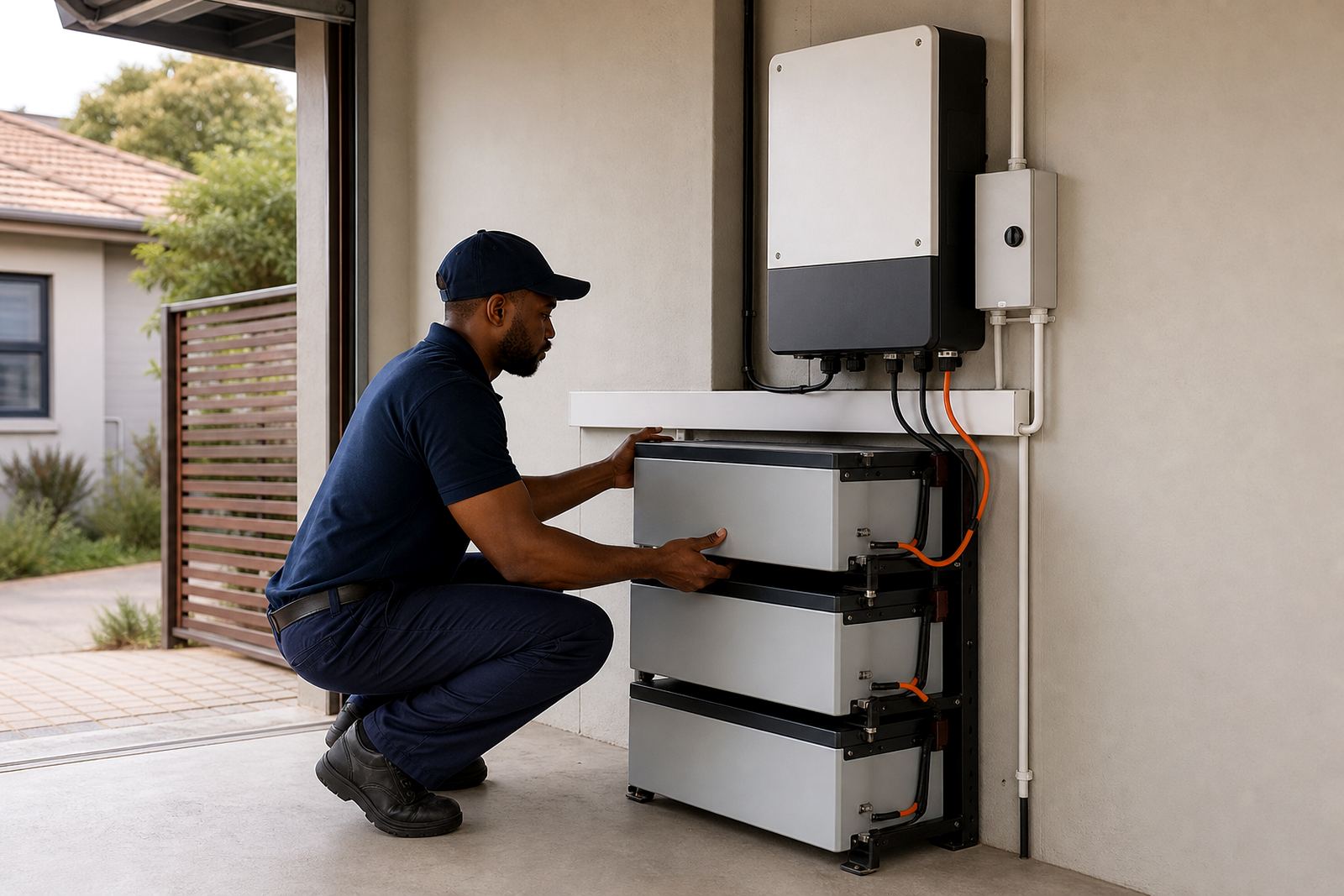
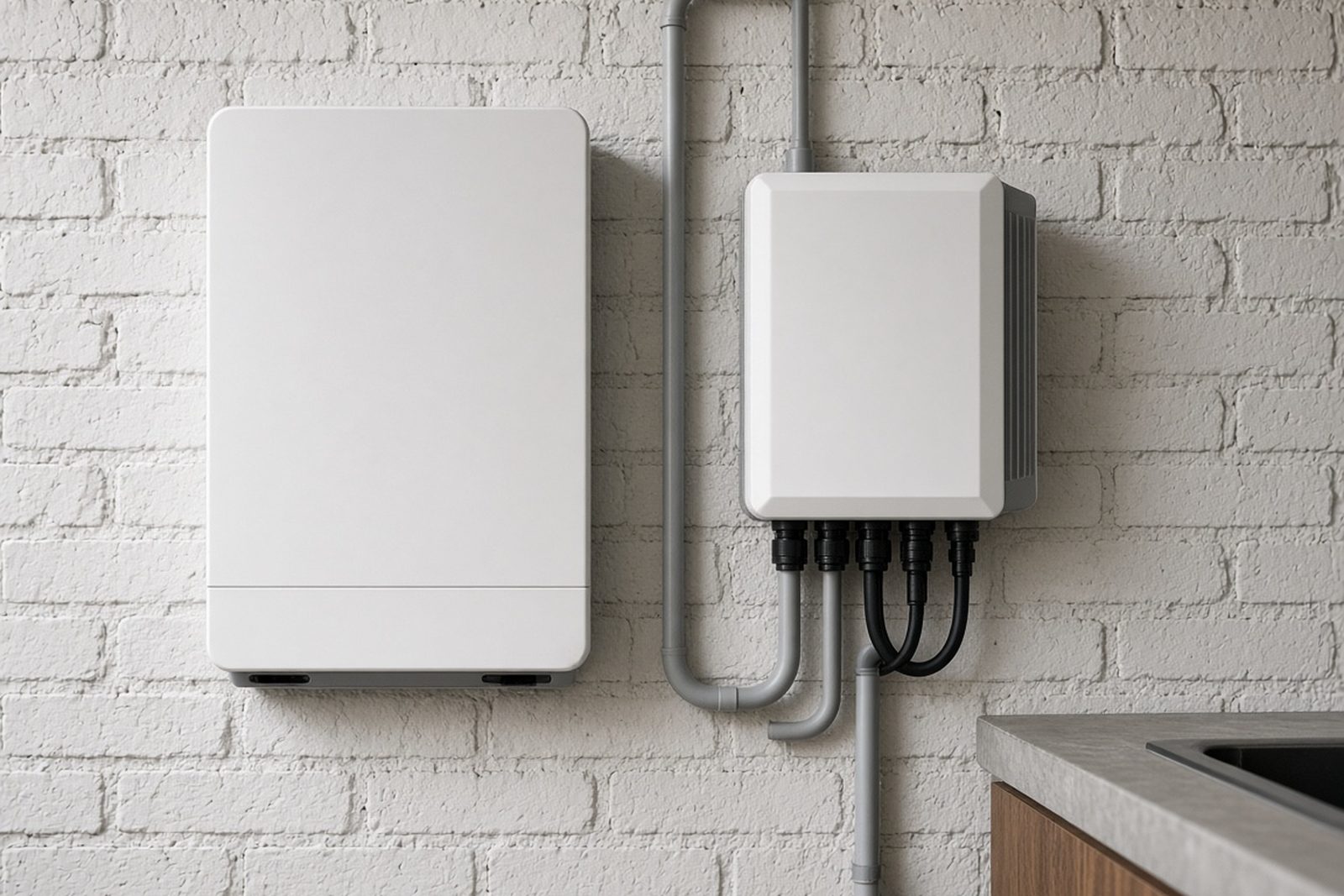
- Most units are wall-mounted or rack-style, with protected cabling and battery breaker protection
Share what must stay on during an outage and the size of the property, and a backup planner will phone or message you.
Contact formWhere a 3kWh battery suits best in Randburg and beyond
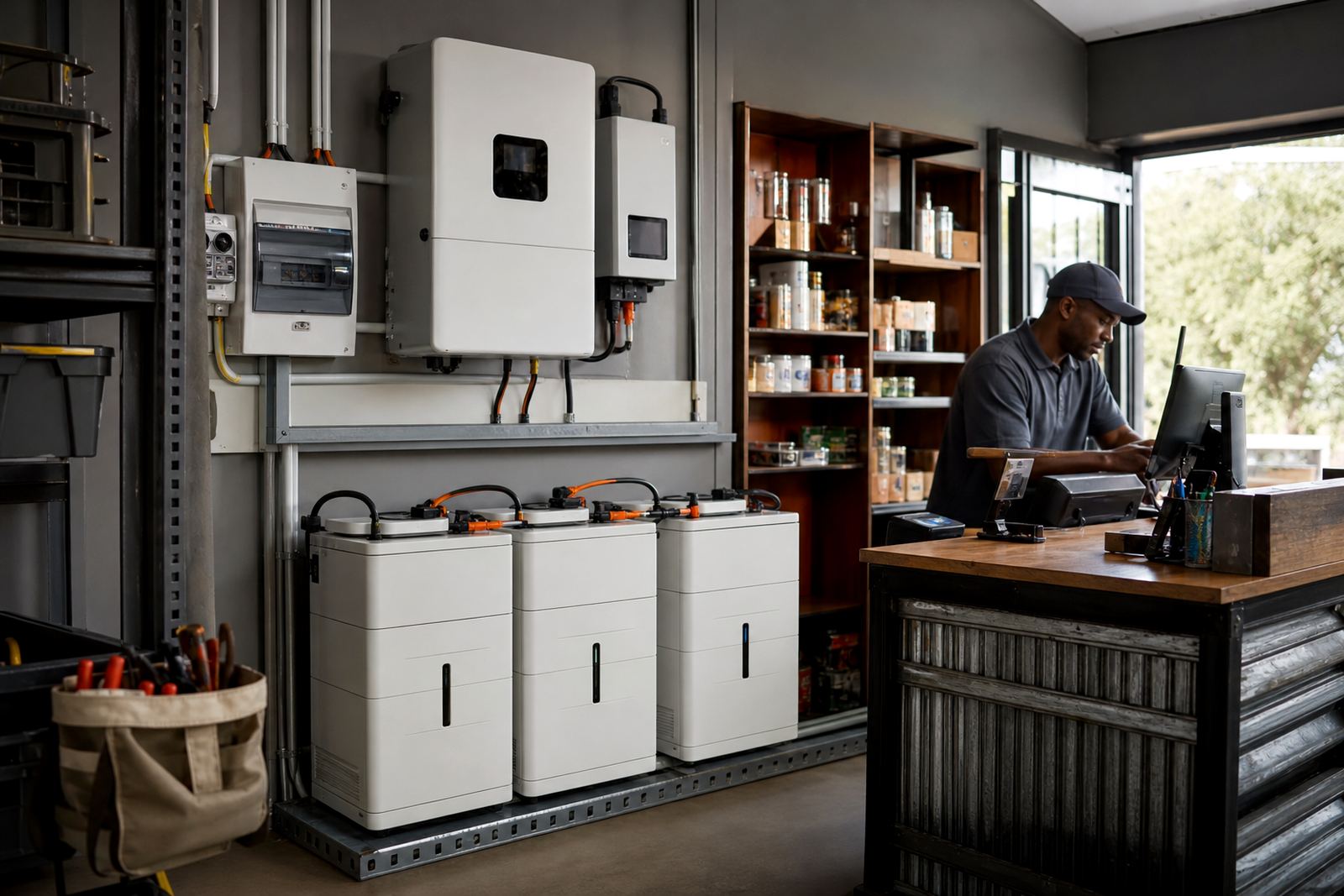
This size works well for light essential-load backup in homes, sectional title units, small clinics, home offices and small retail spaces. In places like Pretoria and Centurion it can help keep network equipment, a few lights and a gate running during outages, while in coastal or humid conditions the main focus is on proper enclosure, ventilation and clean cable management.
If your property has regular load-shedding, a 3kWh lithium battery is often used as the base of a larger system. It can support a modest inverter setup now, then be expanded when your budget or power needs grow. It is not the right choice for aircons, geysers, ovens or other heavy loads unless the system has been carefully designed around them.
Installation, electrician sign-off and municipal registration
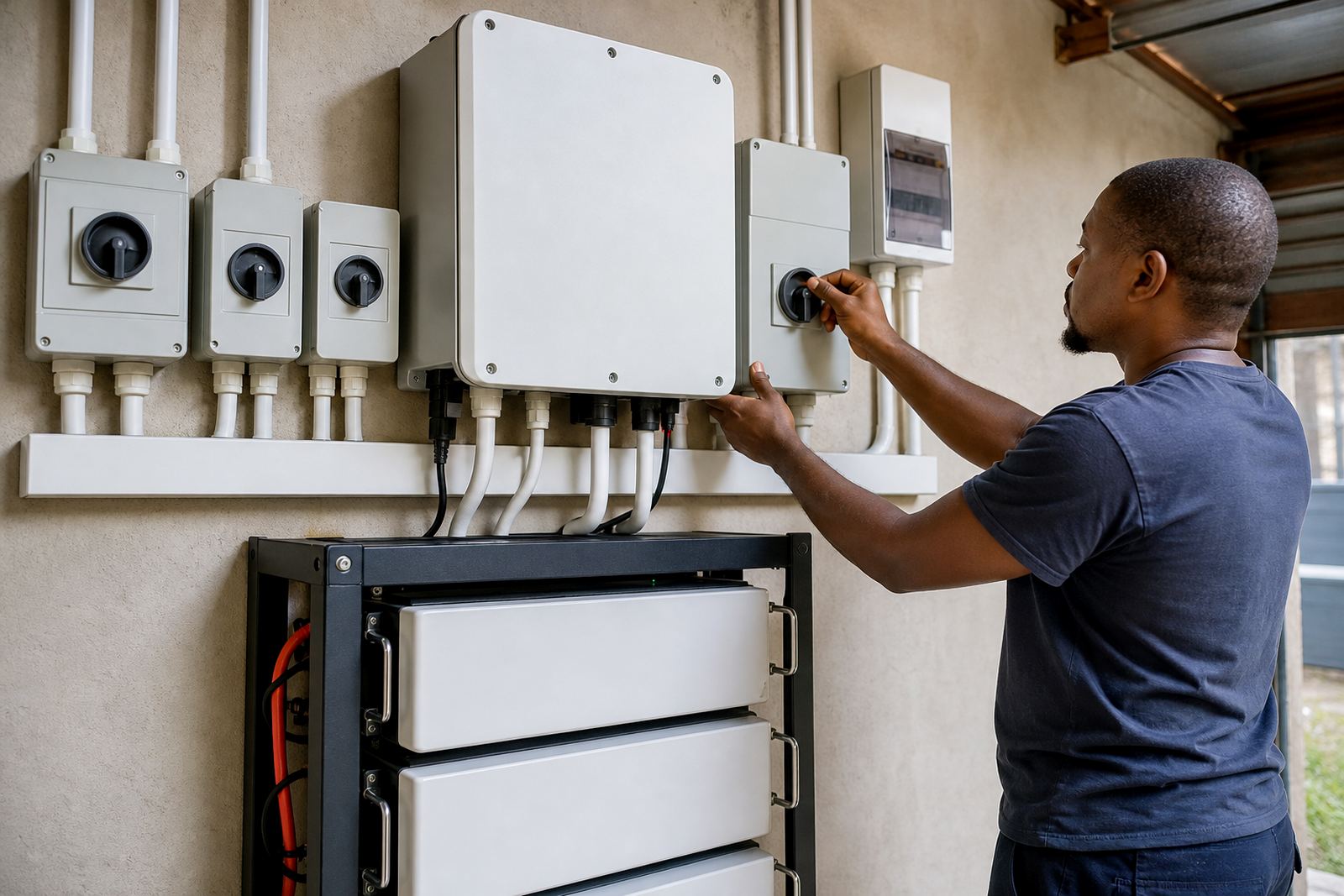
A battery on its own is only one part of a safe backup system. It must be connected to a suitable inverter, protected by correct breakers, cables and isolators, and installed by a registered electrician. After installation, a certificate of compliance is required for the electrical work. If the system is grid-tied, or can feed into the municipal supply side, it must also be registered with the local municipality where required.
That matters in Johannesburg, Pretoria and surrounding suburbs where supply rules and documentation can vary from one area to another. Essential circuit wiring, changeover solutions and commissioning should all be completed properly, because poor wiring can lead to nuisance tripping, battery strain or unsafe backfeed. A neat installation also helps with future maintenance and battery expansion.
- Use the correct inverter battery voltage and communication settings
- Fit the right protection devices and cable size for the current draw
- Label essential-load circuits clearly for household or business use
- Keep the battery in a dry, cool and accessible position for servicing
Care, servicing and what keeps lithium batteries healthy
Lithium batteries need less day-to-day attention than lead-acid systems, but they still benefit from proper care. Keep the unit away from direct sun, standing water and dusty utility areas. In homes and offices with load-shedding every day, it is wise to have routine checks on cable tightness, state of charge, inverter settings and battery communication. A battery that is repeatedly pushed too hard will age faster than one used within its rated limits.
For properties in coastal pockets or in areas with humidity and heat, ventilation and corrosion control matter. The battery should not be crowded into a closed cupboard with no airflow, and it should never be placed near gas cylinders, flammable storage or damp walls. If there is a smell, warning light or fault code, the system should be checked rather than ignored.
- Inspect the battery display or monitoring app for alarms and unusual voltage drops
- Check that firmware and inverter settings match the battery type
- Keep vents and cable points clean and unobstructed
- Book fault checks if runtime drops suddenly or the system cuts out early
What to confirm before ordering a 3kWh lithium battery
Before you place an order, check the inverter model, the system voltage, and the essential loads you want to cover. If the battery is part of a larger backup plan, make sure the sizing takes future expansion into account. A small battery can be a good starting point, but only if the inverter and wiring are suitable for the next stage too.
You should also confirm the physical space available, the mounting position and whether the installation site is clean, dry and safe. For businesses in Johannesburg, Midrand and Roodepoort, it is also useful to know whether the system must support cash registers, servers, access control or a small production line. That helps match the battery to the real load rather than a guess.
- Inverter voltage and battery compatibility
- Expected backup time for the selected essential circuits
- Space for mounting, cable routing and future additions
- Whether monitoring setup is needed for ongoing oversight
- Compliance needs, including municipal registration where applicable
System at a glance
| Product type | Lithium battery module for backup storage |
|---|---|
| Nominal capacity | 3kWh class |
| Typical system voltage | 24V or 48V depending on model |
| Battery chemistry | Lithium iron phosphate |
| Use case | Light essential-load backup and modular growth |
| Common installation | Wall-mounted or rack-style with protective isolation |