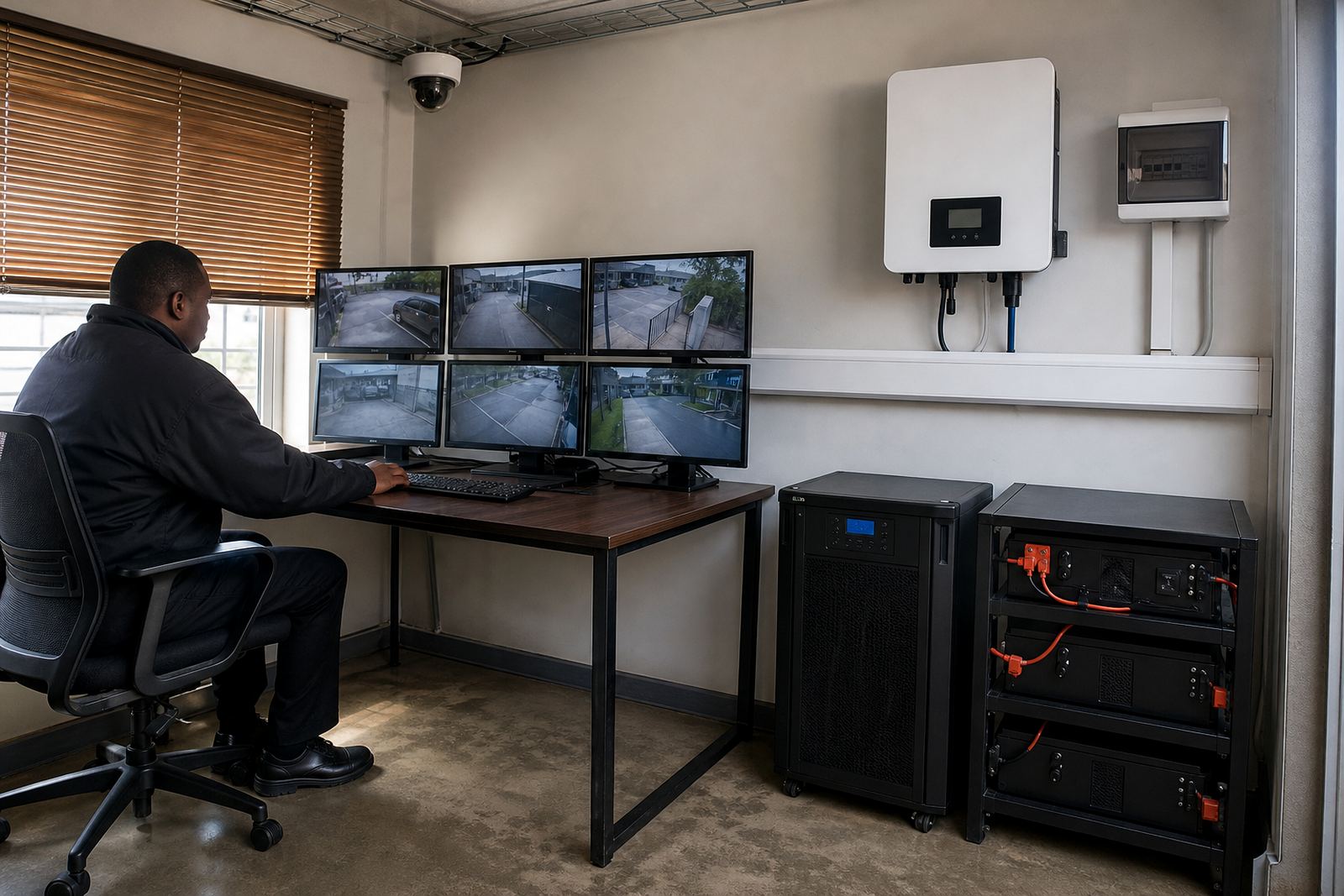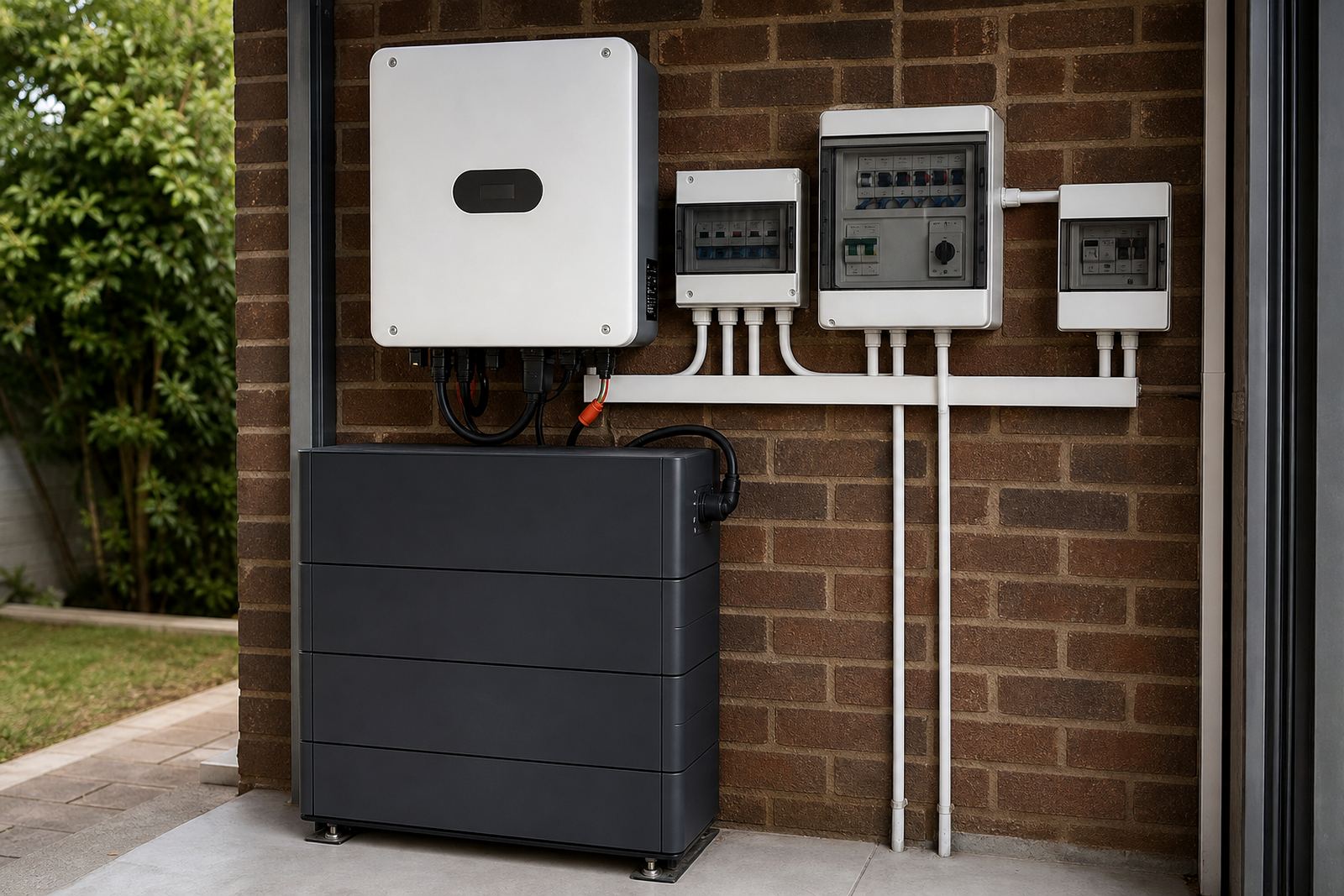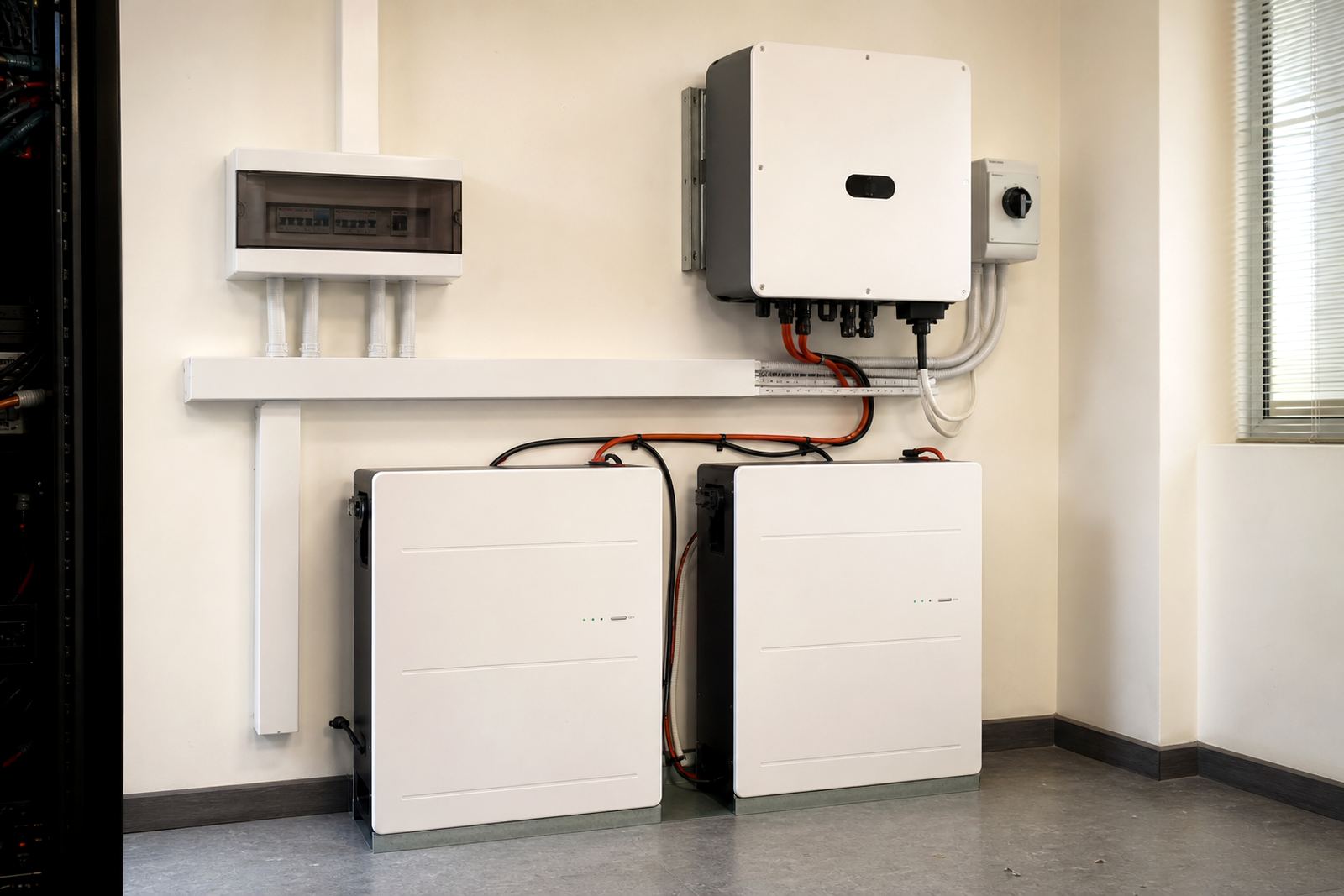

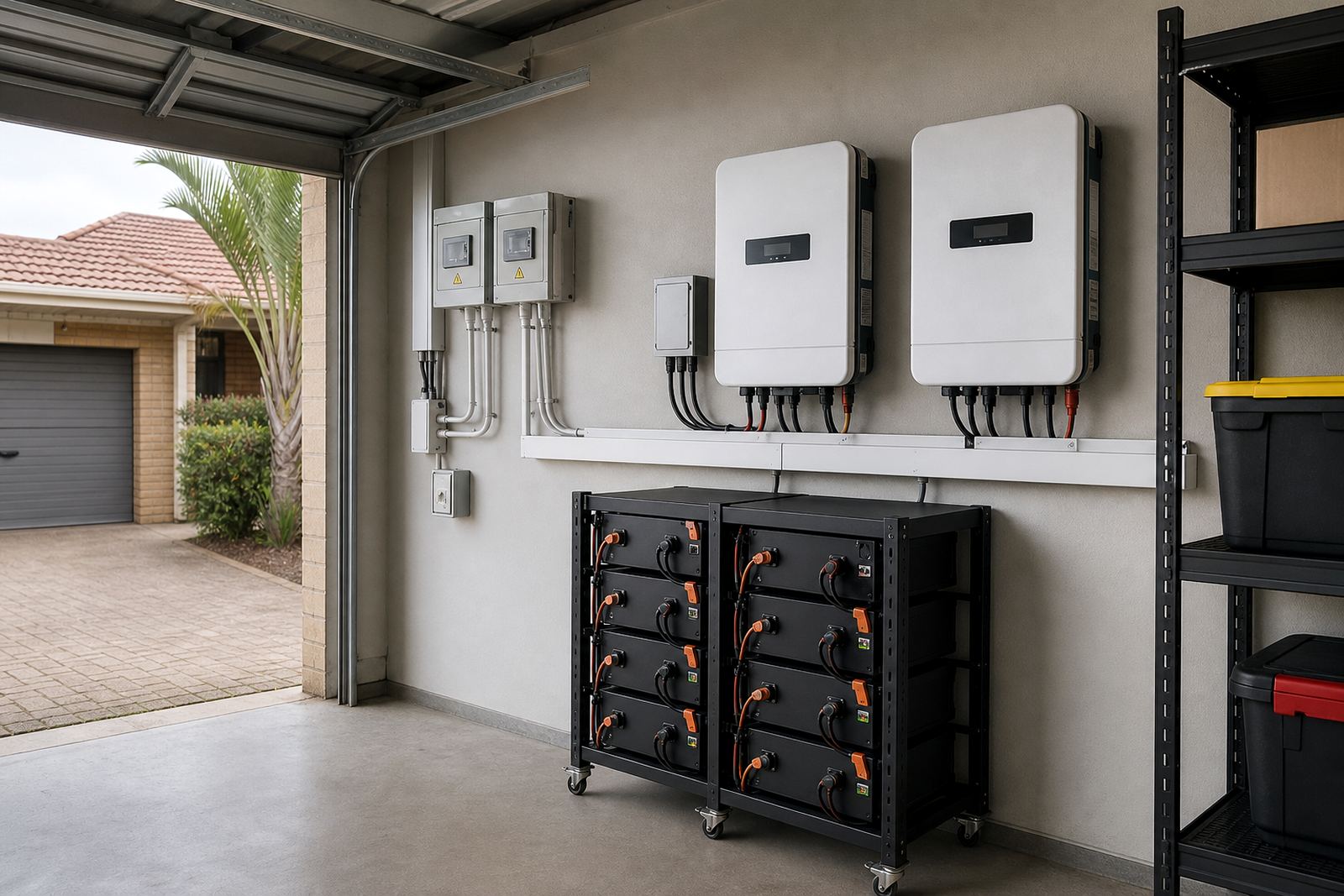
What a 5kW inverter kit actually covers
A 5kW inverter kit is built to supply a modest but useful level of backup power when the grid goes off. In plain terms, it lets you keep the essentials running without having to switch everything on at once. For many homes it is enough for lighting, Wi-Fi, TV, a gate motor, alarm, fridge and a few plug points. For small businesses, it can support office lights, computers, routers, a printer and other low to medium draw equipment, provided the load is managed properly.
The inverter converts battery power into usable AC power for your appliances. The battery stores the energy and the system changes over automatically during outages. In Gauteng, where load-shedding can happen with little notice and longer interruptions are still common, that kind of backup can make a big difference to day to day routine. It is also a cleaner option than a generator for many residential and office settings, especially where noise, fumes or fuel storage are a concern.
Typical kit sizes and battery options
Although the inverter is rated at 5kW, the actual backup time depends on the battery bank and the loads you run. A 5kW system can be paired with one lithium battery for basic coverage or expanded with extra batteries for longer runtime. Lithium batteries are usually preferred for their usable capacity, faster charging and lower maintenance needs compared with older battery types.
Common options include:
- 5kW inverter with 1 x lithium battery for short load-shedding periods and essential circuits
- 5kW inverter with 2 x lithium batteries for longer backup and heavier evening use
- Hybrid setup with solar input if the property needs daytime charging support
- Essential-load configuration, where only selected circuits are backed up to protect runtime
The right sizing depends on what you want to run, how long you need it to last, and whether you expect the system to carry one room or several areas at the same time. A household in Sandton with larger appliances may need a different setup from a small office in Midrand that only needs internet and computers online.
Share what must stay on during an outage and the size of the property, and a backup planner will phone or message you.
Contact formWhere a 5kW kit suits best in Gauteng
This kit suits homes and small businesses that need more than basic emergency lighting but do not want a full commercial backup installation. It is a strong fit for three bedroom homes, home offices, sectional titles, clinics, small shops and professional practices. In areas like Randburg, Fourways and Roodepoort, the unit is often used to keep family life and work-from-home setups moving during evening outages. In Pretoria, Centurion and Johannesburg, it is also common for small offices to use a 5kW kit for core equipment and communications.
It suits best when the property has manageable power demand and when the owner is prepared to separate essential and non-essential circuits. Heavy appliances such as ovens, kettles, heaters, pool pumps and large air-conditioners can quickly use up available capacity, so they are usually left off during backup use. If your business has cold storage, motor loads or critical equipment, a site assessment is important before ordering.
- Best for essential power, not whole-building backup
- Works well with dedicated circuits for lights and plugs
- Useful where space is limited and noise must stay low
- Suitable for coastal humidity concerns when installed and ventilated correctly
Installation, compliance and municipal requirements
All inverter and battery installations must be done by a registered electrician. That is not optional. A Certificate of Compliance is needed once the work is completed, and grid-tied systems must be registered with the local municipality where required. This matters in Johannesburg, Randburg, Pretoria and other Gauteng areas where electrical installations must meet current rules and inspection standards.
The installer should check the distribution board, cable sizing, changeover method, earthing and the condition of the existing circuits before fitting the unit. If the system is being connected to selected essential circuits, those circuits must be identified and wired correctly. A proper installation also includes safe battery placement, ventilation, cable protection and a clear plan for isolating the system during maintenance. If the property has older wiring or repeated nuisance trips, those faults should be sorted first rather than covered up. A good setup should be neat, practical and safe for daily use.
- Registered electrician required
- Certificate of Compliance needed after installation
- Municipal registration may be needed for grid-tied systems
- Essential circuit wiring should be labelled clearly
Care, servicing and battery life
A 5kW inverter kit does not need constant attention, but it does need basic care. Keep the area around the inverter dry, dust free and well ventilated. Batteries should be installed away from direct heat, damp walls and areas where water ingress could happen during storms or cleaning. In coastal humidity or in garages that are not sealed properly, it is worth checking terminals, cable ends and mounting conditions now and then.
Routine servicing helps with early fault checks, fan noise, loose connections, battery communication issues and incorrect settings. If the system is used every day during long load-shedding cycles, it makes sense to have it checked periodically rather than wait for a failure. The battery should also be managed within the maker’s recommended charge and discharge range. Deep discharging, poor airflow and overloading can shorten performance over time. If the kit includes monitoring, it is useful to watch battery state, charge behaviour and runtime trends so you can spot changes before they become a problem.
Before you buy a backup system
Before choosing a 5kW inverter kit, it helps to confirm the load you want to carry, the type of backup you need and the space available for the equipment. A clear list of appliances makes sizing much easier. You should also check whether you want the system to back up the whole house or only selected circuits, because that changes the wiring and battery requirement.
Useful points to check include the following:
- Which appliances must stay on during load-shedding
- How long you need backup power for each outage
- Whether the property has space for wall mounting or floor mounting
- Whether the existing board can support essential circuit changes
- Whether the installation is off-grid, hybrid or grid-tied
- Whether you need monitoring setup, battery expansion or future solar input
For homes and businesses in Gauteng, a site assessment is often the quickest way to get the sizing right first time. It also helps avoid paying for a system that is too small for your actual use or too large for the loads you need to cover.
System at a glance
| Inverter rating | 5kW continuous output |
|---|---|
| Battery type | Lithium battery compatible |
| Typical use | Essential home or small business backup |
| Changeover | Automatic or manual changeover options |
| Installation | Registered electrician required with CoC |
| Compliance | Municipal registration needed for grid-tied systems |