What the 8kW inverter kit does
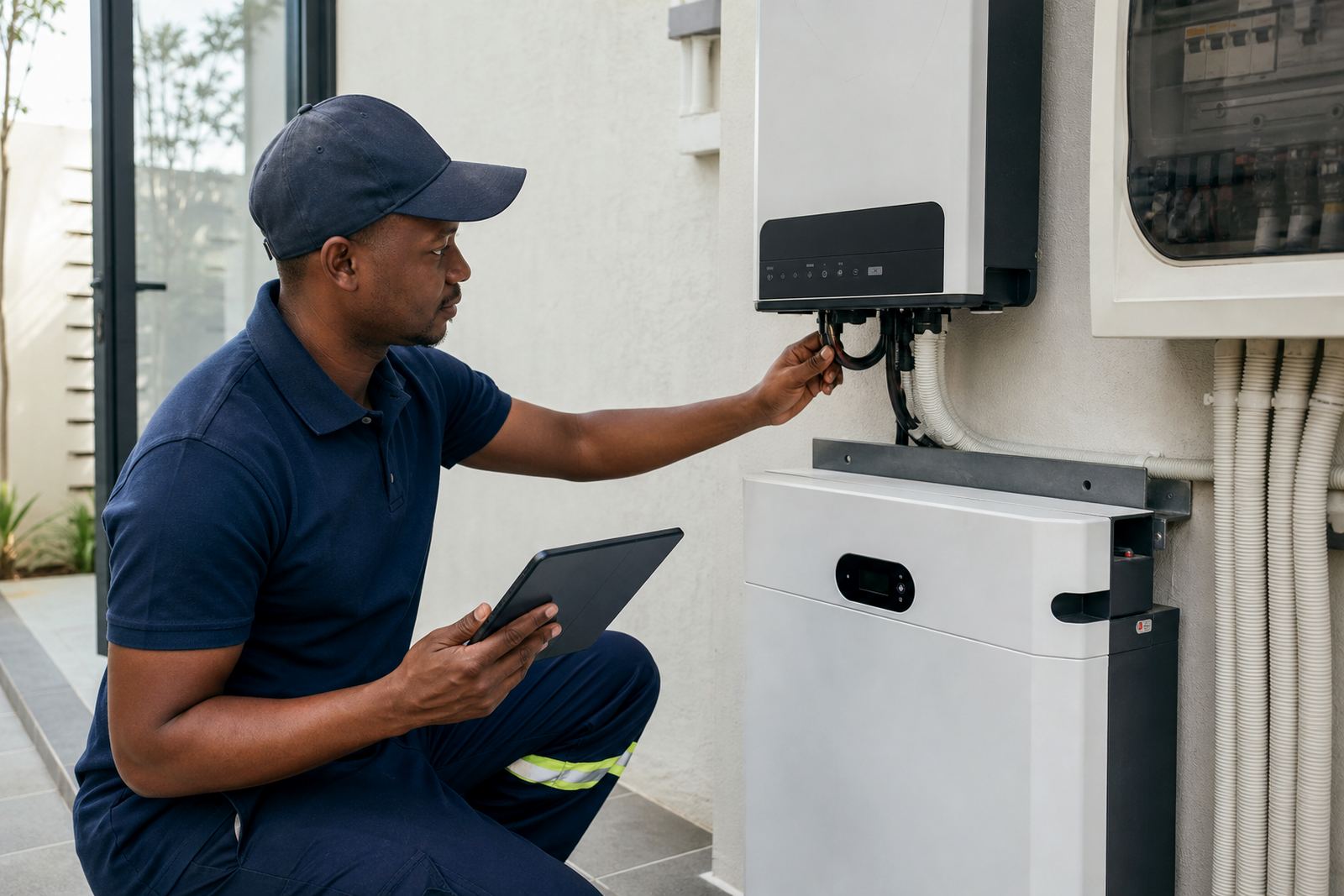
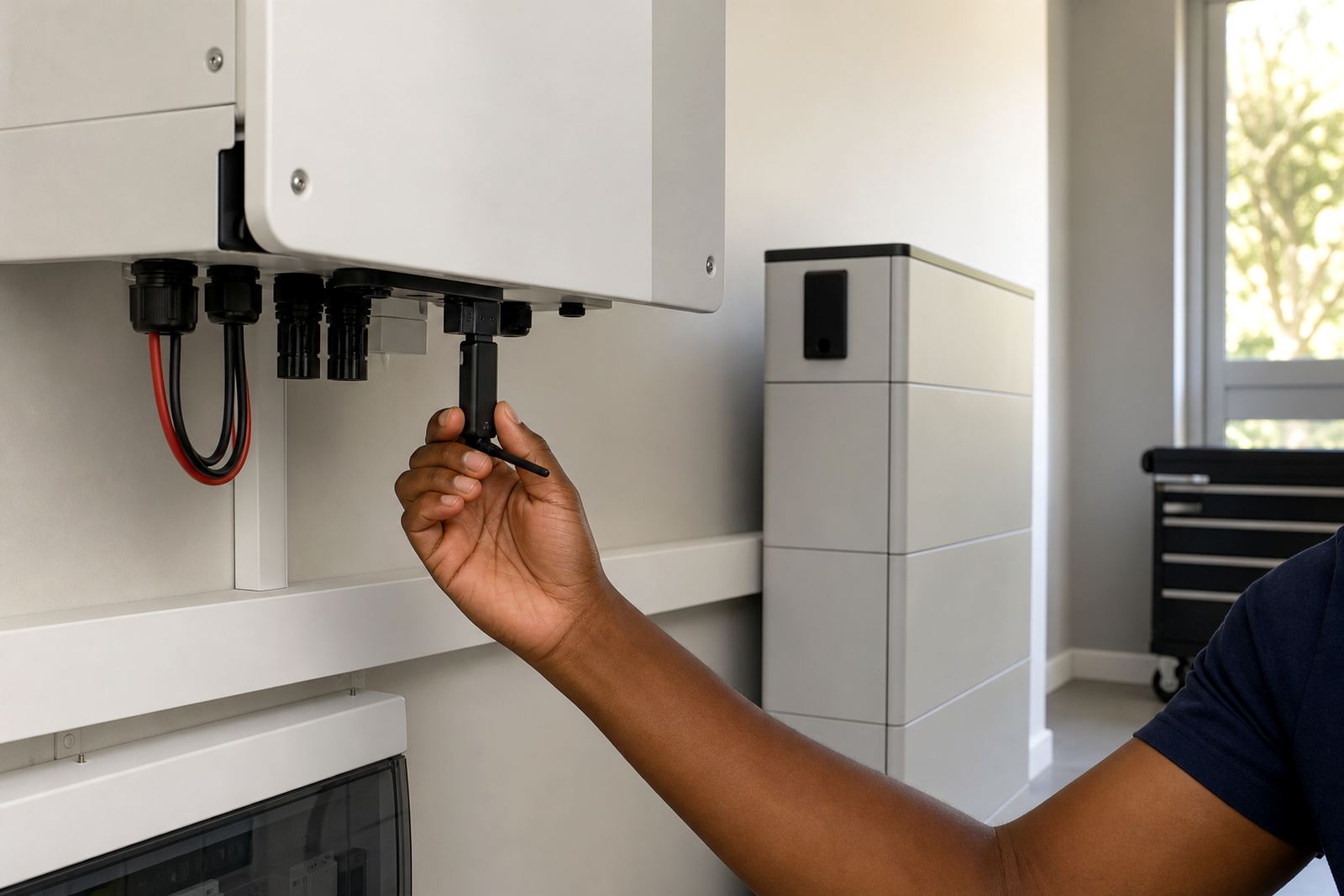
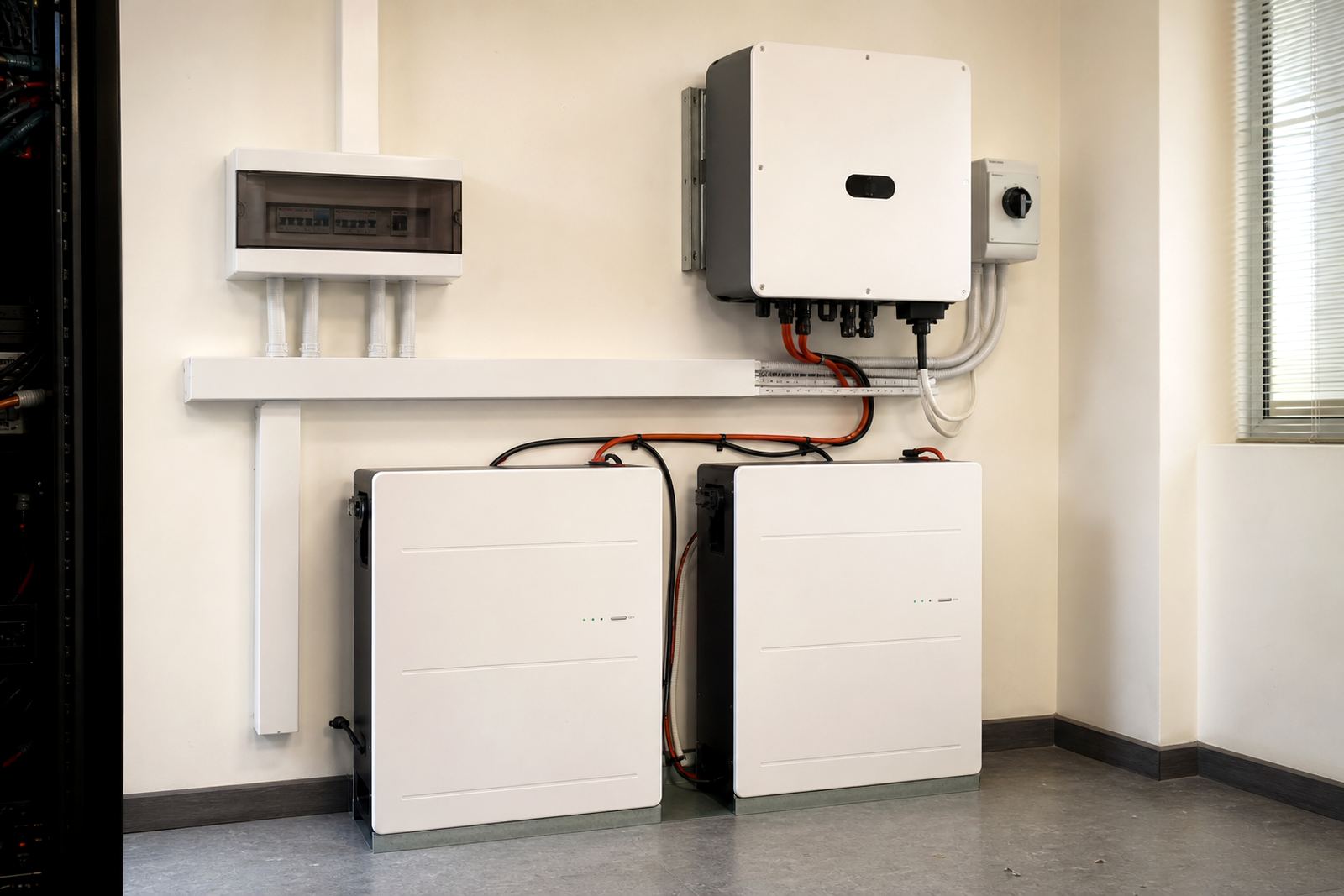
This kit is built around an 8kW inverter, lithium battery storage and the wiring needed to support selected essential circuits when the municipal supply drops out. In practice, the inverter changes battery power into usable AC power for the loads you choose to back up, while the battery bank stores energy for the next outage or load-shedding slot.
For Randburg, Sandton, Fourways and the wider Johannesburg area, an 8kW setup is often chosen where a smaller unit would be pushed too hard. It is a practical fit for homes with higher daytime use, home offices, small practices and light commercial spaces that need more than just basic lighting. The right sizing still depends on what must stay on, because a bigger inverter does not solve an overloaded circuit board.
When this size makes sense
An 8kW kit suits sites with several appliances and more than one working area. If you want backup for a larger fridge or freezer, internet equipment, lighting, TV points, a garage door and some plug circuits, this size can be a better match than a smaller entry level system. It can also support business continuity for reception areas, point-of-sale gear, a small server rack or office equipment, provided the total load stays within limits.
- Larger family homes with multiple essential circuits
- Home offices that must stay online through load-shedding
- Small businesses that need power for key work areas
- Properties in Gauteng that face frequent outages and voltage swings
In places like Pretoria, Centurion, Midrand and Roodepoort, load profiles can vary a lot from one property to the next. Shade, room count, geyser use and the number of plug points all affect the final recommendation.
Share what must stay on during an outage and the size of the property, and a backup planner will phone or message you.
Contact formTypical options and sizing choices
PowerCut supplies inverter and battery combinations in different storage sizes, because the inverter rating and the battery capacity need to work together. An 8kW inverter can be paired with one or more lithium batteries depending on how long you need backup and how heavy the essential load is. For longer runtimes, a larger battery bank is usually the better choice. For shorter outages, a smaller battery bank may be enough, but it must still be suitable for the load.
- 8kW inverter with one lithium battery for lighter essential loads
- 8kW inverter with multiple lithium batteries for extended backup time
- Essential-load sub-board feeding selected circuits only
- Changeover arrangement for manual or automatic supply transfer
Lithium batteries are commonly used because they charge faster than older battery types and handle regular cycling well. In coastal areas and humid environments, good enclosure placement and neat cable routing matter just as much as the battery choice.
Installation, compliance and municipal rules
This kind of system must be installed by a registered electrician, with a certificate of compliance issued once the work is complete. If the installation is grid-tied, municipal registration is also required. That applies whether the system is being fitted at a house in Randburg or a business in Johannesburg, and the paperwork should be handled properly from the start.
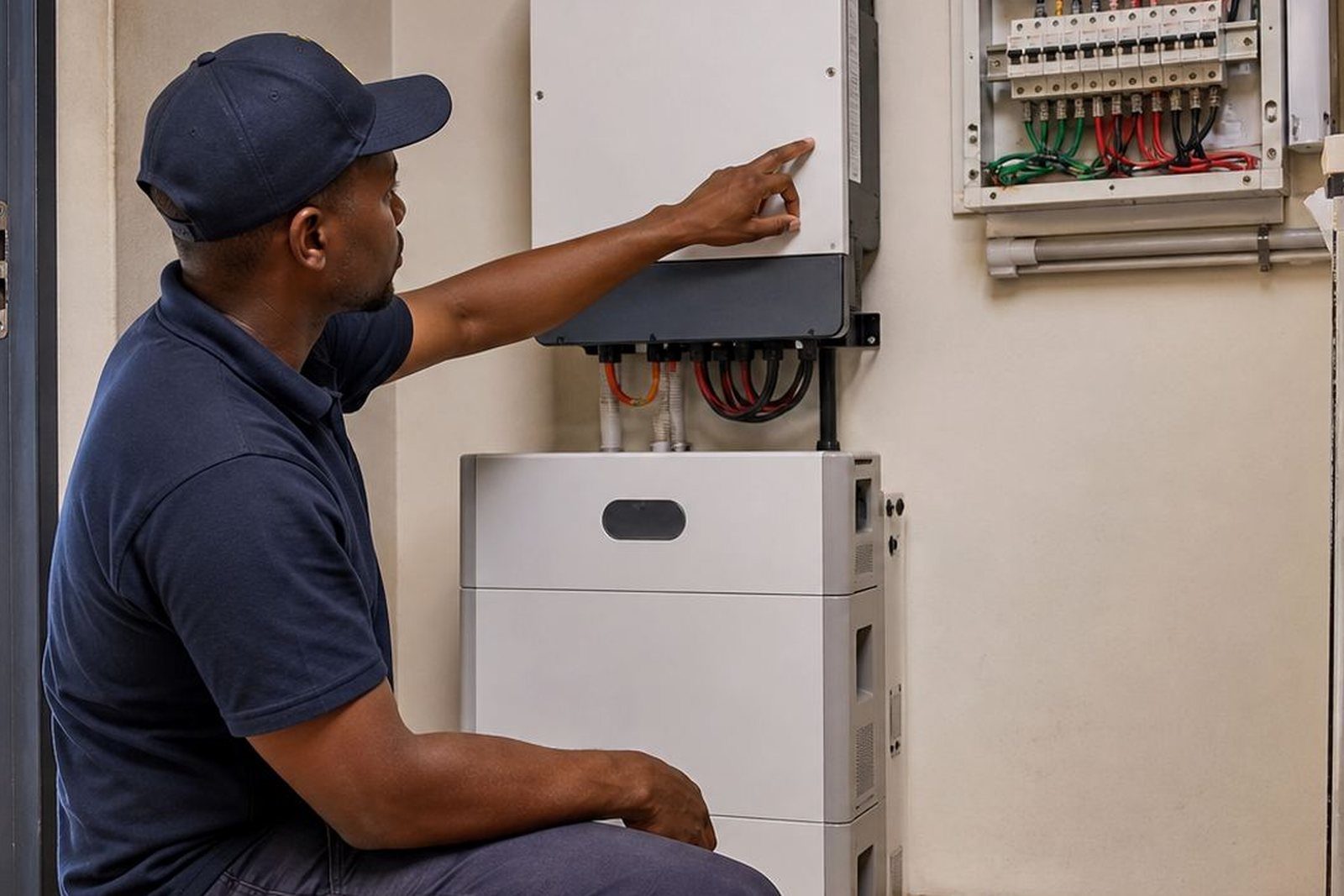
During installation, the electrician will check the distribution board, isolate the circuits to be backed up and make sure the inverter, battery and protection devices are correctly connected. If the supply arrangement is not suitable, extra work may be needed before commissioning can happen. It is better to identify that early than to find out after the first outage.
- Registered electrician required for all permanent installations
- Certificate of compliance needed after installation
- Municipal registration needed for grid-tied systems
- Essential circuits should be separated from non-essential loads
Care, servicing and fault checks
An inverter kit is not fit-and-forget equipment. Batteries need the right charging profile, clean terminals and enough ventilation, while the inverter should be kept free of dust and heat build-up. If the unit is installed in a cupboard, storeroom or garage, the area should stay dry and accessible for inspection. That is especially important in coastal humidity and in older homes where service access can be tight.
Routine servicing helps pick up loose connections, battery alerts, fan issues and tripping before they become bigger problems. If you notice a shorter runtime, repeated beeping or a sudden shut-down under load, the system should be checked. A fault that seems small can end up affecting the whole backup arrangement.
Before you buy a backup system
Before ordering an 8kW inverter kit, it helps to know what you want to keep powered and for how long. The safest way to do that is with a proper site assessment and backup sizing exercise. We look at the appliances, the board layout, whether there is room for battery placement and if the property needs essential circuit wiring or a changeover solution.
- Which appliances and circuits must stay on during outages
- How long you need backup for load-shedding or power cuts
- Where the inverter and batteries will be installed
- Whether the site needs monitoring setup or battery expansion later
- Whether the electrical system is ready for compliance support
For homes and businesses across Gauteng, a well sized system is usually the difference between basic backup and a setup that actually carries the load without constant nuisance trips.
System at a glance
| Inverter rating | 8kW continuous output |
|---|---|
| Battery type | Lithium battery storage |
| Use case | Larger homes and light commercial backup |
| Installation | Registered electrician required |
| Compliance | Certificate of compliance needed |
| System fit | Essential-load backup with optional monitoring setup |