What a 2kW inverter kit does in everyday use
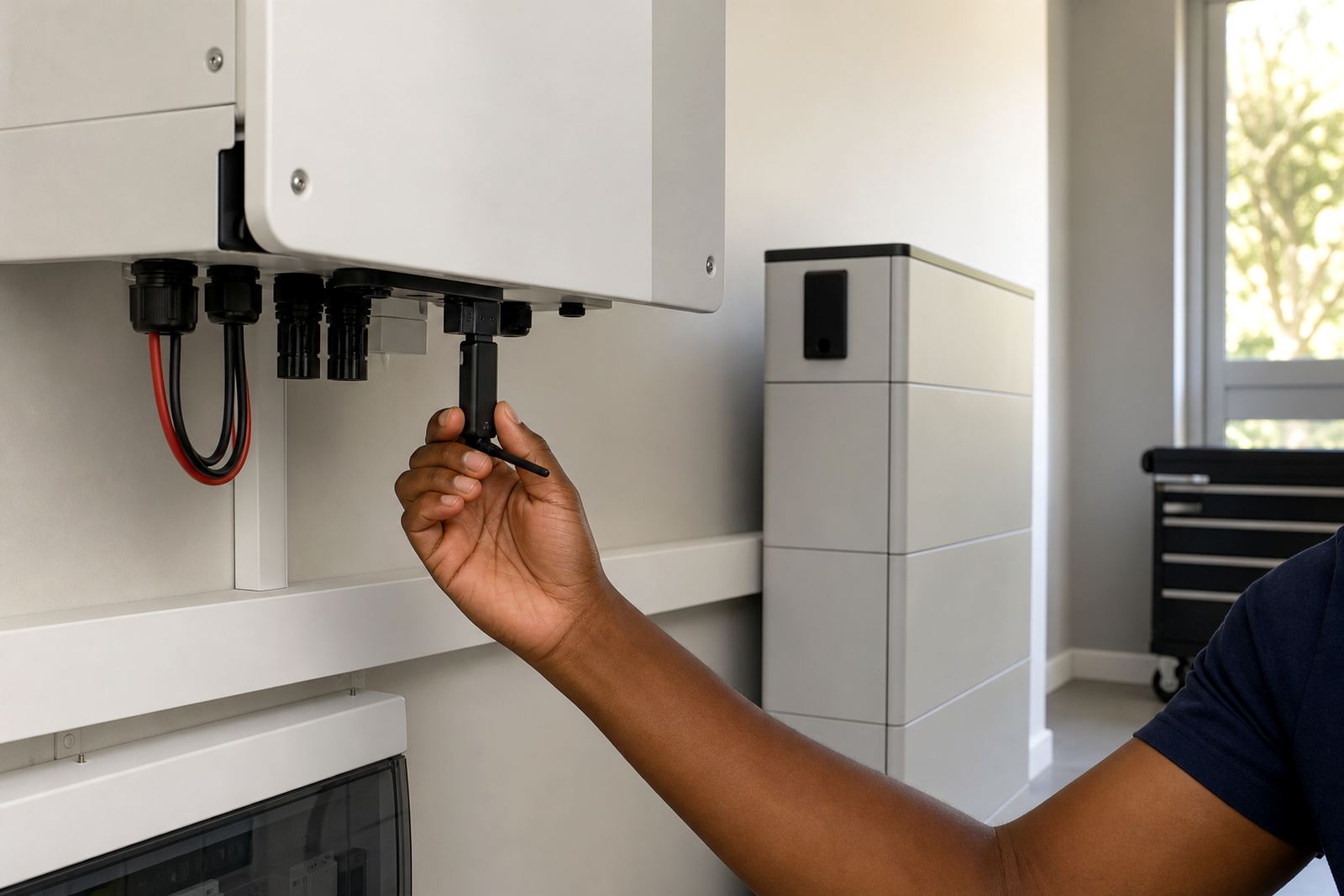
A 2kW inverter kit takes energy from the grid when electricity is available, stores it in a lithium battery and then supplies power to chosen circuits when the supply drops out. For many homes in Randburg, Sandton, Fourways and nearby suburbs, this is enough to keep the essentials going without trying to back up the whole property. It is also a sensible option for small offices, studios, salons, medical admin rooms and other micro businesses that only need a few key loads covered.
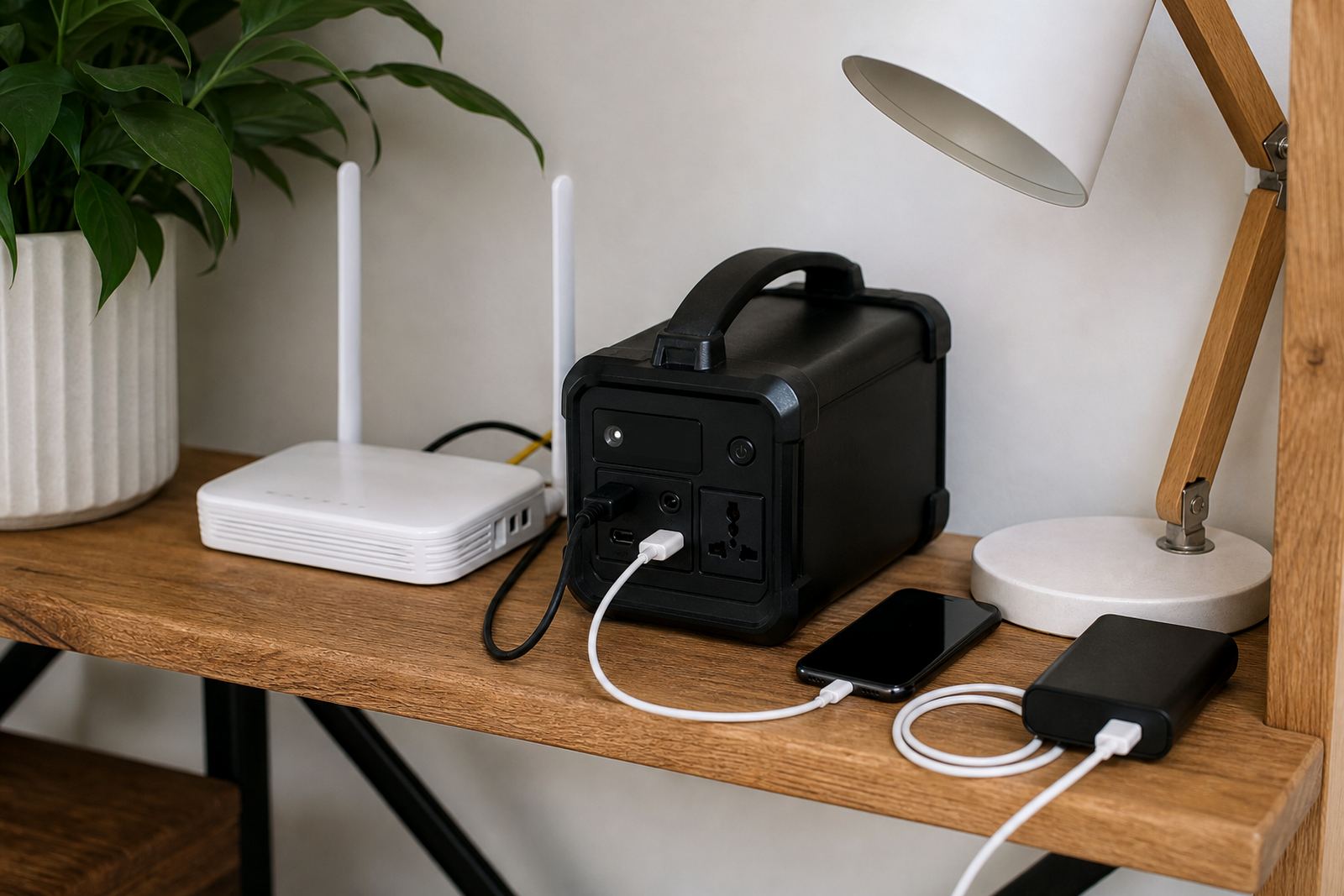
The value of a smaller kit is that it is easier to manage than a large whole-premises system. You can focus on the items that matter most, such as a few lights, fibre, a gate motor if the load is low, laptops and charging points. If you run fridges, heaters, kettles or pool pumps on backup too, the system will need to be sized differently. That is why a proper site check matters before any order is placed.
Typical kit sizes, options and setup choices
A 2kW kit can be configured in a few different ways. Some customers want a compact wall mounted inverter with a single lithium battery, while others prefer a larger battery bank for longer backup during stage 4 or stage 6 outages. The right choice depends on the number of circuits, the starting current of the loads and how long you want the backup to last between charge cycles.
- Inverter rating: 2kW continuous output for essential circuits only
- Battery type: lithium battery storage for faster charging and deeper usable capacity
- Mounting: wall mounted or floor standing depending on space
- Input: standard single phase domestic supply in most homes, or a suitable small business supply
- Outputs: selected circuits through an essential loads board or changeover arrangement
- Monitoring: basic app or display based system status, where supported
In coastal areas or humid parts of Gauteng during summer rains, equipment placement matters too. Dry, ventilated indoor space is better than a hot garage or a damp storeroom. Good positioning helps the system last longer and reduces nuisance faults.
Share what must stay on during an outage and the size of the property, and a backup planner will phone or message you.
Contact formWhere this size suits homes and businesses best
A 2kW inverter kit is a strong fit for a one to three bedroom house, a flat, a townhouse, or a small business that only needs limited backup. In Johannesburg and Pretoria, many customers use it for essential evening loads when load-shedding hits after work hours. It is also useful in offices that need internet, computer access and lighting to keep operating during an outage.
This size is not ideal if you want to run a full kitchen, multiple air conditioners or high draw workshop tools. In those cases, a larger inverter and battery setup may be more suitable. For a small practice, home office, security room or reception area, though, 2kW can be a practical middle ground.
- Good fit: lights, routers, laptops, TVs, alarms and light office equipment
- Sometimes possible: a small fridge or decoder, depending on surge load and battery size
- Not ideal: kettles, heaters, irons, geysers, ovens and heavy machinery
It is worth planning for load growth too. A home office may start with just a few devices, then add more screens, printers or security equipment over time. A properly assessed system makes future expansion much easier.
Installation, wiring and compliance you should expect
This equipment must be installed by a registered electrician, and the work must be accompanied by a Certificate of Compliance. If the system is grid tied or connected in a way that can export or interact with municipal supply rules, municipal registration is also required. That is not just paperwork. It protects the property, the occupants and the electrical installation itself.
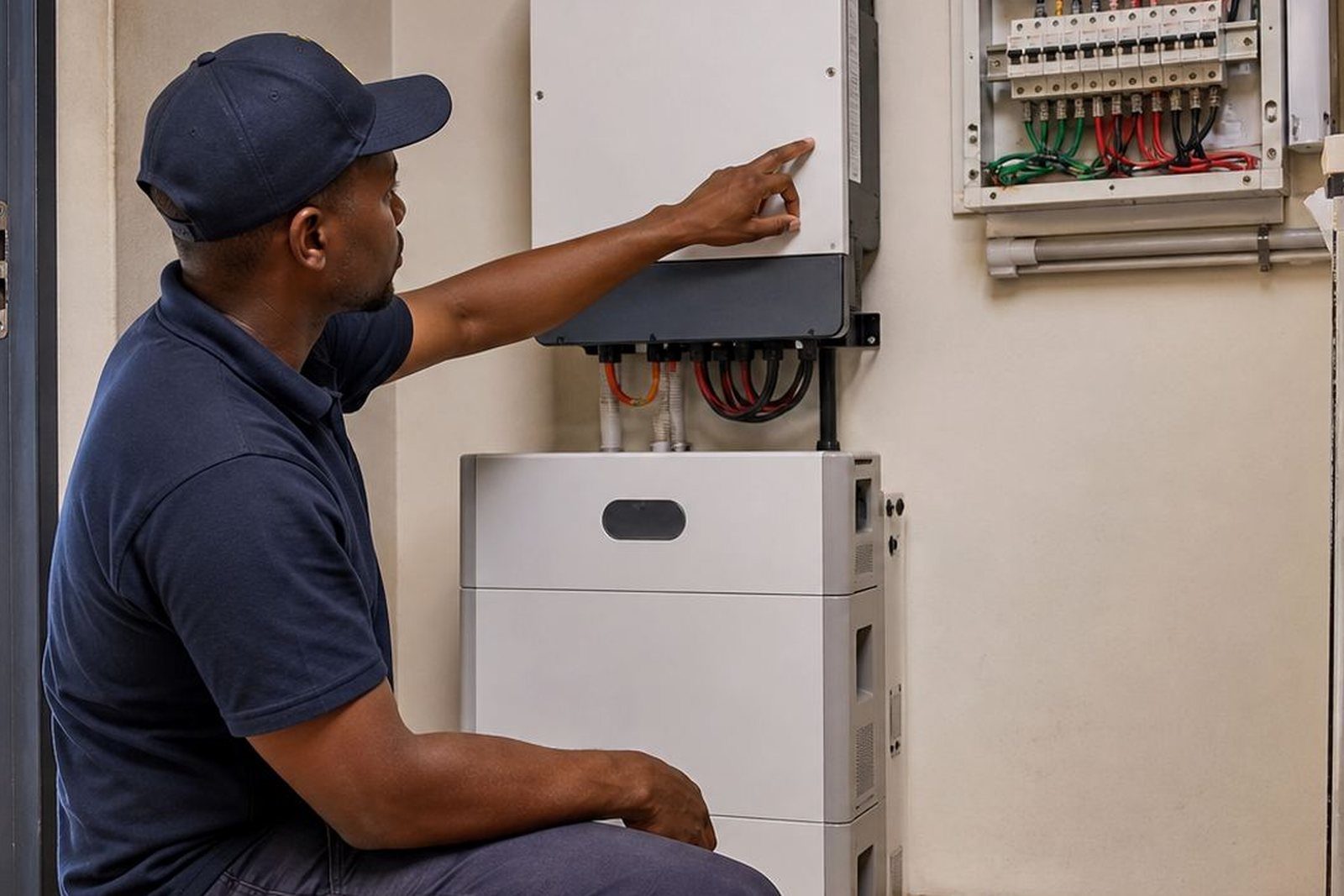
At PowerCut, the process usually starts with a site assessment and backup sizing. The installer checks the existing distribution board, earthing, cable runs, load profile and the circuits that should stay live during outages. Essential circuit wiring is then arranged so that the backed up loads are separated from non essential loads. This helps avoid overloading and reduces the chance of tripping when the power returns.
- Confirm which circuits must stay on during an outage
- Check whether there is suitable wall space and ventilation
- Confirm battery location away from moisture and heat
- Plan for safe cable routing and neat containment
- Allow for testing and commissioning after installation
For body corporates, landlords and businesses in Gauteng, it is also sensible to check building rules before work begins. Some sites need written permission for changes to common property or service areas. That step is easy to miss and can cause delays if skipped.
Power needs, sizing and what to confirm before ordering
Before you order a 2kW inverter kit, you should know what you want to power and for how long. A compact system can work very well if the load list is controlled, but it can be stretched too far if too many appliances are added. The usual sizing questions are simple: what must stay on, how many watts do those items use, and how many hours of backup do you need between charge cycles.
It also helps to check the condition of your current electrical setup. Older homes in Roodepoort or parts of Johannesburg sometimes need minor board upgrades before a new system can be connected cleanly. In some cases the battery room or garage needs better ventilation, a stronger mounting surface or cleaner access for maintenance. If the site is tight, let the installer know upfront so the kit can be planned around the actual space not a best case assumption.
- Load list: identify only the circuits that are essential
- Runtime target: decide how long you need backup between recharge periods
- Space: check wall space, clearance and indoor ventilation
- Supply type: confirm single phase or another suitable arrangement
- Expansion: ask whether a future battery expansion is possible
Care, servicing and what keeps the kit reliable
A 2kW inverter kit usually needs very little day to day attention, but it does benefit from routine checks. Keep the area clean and dry, make sure vents are not blocked, and watch for warning lights or alarms on the inverter display. If the battery stays at odd percentages or the system switches off earlier than expected, it may need a fault check or a settings review.
Battery life depends on temperature, charging habits and how deeply the battery is used during each outage. Lithium batteries are generally well suited to frequent load-shedding because they handle repeated cycling better than many older battery types. Still, they do best when they are not exposed to heat, dust or poor charging conditions. A quick service visit every so often can pick up loose terminations, cable wear or firmware setting issues before they become bigger problems.
If your needs change, the system can often be extended with additional batteries or a revised essential loads layout. That is especially useful for businesses that start with a few key devices and later need longer backup after repeated municipal interruptions.
Ordering checklist for a clean installation
When you enquire through the contact page, it helps to have a few details ready.If you are in Midrand, Centurion or Pretoria, the same checklist applies as it does in Johannesburg and Roodepoort.
- Property type: house, flat, office or retail space
- Which appliances or circuits must stay on
- Whether you need a basic backup setup or room for expansion
- Where the equipment can be mounted indoors
- Whether you need installation, commissioning and compliance support
- Any site constraints such as limited wall space or shared building rules
For a 2kW inverter kit, the best results come from matching the system to the actual daily load, not guessing. If the load list is accurate, the installation is clean and the compliance paperwork is in order, the system can do its job quietly whenever the power goes off.
System at a glance
| Product type | 2kW inverter kit for essential backup |
|---|---|
| Inverter output | 2kW continuous, subject to load profile |
| Battery type | Lithium battery storage |
| Typical use | Selected household or small business circuits |
| Installation | Registered electrician required with Certificate of Compliance |
| Compliance | Municipal registration required for grid tied systems |